
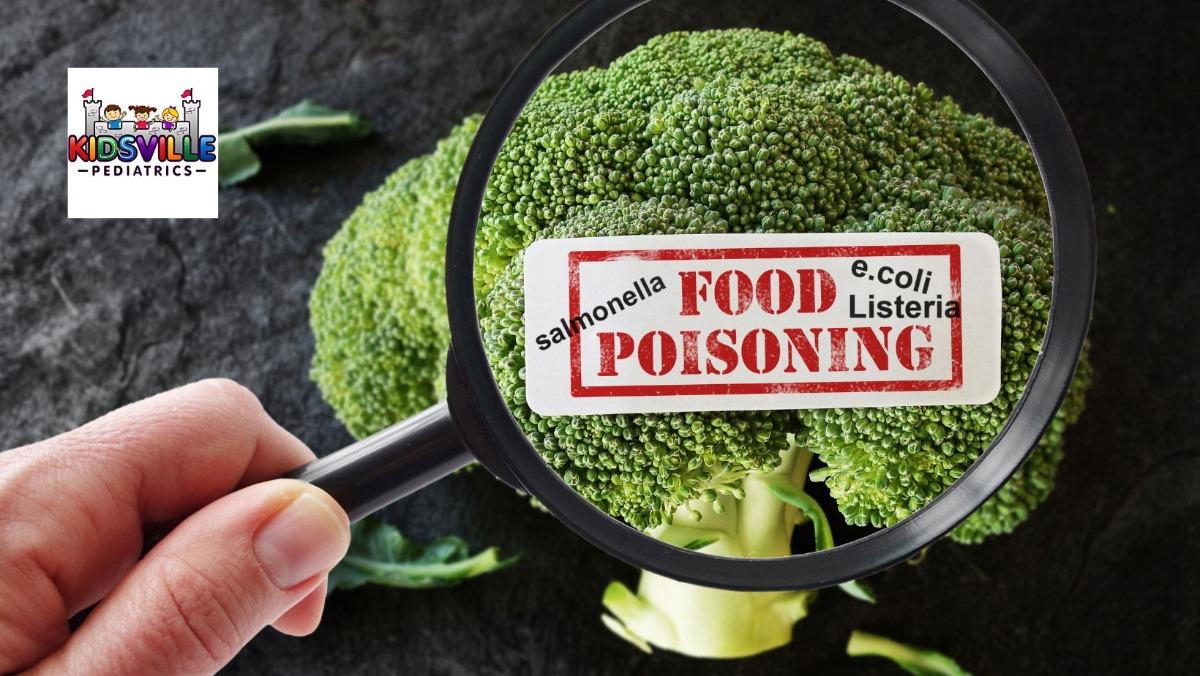
Food poisoning is an illness caused by consuming food or drink contaminated with bacteria, viruses, or other germs. Despite being invisible, tasteless, and odorless, these microorganisms can have a powerful impact on the body. When they enter our systems, they release toxins that can cause symptoms like diarrhea and vomiting. Here at Kidsville Pediatrics, with experienced McKinney pediatricians, often encounter cases of food poisoning, especially in young children who are more vulnerable to these infections.
Understanding Food Poisoning
Food poisoning, medically referred to as foodborne illness, occurs when harmful organisms contaminate food or drink. These organisms can include bacteria such as Salmonella, E. coli, and Listeria, viruses such as Norovirus, and parasites like Giardia. The symptoms can range from mild discomfort to severe, life-threatening conditions, depending on the type and amount of contaminant ingested.
Food Poisoning Symptoms and Onset
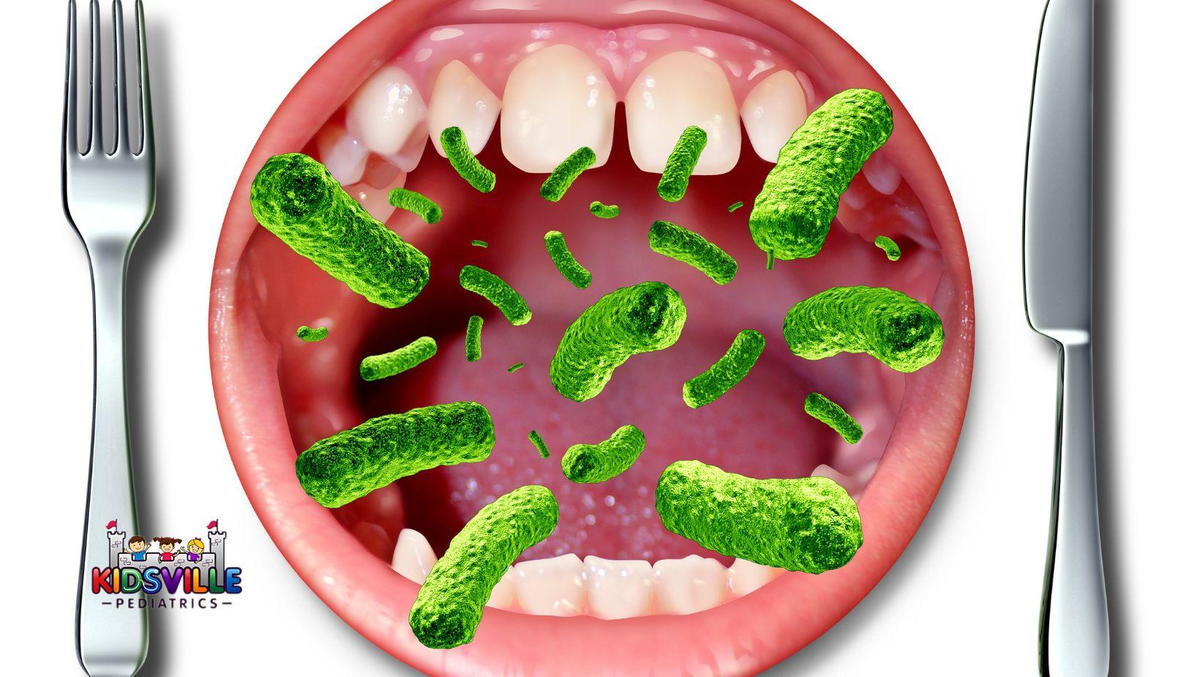
The onset of food poisoning symptoms varies depending on the type of germ involved. Some people might start to feel sick within hours of eating contaminated food, while others might not show symptoms for days or even weeks. The most common symptoms include:
-
Nausea and Vomiting: When harmful bacteria, viruses, or parasites contaminate food, they can produce toxins that disrupt normal digestive functions. Once ingested, these toxins irritate the stomach lining and send signals to the brain’s vomiting center, triggering nausea and vomiting as the body attempts to expel the harmful substances.
Nausea is the uneasy feeling that often precedes vomiting, characterized by an urge to vomit. It is usually accompanied by stomach cramps, discomfort, and a loss of appetite. Vomiting, the forceful expulsion of stomach contents through the mouth, serves as the body’s natural defense mechanism to eliminate the toxins rapidly.
In most cases, nausea and vomiting from food poisoning are self-limiting and resolve within a few days. However, ensuring adequate hydration is crucial, as these symptoms can lead to dehydration, particularly in young children. If symptoms persist or worsen, seeking medical attention is essential.
-
Diarrhea: Diarrhea occurs when harmful bacteria, viruses, or parasites contaminate food and produce toxins that irritate the gastrointestinal tract. This irritation causes the intestines to secrete excess fluid, leading to loose, watery stools.
Diarrhea serves as the body’s way of expelling the toxins quickly. However, this rapid loss of fluids can lead to dehydration, which is particularly dangerous for young children. Signs of dehydration include dry mouth, sunken eyes, and reduced urine output. Ensuring that children stay hydrated is crucial, and oral rehydration solutions can help replenish lost fluids and electrolytes.
Most cases of diarrhea due to food poisoning resolve within a few days without specific treatment. However, persistent or severe diarrhea, especially if accompanied by a high fever or blood in the stool, warrants medical attention. Prompt care can prevent complications and ensure a swift recovery for your child.
-
Abdominal Pain and Cramps: Abdominal pains can vary in intensity, from mild discomfort to severe cramping, often accompanied by bloating and gas. The pain usually comes in waves, correlating with the movement of food through the digestive system.
Managing abdominal pain in children involves ensuring they stay hydrated and get plenty of rest. Offering small, frequent sips of clear fluids can help prevent dehydration. Over-the-counter pain relievers are generally not recommended for children without consulting a pediatrician, as they may worsen symptoms or interfere with recovery.
If the pain is severe, persistent, or accompanied by other alarming symptoms like high fever or bloody stools, seek medical attention promptly to rule out more serious conditions and ensure appropriate treatment.
-
Fever: In most cases of food poisoning, fever is usually mild to moderate and accompanies other symptoms like nausea, vomiting, diarrhea, and abdominal pain. The body’s elevated temperature is a natural defense mechanism aimed at fighting off the infection.
Parents should monitor their child’s fever closely and offer plenty of fluids to prevent dehydration. Over-the-counter fever reducers like acetaminophen or ibuprofen can be given under the guidance of a healthcare provider to alleviate discomfort and reduce fever. If the fever persists for more than a couple of days, is high (over 101°F or 38.3°C), or is accompanied by severe symptoms, seek medical attention promptly to determine the underlying cause and appropriate treatment.
-
Headache and Weakness: Headaches and weakness often accompany food poisoning in children as the body’s response to toxins released by harmful bacteria or viruses. These symptoms can arise due to dehydration, electrolyte imbalance, or the body’s immune reaction to the infection.
Headaches are typically caused by the body’s inflammatory response to the toxins, leading to vascular changes that result in pain. Weakness can occur due to fluid loss from diarrhea and vomiting, which depletes essential electrolytes like potassium and sodium, crucial for muscle function and overall energy levels.
To alleviate headaches and weakness, it’s essential to encourage rest and hydration. Offering electrolyte-rich fluids such as oral rehydration solutions or diluted sports drinks can help replenish lost minerals and restore energy levels. If symptoms persist or worsen, or if there are signs of severe dehydration or other concerning symptoms, seek medical advice promptly for proper evaluation and treatment.
In rare cases, food poisoning symptoms are as severe as dizziness, blurred vision, and tingling in the arms. Severe weakness and breathing difficulties can also occur, indicating a more serious infection that requires immediate medical attention.
Causes of Food Poisoning
Food poisoning is often caused by consuming contaminated food or drink. The contamination can occur at any point during food production, processing, storage, and preparation. Common causes include:
-
Bacterial Contamination: This is the most frequent cause of food poisoning. Bacteria such as Salmonella, E. coli, and Campylobacter can contaminate food at any stage from farm to table.
-
Viral Infections: Viruses like Norovirus and Hepatitis A can contaminate food and water, especially in environments with poor sanitation and hygiene practices.
-
Parasitic Infections: Parasites such as Giardia can be present in contaminated water and food.
-
Toxins and Chemicals: Some types of food poisoning are caused by natural toxins found in certain foods, like poisonous mushrooms or improperly prepared seafood.
Common Germs Causing Food Poisoning
Salmonella: One of the leading causes of food poisoning in the United States is salmonella. It usually contaminates foods through contact with animal feces. Common sources include dairy products, undercooked meat, and fresh produce.
E. coli: This bacterium often contaminates food and water through contact with animal feces. Undercooked ground beef is a common cause of E. coli poisoning in the United States.
Listeria: Often found in unpasteurized dairy products, smoked seafood, and processed meats like hot dogs and lunch meats. Listeria can also contaminate fruits and vegetables, though this is less common.
Campylobacter: Campylobacter, commonly found in meat, poultry, and unpasteurized milk. This bacterium can also contaminate water and typically gets into food through contact with infected animal feces.
Staphylococcus aureus: Staphylococcus aureus bacteria can be found in meats, prepared salads, and foods made with contaminated dairy products. They spread through hand contact, sneezing, or coughing, meaning food handlers can easily spread the infection.
Shigella: The Shigella bacterium can infect seafood or raw fruits and vegetables. It often spreads when food handlers don’t wash their hands properly after using the bathroom.
Hepatitis A: This virus is often contracted from eating raw shellfish or foods handled by an infected person. Symptoms might not appear until 15 to 50 days after exposure.
Norovirus: Norovirus is known for spreading easily from person to person, especially in crowded settings like daycares and schools. It can contaminate food and water, leading to outbreaks of illness.
Diagnosis of Food Poisoning
Diagnosing food poisoning involves a comprehensive approach that integrates medical history, physical examination, and diagnostic testing. When a child presents with symptoms suggestive of food poisoning, pediatricians prioritize gathering detailed information about recent food consumption, the onset of symptoms, and their severity. This inquiry helps pinpoint potential sources of contamination and narrow down the list of likely pathogens.
Medical history plays a crucial role in understanding the timeline of symptoms and identifying any recent dietary changes or exposures that could have led to the illness. Physical examinations focus on assessing the child’s overall health status, vital signs, and specific symptoms such as fever, abdominal tenderness, or dehydration indicators like dry mucous membranes.
Laboratory tests are pivotal in confirming the diagnosis and determining the causative agent of food poisoning. Stool cultures are commonly used to detect bacterial pathogens like Salmonella, E. coli, or Campylobacter. Blood tests may reveal indications of infection or electrolyte imbalances resulting from dehydration. In some cases, urine tests may also be conducted to rule out urinary tract infections or other related conditions.
The diagnostic process at Kidsville Pediatrics ensures timely and accurate identification of foodborne pathogens, guiding appropriate treatment and management strategies. Prompt laboratory analysis enables McKinney pediatricians to tailor interventions based on specific microbial profiles, ensuring effective therapeutic outcomes and reducing the risk of complications associated with food poisoning.
Treatment of Food Poisoning

Most cases of food poisoning resolve on their own without medical intervention. However, there are several steps you can take at home to help your child feel better and prevent dehydration, which is the most common serious complication:
-
Rest: Ensure your child gets plenty of rest to help their body recover.
-
Hydration: Encourage your child to drink plenty of fluids. Oral rehydration solutions can be particularly effective in replacing lost electrolytes. Avoid giving milk or caffeinated beverages, which can exacerbate symptoms.
-
Diet: Once vomiting and diarrhea have subsided, offer small, bland meals to ease the transition back to regular eating. Foods like rice, toast, applesauce, and bananas are gentle on the stomach.
-
Avoid Anti-Diarrheal Medications: These can prolong the illness by preventing the body from expelling the toxins.
In severe cases, medical treatment may be necessary. This can include:
Antibiotics: Prescribed for certain bacterial infections like severe Campylobacter or E. coli.
Intravenous Fluids: Used to treat severe dehydration, especially if your child is unable to keep fluids down.
When to Seek Medical Attention
Most cases of food poisoning don’t require medical attention. However, you should contact a McKinney pediatrician if your child experiences any of the following symptoms:
Prolonged Vomiting: Vomiting that lasts more than 12 hours.
High Fever: A fever higher than 101°F (38.3°C).
Severe Abdominal Pain: Pain that doesn’t go away after a bowel movement.
Bloody Stools or Vomit: Indicates a more serious infection.
Dehydration: Symptoms include extreme thirst, making little or no urine, dizziness, sunken eyes, and lightheadedness.
Unusual Symptoms: Such as a racing or pounding heart.
It’s also important to call your doctor if your child has recently traveled abroad and starts showing symptoms of food poisoning, as they may have been exposed to different germs.
Prevention Tips
Preventing food poisoning is crucial to keeping your family healthy. Here are some tips recommended by Kidsville Pediatrics:
Handwashing: Teach everyone in your family to wash their hands thoroughly and frequently, especially after using the bathroom, before handling food, and after touching raw food. Use soap and warm water, and scrub for at least 15 seconds.
Kitchen Hygiene: Clean all utensils, cutting boards, and surfaces used to prepare food with hot, soapy water. This helps prevent cross-contamination.
Safe Food Handling: Safe food handling practices are crucial for preventing food poisoning, especially in homes with children. At Kidsville Pediatrics McKinney, pediatricians emphasize the importance of these practices to ensure the health and safety of your family. Here are some key guidelines to follow:
Separation of Raw Foods: Always keep raw foods, particularly meat, poultry, and seafood, separate from other foods until they are fully cooked. This separation helps prevent cross-contamination, where harmful bacteria from raw foods can spread to other items, increasing the risk of foodborne illness.
Use of Different Cutting Boards: It’s essential to use separate cutting boards for raw meat and vegetables. Designate one cutting board exclusively for raw meat, poultry, and seafood, and another for fruits, vegetables, and other ready-to-eat foods. This practice minimizes the chance of cross-contamination and ensures that bacteria from raw meat do not come into contact with foods that may be consumed without further cooking.
Proper Cleaning and Sanitizing: After handling raw meat, thoroughly clean all utensils, cutting boards, and surfaces with hot, soapy water. This step is crucial to remove any lingering bacteria that could contaminate other foods. Additionally, using a kitchen sanitizer or a solution of 1 tablespoon of unscented liquid chlorine bleach per gallon of water can provide an extra layer of protection.
Proper Storage: Use perishable food or any food with an expiration date as soon as possible. Store foods at the appropriate temperature to prevent bacterial growth.
Cooking Temperatures: Cook all food from animal sources to a safe internal temperature. For ground beef and pork, this means at least 160°F (71°C). For solid cuts of meat, the safe temperature is 145°F (63°C). For chicken and turkey (ground and whole), it’s at least 165°F (74°C). Cook chicken eggs until the yolk is firm. Fish is generally safe to eat once it reaches a temperature of 145°F (63°C).
Refrigerate Leftovers Promptly: Store leftovers in airtight containers and refrigerate them within two hours of cooking.
Thawing Food Safely: Defrost foods in the refrigerator, a microwave, or cold water. Never thaw food at room temperature, as this can promote bacterial growth.
Avoid Unpasteurized Products: Don’t serve unpasteurized milk or food that contains unpasteurized milk. These products can harbor harmful bacteria.
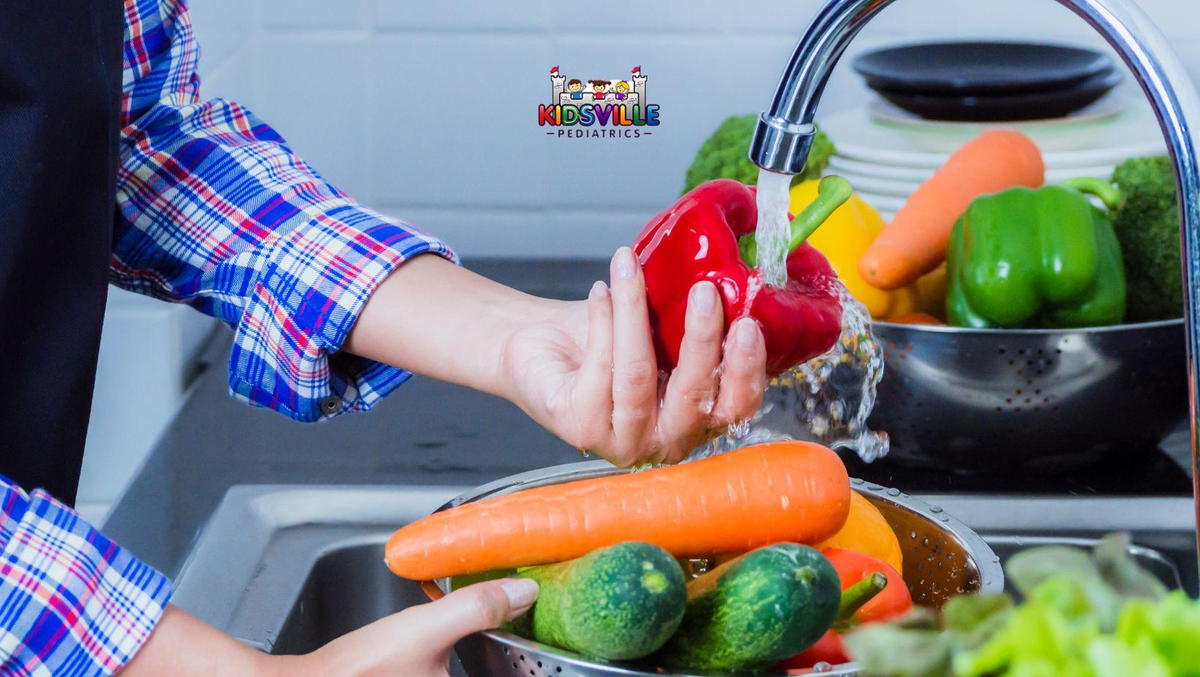
Wash Produce: Wash all raw vegetables and fruits thoroughly under running water before eating them.
Dispose of Expired Food: If food is past its expiration date, tastes funny, or smells strange, throw it out.
Pregnant Women Precautions: Pregnant women should avoid raw or undercooked meat or seafood, smoked seafood, raw eggs and products that might contain raw eggs, soft cheeses, unpasteurized milk and juice, patés, prepared salads, luncheon meats, and hot dogs.
Avoid Untreated Water: Don’t drink water from streams or untreated wells.
Report Foodborne Illness: If someone in your family gets food poisoning, report it to your local health department. This can help identify the source of the outbreak and prevent others from getting sick.
Special Considerations
Certain groups are more vulnerable to the effects of food poisoning and require special care:
-
Children with Health Conditions: Kids with chronic illnesses, like kidney problems or sickle cell disease, have a higher risk of severe food poisoning and should be monitored closely.
-
Pregnant Women: Should contact their healthcare provider immediately if they suspect food poisoning, as some germs can affect the unborn child.
-
Weakened Immune Systems: Individuals with compromised immune systems, due to conditions like HIV/AIDS or undergoing treatments like chemotherapy, are at greater risk for severe food poisoning.
Conclusion
Food poisoning is a common but often preventable illness. By understanding its causes, symptoms, and treatments, and by following preventive measures, you can protect your family from the discomfort and potential dangers of foodborne illnesses. If you suspect your child has food poisoning, consult with pediatrician McKinney specialists from Kidsville Pediatrics for personalized care and treatment. Remember, maintaining good hygiene practices and being vigilant about food safety can go a long way in preventing food poisoning.


