
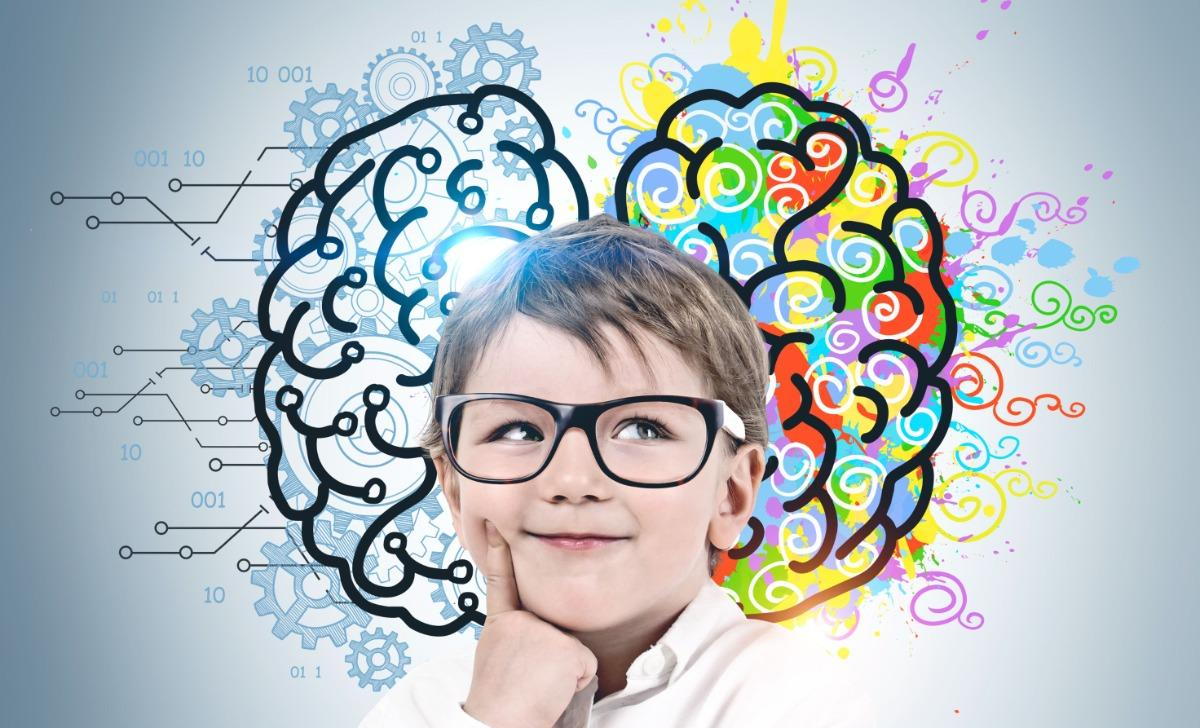
Music has long been celebrated for its ability to move, inspire, and connect us. But did you know that music can also play a powerful role in your child’s brain development? From newborns to teenagers, music can enhance various cognitive, emotional, and social aspects of a child’s growth. Whether it’s listening, playing, or dancing to music, the benefits are numerous and scientifically backed. Let’s dive into the remarkable ways music impacts your child’s brain and overall development.
1. Boosts Cognitive Skills and Language Development
Music is more than just entertainment; it’s a language that stimulates the brain in profound ways. Research shows that children exposed to music from an early age tend to have better cognitive skills, especially in areas related to language and speech development. Pediatricians emphasize the importance of early musical exposure, as when children listen to songs, they are not only hearing sounds but are also processing the words, rhythms, and melodies, which helps improve their understanding of language patterns.
In fact, studies suggest that musical training can enhance a child’s ability to detect subtle differences in speech sounds. This ability is essential for language development and reading skills. Learning to play an instrument can also improve auditory memory and attention span, which are vital for academic success. In essence, music serves as a fun and engaging way to build the neural networks that support communication and literacy.
2. Enhances Memory and Concentration
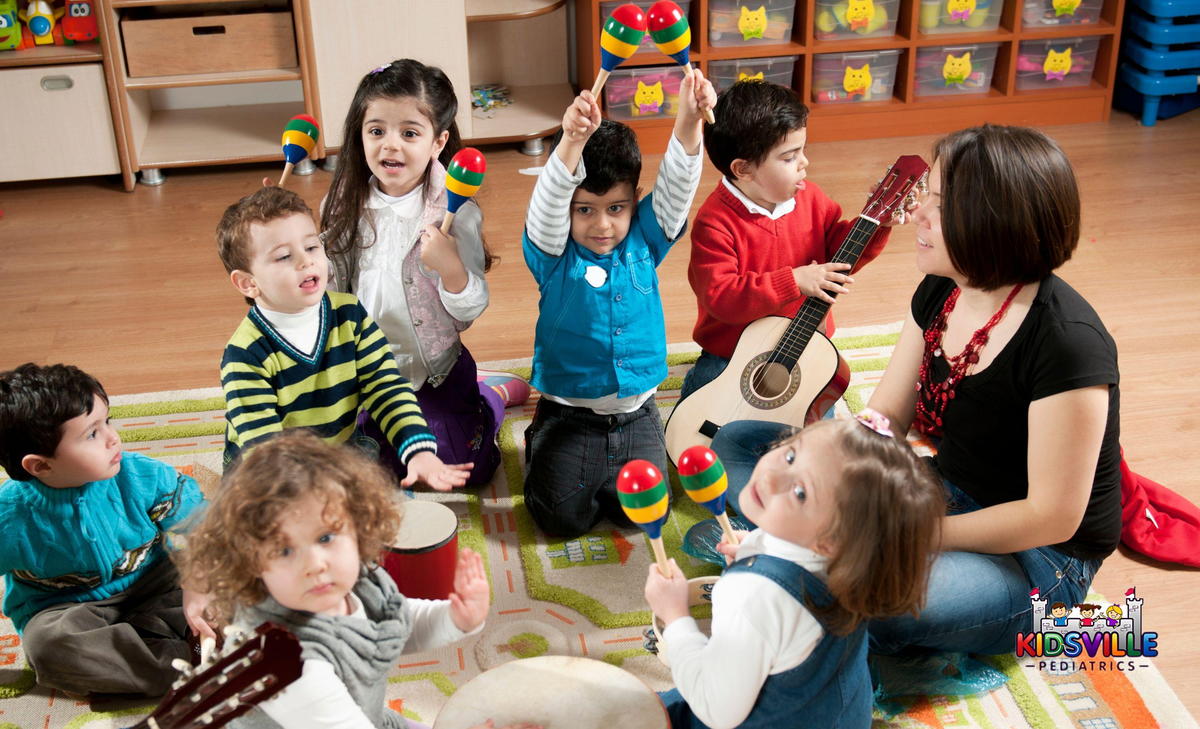
Music requires the brain to engage in several complex processes simultaneously, such as recognizing patterns, recalling lyrics, and coordinating movements. This multitasking strengthens memory and concentration, contributing positively to brain development. For instance, children who take music lessons often demonstrate better memory retention, which can be particularly beneficial in a school setting where they need to remember facts, figures, and sequences. It is not surprising for a McKinney pediatrician to recommend musical activities as a fun way to boost cognitive skills and support your child’s academic success.
Playing an instrument, in particular, can help improve a child’s working memory—a type of short-term memory that involves holding and manipulating information. Whether it’s remembering notes on a piano or the steps in a dance routine, music challenges the brain to retain information and retrieve it at the right time.
3. Encourages Emotional Intelligence and Self-Expression

Music has a special ability to connect with emotions. It can calm, energize, uplift, or comfort, making it a valuable tool for children to explore and understand their own feelings. By engaging with music, kids learn to identify and express emotions, enhancing their emotional intelligence.
Singing, playing, or even listening to music can be a therapeutic outlet for children, allowing them to express what they might not be able to articulate with words. This emotional release can lead to a more balanced and happy child. For example, children who regularly engage in musical activities often show higher levels of empathy and emotional understanding because they are more in tune with their own emotions and those of others.
4. Fosters Creativity and Imagination

One of the most beautiful aspects of music is its ability to encourage creativity and imagination. Unlike structured activities, music allows children to experiment and make their own choices—whether it’s improvising a melody, creating a dance move, or coming up with lyrics. This freedom to create fosters a child’s imagination and helps them think outside the box.
Music can also serve as a springboard for other creative endeavors. Children who engage in music are more likely to show interest in other artistic activities, such as painting, writing, or drama. A pediatrician in McKinney would point out that this cross-disciplinary influence can lead to well-rounded cognitive and emotional development.
5. Improves Coordination and Motor Skills
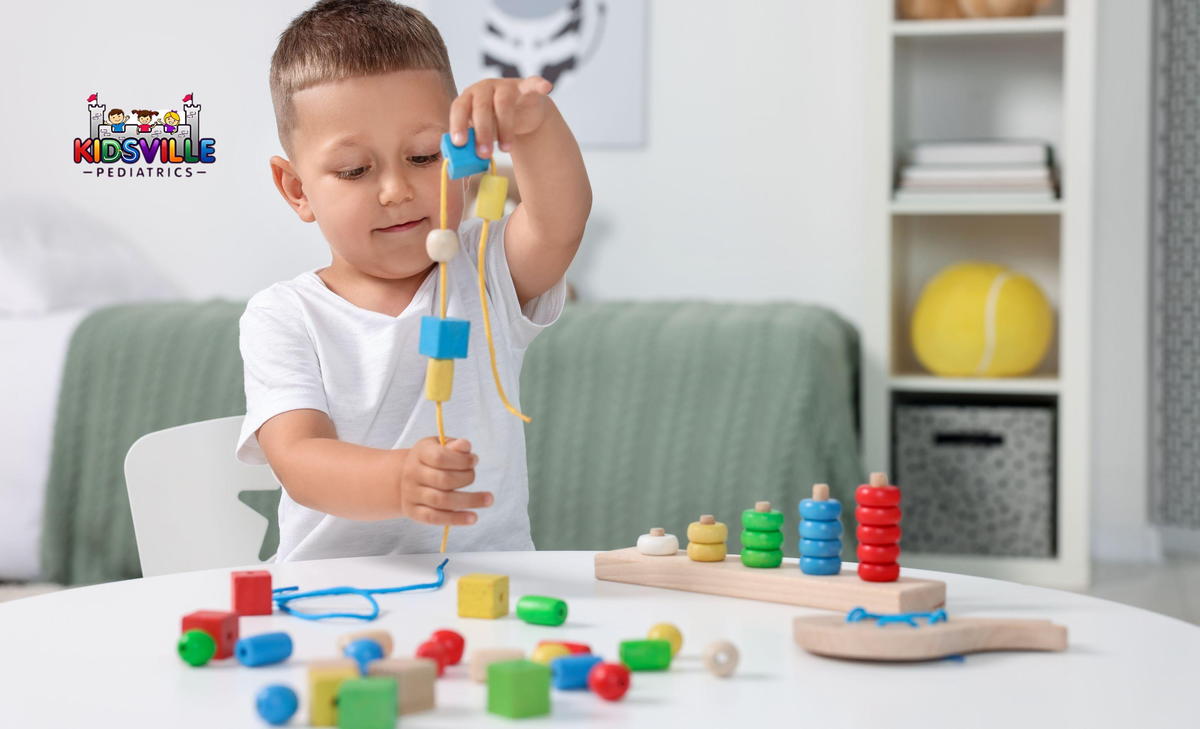
For younger children, music is often synonymous with movement. Clapping, dancing, or playing simple instruments like maracas and tambourines can significantly improve motor skills. These activities require hand-eye coordination, fine motor skills, and spatial awareness—all of which are essential for a child’s physical development.
Playing an instrument like the piano, violin, or guitar requires even more intricate motor skills. It involves precise finger movements, coordination between both hands, and, in some cases, using foot pedals. These activities fine-tune a child’s dexterity and hand coordination, which can translate to better performance in other areas that require precise movements, such as writing or sports.
6. Strengthens Academic Skills

The link between music and improved academic performance is well-documented. Children involved in music education often perform better in subjects like math and science. This connection is due to the way music engages the brain in mathematical thinking. For example, understanding rhythm, beat, and tempo involves recognizing patterns, fractions, and proportions—skills that are directly related to math.
In addition, reading musical notation requires similar skills to those used in reading books, such as recognizing symbols, patterns, and sequences. This crossover can enhance a child’s reading skills and foster better academic outcomes overall—a benefit well-recognized by the experts at Kidsville Pediatrics.
7. Builds Confidence and Social Skills

Performing music, whether in a school recital, a family gathering, or a casual jam session, requires a child to step out of their comfort zone. This act of performing can significantly boost a child’s confidence and self-esteem. Learning to play an instrument or sing also involves overcoming challenges, which teaches perseverance and resilience—key skills that benefit children throughout their lives.
Moreover, music is often a social activity. Whether playing in a school band, singing in a choir, or simply dancing with friends, children learn to collaborate, communicate, and work as a team. These social interactions, integral to pediatric care, build essential skills like empathy, cooperation, and patience.
8. Reduces Stress and Anxiety

Music calms both mind and body. Listening to soothing music can lower stress levels and reduce anxiety, creating a more peaceful environment for learning and development. This is especially important for children who might experience anxiety due to school pressures or social challenges.
For children, creating music can be a way to process emotions and relieve stress. Learning to play an instrument or participate in a musical activity can provide a sense of accomplishment, boost mood, and create a sense of well-being.
9. Introduces Cultural Awareness and Diversity

Music is also considered a universal language that transcends even the toughest cultural barriers. Exposing children to different types of music can foster a deeper understanding and appreciation of diverse cultures. McKinney pediatrics experts encourage activities like listening to world music, learning songs in different languages, or exploring traditional instruments to broaden a child’s perspective and teach them about the world’s rich cultural tapestry.
This exposure not only nurtures curiosity and open-mindedness but also helps children develop a sense of identity and belonging in a multicultural world.
10. Creates Lifelong Enjoyment and Skills

Beyond the developmental benefits, music instills a lifelong appreciation for the arts. Children who engage in music from a young age are more likely to continue enjoying it throughout their lives, whether as a hobby, a profession, or a form of relaxation. This lifelong engagement can enrich their quality of life and provide a creative outlet during challenging times.
Music also provides a sense of community and belonging. Whether it’s being part of a choir, attending concerts, or sharing playlists with friends, the joy of music is something that children can carry with them into adulthood.
How to Incorporate Music into Your Child’s Life
Integrating music into your child’s daily routine doesn’t have to be complicated. Here are a few simple ways to encourage musical engagement:
-
Play Different Genres: Introduce your child to a variety of music genres to broaden their horizons.
-
Sing Together: Singing nursery rhymes, lullabies, or pop songs can be a fun way to bond.
-
Instruments: Consider introducing simple musical instruments like a tambourine, ukulele, or keyboard.
-
Enroll in Music Classes: If possible, enroll your child in a local music class or lessons.
-
Create a Musical Environment: Keep musical toys, play instruments, and listen to music regularly at home.
Conclusion: Nurturing a Musically-Enriched Childhood
Music offers a treasure trove of benefits that extend beyond mere entertainment. At Kidsville Pediatrics, we understand that music shapes the brain, enhances emotional and social skills, and provides a joyful and meaningful way to connect with others. As parents, encouraging a musically-enriched environment can give children a head start in many areas of development. Whether it’s through listening, dancing, or playing, music can be a powerful and enjoyable tool for helping your child reach their full potential.
So, put on your child’s favorite song, clap along, and watch as the power of music bring about brain development by shaping their world in wonderful ways!
|
Click to Schedule An Appointment. Or visit/call our clinics: Kidsville Pediatrics Mansfield TX: 682-341-3910; 1759 Broad Park Circle S, Suite 201 & 205, Mansfield, TX Kidsville Pediatrics Southlake: 682-345-8010; 2813 W. Southlake Blvd Suite 100 Southlake, TX Kidsville Pediatrics McKinney: 469-885-9400; 5881 Virginia Pkwy. Suite 300 Mckinney, TX |


