
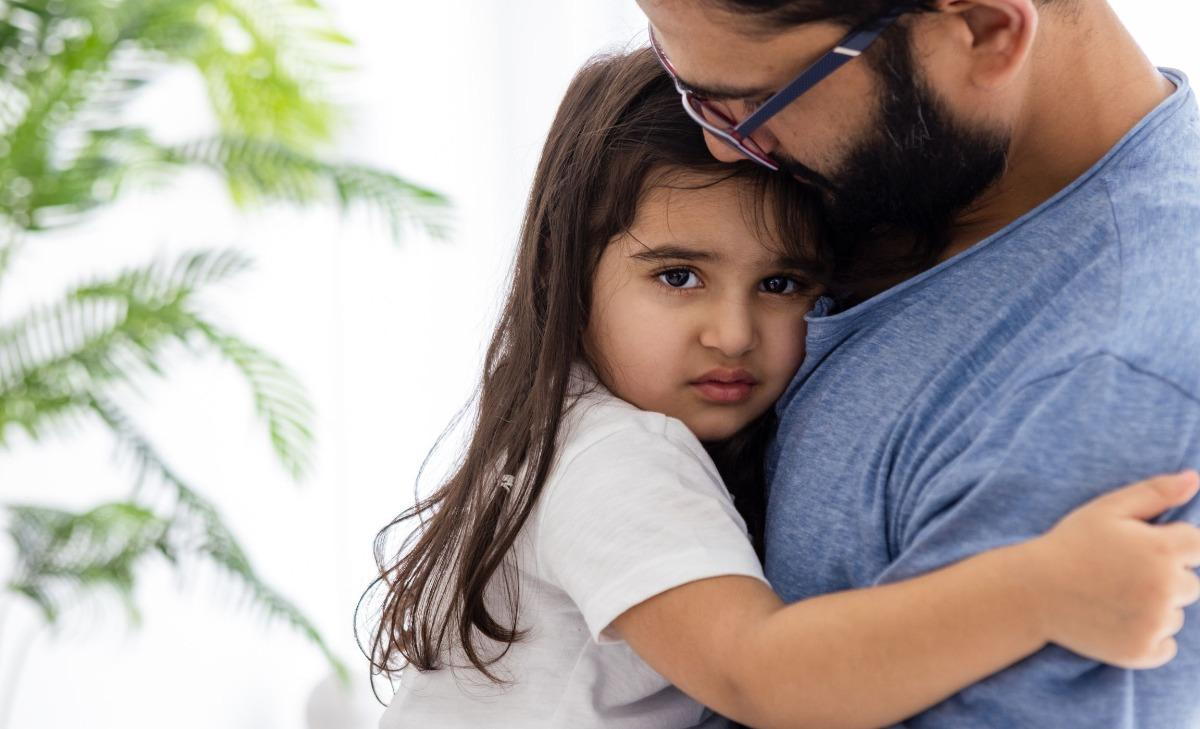
Separation anxiety is a normal developmental stage many children go through. Whether it’s a toddler’s distress when separated from a parent or an older child who struggles with going to school, this form of anxiety can be particularly challenging for both children and parents. It can affect daily routines, school attendance, and even social interactions.
However, there are several strategies and resources, like pediatric behavioral therapy, that can help ease the anxiety and make transitions smoother for children and caregivers alike.
Understanding Separation Anxiety
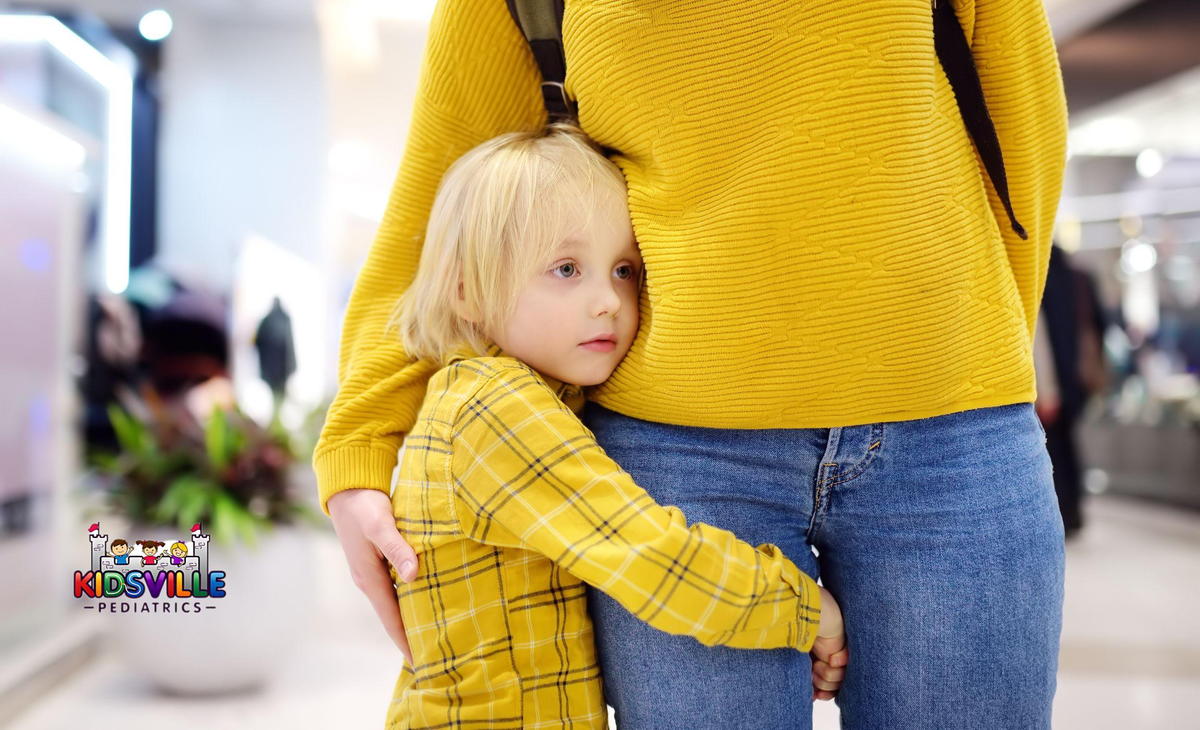
Separation anxiety typically begins when a child is around 6 to 8 months old and peaks between 12 and 18 months. During this period, children develop object permanence—the understanding that people and objects still exist even when they can’t see them. This new cognitive milestone, though significant, often leads to heightened distress during separations, as children feel insecure and worried about being away from their caregivers.
While separation anxiety is normal, it can sometimes extend into later childhood or become more intense, causing disruptions in school or family life. For some children, these feelings can become overwhelming, leading to emotional challenges that might require intervention. Pediatric behavioral therapy offers effective approaches to manage these feelings and can guide both parents and children through the coping process.
What Causes Separation Anxiety?
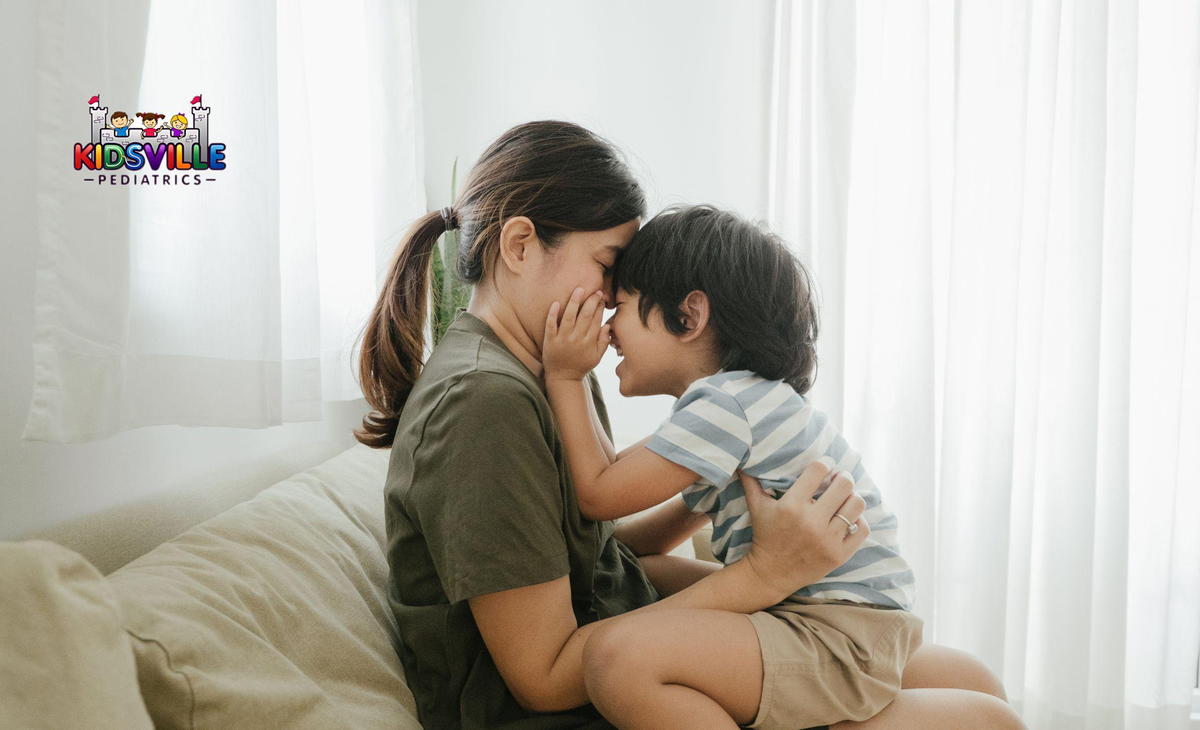
There are many factors that contribute to separation anxiety in children. Here are a few common causes:
-
Developmental Changes: As children grow, they begin to understand more complex concepts, including the idea that they could be left alone. This developmental shift can trigger anxiety, especially in children who are naturally more sensitive or cautious.
-
Life Changes: Major transitions, such as moving to a new home, starting school, or the arrival of a new sibling, can increase anxiety. These changes can make children feel insecure about their environment, intensifying their need for parental presence.
-
Parenting Styles: Parental anxiety or overprotectiveness can contribute to a child’s separation anxiety. If parents are anxious about leaving their children or show hesitation during separations, children may internalize these emotions and adopt similar fears.
-
Past Trauma or Loss: If a child has experienced a traumatic event such as the loss of a loved one or parental separation, they may develop heightened separation anxiety as a way of trying to prevent further loss.
Signs of Separation Anxiety

Children who are struggling with separation anxiety might display various signs that can help parents identify the issue early. Some common symptoms include:
-
Crying or clinging to a caregiver when it’s time to separate
-
Complaints of physical symptoms like headaches, stomachaches, or dizziness
-
Reluctance or refusal to go to school or daycare
-
Difficulty sleeping alone or needing a parent’s presence during bedtime
-
Frequent nightmares about separation
-
Excessive worry about losing a caregiver
While these behaviors can be typical in younger children, if they persist or worsen over time, it might be helpful to consider seeking professional help, including pediatric behavioral therapy, to address the issue more effectively.
Strategies for Helping Your Child with Separation Anxiety

Parents and caregivers play an essential role in helping children navigate separation anxiety. There are many strategies that can be effective in easing their fears and promoting smoother transitions. Here are some techniques to try:
-
Establish a Consistent Routine
Children thrive on routine. Knowing what to expect during the day can help reduce anxiety. Consistent bedtimes, meal times, and departure routines create stability, which is comforting for children. Routines help children understand that even when they separate from their caregivers, things will return to normal soon. -
Gradual Separation
Instead of diving straight into long periods of separation, try gradually increasing the time apart. For instance, leave your child with a trusted relative for short periods and then slowly extend the duration. This helps the child build confidence in their ability to handle separations. -
Create a Goodbye Ritual
A short, predictable ritual can give children the reassurance they need when parting. Whether it’s a special hug, a hand wave, or a phrase like “See you soon,” these small acts help the child understand that leaving doesn’t mean abandonment. -
Offer Comforting Objects
Allowing children to bring a comfort item, such as a favorite stuffed animal or blanket, can provide emotional support during times of separation. These items can help children feel more secure and offer reassurance during challenging moments. -
Validate Their Emotions
It’s essential to acknowledge the child’s feelings of fear and anxiety. Reassuring them that their feelings are okay—while still encouraging them to face the separation—can help children feel understood. Avoid dismissing their fears or saying “Don’t be scared”—instead, offer empathy with statements like, “I understand that you feel nervous, but I know you can do this.” -
Model Calmness and Confidence
Children are great imitators of emotions so it’s easy for them to pick up on their caregiver’s. If parents are anxious about leaving their child or if they delay departure to avoid distress, the child may begin to associate the situation with fear. Modeling calmness and confidence during separations can help children feel more at ease. -
Avoid Sneaking Away
While it may seem tempting to sneak away when the child isn’t looking, this can create feelings of mistrust. It’s better to say goodbye confidently and leave promptly, even if the child is upset. Reassure them that you will return and remind them of the positive routines in place. -
Encourage Independence
Promote small steps toward independence by encouraging your child to take part in activities on their own. Whether it’s playing with other children, going to a new class, or exploring new places, encouraging self-sufficiency helps build confidence in their ability to manage separations.
When to Seek Professional Help

While many children go through separation anxiety as a normal part of their development, it’s important to seek professional help when the anxiety becomes overwhelming or interferes with the child’s ability to function. Pediatric behavioral therapy is particularly beneficial when separation anxiety affects a child’s social, academic, or emotional well-being. Here are a few signs that require professional help:
-
Persistent Symptoms
If the separation anxiety doesn’t improve over time or seems to get worse, it may indicate that the child is struggling with more than just a phase. -
Interference with Daily Life
If the anxiety is so severe that it disrupts the child’s ability to go to school, participate in activities, or socialize, it’s important to seek intervention. -
Physical Symptoms
Ongoing physical complaints, such as frequent stomach aches or headaches, without a medical cause, may be a sign that the anxiety is affecting the child’s health. -
Unusual Behavior
If a child begins to display aggressive behaviors, withdrawal, or signs of depression in addition to anxiety, it’s time to consult a professional.
The Role of Pediatric Behavioral Therapy
Pediatric behavioral therapy is highly effective for managing separation anxiety. Cognitive-behavioral therapy (CBT), a common approach, helps children identify irrational thoughts and fears and replace them with more realistic perspectives. Through gradual exposure, CBT allows children to confront their fears in a controlled and safe manner, reducing anxiety over time.
Therapists work with both the child and their parents to reinforce healthy coping strategies. This approach empowers children to regain control of their emotions and build resilience. Parents are also educated on how to support their child effectively, fostering an environment that promotes emotional growth and confidence.
Pediatric Behavioral Health Near Me
Separation anxiety can be distressing, but with the right strategies and support, children can learn to manage their emotions and navigate separations with confidence. By implementing practical techniques at home and seeking professional help when necessary, parents can help their children build emotional resilience.
If separation anxiety continues to interfere with daily life, pediatric behavioral therapy provides effective tools and strategies for long-term success. Early intervention is key, ensuring that children can thrive emotionally and socially in their environments.
|
Click to Schedule An Appointment. Or visit/call our clinics: Kidsville Pediatrics Mansfield TX: 682-341-3910; 1759 Broad Park Circle S, Suite 201 & 205, Mansfield, TX Kidsville Pediatrics Southlake: 682-345-8010; 2813 W. Southlake Blvd Suite 100 Southlake, TX Kidsville Pediatrics McKinney: 469-885-9400; 5881 Virginia Pkwy. Suite 300 Mckinney, TX |


