

Urinary tract infections (UTIs) are a prevalent health concern among children, particularly infants and young children. These infections occur when bacteria invade the urinary tract, including the bladder, kidneys, ureters, or urethra. While UTI is more common in girls, boys, especially those who are uncircumcised, can also be affected. If left untreated, UTIs can lead to serious complications, including kidney damage and long-term health issues. This comprehensive guide explores the causes, symptoms, diagnosis, treatment, and prevention of pediatric UTIs to help parents and caregivers protect their child’s urinary health.
Causes of UTI in Children

Urinary tract infections (UTIs) happen when bacteria, typically Escherichia coli (E. coli), enter the urinary tract. These bacteria often come from the digestive system and travel from the anus to the urethra. Once inside, they can multiply rapidly, leading to infection and inflammation. Several factors increase the risk of developing a UTI in children, including:
-
Poor Hygiene: Inadequate cleaning after bowel movements can introduce bacteria into the urinary tract, particularly in young children who are still learning proper hygiene practices. Any Southlake pediatrician will emphasize that teaching children the correct way to clean themselves, especially after using the toilet, is essential for preventing bacterial contamination.
-
Holding Urine: Some children develop a habit of holding urine for prolonged periods, causing bladder stretching and incomplete emptying, which fosters bacterial growth. Encouraging regular bathroom breaks can significantly reduce this risk.
-
Constipation: A full bowel can press against the bladder, obstructing urinary flow and promoting bacterial multiplication. Addressing constipation with a balanced diet and adequate hydration helps maintain regular bowel movements.
-
Structural Abnormalities: Some children are born with anatomical abnormalities that make them more prone to UTIs, such as urethral narrowing or kidney malformations. Identifying these issues early can help develop a tailored care plan.
-
Vesicoureteral Reflux (VUR): This condition causes urine to flow backward from the bladder into the kidneys, significantly raising the risk of infection and potential kidney damage. Children diagnosed with VUR may require long-term monitoring and preventive care, which can be effectively managed by Southlake pediatrics experts.
-
Uncircumcised Boys: Male infants who are not circumcised may have a slightly higher risk of UTIs due to bacterial accumulation under the foreskin. Proper hygiene and regular cleaning can help mitigate this risk.
-
Use of Diapers: Prolonged exposure to moisture or soiling can create an environment conducive to bacterial growth, particularly in infants. Frequent diaper changes and maintaining dry, clean skin are crucial.
Symptoms of Pediatric UTIs

Identifying UTI symptoms in children can be challenging, especially in infants who cannot communicate discomfort. Symptoms vary by age and infection severity. Common signs include:
-
Infants:
-
Older Children:
-
Pain or burning during urination (dysuria)
-
Frequent urination despite low output
-
Lower abdominal or back pain
-
Cloudy, foul-smelling urine
-
Bedwetting or daytime accidents after potty training
-
Fever and chills (suggesting kidney involvement)
-
Complaints of abdominal discomfort or tenderness
-
Difficulty starting urination or weak urine stream
-
Diagnosing UTI in Children

Early diagnosis is crucial to prevent complications, such as pyelonephritis (kidney infection). Diagnosis typically involves gathering a detailed medical history, performing a physical exam, and conducting urine tests. Diagnostic methods include:
-
Urinalysis: Detects white blood cells, nitrites, and bacteria, indicating infection.
-
Urine Culture: Identifies the specific bacteria and helps determine the most effective antibiotic treatment.
-
Imaging Tests: In recurrent or severe cases, an ultrasound or voiding cystourethrogram (VCUG) may be conducted to detect structural issues or vesicoureteral reflux.
Collecting a urine sample can be challenging in non-toilet-trained children. A clean-catch method, catheterization, or bladder aspiration may be necessary to obtain an uncontaminated sample. In older children, midstream urine collection is usually preferred, as it reduces contamination and provides accurate diagnostic results. A pediatrician Southlake, TX professional can offer guidance and support to ensure the proper technique is used for accurate results.
Treatment of Pediatric UTI

Antibiotics are the primary treatment for UTIs in children. The choice of antibiotic depends on the identified bacteria and infection severity. Commonly used antibiotics include amoxicillin, cefixime, trimethoprim-sulfamethoxazole, and ciprofloxacin.
Duration of Treatment:
-
Uncomplicated Lower Tract Infections: Usually treated for 7 to 10 days.
-
Upper Tract Infections (Kidney Involvement): May require 10 to 14 days of therapy.
-
Recurrent or Resistant Infections: Longer or combination antibiotic regimens may be necessary.
In some cases, a follow-up urine culture may be recommended to ensure the infection has been completely eradicated. This is particularly important for children who have recurrent infections or are at high risk for complications. Completing the full course of antibiotics is crucial, even if symptoms resolve early. Discontinuing treatment prematurely can cause relapse or bacterial resistance. In severe cases, hospitalization may be required to administer intravenous antibiotics and manage complications. For expert care and guidance, families can turn to Kidsville Pediatrics Southlake to ensure the best outcomes for their children.
Complications of Untreated UTI
If not treated promptly, UTIs can lead to significant health issues, including:
-
Pyelonephritis: An infection that reaches the kidneys, causing fever, chills, and flank pain.
-
Renal Scarring: Permanent damage to kidney tissue, which can affect long-term function.
-
Hypertension: Kidney damage from recurrent infections can lead to high blood pressure.
-
Chronic Kidney Disease: Persistent kidney damage may progress to chronic disease.
-
Urosepsis: A life-threatening condition where the infection spreads to the bloodstream, causing severe systemic illness.
Preventing UTI in Children
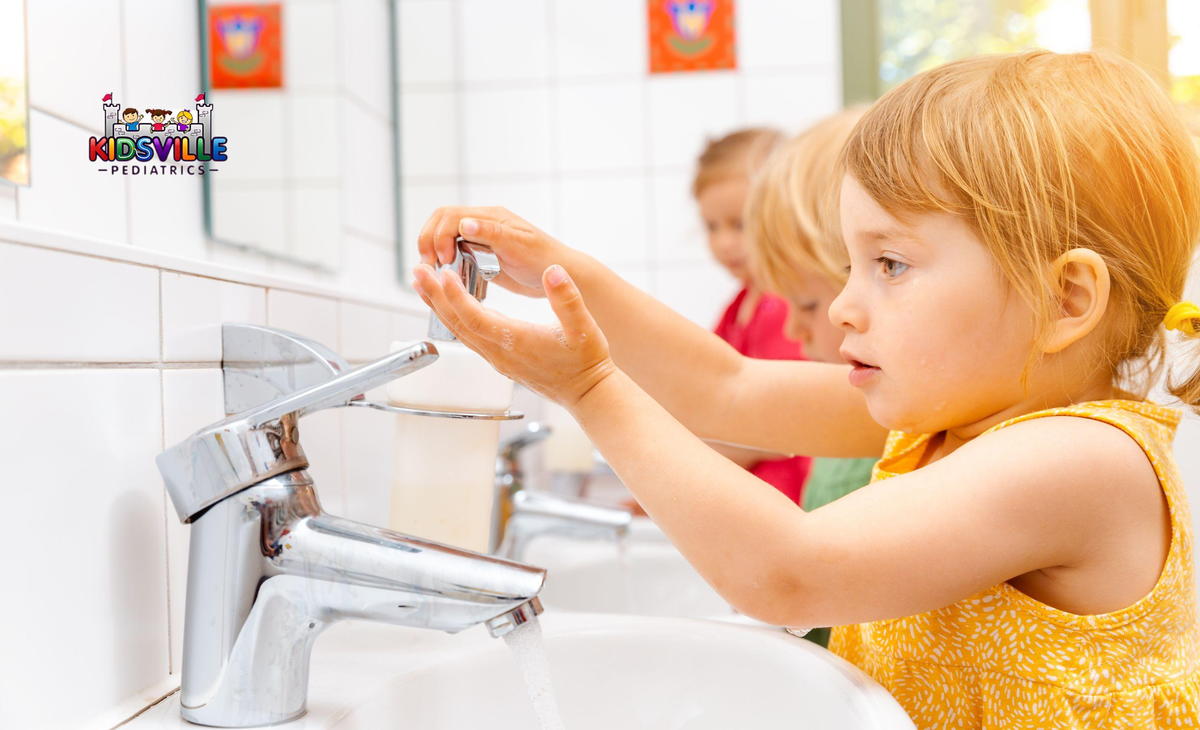
Prevention is essential to reduce the risk of recurrent UTIs, especially in susceptible children. Key preventive strategies include:
-
Promoting Hygiene:
-
Teach children to wipe from front to back to reduce bacterial migration.
-
Change diapers frequently to avoid prolonged moisture exposure.
-
-
Encouraging Regular Urination:
-
Educate children on not holding urine for long periods.
-
Establish regular bathroom breaks, particularly during toilet training.
-
-
Keeping Children Hydrated:
-
Offer plenty of fluids to help flush bacteria from the urinary system.
-
Water is the best choice, but some diluted fruit juices may also help.
-
-
Preventing Constipation:
-
Serve fiber-rich foods and encourage physical activity to maintain regular bowel movements.
-
Consider discussing stool softeners with a healthcare provider if constipation persists.
-
-
Monitoring for Recurrence:
-
Keep track of any recurrent symptoms and discuss potential underlying conditions with a healthcare provider.
-
When to Seek Medical Attention: Kidsville Pediatrics Southlake
Parents should promptly seek medical care if their child exhibits symptoms such as fever, back pain, vomiting, or unusual fatigue. Additionally, any signs of blood in the urine, persistent abdominal pain, or difficulty urinating should not be ignored. Quick intervention can help minimize kidney involvement and prevent long-term complications. For timely and professional care, visit our Southlake clinic which provides excellent pediatric health care to ensure your child receives the attention they need.
Urinary tract infections in children can be distressing and potentially harmful if left untreated. With early diagnosis, appropriate treatment, and preventive measures, most children recover fully without lasting effects. Educating parents about recognizing symptoms, promoting hygiene, and seeking prompt medical care is vital for maintaining their child’s urinary health. Should you suspect your child has a UTI, contacting your Southlake pediatrician without delay is the best course of action.


