
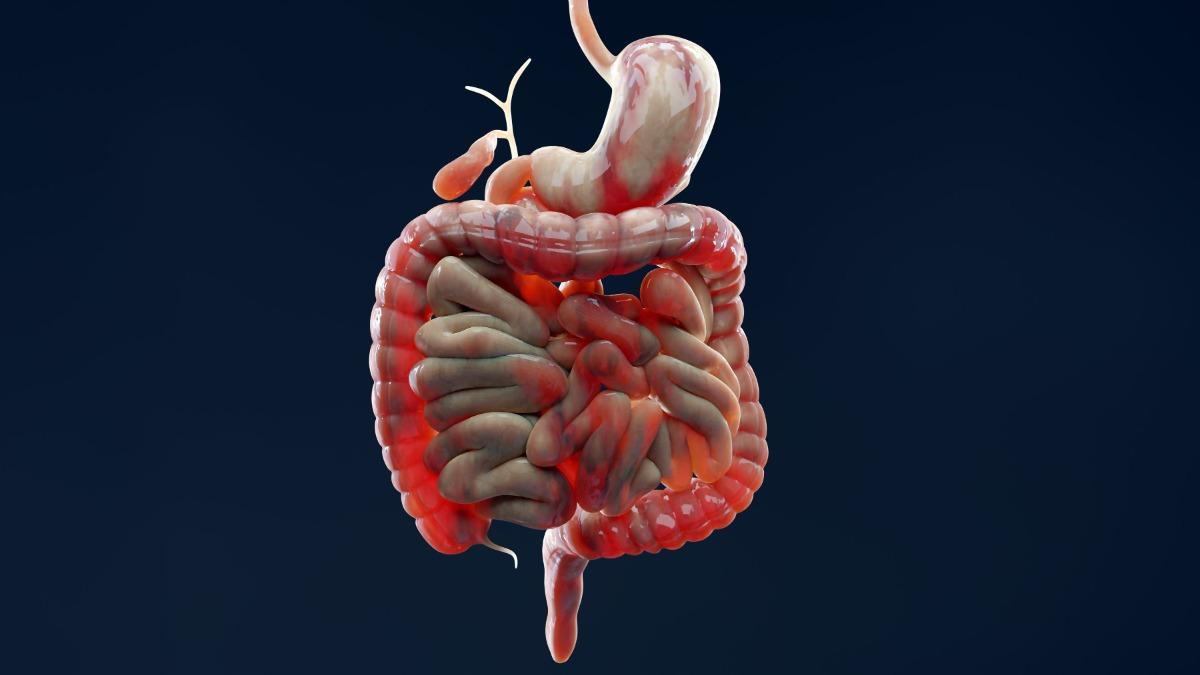
Every year on May 29, the global medical community and the public come together to observe World Digestive Health Day (WDHD). This annual event, spearheaded by the World Gastroenterology Organisation (WGO), aims to raise awareness about the importance of digestive health and to promote strategies for the prevention, diagnosis, and management of digestive disorders.
World Digestive Health Day: Origins and Significance
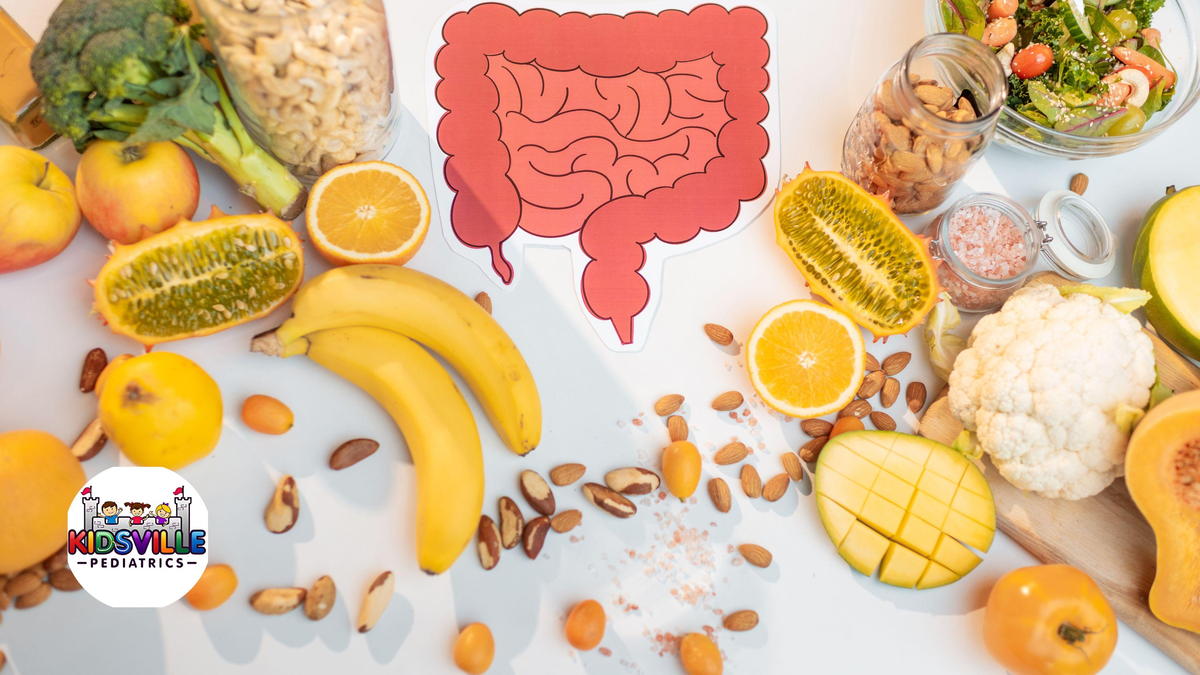
The inception of WDHD traces back to 2004, marking the 45th anniversary of the WGO’s founding on May 29, 1958. The WGO, originally called the Organisation Mondiale de Gastroentérologie (OMGE), was founded at the inaugural World Congress of Gastroenterology, which took place in Washington, D.C. This pivotal event brought together leading gastroenterologists from around the world to foster collaboration and advance the field of gastroenterology.
Today, the WGO encompasses over 100 member societies and represents more than 50,000 individual members globally. Its mission extends beyond professional collaboration, focusing on improving standards in gastroenterology training, education, and public awareness—a goal shared by healthcare professionals worldwide, including Southlake pediatricians who prioritize early digestive care in children.
Themes Through the Years
Every year, WDHD focuses its efforts on a specific theme to highlight digestive health issues. These themes guide educational campaigns, research initiatives, and public outreach efforts. Notable themes from recent years include:
-
2025: Your Digestive Health: Nourish to Flourish – Emphasizing the role of nutrition and lifestyle in maintaining digestive well-being
-
2024: Your Digestive Health: Make It a Priority – Encouraging proactive management of digestive health
-
2022: Colorectal Cancer Prevention – Highlighting the importance of early detection and prevention strategies
-
2021: Obesity: An Ongoing Pandemic – Addressing the global rise in obesity and its impact on the digestive system
-
2020: Gut Microbiome: A Global Perspective – Exploring the significance of gut microbiota in overall health
These themes not only reflect current challenges but also aim to educate the public and healthcare professionals, including the dedicated Southlake pediatrician community, about emerging trends and research in gastroenterology.
Scientific Advancements and Research Highlights

WDHD serves as a catalyst for scientific discourse and research dissemination. Over the years, it has spotlighted groundbreaking studies and fostered global collaborations.
Gut Microbiota and Neurodegenerative Diseases
Research indicates that the gut microbiome could play a role in how neurodegenerative diseases like Parkinson’s and Alzheimer’s develop and progress. Understanding this gut-brain axis could pave the way for novel therapeutic approaches that link mental wellness with digestive health.
Nutritional Interventions
The role of diet in digestive health has been a recurring focus. Emphasis on balanced nutrition, hydration, and mindful eating habits underscores the preventive aspect of managing gastrointestinal disorders. Educational campaigns advocate for dietary choices that support gut health, aiming to reduce the prevalence of conditions like irritable bowel syndrome, acid reflux, and inflammatory bowel disease.
Global Engagement and Activities
WDHD offers a plethora of activities globally, including:
-
Educational Seminars: Healthcare institutions host workshops and lectures to disseminate knowledge about digestive health
-
Public Awareness Campaigns: Media outlets and social platforms are leveraged to spread information and encourage healthy practices
-
Screening Programs: Free or subsidized screenings for digestive disorders are organized to promote early detection
-
Community Events: Interactive sessions, such as Q&A forums and health fairs, engage the public in discussions about gut health
These initiatives aim to bridge the gap between medical professionals and the public, fostering a collaborative approach to digestive wellness—an approach embraced by any Southlake pediatric clinic in promoting early education and care.
The Importance of Digestive Health
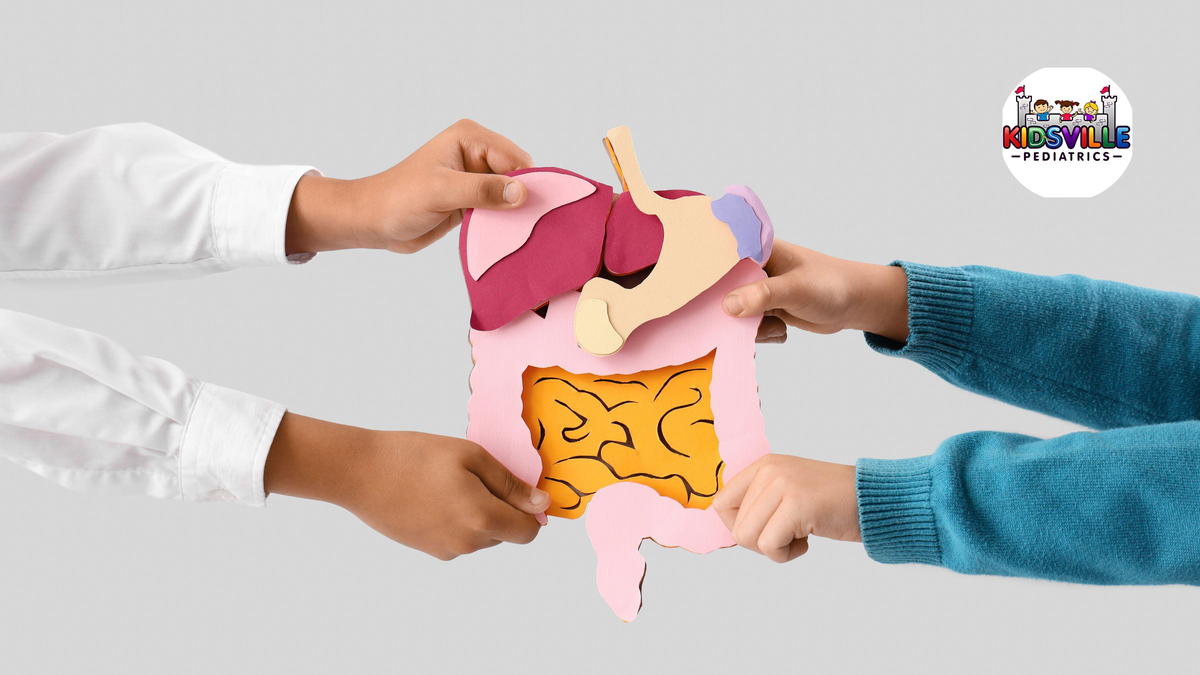
Digestive health is integral to overall well-being. The digestive system’s roles include breaking down food, absorbing essential nutrients, supporting immune regulation, and removing waste from the body. It also plays a key role in regulating hormones and facilitating communication with the brain through the vagus nerve.
When this system functions properly, it enhances the body’s energy levels, mental clarity, and immune response. However, a poor digestive system can manifest in various ways, from mild discomfort such as bloating and indigestion to more serious issues like chronic constipation, Crohn’s disease, or even colorectal cancer.
Tips for Maintaining a Healthy Digestive System
Preventive care and daily habits make a significant difference in supporting the digestive system. Here are key tips to promote optimal gut function:
1. Eat a Fiber-Rich Diet
Include both soluble and insoluble fiber from sources like fruits, vegetables, legumes, whole grains, and seeds. Fiber adds bulk to the stool, promoting regular bowel movements and supporting gut bacteria.
2. Stay Hydrated
Water aids digestion by helping dissolve fats and soluble fiber, allowing food to pass through more easily. Drinking adequate water also prevents constipation.
3. Incorporate Probiotics and Prebiotics
Probiotics are beneficial bacteria found in fermented foods like yogurt, kefir, kimchi, and sauerkraut. Prebiotics, which are present in foods like garlic, onions, bananas, and oats, serve as nourishment for beneficial bacteria. Together, they create a balanced gut microbiome, essential for strong digestive health.
4. Eat Mindfully and Chew Thoroughly
Rushed meals or poor chewing can overwhelm the digestive system. Take your time, eat in a calm environment, and chew food thoroughly to initiate proper enzymatic breakdown—advice often emphasized by a trusted pediatrician Southlake professional for promoting healthy habits early in life.
5. Limit Processed Foods and Sugars
Highly processed foods, artificial sweeteners, and trans fats can disrupt the gut microbiota and inflame the gastrointestinal lining. Choose whole, natural foods as often as possible.
6. Exercise Regularly
Exercise promotes healthy intestinal activity and helps prevent slow or sluggish digestion. Even simple walks after meals can enhance metabolism and bowel regularity.
7. Manage Stress
Chronic stress can disrupt the brain-gut connection, leading to symptoms such as cramping, bloating, and altered bowel movements. Mindfulness, meditation, and deep-breathing techniques are helpful tools to protect digestive health.
8. Avoid Smoking and Limit Alcohol
Smoking weakens the lower esophageal sphincter, contributing to acid reflux and ulcers, while excessive alcohol irritates the gastrointestinal lining and disrupts enzyme activity.
9. Establish a Routine
Eating at consistent times and maintaining a daily rhythm in meal timing and bathroom habits can train the body to function more efficiently.
10. Get Regular Screenings
Routine screenings like colonoscopies or H. pylori tests can help catch early signs of disease before they progress.
Digestive Health Benefits

Maintaining a balanced digestive system goes far beyond reducing bloating or heartburn. The benefits of a healthy gut include:
Improved Immunity
More than 70% of the immune system is found in the gut. A balanced microbiome helps fend off infections and inflammation, reducing the risk of illness.
Enhanced Mood and Mental Health
The gut produces neurotransmitters like serotonin and dopamine, which directly affect mood. A healthy gut decreases any signs of anxiety and depression.
Better Nutrient Absorption
Efficient digestion ensures that the body gets the vitamins, minerals, and antioxidants it needs for optimal energy, metabolism, and cellular repair—a core focus in every well-rounded pediatric clinic committed to lifelong health.
Reduced Risk of Chronic Disease
Balanced digestion lowers the risk of chronic illnesses like diabetes, obesity, fatty liver disease, and cardiovascular conditions.
Clearer Skin and Fewer Allergies
Gut imbalances have been linked to cases of acne, eczema, and food allergies. A well-functioning digestive tract can reduce systemic inflammation and allergic responses.
Improved Sleep Quality
A calm gut supports hormone regulation, including melatonin production, helping to improve the quality and consistency of sleep.
Best Pediatrician Near Me: Kidsville Pediatrics Southlake

World Digestive Health Day on May 29 serves as a reminder of the vital role our digestive system plays in maintaining health. Through global collaboration, education, and research, WDHD continues to promote awareness and encourage proactive measures for digestive health.
As we observe this day, let us commit to nourishing our bodies, staying informed, and supporting initiatives that advance digestive health for all.