
Navigating childhood can be a whirlwind of discovery and growth, but for many children, it’s also a time of encountering fears and anxieties. Understanding and addressing these fears is crucial for parents and caregivers alike. In this exploration, we delve into a topic close to every parent’s heart: the most common phobias in children. From the fear of the dark to anxieties about monsters under the bed, childhood phobias can manifest in various ways, impacting daily life and emotional well-being.
At Kidsville Pediatrics Southlake, we recognize the importance of supporting children through these challenges, providing insights and strategies that empower families to foster resilience and confidence in their young ones. Join us as we uncover the nuances of childhood fears and unveil practical approaches to help children thrive emotionally and mentally. Whether it’s fear of animals, heights, or social situations, understanding these phobias is the first step toward creating a supportive environment where children can grow and flourish. Stay tuned for valuable insights and expert guidance on navigating childhood phobia with compassion and effectiveness.
Phobia in Kids: Definition, Causes, and Symptoms
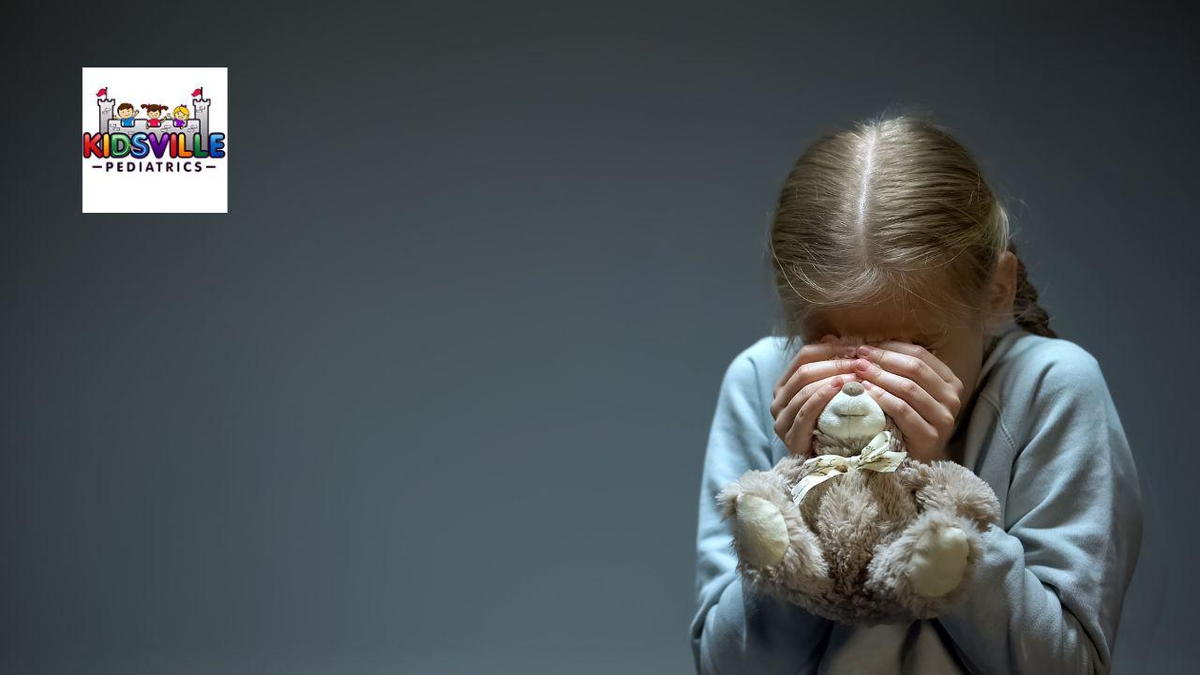
Phobia, according to Merriam-Webster, is “an exaggerated, usually inexplicable and illogical fear of a particular object, class of objects, or situation”.
Specific phobias in children often stem from negative experiences or traumatic events related to specific objects, situations, or creatures. These experiences can leave lasting impressions that trigger intense fear responses, even in benign situations.
Our minds have a curious knack for fearing things that, logically, pose no real threat. Whether it’s the harmless garter snake in the garden or the routine jab of a needle, our fear responses can often defy reason. Even the seemingly safe act of flying can trigger intense anxiety in kids and adults, alike. These irrational and overwhelming reactions are what we call phobias.
Phobias are defined by a profound, often uncontrollable fear of specific objects or situations. They’re categorized by technical terms beginning with Greek or Latin roots, ending with the suffix “-phobia.” Examples include ophidiophobia (fear of snakes), trypanophobia (fear of injections), and aviophobia (fear of flying).
A Historical Perspective on Phobias
 Public Domain image: Hippocrates
Phobias have a rich and complex history that stretches back thousands of years. The ancient Greek physician Hippocrates, in his works from 470-410 B.C.E., documented cases of phobic reactions among his patients. One notable account involved a man named Nicanor, who experienced intense fear triggered by flute music, particularly at night.
The term “phobia” itself emerged much later, around 500 years after Hippocrates, coined by the Roman physician Celsus. He used “hydrophobia” to describe an aversion to water in individuals suffering from rabies. The term “phobia” derives from Phobos, the Greek god of fear, symbolizing the intense and irrational nature of these reactions.
Evolution of Understanding
Modern understanding of phobias began to take shape in the 18th century, with the term “phobia” appearing in the English language in 1786. By the late 19th century, medical science started delineating clear categories for psychological disorders, marking a pivotal moment in the recognition and classification of phobias.
Sigmund Freud, the pioneering neurologist and psychoanalyst, contributed significantly to the understanding of phobias. He observed that phobias could stem from unconscious conflicts within the mind, often related to repressed desires and fears. Freud’s case study of young Hans, who developed a fear of horses after a traumatic event, highlighted the complex interplay between psychological trauma and phobic responses.
Modern Insights and Classification
In 1947, phobias gained recognition as a distinct diagnostic category in the International Classification of Diseases, later endorsed by the American Psychiatric Association in 1951. By the 1960s, phobias were broadly categorized into three types: agoraphobia (fear of open or crowded spaces), social phobia (fear of social situations), and specific phobias (fear of specific objects or situations).
Contemporary Understanding
Today, our understanding of phobias continues to evolve, integrating insights from both biological and psychological research. We recognize that phobias can arise from a complex interplay of genetic predispositions, learned behaviors, and environmental influences. Advances in neuroscience have shed light on the neurological underpinnings of phobias, revealing distinct patterns of brain activity and structure in individuals with specific phobias.
While the roots of phobias trace back millennia, our modern understanding has illuminated the intricate mechanisms that underlie these intense fear responses. By unraveling the biological and psychological factors at play, we strive to provide comprehensive support and effective treatments for individuals navigating the challenges posed by phobias. At Kidsville Pediatrics, we are committed to empowering children and families with the knowledge and resources to confront phobias and thrive emotionally and socially.
Genetic and Environmental Influences
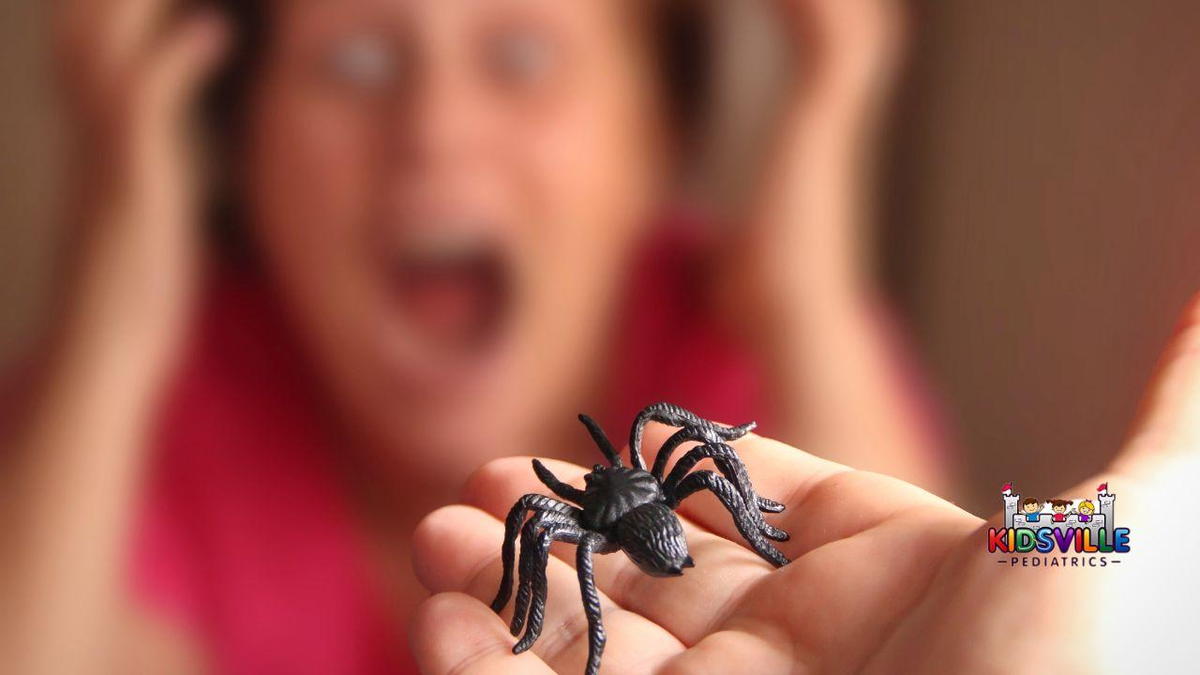
There is evidence suggesting a genetic predisposition to anxiety and specific phobias. Children of parents with anxiety disorders or specific phobias may inherit a heightened sensitivity to fear responses. Environmental factors, including learned behaviors and parental modeling of anxious reactions, also significantly influence a child’s susceptibility to developing specific phobias.
Neurological Underpinnings
Neurologically, specific phobias manifest through distinct patterns of brain activity and structure. Individuals with specific phobias often exhibit heightened activation in brain regions associated with fear and anxiety when exposed to their feared stimuli. This neurobiological response contributes to the intensity and persistence of phobic reactions.
Risk Factors for Developing Specific Phobias
Certain factors increase a child’s vulnerability to specific phobias. These include age, with phobias typically emerging during childhood and adolescence; family history of anxiety disorders; and individual temperament, such as heightened sensitivity or negative emotional states.
Impact on Children’s Lives
Specific phobias can profoundly impact a child’s life, leading to social isolation, academic difficulties, and challenges in forming friendships. Co-occurring mood disorders, like depression and generalized anxiety, are common and worsen emotional distress.
Complications Associated with Specific Phobias
Living with severe specific phobias can lead to maladaptive coping behaviors, such as substance misuse, and increase the risk of suicidal ideation. Family dynamics may be affected as caregivers navigate how to best support their child without reinforcing phobic behaviors.
Our Approach at Kidsville Pediatrics
At Kidsville Pediatrics, we take a comprehensive approach to specific phobias, emphasizing early identification, compassionate support, and evidence-based interventions tailored to each child’s unique needs. Through collaborative partnerships with families, we empower children to confront and manage their fears, promoting resilience and emotional well-being.
By fostering a supportive environment and providing therapeutic guidance, we aim to help children thrive and lead fulfilling lives, free from the constraints of fear. Our goal is to ensure that every child receives the necessary support to navigate specific phobias effectively and achieve optimal developmental outcomes.
Kids’ Phobia: Common Symptoms
Symptoms of a specific phobia can vary widely among adolescents but typically manifest when exposed to or anticipating a feared object or situation. These symptoms may include:
-
Increased heart rate
-
Sweating
-
Trembling or shaking
-
Shortness of breath
-
Feeling of choking
-
Chest pain or discomfort
-
Upset stomach
-
Dizziness or faintness
-
Fear of losing control or going crazy
-
Fear of dying
-
Numbness
-
Chills or hot flashes
During a panic attack associated with the phobia, at least four of these symptoms typically occur, whether or not there is a discernible trigger.
It’s important to note that symptoms of phobias can resemble other medical conditions or psychiatric issues. If your adolescent experiences these symptoms, consulting a pediatrician Southlake expert for an accurate diagnosis and appropriate treatment is recommended.
5 Most Common Phobias in Kids
1. Panic Attacks and Panic Disorder

A panic attack is a sudden, intense episode of fear accompanied by strong physical reactions, even in response to ordinary situations that are not threatening. During a panic attack, your kid may experience excessive sweating, difficulty breathing, and a sensation of rapid heartbeats, often resembling symptoms of a heart attack. Panic attacks are characteristic of panic disorder but can also occur alongside other conditions, including anxiety disorders, mood disorders, phobias, psychotic disorders, substance use disorders, trauma- and stressor-related disorders, and certain medical conditions. While panic attacks themselves are not physically harmful, frequent occurrences can significantly impact your child’s quality of life and overall well-being.
What distinguishes a panic attack from an anxiety attack is primarily the abrupt onset of symptoms without specific triggers. Anxiety attacks, on the other hand, often develop gradually in response to identifiable stressors and may include symptoms like a racing heart and gastrointestinal discomfort, which are generally less severe but longer-lasting compared to panic attacks. Panic disorder is an anxiety disorder characterized by recurrent and unexpected panic attacks. These attacks typically occur without a clear external trigger and are not attributed to another mental health condition or physical ailment. It’s important to note that not everyone who experiences a panic attack will develop panic disorder.
The prevalence of panic attacks is notable, affecting up to 11% of individuals in the United States annually. Approximately 2% to 3% of the U.S. population experiences panic disorder, with individuals assigned female at birth being twice as likely to be affected compared to those assigned male at birth. Understanding the nature of panic attacks and panic disorder is crucial for recognizing and managing these conditions effectively. Seeking professional guidance from Kidsville Pediatrics Southlake is a good first step to accurately diagnose and create treatment planning tailored to your kid’s needs.
2. Agoraphobia

Agoraphobia typically starts with anxiety triggered by specific situations rather than a broad fear of outdoor spaces. Common triggers include:
Public Transportation and Crowds: Fear of being in buses, trains, planes, or crowded places.
Enclosed Spaces: Anxiety in elevators, small rooms, or enclosed environments.
Open Spaces: Apprehension in open areas like bridges, parking lots, or expansive public spaces.
Queues and Crowded Areas: Discomfort and anxiety when standing in lines or navigating through crowds. People with agoraphobia fear that something distressing will happen in these situations, and they won’t be able to escape or find help. This fear often leads to:
Panic Attacks: Sudden, intense episodes of physical sensations such as rapid heartbeat, sweating, shaking, dizziness, and shortness of breath. These are accompanied by overwhelming fears of losing control, experiencing a medical emergency, or even dying.
Avoidance Behavior: Avoiding places or situations where panic attacks have occurred in the past, which can further reinforce agoraphobic tendencies. Diagnosing agoraphobia in children can be challenging, as symptoms may resemble other anxiety disorders like separation anxiety or social anxiety.
Signs include:
Reluctance and Avoidance: Children may resist leaving home or attending school, citing fears that are difficult to articulate.
Misunderstanding as Other Disorders: Symptoms may be mistaken for school refusal or social anxiety, highlighting the need for a thorough evaluation by a mental health professional.
For accurate diagnosis and personalized treatment strategies, consider consulting with a pediatrician in Southlake who specializes in child anxiety disorders.
3. Social Phobia in Children

Social phobia, also known as social anxiety disorder, is characterized by an intense fear of social situations where individuals may feel embarrassed, humiliated, or excessively scrutinized. This fear leads them to avoid social interactions altogether or endure them with overwhelming anxiety and distress. Consequently, they may have limited social circles and participate minimally in social activities.
The initial signs of social anxiety disorder in adolescents may manifest as excessive worry before social events or meticulous preparation for tasks like class presentations. In younger children, symptoms might appear as tantrums, crying, freezing, clinging to caregivers, or withdrawing in social settings.
These behaviors can escalate into avoidance behaviors such as refusal to attend school, avoidance of parties, or reluctance to eat in front of others. Complaints often revolve around physical symptoms like stomach aches or headaches, leading to frequent medical evaluations. Children affected by social anxiety disorder harbor intense fears of embarrassing themselves in front of peers. They worry about giving incorrect answers, saying something inappropriate, feeling embarrassed, or even vomiting in social situations. Sometimes, the disorder can develop following a distressing or embarrassing incident. In severe cases, children may avoid activities like talking on the phone or leaving the safety of their home altogether.
It’s important to distinguish social phobia from shyness. Shy children may feel uneasy or reserved in social settings but typically do not go to great lengths to avoid them. Moreover, shyness tends to diminish as the child becomes more accustomed to the situation. In contrast, social phobia significantly impairs a child’s or teenager’s daily life, affecting their ability to navigate school and maintain relationships. To receive a diagnosis of social phobia, symptoms must persist for at least six months, demonstrating a chronic and impactful pattern of social fear and avoidance.
For personalized assessment and effective treatment strategies, consult a pediatrician in Southlake TX who specializes in childhood anxiety disorders.
4. Trypanophobia or Fear of Medical Needles

Trypanophobia is an intense fear specifically centered around needles used in medical settings, such as during vaccinations or other medical procedures. While similar to a general fear of needles, trypanophobia causes heightened anxiety and fear specifically related to medical injections.
Impact on Health
The impact of trypanophobia on health can be significant, potentially leading individuals to avoid necessary medical appointments or vaccinations. If you struggle with a fear of needles, it’s advisable to discuss this with your healthcare provider. They can collaborate with you to develop strategies to manage the fear effectively, ensuring you receive the essential medical care you need.
Causes of Fear of Needles
The exact cause of trypanophobia isn’t singularly defined, but several factors may contribute to its development:
-
Other Anxiety Disorders: Individuals with generalized anxiety disorder or obsessive-compulsive disorder (OCD) may be more prone to needle phobia.
-
Family History: A history of phobias in the family can increase the likelihood of developing trypanophobia.
-
Related Phobias: Conditions like germaphobia or hypochondria, which involve fear of germs or undiagnosed medical conditions, may exacerbate fear of medical procedures involving needles.
-
Traumatic Experiences: Past negative experiences associated with needles, such as painful medical procedures, can contribute to the development of this phobia.
Prevalence of Fear of Needles
Fear of needles is prevalent in both children and adults. Studies indicate that approximately two-thirds of children and one-quarter of adults experience some form of needle phobia.
Overcoming Trypanophobia
While some individuals may struggle with trypanophobia long-term, there are effective strategies to help manage and reduce symptoms associated with the fear of needles:
-
Change of Environment: Request a private or less crowded setting for vaccinations to minimize anxiety triggers. Some healthcare providers, like those at Kidsville Pediatrics Southlake, offer drive-thru options where you can stay in your vehicle.
-
Education and Preparation: Discuss the vaccination or procedure details with your healthcare provider beforehand. Knowing what to expect can alleviate anxiety. Consider practicing with a trusted person to simulate the experience and practice relaxation techniques.
-
Pain Management: Communicate any concerns about pain with your healthcare provider. Options such as numbing creams or ointments, along with breathing exercises and visualization techniques, can help reduce discomfort and anxiety.
-
Language Modification: If specific terms like “shot” heighten anxiety, ask your healthcare team to use alternative language, such as “poke,” that may be less triggering.
-
Therapeutic Support: Behavioral therapies, such as exposure therapy, offered by a mental health professional can help desensitize fears in a controlled and supportive environment.
By addressing trypanophobia proactively and working closely with healthcare providers, individuals can navigate medical procedures more comfortably and confidently.
5. Separation Anxiety Disorder
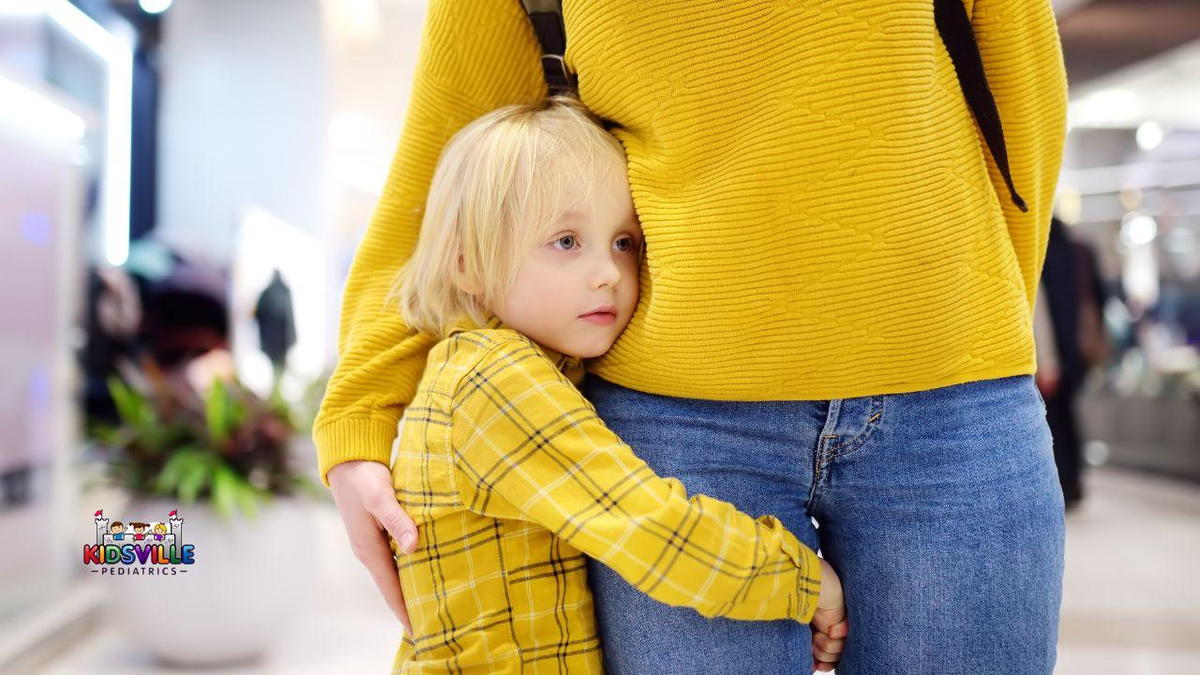
Separation Anxiety Disorder (SAD) is a type of mental health issue where a child experiences excessive worry about being apart from family members or close individuals. The child fears being separated from their family or imagines something bad happening to them if they are not nearby.
While anxiety is a normal part of childhood development, separation anxiety becomes concerning when symptoms persist and intensify beyond what is typical for a child’s age. Symptoms must persist for at least 4 weeks for a diagnosis of SAD.
Causes of Separation Anxiety Disorder
Experts suggest that SAD may arise from a combination of biological and environmental factors. Genetic predisposition to anxiety, as well as imbalances in brain chemicals like norepinephrine and serotonin, are believed to contribute. Children can also learn anxiety from family members or other influential figures, and traumatic experiences may trigger or exacerbate SAD.
Risk Factors for Separation Anxiety Disorder
SAD affects both genders equally. Children with a family history of anxiety disorders are at higher risk of developing SAD.
Symptoms of Separation Anxiety Disorder
Symptoms of SAD typically emerge around third or fourth grade, often following a period away from school, such as during holidays or after prolonged illness. Symptoms vary among children but commonly include:
-
Refusal to sleep alone
-
Recurrent nightmares about separation
-
Excessive worry when apart from home or family
-
Overconcern about the safety of family members
-
Fear of getting lost from family
-
Avoidance of school
-
Reluctance to be alone
-
Frequent physical complaints like stomach aches or headaches
-
Muscle tension or aches
-
Excessive worry about personal safety
-
Anxiety about sleeping away from home
-
Extreme clinginess, even at home
-
Panic attacks or tantrums during separations from caregivers
These symptoms can resemble other health issues, so it’s important for your child to receive a thorough evaluation from a healthcare provider for an accurate diagnosis of SAD.
Phobias: Diagnosis and Treatment
You can begin by consulting with your primary care provider. Depending on your needs, you may also benefit from seeing a mental health professional, such as a psychiatrist or psychologist, who specializes in diagnosing and treating specific phobias.
Diagnosing a specific phobia typically involves:
-
Assessment of risk factors: Your healthcare or mental health professional will discuss factors that may contribute to your phobia.
-
Symptom evaluation: They will ask about your specific fears and behaviors, and take into account your medical, mental health, and social history.
-
Identifying avoidance behaviors: Understanding what situations you avoid due to your fear is crucial in diagnosis.
Treatment
The primary treatment for specific phobias is exposure therapy, a type of therapy that focuses on gradually exposing you to the source of your fear in a controlled manner. Additionally, your healthcare provider may suggest other therapies or medications as part of your treatment plan. The focus is on managing and reducing avoidance behaviors that have developed over time.
The goal of treatment is to enhance your quality of life by reducing the impact of your phobias. As your kid learns to manage his responses, thoughts, and feelings, your anxiety and fear will diminish, allowing him to regain control over his life. Typically, treatment addresses one specific phobia at a time.
Talk Therapy
Effective talk therapies for specific phobias include:
-
Exposure Therapy: This approach helps you change your response to the feared object or situation through gradual and repeated exposure. For instance, if you fear elevators, therapy might progress from imagining being in an elevator, to viewing pictures of elevators, to standing near an elevator, and eventually riding in one.
-
Cognitive Behavioral Therapy (CBT): CBT combines exposure therapy with techniques to challenge and manage your fears differently. It helps you confront uncomfortable feelings and develop a sense of mastery and confidence.
Medications
While exposure therapy is often successful, medications can sometimes alleviate symptoms of anxiety and panic related to specific phobias. These may be used temporarily or in specific situations, such as public speaking or medical procedures:
-
Beta Blockers: These drugs block adrenaline’s stimulating effects, like increased heart rate and shaking, which anxiety causes.
-
Sedatives: Benzodiazepines help relax you by reducing anxiety. They are used cautiously due to their potential for addiction, especially if you have a history of substance use.
Additional Information
Your pediatrician Southlake TX expert can recommend lifestyle changes and strategies to manage anxiety caused by specific phobias. Techniques such as mindfulness, relaxation exercises (like deep breathing or yoga), and regular physical activity may complement your treatment.
Coping and Support
Professional treatment can help you overcome or effectively manage specific phobias, preventing them from controlling your life. You can also take steps on your own:
-
Gradual exposure: Practice being near feared objects or situations, with support from family, friends, and your therapist.
-
Join support groups: Connecting with others facing similar challenges can provide valuable support and encouragement.
-
Self-care: Prioritize rest, nutrition, and physical activity, while minimizing caffeine intake to reduce anxiety.
Helping Your Child Cope with Fears
As a parent, you play a vital role in helping your child manage fears:
-
Open communication: Discuss your child’s fears openly and offer reassurance without minimizing their feelings.
-
Avoid reinforcing fears: Encourage gradual exposure to feared objects or situations to build bravery.
-
Model positive behavior: Show your child how to cope with fears constructively by facing your own fears with courage.
If your child’s fears persist or significantly impact daily life, seek guidance from their healthcare provider or a mental health professional.
Prevention
If you have a specific phobia, seeking treatment can help prevent passing fears onto your children. Addressing your own fears proactively can teach children valuable strategies for facing fears and taking brave actions.
Preparing for Your Appointment
Prepare for your phobia preventive measures Kidsville Pediatrics Southlake appointment by compiling information about your symptoms, triggers, and any current medications. Write down questions to ask your doctor to make the most of your time together, such as about treatment options, expected outcomes, and potential side effects.
Don’t hesitate to seek clarification or ask additional questions during your appointment to ensure you have a clear understanding of your diagnosis and treatment plan.
You may schedule an appointment online: https://www.kidsvillepeds.com/appointment/
Or visit/call our clinics:
Kidsville Pediatrics Mansfield TX: 682-341-3910; 1759 Broad Park Circle S, Suite 201 & 205, Mansfield, TX
Kidsville Pediatrics Southlake: 682-345-8010; 2813 W. Southlake Blvd Suite 100 Southlake, TX
Kidsville Pediatrics McKinney: 469-885-9400; 5881 Virginia Pkwy. Suite 300 Mckinney, TX


