
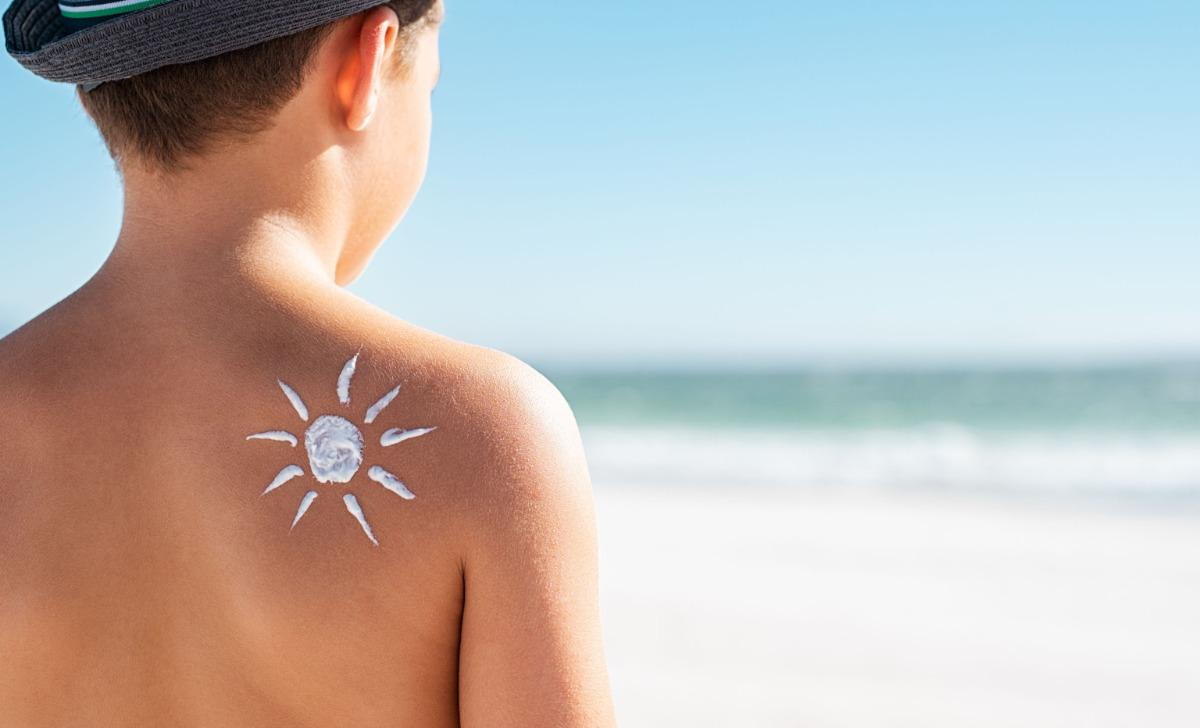
As the temperature rises and summer days get longer, families with young children often look forward to more time outdoors—whether it’s at the beach, the park, or just playing in the backyard. But while fun in the sun is essential for creating happy summer memories, protecting your baby or toddler’s delicate skin is just as important. Infants and toddlers have thinner, more sensitive skin than adults, making them more vulnerable to sunburn, heat rashes, bug bites, and irritation from sweat or certain pediatric skin care products.
This guide will walk you through safe and effective summer skin care practices tailored specifically for babies and toddlers, so you can enjoy the season with peace of mind—with tips trusted by your McKinney doctor.
Why Pediatric Skin Care Means Extra Protection

Babies and toddlers don’t just have soft skin—they have skin that’s biologically different from adults. It’s thinner, loses moisture more easily, and is more prone to damage from environmental factors like heat and UV rays. Melanin, the pigment that protects against sun damage, is also present in lower amounts in babies’ skin, meaning they’re at higher risk for sunburn even with brief exposure.
Add to that the fact that their sweat glands are still developing, and you get a recipe for overheating, rashes, and irritation unless proper care is taken.
Keep Sun Exposure to a Minimum

The best form of sun protection for infants under 6 months is avoidance. McKinney pediatricians recommend keeping babies out of direct sunlight during peak UV hours—typically between 10 a.m. and 4 p.m. When you’re outdoors, stick to shady areas, and use a stroller canopy, sun umbrella, or wide-brimmed hat to keep direct sunlight off your baby’s skin.
For toddlers who are more active and harder to keep in the shade, lightweight long-sleeved clothing and wide-brimmed hats offer excellent protection without the need for constant sunscreen reapplication—an approach often recommended by experienced McKinney pediatricians.
UV-protective clothing is also a great investment for summer. These garments are made with fabric that has a UPF (Ultraviolet Protection Factor) rating and can block out up to 98% of the sun’s rays.
Pediatric Skin Care Means Choosing Sunscreen Carefully
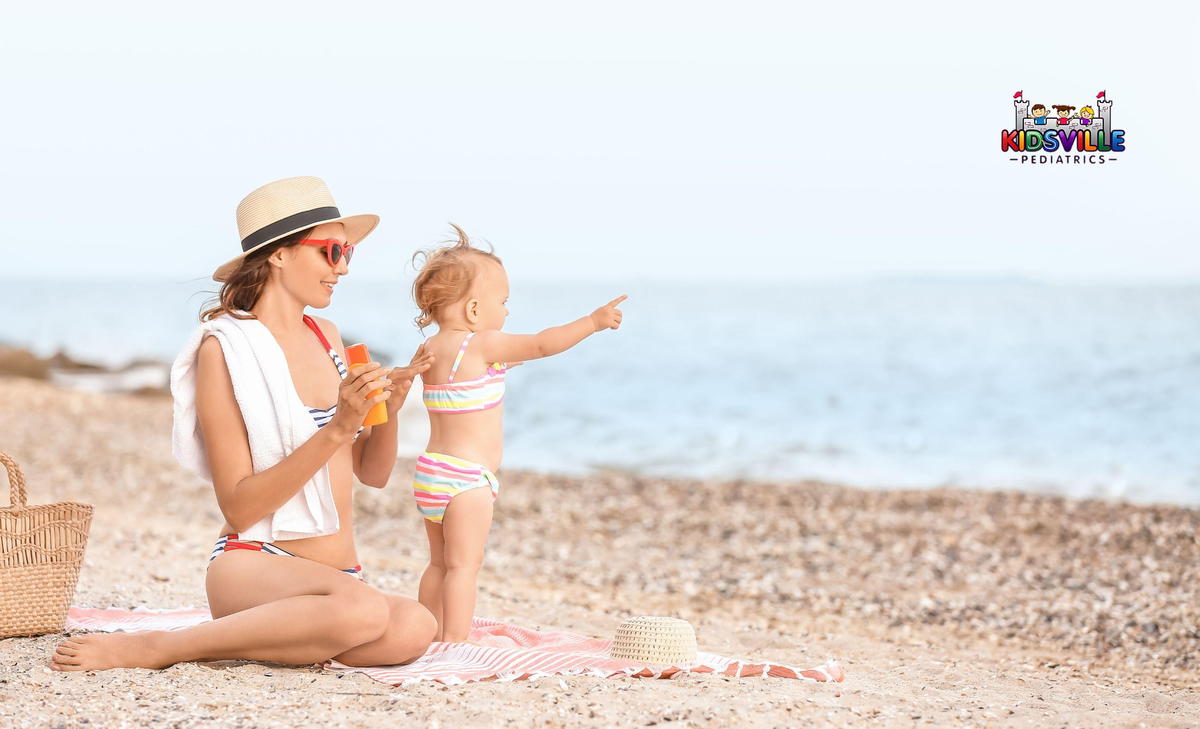
For babies older than 6 months and toddlers, mineral-based (also called physical) sunscreens are the safest choice. Look for products containing zinc oxide or titanium dioxide, which sit on top of the skin and reflect the sun’s rays rather than being absorbed. The aforementioned ingredients are less likely to cause allergy or irritation.
When choosing a sunscreen, opt for:
-
Broad-spectrum protection (keeps both UVA and UVB rays at bay)
-
SPF 30 or higher
-
Fragrance-free and dye-free options
-
Water-resistant formulations for pool or beach days
Avoid sunscreens with oxybenzone, octinoxate, or added fragrances, which may irritate sensitive skin or pose health risks with long-term exposure.
Apply sunscreen 15–30 minutes before sun exposure, and reapply every two hours—or more often if your child is sweating or playing in water. Don’t forget tricky spots like the ears, the back of the neck, and the tops of feet—these are common trouble areas noted by providers at your trusted McKinney clinic.
Pediatric Skin Care: Prevent Heat Rashes and Prickly Heat
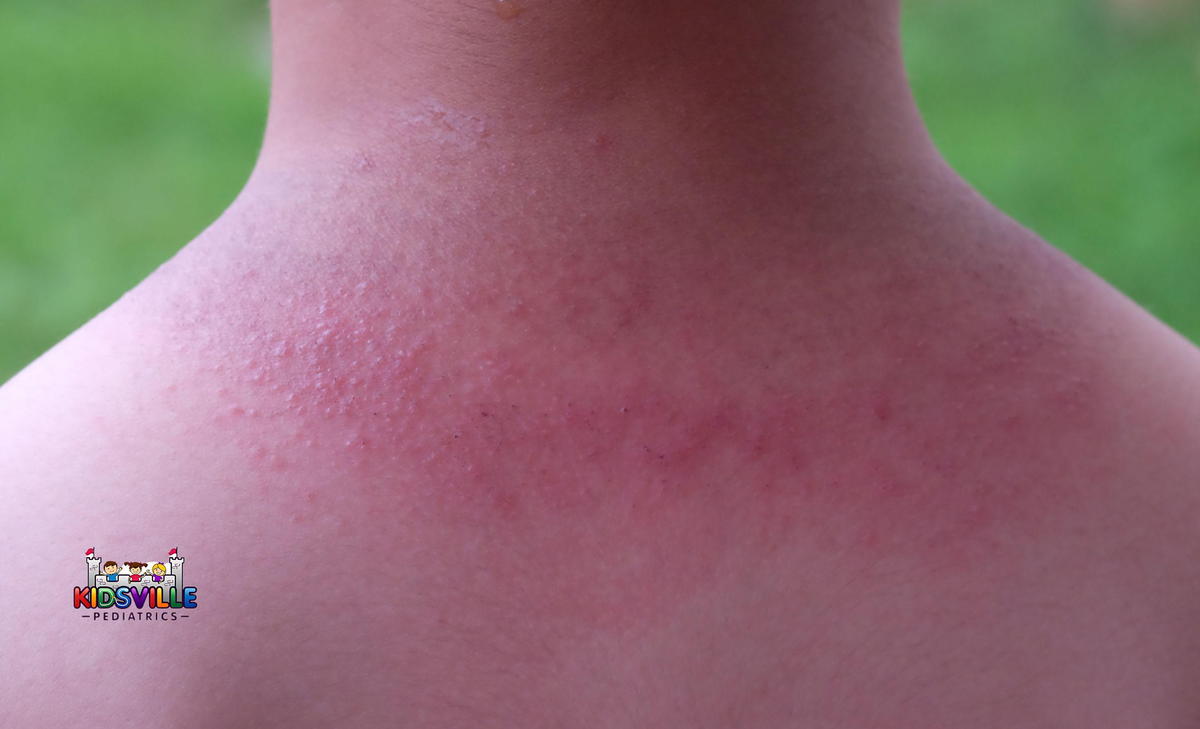
Babies and toddlers can quickly develop heat rashes—also known as prickly heat—when their sweat glands become blocked due to hot, humid weather. This typically appears as small red or pink bumps on areas like the neck, chest, and diaper area.
To prevent and soothe heat rash:
-
Dress your child in loose, breathable cotton clothing
-
Keep their environment cool with fans or air conditioning
-
Bathe them daily in lukewarm water to wash off sweat
-
Avoid heavy creams or ointments that can clog pores
If your baby develops a rash, gently pat the skin dry after a bath and use a mild, fragrance-free moisturizer to soothe irritation. In most cases, heat rash will resolve on its own with cooling and proper hygiene—but when in doubt, a trusted pediatrician McKinney expert can help guide the best course of care.
Bathe Wisely

During summer, your baby might need daily baths—not necessarily for cleanliness, but to wash away sweat, sunscreen, and outdoor allergens. A quick, lukewarm rinse with a gentle baby cleanser helps maintain healthy skin and prevent clogged pores or irritation.
Here are a few bathing tips for the summer months:
-
Use fragrance-free and tear-free cleansers
-
Keep baths short (5–10 minutes)
-
Pat skin dry gently and moisturize immediately afterward
-
Avoid overly hot water, which can dry out the skin
Toddlers may benefit from a quick rinse after outdoor play, especially if they’ve been in chlorinated pools or sandy environments.
Don’t Skip Moisturizing
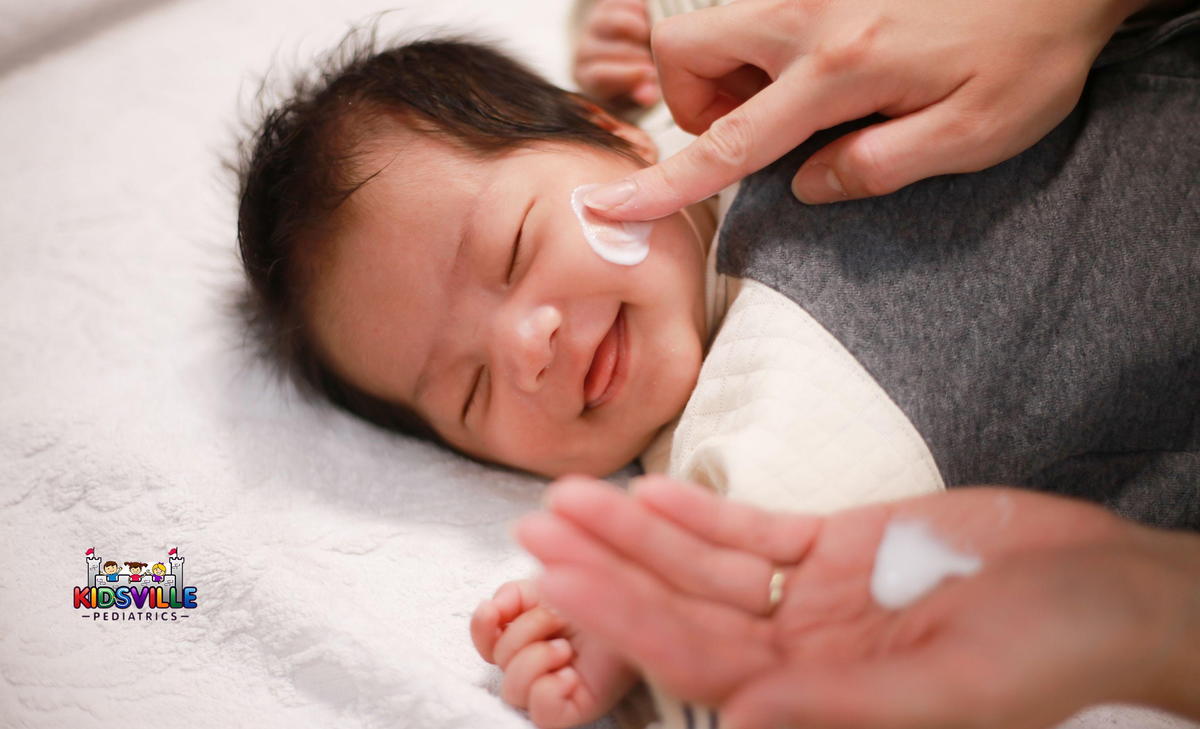
Many parents assume moisturizing isn’t necessary in warm weather, but summer can be just as drying to baby skin as winter. Sun exposure, saltwater, and air conditioning can all strip moisture from the skin. After baths or swimming, apply a light, fragrance-free moisturizer to lock in hydration—a tip often emphasized by the team at Kidsville Pediatrics McKinney.
Look for products labeled hypoallergenic, pediatrician-recommended, and free of dyes and parabens. Creams and ointments tend to be more effective than lotions, especially for babies with dry or eczema-prone skin.
Watch Out for Insect Bites
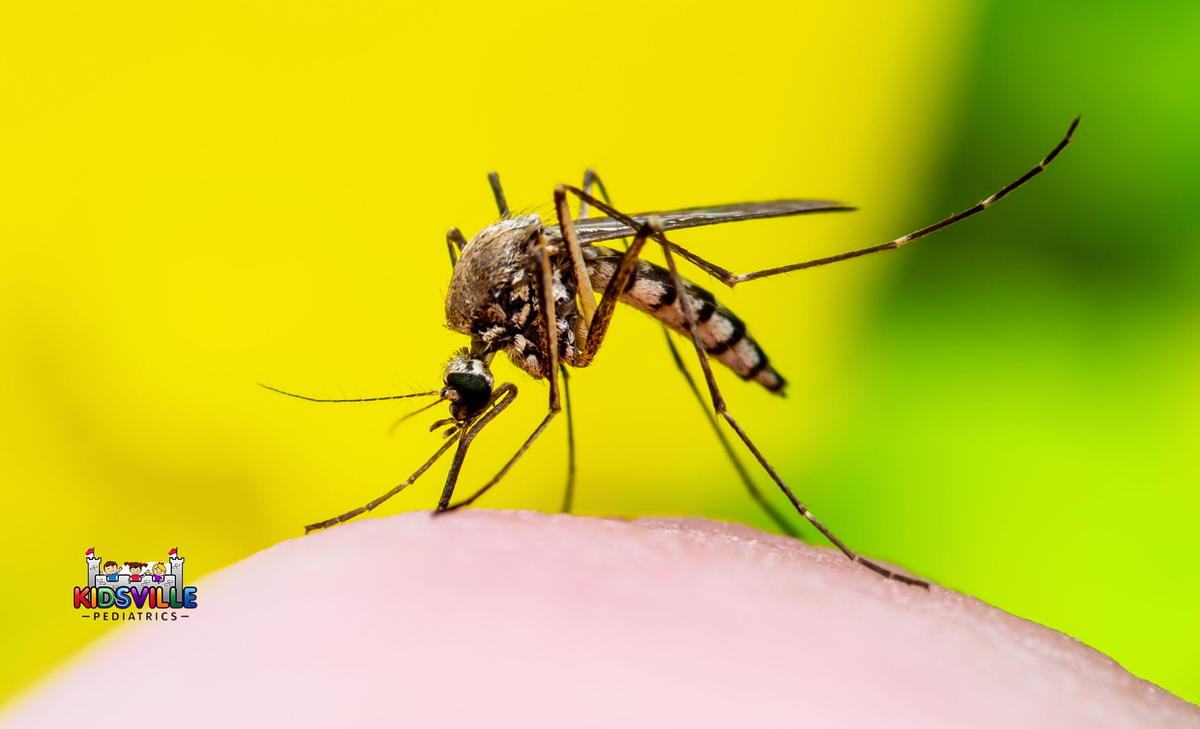
Mosquitoes, ants, and other insects are a common part of summer. To protect your little one from bites (and the itching or infections they may cause), follow these steps:
-
Dress your baby in long sleeves and pants during evening hours when bugs are most active
-
Use mosquito nets over strollers or playpens when outside
-
For babies over 2 months, choose an EPA-registered insect repellent with DEET (10–30%), picaridin, or oil of lemon eucalyptus—only use products labeled safe for children
-
Never apply repellent to hands, eyes, mouth, or broken skin
-
Wash off repellent with soap and water when back indoors
For a more natural option, some parents opt for essential oil–based sprays, but always do a patch test first and avoid using essential oils on babies under 6 months.
Protect Against Chlorine and Saltwater

Pools and beaches are summer staples, but both chlorine and saltwater can irritate or dry out baby skin. If you’re planning on water activities:
-
Rinse off your baby immediately after swimming
-
Apply a moisturizer to restore the skin barrier
-
Consider using swim diapers for infants
-
Limit time in the water to avoid overexposure to chemicals or salt
Remember, water reflects sunlight and can intensify UV exposure, so be extra diligent about sunscreen reapplication and using shaded areas.
Know the Signs of Sunburn and Dehydration
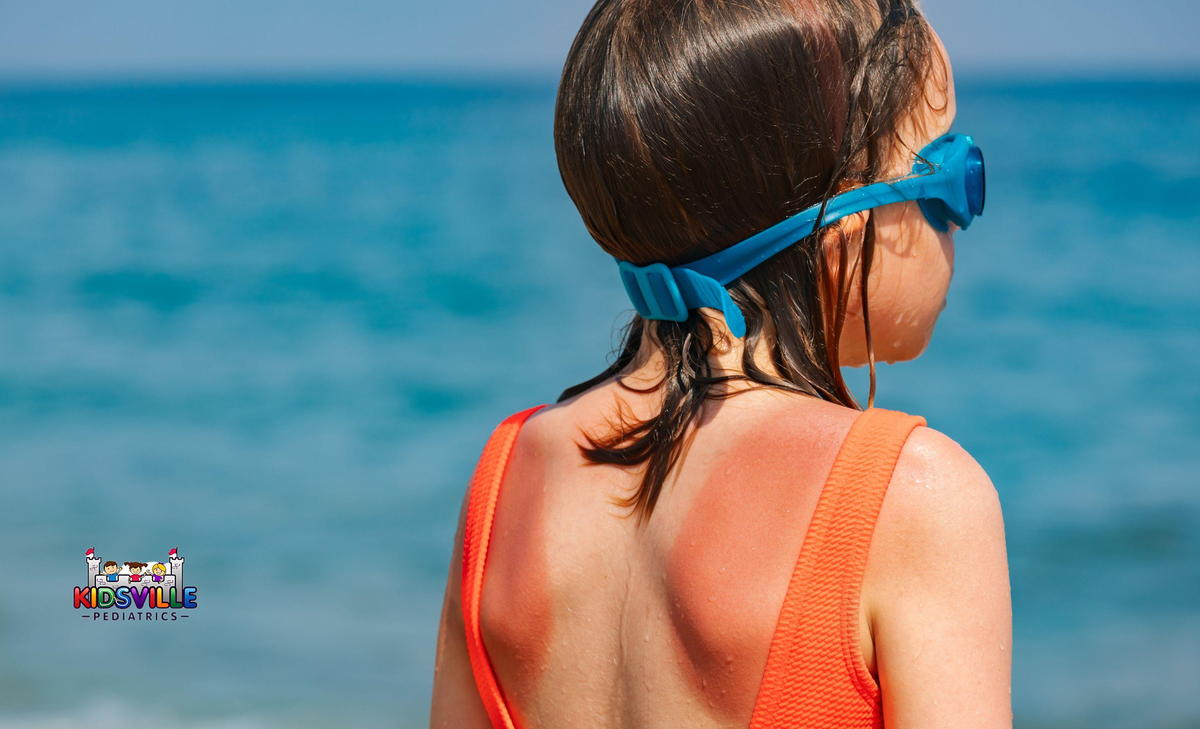
Even with precautions, babies and toddlers can still end up with sunburn or signs of overheating. Sunburn may appear as red, tender skin that’s warm to the touch. In more serious cases, there may be blistering or swelling.
For mild sunburn:
-
Move your child out of the sun immediately
-
Apply a cool compress or lukewarm bath
-
Use a gentle aloe vera gel or pediatrician-approved cream
If your child has a fever, blisters, or appears lethargic, call your pediatrician right away.
Dehydration is another summer risk. Babies may not always show thirst clearly, so keep an eye out for:
-
Fewer wet diapers
-
Dry mouth or lips
-
Sunken eyes or fontanelle (soft spot)
-
Unusual fussiness or sleepiness
Ensure your baby or toddler stays hydrated with regular breastmilk, formula, or water (for those over 6 months), especially during outdoor activities.
Skip the Harsh Products
Less is more when it comes to baby skincare in summer. Steer clear of:
-
Scented wipes
-
Antibacterial soaps
-
Talc-based powders
-
Alcohol-based products
These can all contribute to skin dryness, irritation, or allergic reactions. Stick to mild, pediatrician-approved brands and always do a spot test with new products.
Pedia Near Me: Kidsville Pediatrics McKinney
If your baby has recurring skin issues like eczema flares, severe heat rash, or reactions to sunscreen, it’s worth checking in with your pediatrician. They can recommend specific products or treatments suited to your child’s skin type and any underlying conditions.
Likewise, any signs of severe sunburn, insect bite reactions, or persistent rashes should be evaluated, especially if accompanied by fever or discomfort.
Summer can be a magical time for little ones to explore the outdoors, but their skin needs thoughtful care and protection to stay healthy. With a few simple habits—like choosing the right sunscreen, dressing them in breathable clothing, and keeping skin clean and moisturized—you can ensure your baby or toddler enjoys summer safely and comfortably.
Every child’s skin is unique, so pay attention to how your little one responds to different environments and products. And when in doubt, don’t hesitate to check with your pediatrician for personalized pediatric skin care guidance.


