
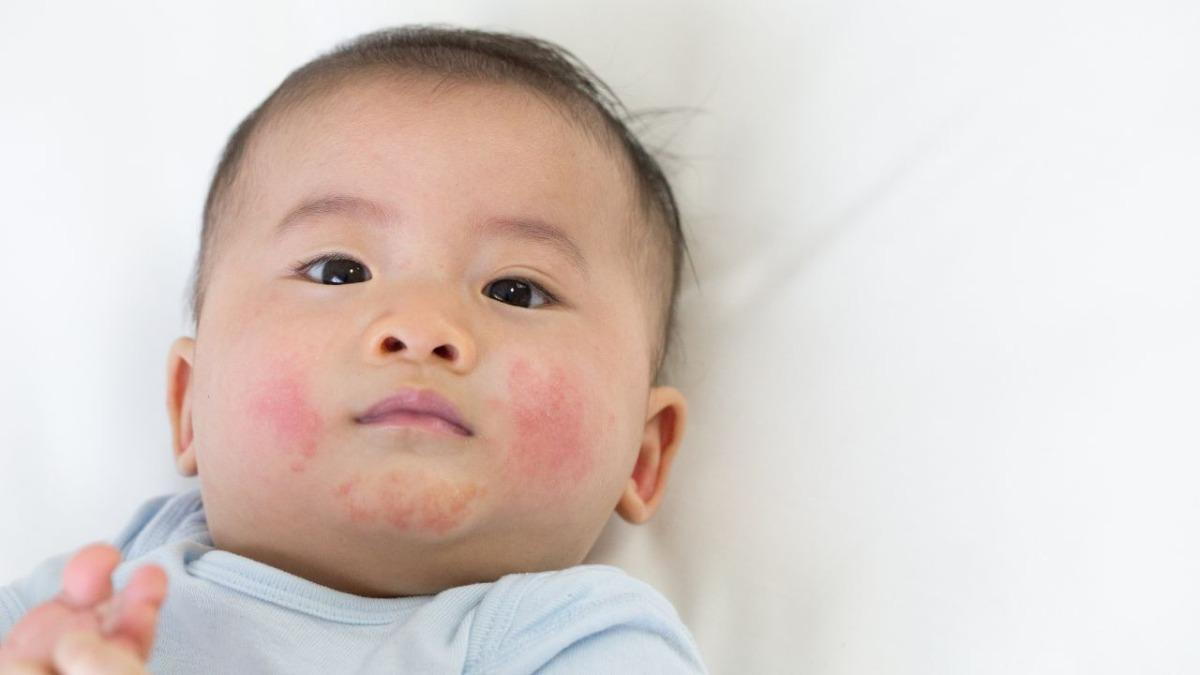
Baby eczema, also known as atopic dermatitis, is a common skin condition that many parents face during their child's early years. It can be distressing to see your baby uncomfortable and experiencing skin issues, but understanding this condition is the first step towards effective management and relief. Our McKinney pediatrics doctors at Kidsville Pediatrics are dedicated to helping parents navigate the challenges of baby eczema with comprehensive care and expert advice.
Eczema manifests as red, itchy patches on a baby's skin, often appearing on the face, arms, and legs. While the exact cause remains unknown, various factors such as genetics, environmental triggers, and immune system responses can contribute to its development. As parents, it’s essential to recognize the signs early and take proactive steps to manage the condition effectively.
At Kidsville Pediatrics in McKinney, our team of experienced pediatricians understands the impact that baby eczema can have on your child's comfort and your peace of mind. We are here to provide you with the knowledge and tools needed to alleviate your baby’s symptoms and improve their quality of life. Our pediatricians are well-versed in the latest treatments and preventative measures, ensuring your baby receives the best care possible.
In this guide, we will delve into effective strategies for managing eczema in newborns, offering practical tips and insights to help you provide relief for your little one. From understanding the common triggers to implementing a soothing skincare routine, our goal is to empower you with the information you need to confidently address your baby’s eczema.
Understanding Baby Eczema: A Short History

Eczema has been around for centuries, and remedies to treat infantile eczema have been passed down through generations in traditional Chinese medicine. The Ebers Papyrus, the oldest and most important medical document of ancient Egypt, recorded remedies to “still” the itching of the skin. This historical context sets the stage for understanding eczema and many insights throughout the globe.
Ancient Remedies and Early Documentation
Augustus, the first Roman Emperor, was said to suffer from itchy, hard, dried patches that he would scrape in the bath. He also experienced tightness of the diaphragm in early spring and a runny nose, which may be the first documentation of the link between atopic dermatitis, asthma, and hay fever. This connection between skin conditions and other allergic reactions highlights the complexity of eczema.
Insights from the Islamic Golden Age
During the Islamic Golden Age, Persian intellectual Avicenna described several skin conditions consistent with eczema and dry skin. He also noted the link between excessive bathing and dry skin, an insight still relevant today as we know to apply moisturizers right after a bath.
European Renaissance and Dermatology
The European Renaissance introduced the printing press, leading to the first dermatology textbooks in Italy, France, and the UK. These books described an itchy condition in children synonymous with what we recognize as eczema today. At that time, the philosophy was “don’t treat it,” as the oozing seen in eczema was thought to be the body’s way of expelling toxins from the blood.
The Birth of Modern Eczema Treatment
In 1818, English physicians Willan and Bateman coined the term “eczema,” meaning to erupt or boil over in Greek. This ushered in a new era of advances in eczema treatment. Von Hebra and Kaposi were the first to use topical remedies like tar and sulfur and suggested “not-too-warm-bathing” and emollients. Wilson and Besnier defined infantile eczema, focusing on the severe itching that intensifies at night and the link to other allergic diseases.
Modern Advances in Eczema Treatment
In 1923, the term “atopy,” from the Greek atopia meaning “out of place,” was coined. In 1933, Wise and Sulzberger introduced the term “atopic dermatitis.” By 1952, topical corticosteroids were introduced to treat atopic dermatitis. Later, in 1980, Dr. Hanifin and Dr. Rajka developed the first diagnostic criteria for atopic dermatitis, the most common form of eczema. This criterion is still used today.
Identifying the Early Signs of Eczema in Babies

Baby eczema affects an estimated 15% to 20% of infants under age 2 in the United States. While the condition often starts in infancy, it can persist into adulthood, though some children may outgrow it as they get older.
Eczema for newborn makes your baby’s skin dry, itchy, and sensitive. This occurs because the protective barrier on the outermost layer of their skin is weak and doesn’t function as expected. Flare-ups can last for a couple of weeks each time they occur, causing discomfort and irritation for your little one.
This is a chronic condition, meaning it can come and go unexpectedly. While some children may outgrow the condition by adulthood, they might still experience symptoms of dry skin or mild flare-ups throughout their lives.
Symptoms and Causes
Symptoms of baby eczema usually begin during the first six months of life and can include:
Dry skin
Itchy skin
Bumpy rash
Skin discoloration, which may appear red or darker than the natural skin tone (hyperpigmentation)
Baby eczema can affect the skin anywhere on your child’s body, but it is most commonly found on their:
Face
Scalp
Feet
Arms and legs
What Causes Baby Eczema?
Baby eczema is caused by a combination of genetic and environmental factors. These include:
Skin Irritants and Allergens
Various environmental factors can irritate your child’s skin. If your child has allergies, exposure to certain fabrics, soaps, or foods can trigger eczema flare-ups.
Immune System Reaction
Your baby’s immune system defends against bacteria and viruses. In cases of eczema, the immune system can overreact and mistake healthy skin cells and minor irritants for threats, leading to an attack on the skin and resulting in eczema symptoms.
Genetics
Genetic mutations can affect how your baby’s body functions and develops. An eczema diagnosis might be linked to a lack of proteins that maintain the skin’s protective barrier, leading to symptoms when the barrier doesn’t work as expected.
What Triggers Baby Eczema?
Your baby’s skin is unique and can react to various environmental triggers, causing eczema symptoms. Common triggers include:
Materials of clothing or fabrics
Temperature changes, dry air, or sweating
Soaps or detergents
Allergens like pet dander, dust, certain foods, and plants
Baby eczema isn’t contagious. It cannot spread from person to person.
Diagnosis and Tests
Providers at Kidsville Pediatrics McKinney diagnose eczema through a physical examination. The appearance of the rash on your baby’s skin leads to an accurate diagnosis. Additional tests might be recommended to identify the triggers, which could include:
Allergy tests
Blood tests
Skin biopsy
Understanding and managing baby eczema can be challenging, but with the right care and guidance from our team, you can help your child find relief and comfort. If you have any concerns or need support, don’t hesitate to reach out to our experienced pediatricians.
Eczema Treatment for Infants

Daily bathing and moisturizing are essential treatments for infantile eczema. Any pediatrician McKinney TX expert will recommend using a mild cleanser and warm water for your baby's bath. Keep the bath time to no more than 15 minutes. After bathing, make sure to rinse thoroughly and gently pat your baby dry. While the skin is still damp, apply a fragrance-free cream or ointment such as petroleum jelly. This helps lock in moisture and soothe the skin.
Moisturizing your baby’s skin at least twice a day is crucial. Diaper changes can be an excellent opportunity to apply the moisturizer. When introducing a new moisturizer, test it on a small area of your baby's skin first to ensure it is well-tolerated and does not cause further irritation.
Managing Baby Eczema: Tips and Precautions
To alleviate the signs and symptoms of baby eczema, it is important to avoid irritants such as itchy fabrics and harsh soaps. Additionally, try to protect your baby from extremes in temperature, as these can exacerbate the condition. To prevent your baby from scratching the rash, keep their nails clipped short and consider using cotton mittens during sleep.
When to Visit Kidsville Pediatrics McKinney
If your baby’s eczema persists or if the rash becomes purple, crusty, weepy, or develops blisters, it is important to consult the best pediatrician in McKinney TX . Similarly, if your baby has a fever in conjunction with the rash, seek medical evaluation promptly. Discuss with your doctor the possibility of using medicated creams or ointments. In some cases, bleach baths might be recommended to ease symptoms, but these should always be used under the guidance of your pediatrician.
Long-Term Outlook
As was already mentioned, most children outgrow infantile eczema by the age of 3 to 5 years. However, during the period when eczema is present, managing the condition with daily care routines and avoiding known triggers can significantly improve your baby's comfort and skin health.
Seeking Professional Guidance
If you have concerns about your baby's eczema or need personalized advice, don’t hesitate to contact a pediatrician in McKinney TX. Doing so can help you navigate the best treatment options and care practices to ensure your baby’s skin remains healthy and comfortable.
By following these steps and staying in close contact with your best pediatrician in McKinney TX, you can effectively manage your baby's eczema and provide them with the relief they need.
Diet and Baby Eczema: Foods That May Help or Harm

For many parents with a child suffering from atopic dermatitis (AD), the most common form of eczema, the solution seems straightforward: fix the child’s diet, and the AD will disappear. However, years of research into the relationship between food and AD reveal a more complex picture.
Research Insights on Food and Eczema
Avoiding foods that cause allergic reactions rarely prevents AD flare-ups. Food allergies are common among children with AD, with about 40% of babies and young children with moderate to severe AD also having food allergies. Many parents believe that avoiding these foods will prevent allergic reactions and subsequent AD flare-ups, but this is not typically the case.
Removing allergenic foods from a child’s diet rarely stops AD on its own. To manage AD effectively, the above eczema treatment for infants is advised.
Most children experience relief from AD with this combined approach. If AD flare-ups persist, it might be worth exploring whether a specific food is contributing to the condition. Experts recommend allergy testing for foods if a child has moderate to severe AD that is unresponsive to skincare, trigger management, and medication, or if they have an immediate allergic reaction after eating a particular food.
The Pitfalls of Eliminating Foods
In the quest to relieve their child’s unbearably itchy skin, parents might eliminate foods most likely to cause allergies, such as milk, eggs, wheat, soy, and nuts. However, removing these foods for extended periods can be harmful, leading to:
Weight loss
Poor growth
Diseases due to lack of vitamins and minerals
Malnutrition due to lack of protein
If you believe a food allergy is causing your child’s eczema, it’s crucial to consult with a pediatric healthcare McKinney expert. Testing can determine if it’s necessary to eliminate certain foods. If long-term food elimination is required, a dietician’s guidance can help prevent nutritional deficiencies.
The Changing Landscape of Dietary Advice
Many believe that certain foods or supplements can alleviate AD, prompting researchers to study various supplements, including:
Probiotics
Prebiotics
Fish oils
Evening primrose oil
Borage oil
Zinc
Vitamins D, E, B12, and B6
While some studies suggest these supplements might help, comprehensive reviews of multiple studies often find little evidence supporting the effectiveness of specific foods or supplements in treating AD. For instance, an analysis of 12 robust studies on probiotics found no significant impact on AD.
A Holistic Approach to Atopic Dermatitis
Despite varying study results, one thing remains clear: a healthy, balanced diet is essential for a growing child’s overall health. No single solution can cure baby eczema. A holistic approach that includes an eczema-friendly skincare routine, avoiding triggers, and using medication as needed is the best way to provide relief.
For personalized advice and treatment plans, consulting with experts in pediatric healthcare McKinney is recommended. Their expertise can guide you in managing your child’s AD effectively, ensuring a better quality of life for your little one.
When to Consult a Pediatrician: Medical Treatments for Baby Eczema
If you suspect your child may have atopic dermatitis, it's important to speak with your child’s doctor. Kidsville Pediatrics McKinney pediatricians can recommend age-appropriate products and help determine if stronger prescription treatments are necessary.
When to Consult a Pediatrician
In many cases, pediatricians manage atopic dermatitis in children, but consulting a pediatric dermatologist can be beneficial for ruling out other skin conditions and providing the most up-to-date treatment insights. If your family has been following the recommended skin care routines and using prescription medications, such as topical steroids, and your child’s eczema is not improving, it’s time to see a specialist. Pediatric dermatologists can prescribe stronger topical steroid treatments, recommend additional therapies if needed, and prescribe antibiotics if the inflamed, itchy skin leads to an infection.
In severe or non-responsive cases, a dermatologist may prescribe medications to suppress the local inflammatory and immune response on the skin’s surface. These medications should only be used under close supervision from a physician.
Can Pediatric Eczema Be Prevented or Cured?
While atopic dermatitis is common in children and often cannot be prevented, there is some evidence that infants, particularly those at high risk of eczema, can benefit from early and consistent gentle skin care. This includes the use of unscented soaps, regular application of unscented emollients, and daily bathing. If you have concerns that your child may be at high risk for eczema, talk to your child’s pediatrician at Kidsville Pediatrics.
Even with the best precautions and adherence to skincare and treatment guidelines, the condition may still flare up. While pediatric eczema usually cannot be cured, it is often manageable with proper skin care and treatment, especially if steps are taken to avoid triggers. Many children who experience atopic dermatitis at a young age will find that their symptoms may improve as they get older.
For comprehensive care and guidance in managing baby eczema, Kidsville Pediatrics McKinney is here to help. Our team of dedicated professionals is committed to providing the best care and treatment options to ensure your child's skin health and overall well-being.
