
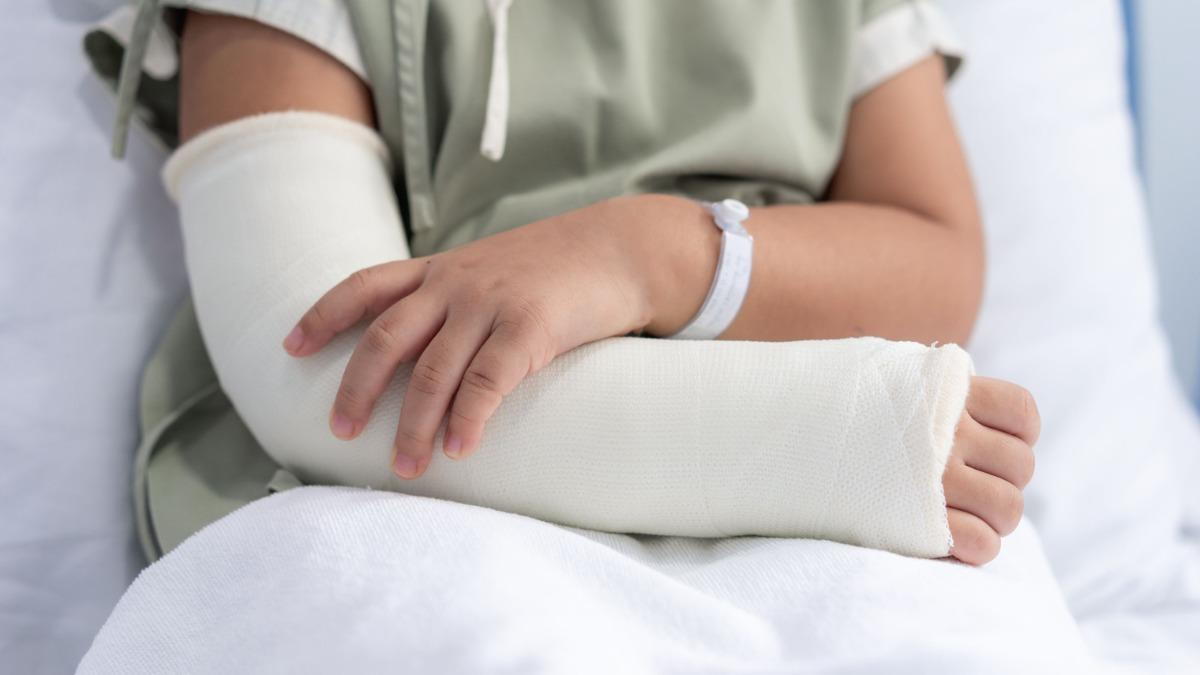
Fractures in children are a frequent cause of visits to emergency departments and pediatric care clinics. Because a child’s body is still developing, their bones are more flexible and possess different structural properties than those of adults.This flexibility means children may sustain unique types of fractures that require tailored treatment approaches. Understanding pediatric fracture types and their appropriate treatments is essential for ensuring optimal healing, minimizing complications, and preserving future growth and function.
Why Pediatric Fractures Differ from Adult Fractures
Children’s bones aren’t merely miniature versions of adult bones—they have distinct structural characteristics. Pediatric bones have growth plates (physes), thicker periosteum (outer bone layer), and greater remodeling potential. These features contribute to fracture types and healing patterns that are specific to the pediatric population. Growth plates are especially important because injuries to these areas can impact a child’s future limb length and proper alignment.
Common Pediatric Fracture Types
Understanding the different types begins with recognizing the most common forms that appear in clinical practice. These include:
1. Greenstick Fractures
A greenstick fracture occurs when the bone bends and cracks, without breaking completely. Think of it like trying to snap a young, flexible twig—it splinters on one side but doesn’t fully break. This type is unique to children due to their softer bones and is most often seen in the forearm, making it a common injury that pediatricians encounter in clinical practice.
2. Buckle (Torus) Fractures
This type occurs when one side of the bone compresses, causing it to bulge or “buckle” outward. It’s a stable fracture, often resulting from falls onto an outstretched hand. Buckle fractures are particularly common in younger children and usually occur near the wrist.
3. Complete Fractures
Complete fractures happen when the bone breaks all the way through. They can be further classified into transverse, oblique, or spiral fractures depending on the direction of the break. These fractures often require more intensive treatment than greenstick or buckle fractures and are frequently managed by experienced Southlake doctors for proper alignment and healing.
4. Growth Plate (Physeal) Fractures
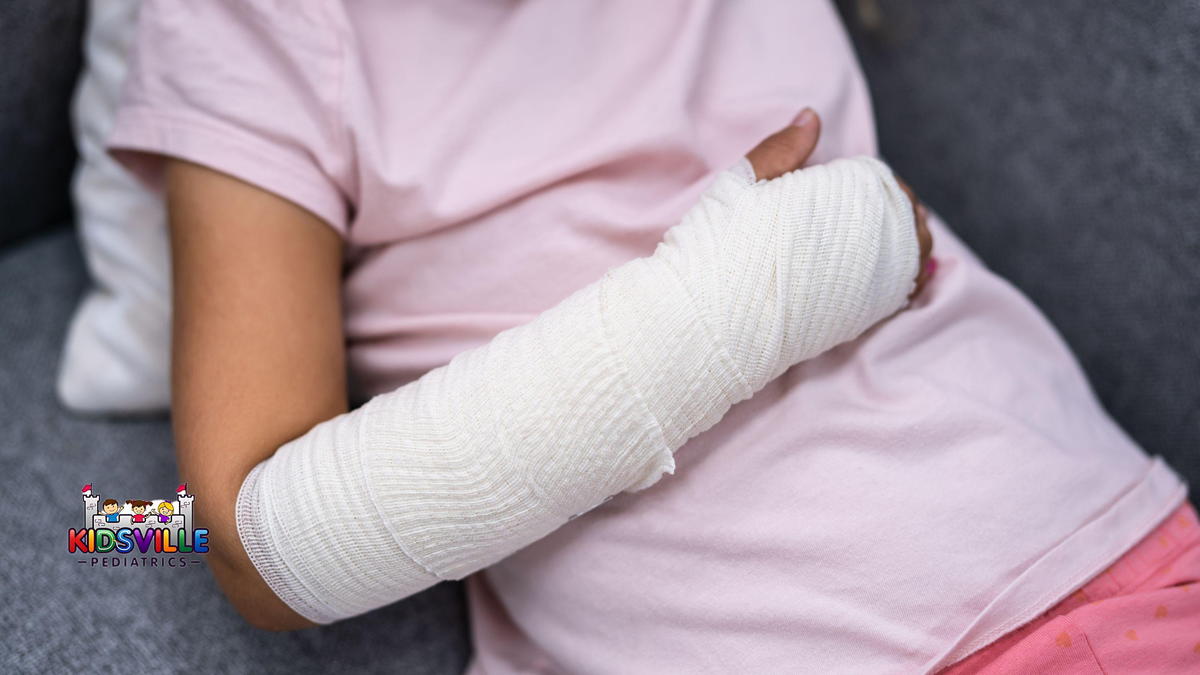
Since growth plates are the last portions of bone to fully harden, they are especially susceptible to injury. These fractures are categorized by the Salter-Harris classification system, which includes five main types based on how the break affects the growth plate and surrounding bone. Prompt and accurate treatment is crucial to prevent growth disturbances.
5. Supracondylar Fractures
Commonly seen in the elbow area, especially in children between 5 and 7 years old, these fractures occur just above the elbow joint. They are serious because of the risk of nerve or blood vessel damage and often require surgical intervention by a skilled pediatrician in Southlake to ensure proper recovery and prevent complications.
6. Plastic Deformation
This is a bending of the bone without a visible break. It occurs mostly in the forearm and can lead to lasting deformity if not properly treated.
Diagnosing Pediatric Fractures
The clinical assessment starts with a thorough medical history and physical examination. Children may not always express pain accurately, so signs such as swelling, decreased mobility, deformity, or refusal to use the affected limb are red flags.
X-rays are typically used for diagnosis. In certain cases—especially with growth plate injuries—further imaging such as MRI or ultrasound might be necessary for a clearer picture.
Treatment Approaches Based on Fracture Type
Treatment of pediatric fracture types depends on the nature and severity of the injury, the child’s age, and the bone involved. Here’s how common fractures are typically managed:
1. Immobilization
Most pediatric fractures, especially stable ones like greenstick and buckle fractures, can be treated with immobilization using casts or splints. Because of a child’s rapid healing capabilities, even a few weeks in a cast can suffice.
2. Closed Reduction
When a fracture is displaced or angulated, a closed reduction—a non-surgical realignment of the bone—is often performed under sedation. A cast is then applied to keep the bone properly aligned throughout the healing process.
3. Surgical Intervention
In more complex fractures like displaced supracondylar fractures or Salter-Harris Types III-V, surgery may be required. Surgical options may involve internal fixation with pins, screws, or plates to securely stabilize the bone.
4. Physical Therapy
Following immobilization or surgery, physical therapy may be recommended to restore strength, range of motion, and functionality—especially for injuries around joints like the elbow or knee.
Complications and Growth Considerations
One reason pediatric fracture types require careful monitoring is the possibility of growth disturbances. Growth plate injuries, in particular, can result in limb length discrepancies or angular deformities. Children with these types of fractures may need periodic X-rays for months or even years to ensure normal development.
Other potential complications include:
-
Malunion (healing in the wrong position)
-
Nonunion (failure to heal)
-
Nerve or vascular injury (especially with supracondylar fractures)
-
Compartment syndrome (a surgical emergency due to increased pressure in muscle compartments)
Recovery and Prognosis
Fortunately, children generally heal faster than adults. Most recover fully with appropriate treatment and follow-up. The thick periosteum and active bone remodeling allow for some correction of minor deformities over time, especially in younger children, particularly when managed at a trusted Southlake clinic.
Parents and caregivers should be informed about proper cast care, signs of complications (e.g., increased pain, numbness, discoloration), and the importance of follow-up visits. Encouraging light activity as advised and avoiding high-risk activities during recovery are key to a smooth healing process.
Preventing Pediatric Fractures
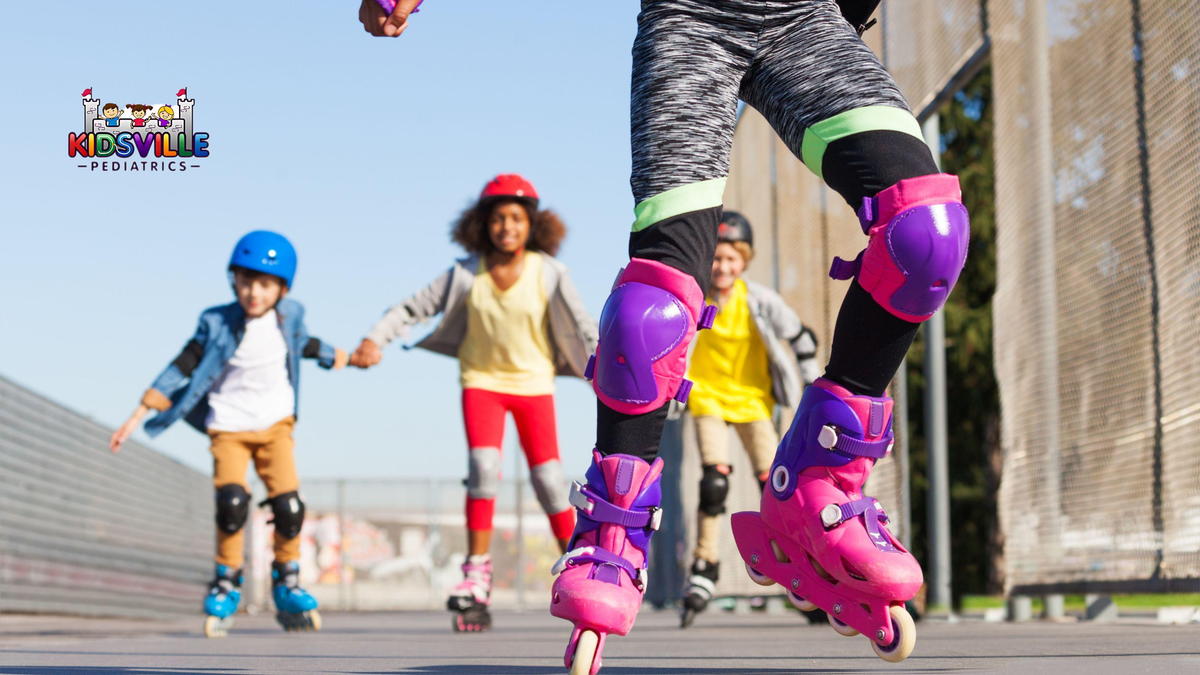
While not all accidents are avoidable, steps can be taken to reduce the risk of fractures in children:
-
Use appropriate protective gear during sports
-
Ensure safe play environments
-
Supervise young children on playgrounds or bikes
-
Encourage proper nutrition, especially calcium and vitamin D intake
Kidsville Pediatrics Southlake: Urgent Care
Seek pediatric urgent care if a child has:
-
A visible deformity
-
Severe pain or swelling
-
Numbness or tingling
-
Inability to move a limb
-
Pain in a growing child following trauma
Prompt treatment not only improves outcomes but can also prevent long-term complications, particularly in fractures involving the growth plate.
Understanding pediatric fracture types is essential for timely diagnosis, effective treatment, and long-term wellness in children. Each type of fracture—from greenstick to growth plate injuries—has specific characteristics that influence the management approach. Thanks to advances in pediatric orthopedic care, most fractures heal well with proper intervention, allowing children to return to their normal activities with minimal disruption. With increased awareness, preventive measures, and close follow-up, we can help safeguard children’s musculoskeletal health through every stage of growth and development.


