

Pertussis, usually known as whooping cough, is a contagious bacterial infection of the lungs. The nickname comes from the distinctive “whooping” sound that occurs when a child breathes. While many people assume that whooping cough is an infection of the past, it’s actually more common in the US than we’d like to admit. In fact, pediatricians have seen an increase in the number of whooping cough cases over the last couple of decades.
What is Whooping Cough?
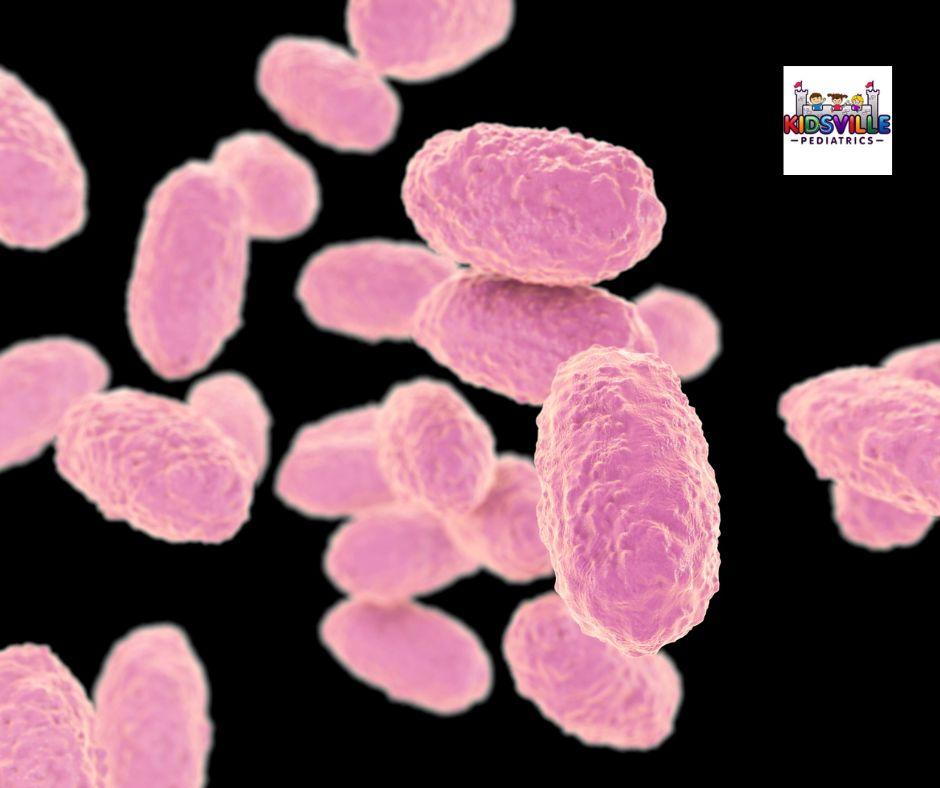
The bacterium Bordetella pertussis causes whooping cough. It spreads easily from person to person through respiratory droplets when an infected person coughs or sneezes. Infants and young children are at the highest risk of severe complications from whooping cough, including pneumonia, seizures, brain damage, and even death.
Who is at Risk?
While whooping cough can affect individuals of any age, it is most severe in infants and young children, particularly those who are not yet fully vaccinated. Infants under 6 months of age are at the highest risk of developing severe complications from whooping cough, including pneumonia, seizures, brain damage, and even death.
Transmission of Whooping Cough
The transmission of whooping cough, also known as pertussis, occurs through respiratory droplets expelled when an infected person coughs or sneezes. Bordetella pertussis, the bacterium responsible for whooping cough, is highly contagious and can spread rapidly in close quarters. Understanding how whooping cough is transmitted is crucial for implementing effective prevention strategies and reducing the risk of infection.
When an infected person coughs or sneezes, tiny droplets containing the bacterium are released into the air. These droplets can travel short distances and land on surfaces within the immediate vicinity. If a susceptible individual comes into contact with these contaminated droplets and inhales them, they may become infected with Bordetella pertussis.
Whooping cough is most contagious during the early stages of the illness, particularly during the catarrhal stage when symptoms resemble those of a common cold. During this stage, the infected individual may not realize they have whooping cough and may continue to go about their daily activities, unknowingly spreading the infection to others.
Infants and young children are particularly vulnerable to whooping cough and are at higher risk of severe complications. Because of their immature immune systems, they are more susceptible to respiratory infections and may experience more severe symptoms than older children or adults.
In addition to person-to-person transmission, whooping cough can also spread through direct contact with respiratory secretions or contaminated surfaces. This means that sharing utensils, cups, or other personal items with an infected person can increase the risk of transmission.
Whooping Cough in Infants

Infants under 6 months of age are at the highest risk of severe complications from whooping cough. Their airways are smaller and more easily obstructed, making it harder for them to breathe during coughing fits. Infants may also experience apnea, where they temporarily stop breathing, which can lead to cyanosis (blue skin) and unconsciousness.
Seeking Immediate Medical Attention
If you suspect that your child might have whooping cough, it’s crucial to seek pediatric urgent care. Early diagnosis and treatment can help reduce the severity of symptoms and prevent complications. Children under 18 months old with whooping cough may require hospitalization for close monitoring and supportive care.
Recognizing Whooping Cough Symptoms
The first symptoms of whooping cough can look like those of a common cold. They typically include a runny nose, low-grade fever, and a mild cough. However, after 1-2 weeks, the cough worsens and becomes more severe. Children may experience sudden and intense coughing fits, followed by a distinctive “whoop” sound as they gasp for breath. Infants may not develop the characteristic whoop but may exhibit symptoms such as choking or vomiting after coughing.
Managing Whooping Cough Symptoms

While there is no cure for whooping cough, there are ways to manage the symptoms and support recovery. Managing whooping cough symptoms can be challenging, but several strategies can help alleviate discomfort and support recovery:
Rest: Encourage the affected individual to get plenty of rest. Total relaxation allows the body to conserve energy and zero in on fighting off the bacterial infection. Ensure that they take frequent breaks throughout the day and prioritize sleep at night to support recovery.
Hydration: Make sure the affected individual stays well-hydrated by drinking plenty of fluids (especially water) and clear broths. Staying hydrated helps to thin mucus secretions, making it easier to clear the airways and alleviate coughing.
Nutrition: Offer small, frequent meals to the affected individual. Avoid heavy or spicy foods that can irritate the throat and exacerbate coughing. Instead, focus on providing nutritious foods that are easy to swallow and digest. Soups, smoothies, and soft fruits are good options.
Humidifiers: Using a humidifier in the affected individual's room can help moisten the air and soothe irritated airways. Dry air can exacerbate coughing and make symptoms worse, so maintaining a comfortable level of humidity in the environment can provide relief.
Avoiding Irritants: Keep the affected individual away from smoke, dust, and other irritants that can trigger coughing fits. Tobacco smoke, in particular, can worsen respiratory symptoms and should be avoided at all costs.
Medications: Over-the-counter cough suppressants and expectorants may provide some relief from coughing, but they should be used with caution, especially in children. Always consult a healthcare professional before giving any medications to children, as some may not be safe or effective for managing whooping cough symptoms.
Follow Medical Advice: Follow the advice of healthcare professionals regarding treatment and management of whooping cough symptoms. They may recommend antibiotics to help shorten the duration of the illness and reduce the severity of symptoms, especially if the infection is diagnosed early.
Vaccination: Ensure that everyone in the household is up-to-date on their vaccinations, especially infants and young children. Vaccination is the most effective way to keep whooping cough at bay. The DTaP vaccine, which also protects against diphtheria and tetanus, is routinely recommended for children in multiple doses starting at 2 months of age. Booster doses are given at 4, 6, and 15-18 months, with a final dose between 4-6 years of age. Additionally, pregnant individuals are advised to receive the Tdap vaccine during each pregnancy to provide passive immunity to their newborns.
Preventing the Spread of Whooping Cough
In addition to vaccination, there are steps you can take to prevent the spread of whooping cough:
Cover Your Coughs and Sneezes: Teach your child to cover their mouth and nose with a tissue or their elbow when coughing or sneezing. Here's how to do it effectively:
When you feel a sneeze coming on, be sure to use a tissue or the crook of your elbow to cover your mouth and nose. If you're using a tissue, hold it gently against your face, ensuring that it covers your nose and mouth completely. Be sure to dispose of the tissue immediately in a trash receptacle and wash your hands thoroughly with soap and water for at least 20 seconds.
If you don't have a tissue handy, cough or sneeze into the crook of your elbow rather than your hands. This helps to contain the droplets produced by your sneeze and prevents them from spreading to surfaces or other people. Remember to avoid using your hands to cover your sneeze whenever possible, as this can transfer germs to surfaces and increase the risk of transmission to others. By following these simple steps, you can help reduce the spread of illness and keep yourself and those around you healthier.
Hand Hygiene: Encourage frequent handwashing with soap and water, especially after coughing or sneezing. Here's how to ensure you're washing your hands correctly. Start by washing your hands with clean, running water. The temperature of the water doesn't matter; what's important is that you thoroughly wet your hands.
Then, apply enough soap to cover all surfaces of your hands. This includes the palms, backs of your hands, between your fingers, and under your nails. Using soap helps to lift dirt, grease, and germs from your skin. Once you've applied the soap, lather it up by rubbing your hands together vigorously.
Be sure to scrub all surfaces of your hands, including your wrists, for at least 20 seconds. This friction helps to remove dirt and germs from your skin effectively. Pay special attention to your fingertips and nails, as these areas can harbor a lot of bacteria. Use a nail brush or your fingernails to clean under your nails thoroughly. After scrubbing, rinse your hands well under clean, running water.
Make sure to rinse from your wrists to your fingertips to ensure that all areas are thoroughly cleaned. Once you've rinsed off all the soap, dry your hands completely using a clean towel or air dryer. Damp hands can quickly pick up germs, so it's crucial to dry them thoroughly after washing.If soap and water are not available, you can use an alcohol-based hand sanitizer that contains at least 60% alcohol.
Apply ample sanitizer to cover your entire hands and rub them together until each of them is dry. However, hand sanitizer is not as effective as soap and water for removing dirt and germs, so it's best to use it only when necessary. Proper hand washing should be a regular part of your daily routine, especially before eating, after using the restroom, and after coughing or sneezing. By following these steps, you can help protect yourself and others from illness and contribute to maintaining a healthier environment for everyone.
Stay Home When Sick: Keep your child home from school or daycare if they are sick to prevent spreading the infection to others. Properly quarantining a child sick with pertussis, or whooping cough, is essential to prevent the spread of the highly contagious bacterium Bordetella pertussis to others. Here are the steps to take to ensure effective quarantine:
First and foremost, isolate the sick child in a separate room away from other family members, especially infants, young children, pregnant individuals, and anyone with a weakened immune system. Ideally, the sick child should have their own bathroom if possible to minimize contact with others.
Limit visitors and non-essential caregivers from entering the quarantine area to reduce the risk of transmission. Anyone who needs to care for a sick child should wear a mask and practice proper hand hygiene before and after interacting with them.
Provide the sick child with their items, including bedding, towels, utensils, and toys, to minimize sharing and prevent the spread of germs. Regularly clean and disinfect surfaces and objects in the quarantine area, especially those that the sick child may have touched.
Monitor the sick child's symptoms closely and seek medical attention if their condition worsens or if they develop any complications. Follow the healthcare provider's instructions for managing the illness and preventing further spread.
Keep the sick child in quarantine until they have completed their course of antibiotics and are no longer contagious, which is typically after about five days of treatment. Even after symptoms have improved, continue to practice good respiratory hygiene and hand hygiene to prevent the spread of germs to others.
Can Whooping Cough Lead to Death?
While it is often thought of as a mild childhood illness, whooping cough can be life-threatening, especially in infants and young children. In fact, whooping cough can cause death, particularly in vulnerable populations who are at higher risk of complications.
Infants under 6 months of age are particularly susceptible to severe complications from whooping cough, including pneumonia, seizures, brain damage, and even death. This is because their airways are smaller and more easily obstructed, making it harder for them to breathe during coughing fits. Infants may also experience apnea, a temporary cessation of breathing, which can lead to cyanosis (blue skin) and unconsciousness.
While whooping cough can affect individuals of any age, it is most severe in infants and young children who have not yet been fully vaccinated. Without the protection afforded by vaccination, young children are at greater risk of developing severe complications from whooping cough. Even in older children and adults, whooping cough can cause significant illness and discomfort, leading to missed school or work and a reduced quality of life.
In addition to the immediate health risks posed by whooping cough, the infection can also have long-term consequences. Infants who survive severe cases of whooping cough may experience lasting respiratory problems, including and chronic obstructive pulmonary disease (COPD). These respiratory issues can persist into adulthood and affect the individual's quality of life for years to come.
The risk of death from whooping cough is highest in infants under 6 months of age, but it can also occur in older children and adults, especially those with underlying health conditions. Complications such as pneumonia, encephalopathy (brain inflammation), and respiratory failure can be life-threatening if not promptly treated.
In addition to vaccination, early diagnosis and prompt treatment of whooping cough are essential for preventing severe complications and death. If a child develops symptoms of whooping cough, such as severe coughing fits, difficulty breathing, or cyanosis, they should seek medical attention immediately. Pediatricians can administer antibiotics to help shorten the duration of the illness and reduce the severity of symptoms, especially if the infection is diagnosed early.
It's also important for parents and caregivers to practice good respiratory hygiene and hand hygiene to prevent the spread of whooping cough to others. This includes covering coughs and sneezes with a tissue or the elbow, washing hands frequently with soap and water, and avoiding close contact with sick individuals.
Conclusion: Whooping Cough in Texas

Pertussis has been on the rise in both Texas and the United States in recent years. This increase in reported cases can be attributed to several important factors, including waning immunity in adults and adolescents. As immunity from childhood vaccinations begins to decrease over time, older individuals become more susceptible to contracting and transmitting the infection.
One significant factor contributing to the increased reporting of pertussis cases is heightened awareness of the disease among healthcare professionals, school nurses, parents, and the general public. With improved education and awareness campaigns, more people are recognizing the symptoms of pertussis and seeking medical attention promptly. This increased vigilance leads to more accurate diagnosis and reporting of cases.
Advancements in laboratory testing methodologies have also played a role in the rise of reported pertussis cases. Newer diagnostic tests, such as polymerase chain reaction (PCR) assays, allow for more sensitive and specific detection of Bordetella pertussis, the bacterium responsible for whooping cough. This improved testing capability enables healthcare providers to identify cases more accurately and quickly, leading to earlier intervention and treatment.
Furthermore, enhanced disease surveillance capabilities have facilitated the tracking and monitoring of pertussis outbreaks. Public health agencies at the state and federal levels have implemented robust surveillance systems to detect and respond to increases in pertussis activity. By closely monitoring reported cases and trends, public health officials can implement targeted interventions, such as vaccination campaigns and educational initiatives, to mitigate the spread of the disease.
Pertussis is known to occur in three to five-year cycles, with periodic peaks in activity followed by periods of relative quiescence. According to the Texas Human and Health Services, the last peak year occurred in 2013, with a staggering 3,985 reported cases—the highest annual case count since 1959. Since then, the number of reported cases has fluctuated, with 1,765 cases reported in 2017. While cases have remained relatively stable in 2018 and 2019, with 1,168 and 1,320 reported cases, respectively, pertussis continues to pose a significant public health concern.
Despite efforts to control the spread of pertussis through vaccination and increased awareness, challenges remain in achieving optimal protection against the disease. Waning immunity in older individuals, particularly adolescents and adults, underscores the importance of booster vaccinations to maintain immunity throughout life. Additionally, addressing vaccine hesitancy and misinformation is critical to ensuring high vaccination coverage rates and preventing outbreaks of pertussis and other vaccine-preventable diseases.
In conclusion, the increase in reported pertussis cases in Texas and the United States can be attributed to various factors, including waning immunity, heightened awareness, improved diagnostic testing, and enhanced surveillance capabilities. While efforts to control the spread of pertussis have made strides, continued vigilance and investment in prevention and control measures are necessary to combat this persistent and potentially deadly infectious disease.

