
In recent times, the world has become increasingly aware of various infectious diseases that can affect our children’s health. One such illness that has garnered attention is monkeypox. As parents, understanding this condition and knowing how to protect our children is paramount. At Kidsville Pediatrics, our commitment is to provide you with the most up-to-date and accurate information to help you navigate these concerns.
Monkeypox, though less commonly known than other childhood illnesses, has seen sporadic outbreaks that raise many questions among parents. What exactly is monkeypox? How does it affect children? What measures can you take to prevent it? These are just a few of the questions we aim to address in this comprehensive guide. Our goal is to equip you with knowledge so you can make informed decisions regarding your child’s health.
In this article, we will delve into the essentials of monkeypox, starting with an overview of the disease. We’ll cover the origins of monkeypox, its symptoms, transmission methods, and more. Whether you’re looking to understand the basics or seeking detailed information, our guide will serve as a reliable resource. As trusted medical professionals in Mansfield pediatrics TX, we emphasize the importance of staying informed about potential health threats and being proactive in protecting your family.
We understand that hearing about new health concerns can be overwhelming, but with the right information and support, you can confidently face any challenges that arise. This overview is just the beginning. Stay tuned as we explore the intricacies of monkeypox, providing practical advice and expert insights from your local pediatrician.
Monkeypox Symptoms in Children

Monkeypox is a viral infection that presents with a variety of symptoms, especially in children. Recognizing these signs early can help in seeking prompt medical attention from a pediatric clinic and managing the condition effectively.
In the initial stages, monkeypox often begins with flu-like symptoms. Children may experience fever, chills, fatigue, muscle aches, and headaches. These symptoms can be easily mistaken for other common illnesses, making it crucial to monitor for additional signs specific to monkeypox.
A distinctive feature of monkeypox is the development of a rash, which usually appears within a few days after the onset of the fever. This rash often starts on the face and then spreads to other parts of the body, including the palms of the hands and the soles of the feet. The rash goes through several stages, starting as flat red spots, which then turn into raised bumps, blisters filled with fluid, and finally, pustules. These pustules eventually crust over and fall off. The rash can be itchy and painful, causing significant discomfort for children.
Another key symptom to watch for is swollen lymph nodes. This occurs as the body’s immune system responds to the infection and can be observed in areas like the neck, armpits, and groin. Swollen lymph nodes distinguish monkeypox from other similar-looking illnesses, such as chickenpox or smallpox.
Children may also experience respiratory symptoms, such as a sore throat, cough, and nasal congestion. Gastrointestinal symptoms, including nausea, vomiting, and diarrhea, can also occur. These symptoms highlight the importance of consulting with a healthcare provider at a pediatric clinic if monkeypox is suspected, as they can provide accurate diagnosis and appropriate care.
Understanding these signs and symptoms is vital for parents and caregivers. If your child exhibits any of these monkeypox symptoms, especially if there's a possibility of exposure to monkeypox, it is important to seek medical advice from a trusted pediatric clinic promptly. Early detection and treatment can make a significant difference in managing the illness and ensuring your child's health and well-being.
How Monkeypox Spreads: Understanding Transmission
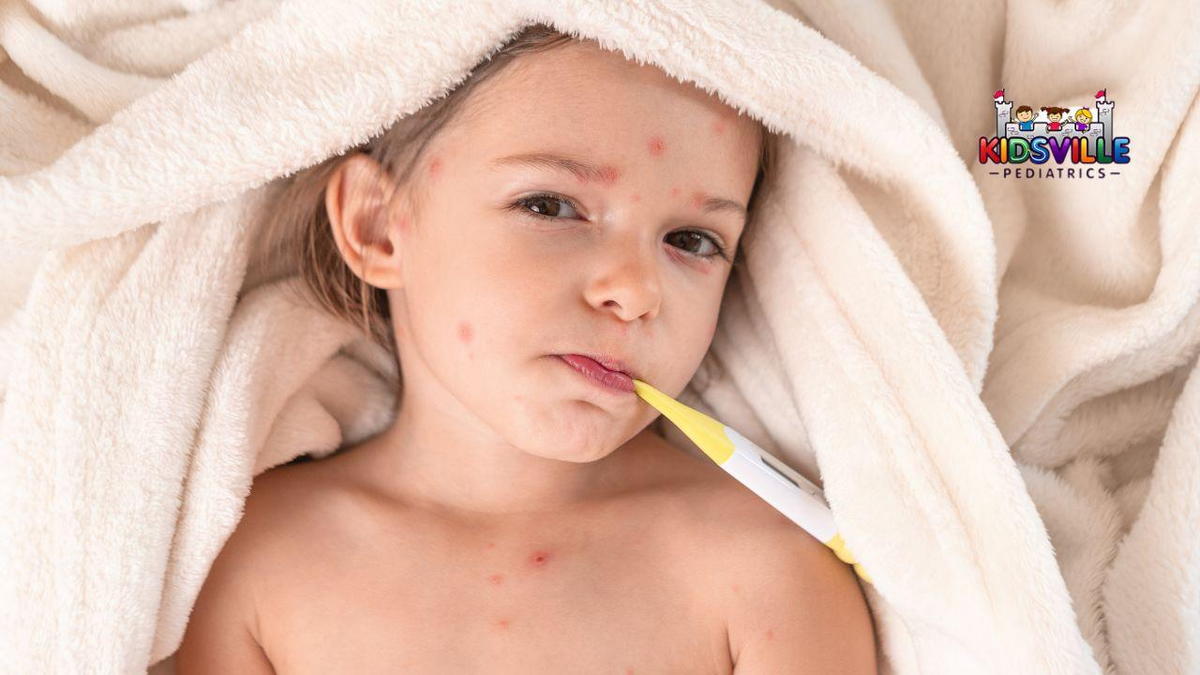
At Kidsville Pediatrics Mansfield, we prioritize keeping families informed about potential health risks and preventive measures.
Monkeypox primarily spreads through direct contact with the bodily fluids or lesions of an infected person or animal. This can include touching the rash, scabs, or sores of someone with monkeypox. Additionally, the virus can spread through respiratory droplets during prolonged face-to-face contact, similar to how the flu spreads. This means that close contact with an infected individual, such as hugging, kissing, or sharing bedding and clothing, can facilitate the transmission of monkeypox.
Another significant mode of transmission is through contact with contaminated objects or surfaces. The virus can survive on items like clothing, bedding, and towels used by an infected person. When another person touches these contaminated objects and then touches their face, mouth, or open wounds, they can contract the virus. Therefore, maintaining good hygiene practices and avoiding the sharing of personal items is crucial in preventing the spread of monkeypox.
Animals, particularly rodents and primates, can also be carriers of monkeypox. Humans can contract the virus through bites, scratches, or direct contact with the blood, bodily fluids, or lesions of infected animals. In regions where monkeypox is more prevalent, it's essential to avoid handling wild animals and to ensure proper cooking of animal products to reduce the risk of transmission.
Understanding the various ways monkeypox spreads is vital for taking appropriate preventive measures. Regular hand washing, using disinfectants on potentially contaminated surfaces, and practicing respiratory hygiene are effective strategies to reduce the risk of transmission. At Kidsville Pediatrics, we are committed to providing guidance and support to help families navigate these health challenges and keep their children safe and healthy. If you suspect exposure to monkeypox or have concerns about its spread, consult with our healthcare professionals for accurate information and advice.
Monkeypox vs. Other Childhood Illnesses: Key Differences
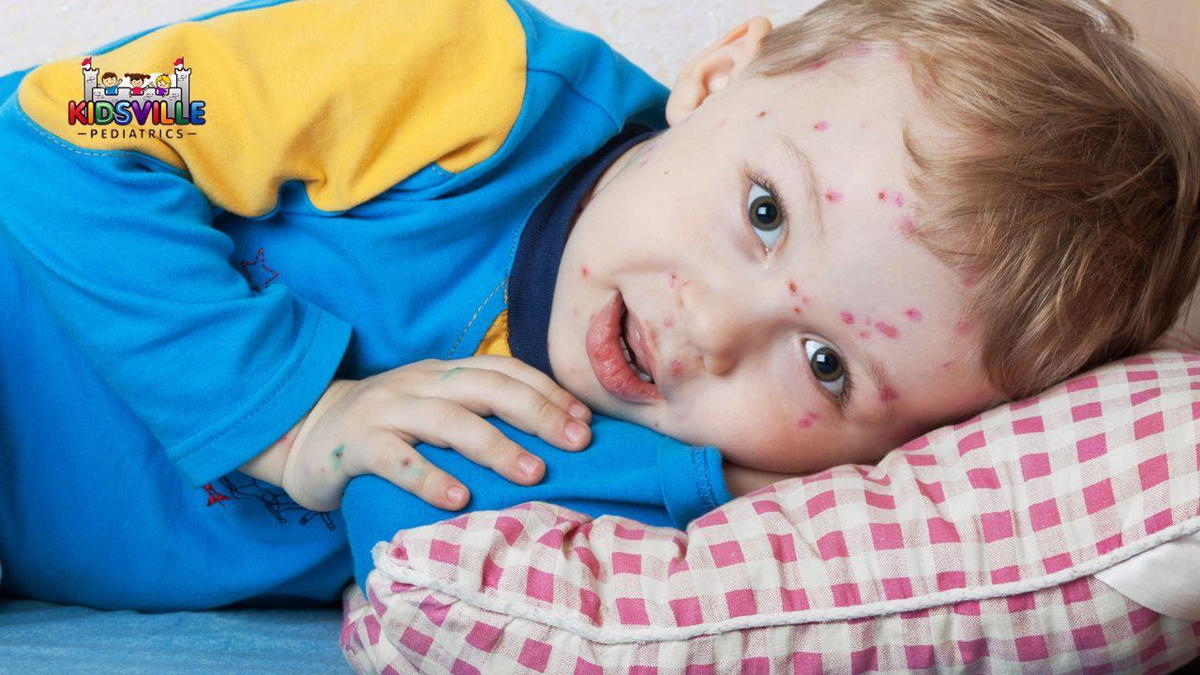
Distinguishing between monkeypox and other childhood illnesses is crucial for accurate diagnosis and appropriate treatment. Unlike common childhood illnesses such as chickenpox or measles, monkeypox presents with distinct symptoms that require careful observation.
Monkeypox typically begins with flu-like symptoms such as fever, chills, and fatigue, which can mimic the early stages of many viral infections. However, what sets monkeypox apart is the subsequent development of a rash that progresses through various stages—from red spots to fluid-filled blisters and eventually pustules that crust over. This rash often starts on the face and spreads to other parts of the body, including the palms of the hands and the soles of the feet.
Another distinguishing feature of monkeypox is swollen lymph nodes, which are prominent and can be felt under the skin in areas like the neck, armpits, and groin. These swollen lymph nodes are a significant indicator of the body's immune response to the virus.
Comparatively, illnesses like chickenpox present with an itchy rash that typically starts on the trunk and spreads outward. Measles, on the other hand, often begins with a high fever, cough, runny nose, and red, watery eyes, followed by a rash that starts on the face and spreads downward.
Understanding these differences is essential for timely medical intervention and proper management. If you suspect your child may have monkeypox or another infectious illness, seeking evaluation by Mansfield pediatricians is crucial. They can provide accurate diagnosis, recommend appropriate treatment, and offer guidance on supportive care measures to ensure your child's health and well-being.
Preventing Monkeypox: Tips for Parents

Preventing monkeypox requires a combination of vigilance, good hygiene practices, and awareness of potential risks. At Kidsville Pediatrics Mansfield, we understand the importance of keeping your children safe from infectious diseases, and we offer several tips to help prevent monkeypox.
Firstly, educating your children about the importance of personal hygiene is crucial. Encourage regular hand washing with soap and water, especially before eating and after using the bathroom. Hand sanitizer with at least 60% alcohol can be used when soap and water are not available. Teaching children to avoid touching their face, particularly their eyes, nose, and mouth, can also reduce the risk of transmission.
Avoiding close contact with individuals who are sick is another key preventive measure. Monkeypox can spread through direct contact with an infected person's lesions, bodily fluids, or respiratory droplets. If someone in your household is showing symptoms of monkeypox, such as a rash, fever, or swollen lymph nodes, it is essential to minimize contact and seek medical advice promptly. Isolating the infected individual and using personal protective equipment, like gloves and masks, can help contain the spread of the virus.
Cleaning and disinfecting surfaces that may be contaminated is also important. The virus can survive on objects and surfaces, so regular cleaning of frequently touched items like doorknobs, toys, and electronics is recommended. Using a household disinfectant can effectively kill the virus and reduce the risk of transmission.
Additionally, avoiding contact with animals that could carry monkeypox, such as rodents and primates, is crucial. Educate your children about the dangers of handling wild animals and ensure that any pets are kept away from potentially infected wildlife. Properly cooking meat and animal products can further reduce the risk of zoonotic transmission.
By following these preventive measures and staying informed about monkeypox, parents can significantly reduce the risk of infection and protect their children’s health. Pediatrics Mansfield professionals are dedicated to providing you with the latest information and support to keep your family safe and healthy. If you have any concerns or questions about monkeypox, don't hesitate to reach out to our experienced healthcare professionals.
When to Seek Medical Attention: Recognizing Serious Monkeypox Symptoms
If your child develops a fever, aches, or swollen lymph nodes, it's crucial to contact your Mansfield pediatrics TX experts. These symptoms can indicate the onset of monkeypox, and early medical intervention can help manage the illness more effectively. Additionally, if your child develops a new rash or sores, it’s essential to seek medical advice. Monkeypox rashes progress from red spots to fluid-filled blisters and eventually to pustules, which can be painful and distressing. Prompt evaluation by a healthcare provider can ensure proper diagnosis and care.
Close contact with an infected person significantly increases the risk of contracting monkeypox. If your child has been in close proximity to someone diagnosed with monkeypox, pediatric urgent care is necessary, even if symptoms have not yet appeared. This proactive approach can help contain the spread of the virus and allow for early treatment if needed.
Certain severe monkeypox symptoms require emergency medical care. If your child experiences a stiff neck, chest pain, confusion, or difficulty speaking, these could be signs of a serious complication. Similarly, loss of consciousness, loss of mobility, seizures, or trouble breathing are critical symptoms that necessitate immediate attention. These conditions can indicate severe neurological or respiratory involvement, which requires urgent medical intervention to prevent further deterioration.
Mansfield TX pediatrics professionals are committed to providing the best care for your child. Recognizing the symptoms of monkeypox and knowing when to seek medical attention can make a significant difference in managing the illness effectively.
Vaccination and Monkeypox: What Parents Should Know

Monkeypox virus vaccine is a critical consideration for parents looking to safeguard their children's health. While no specific vaccine exists solely for monkeypox, the smallpox vaccine has shown efficacy in providing cross-protection due to similarities between the two viruses. This vaccine, known as the vaccinia vaccine, isn't routinely administered to the general public anymore but may be recommended for certain high-risk groups, such as healthcare workers or those living in regions where monkeypox outbreaks occur.
Preventive measures beyond vaccination include educating children on proper hygiene practices. Regular handwashing with soap and water, especially after potential exposure to animals or infected individuals, can greatly reduce the risk of transmission. Additionally, avoiding contact with wild animals, particularly rodents and primates, is crucial as they can carry the virus.
Staying informed about vaccination guidelines and recommendations from reputable health authorities, like the Centers for Disease Control and Prevention (CDC), is essential for making well-informed decisions about your child's health. While monkeypox remains rare in the United States, understanding these preventive measures and vaccination options empowers parents to protect their children against infectious diseases effectively.
At Kidsville Pediatrics Mansfield TX, we prioritize providing comprehensive guidance on vaccination and disease prevention strategies tailored to your child's individual health needs. If you have questions or concerns about vaccination and monkeypox, don't hesitate to reach out to our healthcare professionals.
Managing Monkeypox at Home: Care and Comfort Tips

Managing monkeypox at home requires careful attention to your child's comfort and recovery. Pediatrics Mansfield professionals emphasize supportive care strategies to alleviate symptoms and promote healing.
Firstly, it's essential to keep your child hydrated. Encourage them to drink plenty of fluids, such as water, clear soups, or electrolyte solutions, to prevent dehydration, especially if they have fever or gastrointestinal symptoms.
Comfort measures for skin care are also crucial. Monkeypox rash can be itchy and uncomfortable. Using mild, fragrance-free moisturizers and applying cool compresses can help soothe irritated skin. Avoiding scratching or picking at the rash is important to prevent infection and promote healing.
Over-the-counter medications, such as acetaminophen or ibuprofen, can help reduce fever and alleviate mild pain. However, it's essential to follow dosage instructions carefully and consult with a healthcare provider before giving any medication to your child.
Rest is vital for recovery. Ensure your child gets plenty of sleep and relaxation to support their immune system and aid in healing. Creating a comfortable and quiet environment can contribute to their overall well-being during recovery.
Monitoring for any worsening symptoms, such as difficulty breathing, severe pain, or signs of dehydration, is crucial. If you notice any concerning changes in your child's condition, don't hesitate to contact pediatricians for medical advice and guidance.
By implementing these care and comfort tips at home, you can help manage monkeypox symptoms effectively and support your child's recovery. Our healthcare professionals are here to provide support and answer any questions you may have to ensure your child receives the best possible care during this time.
Conclusion
In recent times, heightened awareness of infectious diseases affecting children underscores the importance of understanding conditions like monkeypox. As parents, equipping ourselves with knowledge on how to protect our children is paramount. At Kidsville Pediatrics, our commitment is to provide the most current and accurate information to help navigate these concerns.
Monkeypox, though less familiar than other childhood illnesses, has sporadically surfaced, raising numerous parental queries. What exactly is monkeypox? How does it affect children? What preventative measures can parents take? These are the pivotal questions we have addressed in this comprehensive guide. Our aim is to empower parents with knowledge, enabling them to make informed decisions about their child’s health.
In this series, we have delved into the essentials of monkeypox, beginning with an overview of the disease. Covering its origins, symptoms, transmission methods, and more, we have strived to provide a reliable resource. As trusted medical professionals in Mansfield pediatrics TX, we stress the importance of staying informed about potential health risks and taking proactive measures to safeguard your family.
Navigating new health concerns may seem daunting, but armed with accurate information and support, you can confidently confront any challenges that arise. This Mansfield pediatrician guide serves as an introduction. If you need further medical assistance pertaining to monkeypox, do not hesitate to reach our clinics in these locations:
Kidsville Pediatrics Mansfield TX: 682-341-3910; 1759 Broad Park Circle S, Suite 201 & 205, Mansfield, TX
Kidsville Pediatrics Southlake: 682-345-8010; 2813 W. Southlake Blvd Suite 100 Southlake, TX
Kidsville Pediatrics McKinney: 469-885-9400; 5881 Virginia Pkwy. Suite 300 Mckinney, TX
