
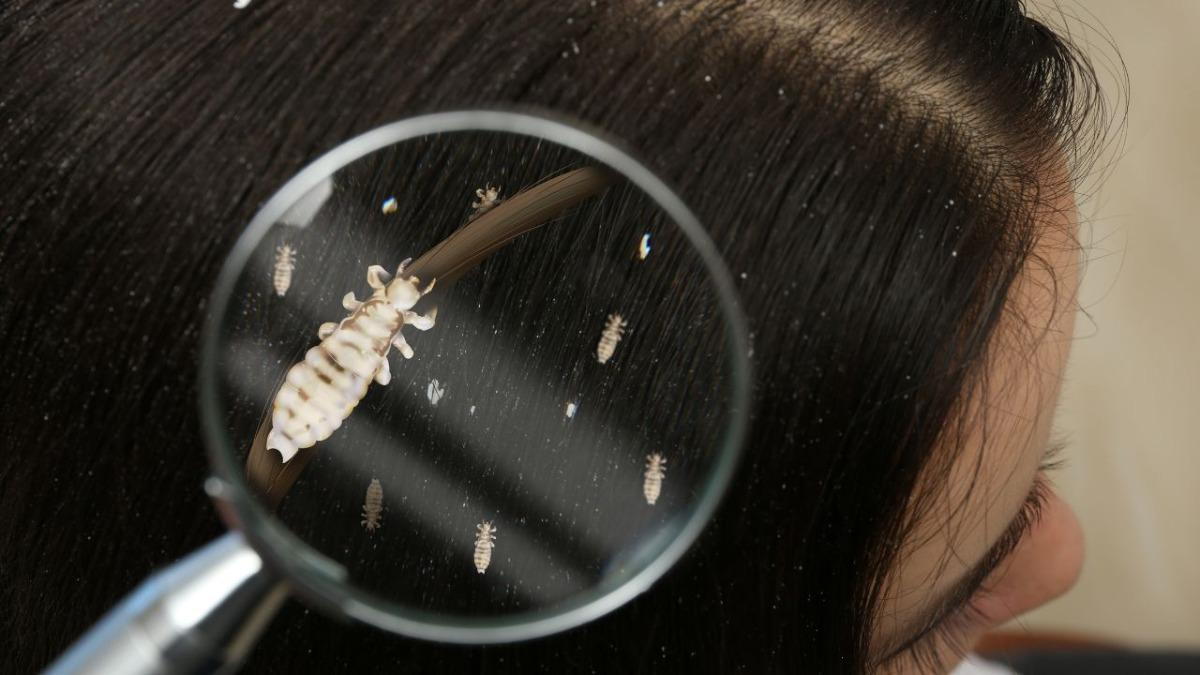
Dealing with head lice can be a daunting experience for any parent, but at Kidsville Pediatrics Southlake, we're here to help you navigate this common yet challenging issue. Head lice infestations are a reality many families face, often causing stress and confusion. Our ultimate guide, "Defeat the Itch," is designed to equip you with the knowledge and tools you need to manage and overcome head lice effectively.
Head lice, though not dangerous, can disrupt daily life and lead to discomfort for your child. Recognizing the signs early and taking prompt action can make all the difference in managing an infestation. Pediatrician Southlake TX experts aim to demystify the process, providing clear and practical advice tailored to the needs of parents and children alike. By following our expert tips and recommendations, you can tackle head lice head-on, ensuring your child returns to their routine quickly and comfortably.
We also understand the emotional toll that head lice can take on both children and parents. The stigma and misconceptions surrounding lice infestations can add unnecessary stress to an already challenging situation. At Kidsville Pediatrics Southlake, we are committed to supporting you every step of the way, offering not just medical advice but also reassurance and encouragement so, read on.
Signs, Symptoms and Diagnosis: How to Identify a Head Lice Infestation

Parasites, such as lice, are organisms that thrive by living on or inside another organism, relying on their host for sustenance. Lice, small wingless insects, are known for feeding on human blood and spreading primarily through close contact or by sharing personal items like hats, brushes, or bedding. Addressing lice promptly and effectively is crucial as infestations can persist and cause discomfort if left untreated.
Types of Lice
Lice are typically small, measuring up to 1/8 inch (3 millimeters) in length. There are three main types that infest humans:
Head Lice: Found on the scalp, particularly around the nape of the neck and over the ears, head lice are common among school-aged children and spread easily through direct head-to-head contact.
Body Lice: These lice reside in clothing and bedding, moving onto the skin to feed. Common in individuals who cannot maintain frequent hygiene practices, body lice bites leave small, red marks and may lead to skin irritation, particularly on the shoulders, buttocks, and abdomen.
Pubic Lice: Also known as crabs, pubic lice infest the pubic area and occasionally coarse body hair like that on the chest, eyebrows, or eyelashes. They can cause bluish-gray spots on the skin and may result in swollen lymph nodes when infesting the pubic area or irritation of the eyelashes.
General Signs and Symptoms
Recognizing the signs of a lice infestation is important for timely intervention:
Intense Itching: Persistent itching on the scalp, body, or genital area.
Tickling Sensation: Feeling something moving in the hair.
Visible Lice and Nits: Lice visible on scalp, body, clothing, or in body hair; nits (lice eggs) attached to hair shafts.
Sores and Bumps: Scratching may lead to small red bumps or sores.
Bite Marks: Marks around the waist, groin, upper thighs, and pubic area.
Diagnosis
Diagnosing lice involves careful examination:
Head Lice: Detected by combing wet hair with a fine-tooth comb, starting from the scalp and moving outward. Nits, easier to spot than lice themselves, appear as small, firmly attached grayish-white eggs on hair shafts.
Body Lice: Found in clothing seams and bedding.
Pubic Lice: Identified under ultraviolet light and microscopically, also leaving dark brown specks (feces) on skin or clothing.
Understanding these aspects helps in effectively managing lice infestations. For professional guidance and treatment options, consult a pediatrician Southlake TX expert who is experienced in addressing lice concerns.
Combing Techniques: A Pediatrician Southlake Expert Advice
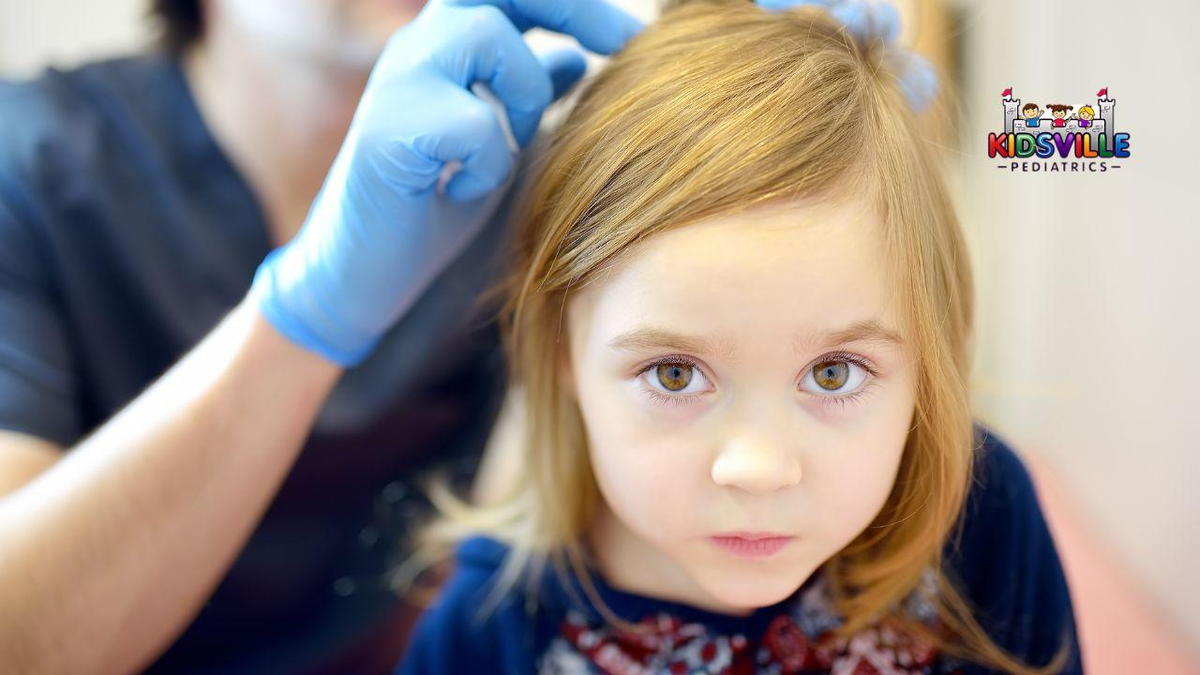
Wet-combing with a lice comb is a highly effective method to remove lice and their eggs, known as nits, from hair. It involves combing through moistened hair to detect and eliminate lice infestations. This approach, combined with medicated shampoos or rinses, forms a comprehensive strategy for managing lice infestations.
Understanding Wet-Combing
Wet-combing is performed by first moistening the hair with clean, room-temperature water using a spray bottle or bowl. This step helps to make lice and nits more visible and facilitates the separation of hair strands for thorough combing. It's essential to gather the necessary supplies before starting, including:
Spray bottle or bowl: for wetting the hair.
Towel: to drape around the shoulders.
Comb or brush: to detangle hair before combing.
Hair clips or pins: to section off hair for systematic combing.
Lice comb: with narrow, closely spaced teeth.
Tissues: for wiping off the comb after each use.
Trash can or bag: to dispose of used tissues.
Pediculicide treatment: for use after combing to eradicate any remaining lice or nits.
Optional items like regular shampoo and conditioner, bright lighting, mirrors, and magnifying glasses can enhance the combing process by improving visibility and inspection accuracy.
Step-by-Step Wet-Combing Guide
Prepare the Environment: Ensure the person with lice is seated in a well-lit area with a towel draped around their shoulders.
Section the Hair: Use hair clips or pins to divide the hair into manageable 1-inch sections. This method prevents lice from moving between hair sections and allows thorough combing.
Comb Through Each Section: Starting at the scalp, slowly run the lice comb through each section of hair, moving outward to the ends. Check the comb for lice and nits after each pass, using tissues to clean the comb and discarding used tissues in a sealed bag.
Repeat and Rinse: Comb each section of hair at least twice to ensure thorough removal of lice and nits. After combing, rinse the hair with water or apply a pediculicide treatment as directed to eliminate any missed lice or eggs.
Clean and Disinfect: Soak the lice comb in water hotter than 130°F for 10 minutes to kill any remaining lice or eggs. Alternatively, soak the comb in a pediculicide treatment for one hour. Dispose of used tissues separately to prevent re-infestation.
What to Avoid
To maximize effectiveness and prevent re-infestation, avoid common mistakes during wet-combing:
Allow hair to dry: Complete wet-combing before allowing the hair to dry.
Reuse tissues or comb: Use fresh tissues for each wipe and disinfect the comb between uses.
Dispose properly: Seal used tissues in a trash bag and avoid common bins.
Immediate hair washing: Wait at least 2 days before washing hair after using a pediculicide treatment.
Wet-combing, when performed diligently and correctly, offers a non-toxic, hands-on approach to managing lice infestations effectively. It is a preferred method among parents and caregivers seeking safe and thorough solutions to this common childhood issue.
Lice Treatment Options: Over-the-Counter, Prescription, and Home Remedy Solutions

Dealing with lice infestations requires prompt and effective treatment to alleviate discomfort and prevent spread. Understanding your options and guidelines can significantly aid in managing these parasites effectively.
Understanding Lice Infestations
Lice affect millions of school-age children annually, with certain regions facing resistant strains to permethrin-based treatments. Quick action upon noticing lice is crucial to prevent further spread.
Immediate Steps to Take
Early Treatment: Upon detection of lice on your child’s head or body, initiate treatment promptly.
Close Contact: If living with or near someone with lice, ensure everyone is checked for infestation.
Bed Sharing: Treat everyone sharing a bed with an infested individual simultaneously to prevent re-infestation.
Contrary to common misconceptions, head lice are not indicative of poor hygiene. However, untreated lice can persist and worsen over time.
Available Treatment Options
Over-the-Counter (OTC) Treatments
Pediculicides: Available with or without prescription, these shampoos aim to eliminate live lice and their eggs (nits). Consult a pediatrician in Southlake TX, especially if pregnant or breastfeeding, to ensure safe product usage.
Active Ingredients: OTC options include permethrin lotion (Nix), suitable for children aged 2 months and older, and pyrethrins with piperonyl butoxide formulations (e.g., Rid, Triple X), effective from age 2 years.
Non-Pesticide Alternatives: Dimethicone, a silicone-based non-pesticide, coats and disrupts lice without pesticide risks, recommended for its efficacy in various studies.
Prescription Treatments
Benzyl Alcohol (Ulesfia): Prescribed for children aged 6 months and older, it kills active lice but not eggs. Application involves combing and leaving the product on dry hair for 10 minutes before rinsing, with a repeat treatment after a week if necessary.
Lindane and Alternatives: Although FDA-approved, Lindane is less favored due to potential nervous system effects. Alternatives like Ivermectin (Sklice), effective against most lice with one application, and Malathion (Ovide), potent against lice and some eggs but flammable, provide additional treatment choices.
Spinosad (Natroba): Known for its efficiency with just one treatment, it eradicates nits and live lice, safe for children aged 6 months and older.
Medical Intervention
In cases resistant to conventional treatments, pediatricians may prescribe oral Ivermectin tablets under strict medical supervision, avoiding veterinary versions due to differences in formulation and dosage.
Navigating lice treatments involves understanding available options and adhering to professional guidance. For personalized advice and treatment plans tailored to your child’s needs, consult with a trusted pediatrician in Southlake TX, ensuring effective management of lice infestations without compromising safety or efficacy. Early intervention and comprehensive care are key to overcoming these common childhood parasites.
Preventing Head Lice: Tips and Best Practices

Head lice are a common concern among children aged 3 to 11 years, making awareness and prevention strategies crucial for parents, teachers, and caregivers.
Lice do not fly or jump but spread through direct head-to-head contact. They crawl from one person's hair to another, making activities involving close hair contact a primary mode of transmission.
Avoiding Shared Items
While lice primarily spread through direct contact, they can also hitch a ride on shared items like hats, hoodies, towels, beds, and pillows. Avoid sharing personal items that come into contact with the head to minimize the risk of transmission.
Be Cautious with Accessories
Items like headphones and earbuds can harbor lice temporarily if shared. To reduce the risk, refrain from sharing these accessories, especially in environments like home or the gym where close contact is common.
Upholstered Surfaces and Lice
Lice and their eggs (nits) can survive on upholstered furniture and rugs for up to 48 hours. Opt for wooden or plastic chairs over plush sofas in public places to lower the risk of lice exposure. Similarly, keep stuffed animals and similar items clean to prevent lice infestation.
Laundry Practices for Prevention
If you suspect exposure to lice, promptly wash potentially contaminated clothing and bedding in hot water (at least 130°F) and dry on high heat. This kills lice and nits effectively. Items that cannot be washed should be sealed in a plastic bag for two weeks to ensure any lice perish.
Preventing lice involves vigilance and proactive measures to reduce opportunities for transmission. By following these guidelines, including avoiding direct head contact and maintaining cleanliness in shared environments, parents and caregivers can significantly reduce the likelihood of lice infestations among children. Regular education and awareness remain essential in safeguarding against this common childhood nuisance. For personalized advice and further strategies, consult a trusted pediatrician who can provide tailored recommendations based on individual circumstances.
When to See a Doctor: Understanding When Professional Help is Needed
Head lice are a common concern among children, but discussing it openly can alleviate fear and promote proactive prevention. Here’s why and how to talk to your kids about head lice.
Many children feel ashamed or scared about head lice due to societal stigma. By openly discussing lice, parents empower children to recognize and address the issue without shame.
Initiating conversations about head lice early—around age 3—helps children understand the basics and recognize risky situations, fostering honesty and proactive prevention.
Tips for Talking to Your Child
Here are practical strategies to make discussing head lice easier and more effective for both parents and children:
Start with Simple Questions: Engage your child with open-ended questions to gauge their understanding and feelings about head lice. This approach encourages dialogue and shows empathy.
Use Simple Language: Avoid technical terms and focus on explaining lice in a way that children can grasp. Emphasize that lice are like other bugs that can be managed with proper care.
Avoid Blame: Reassure your child that getting head lice is not their fault or a reflection of hygiene. Explain that lice spread through close contact and are common among children.
Clarify Safety: Ensure your child understands that head lice are not dangerous or a sign of illness. Explain that treatment options are available and effective.
Discuss Treatment Options: Introduce treatment methods calmly and positively. Explain that professional treatments like those offered at Kidsville Pediatrics are safe and effective, using medical and other methods like oiling and combing to remove lice gently.
Normalize the Experience: Share that many children get head lice each year, emphasizing that it’s a common issue that can be resolved with proper treatment.
Kidsville Pediatrics Southlake offers professional advice, ensuring effective lice removal. Our approach focuses on medications combined with thorough combing techniques, reassuring children and parents alike.
Best Pediatricians Near Me
Talking openly about head lice with your child not only reduces fear but also empowers them to take preventive actions. By choosing effective treatment options like those provided by Kidsville Pediatrics Southlake, you can address head lice promptly and confidently. Contact us to schedule treatment and turn a potentially stressful situation into a positive learning experience for your child. Together, we can manage head lice effectively and ensure your child’s comfort and well-being.
