
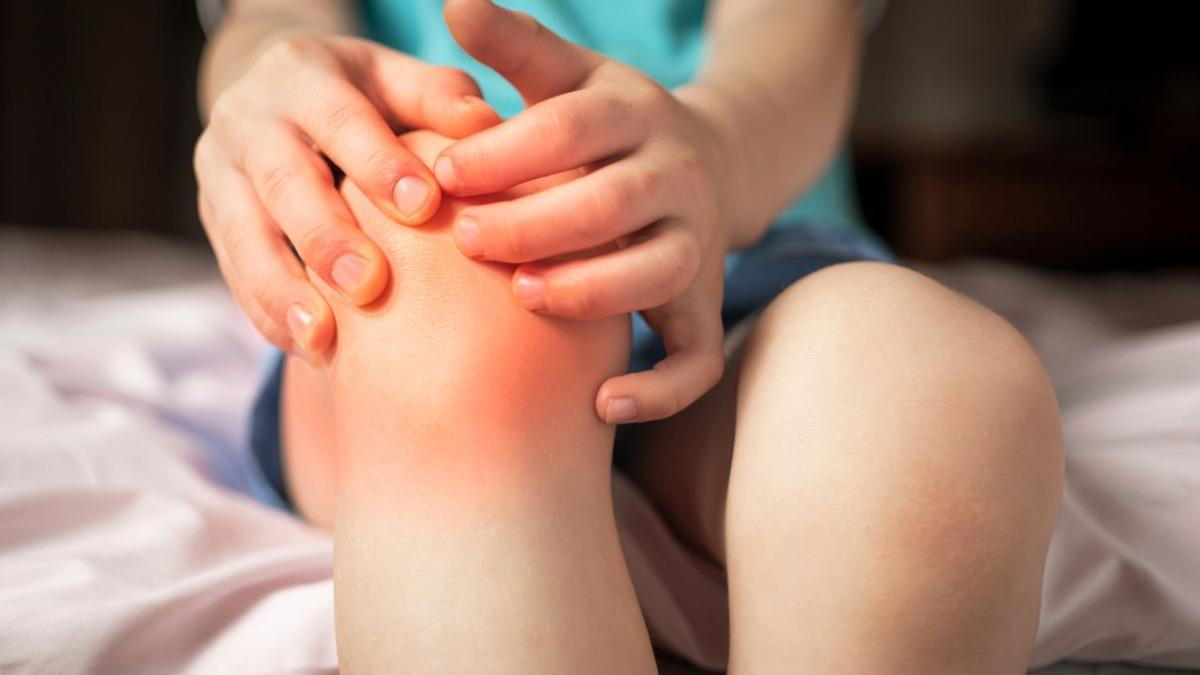
When your little one experiences joint or muscle pain, it's natural to seek answers and solutions quickly. Understanding how pediatric rheumatology plays a crucial role in diagnosing and treating these conditions is essential for helping your child move from pain to play. McKinney pediatrics doctors are here to support you every step of the way.
Pediatric rheumatology focuses on a range of conditions that impact the joints, muscles, and connective tissues of children. These conditions can be complex and challenging, but with the right knowledge and care, you can ensure your child receives the best possible treatment. In this guide, you'll discover the various aspects of pediatric rheumatism, from understanding the conditions to exploring treatment options. Whether you're just starting to notice symptoms or are seeking more information after a diagnosis, we aim to provide you with the insights and resources you need to support your child's journey from pain to play.
Common Pediatric Rheumatology Conditions

When your child experiences musculoskeletal (MSK) complaints, it can be a source of significant concern. These complaints range from benign conditions to serious ailments requiring prompt attention. At Kidsville Pediatrics McKinney, we emphasize the importance of a thorough history, physical examination, and essential investigations to differentiate between rheumatic and non-rheumatic conditions.
Toxic Synovitis of the Hips
One common cause of non-rheumatic joint pain is toxic synovitis of the hips, often affecting boys under eight years old. Typically, this condition follows an upper respiratory tract infection and presents as a painless limp or pain in the groin, anterior thigh, or knee. Unlike septic arthritis, children with toxic synovitis appear well but hold the affected limb in external rotation and flexion. Investigations may show normal results or mild increases in inflammatory markers. Management includes rest and analgesia to alleviate symptoms.
Growing Pains
Growing pains are another benign cause of MSK complaints, often affecting children aged 3 to 10 years. These pains are usually severe, occurring late in the day or at night, awakening the child from sleep. Despite the pain, the child remains asymptomatic during the day with no functional limitations. Growing pains are typically intermittent, with symptom-free intervals. Physical examinations, laboratory tests, and radiological investigations are usually normal. Reassurance and supportive analgesia are key management strategies.
Childhood Malignancies
Sometimes, joint pain in children can indicate more severe conditions, such as childhood malignancies like leukemia, lymphoma, and neuroblastoma. These conditions often present with severe pain disproportionate to clinical findings, lack of morning stiffness, and pain localizable to the bone. Accompanying symptoms may include fever, weight loss, and night sweats. Investigations might reveal thrombocytopenia and elevated LDH levels, indicating malignancy. If you notice these symptoms, seeking prompt medical attention is crucial.
Slipped Capital Femoral Epiphysis (SCFE)
SCFE is a condition where the femoral head displaces from the femoral neck, frequently affecting overweight boys between 10 and 14 years or children with endocrine issues like hypothyroidism. Children may present with hip pain, which can be acute or insidious, often manifesting as knee pain. Examination reveals a flexed, externally rotated hip with painful and limited internal rotation. Diagnosis is confirmed radiologically, and the child should use non-weight-bearing crutches until surgical intervention is possible.
Legg-Calve-Perthes Disease
Legg-Calve-Perthes disease involves avascular necrosis of the femoral capital epiphysis, commonly affecting boys aged 4 to 10 years. Symptoms include a painful limp and limited hip joint motion. Early disease detection often requires MRI, as initial radiographs may appear normal. Keeping the child non-weight-bearing is crucial until orthopedic referral. Treatment aims to maintain the femoral head within the acetabulum, which may involve abduction splints, casts, or surgical intervention.
Rheumatic Conditions
While some MSK complaints stem from benign conditions, others may indicate rheumatic diseases like juvenile arthritis. Comprehensive evaluation and specialized care are essential to manage these chronic conditions effectively. Kidsville Pediatrics McKinney is dedicated to providing expert care and support for children with pediatric rheumatism .
Signs and Symptoms to Watch For

Rheumatic diseases can affect your child's joints, tendons, ligaments, bones, and muscles. These conditions, often known as musculoskeletal diseases, include various types of arthritis. While osteoarthritis is common among adults, affecting about 32.5 million people in the U.S., other rheumatic diseases like rheumatoid arthritis and lupus also exist, though they are less prevalent.
If your child’s doctor suspects a rheumatic disease, you’ll likely be referred to a rheumatologist, a specialist in these conditions. Some signs to watch for in your child include joint pain, soreness, and tenderness; inflammation or swelling, redness, and warmth in the affected area; stiffness and limited motion in the joints, especially in the morning; improvement in symptoms with light activity but worsening after intense play or exercise; increased pain during stormy or humid weather; and frequent tiredness.
Rheumatic pain in children often presents as a deep, aching sensation in one or more joints. These joints may be tender to the touch and typically stiff after periods of inactivity, such as after sitting or lying down for a while. The pain may vary from day to day, seemingly without reason. Learning about these symptoms and seeking urgent pediatric care is crucial. Consulting the best pediatrician in McKinney, TX, ensures your child receives the appropriate care and management for any suspected rheumatic conditions.
Diagnosis and Assessment in Pediatric Rheumatology

The most effective treatment starts with an accurate diagnosis, understanding your child’s unique symptoms, and how those symptoms affect day-to-day life. Our specialists may use a combination of diagnostic services to diagnose your child’s condition accurately. Blood and urine tests can determine the presence of autoantibodies, which may indicate an autoimmune disorder.
Electromyography is used to detect muscular abnormalities, and imaging tests such as X-rays, ultrasound, CT scans, and MRI take detailed images of your child’s joints, including cartilage and bone. A complete physical examination evaluates your child’s joint mobility and assesses how much pain movement causes.
Once our doctors determine a diagnosis, we work with you to find the best possible form of treatment for your child and your lifestyle. We offer a variety of treatments to manage rheumatic disease and help your child feel their best. Oral medication is often used to inhibit autoimmunity and decrease inflammation. For children who might not respond well to oral medication, injection and infusion therapies are available as effective alternatives. Our registered dietitians can provide nutrition and supplement recommendations tailored to your child’s needs. Physical and occupational therapy are also vital components of treatment, aiming to improve your child’s range of motion and overall functionality.
Choosing the right pediatrician in McKinney, TX, ensures your child receives comprehensive and compassionate care tailored to their specific needs. With accurate diagnosis and personalized treatment plans, we strive to help your child live a healthy, active life despite the challenges of rheumatic disease.
The Role of Physical Therapy in Recovery
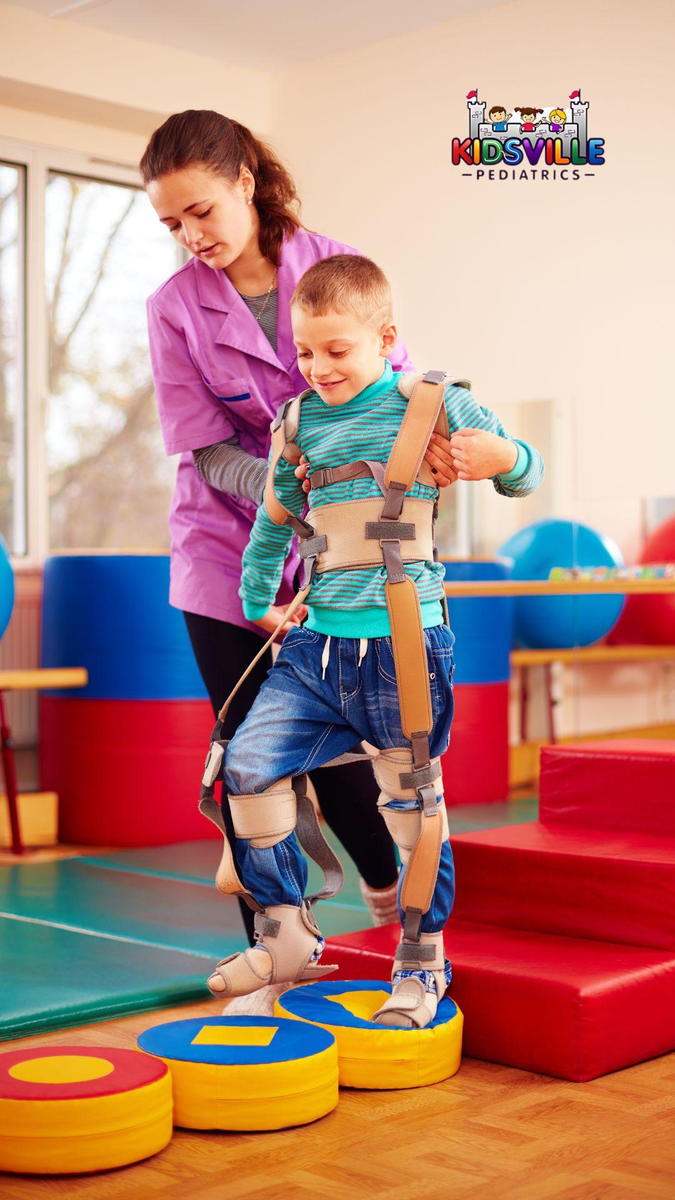
Physical therapists are trained experts at delivering a variety of treatments to help reduce pain and improve joint movement. A child who experiences limited mobility can feel isolated and left out, unable to take part in activities with other children. A physical therapist can help the child to improve muscle tone and strength while reducing joint inflammation. This helps children regain the quality of life they deserve, allowing them to live with less pain and enjoy the benefits of unrestricted movement.
Making physical therapy fun is essential for children. A physical therapist uses various techniques to help kids recover from the effects of joint pain. Aquatic therapy in a swimming pool, passive exercises, and various exercises to increase muscle tone in a group environment are safe, fun, and beneficial for children.
Contrast therapy involves alternating hot and cold therapy, resulting in a fluctuation in blood supply to the affected joints. Increasing and decreasing the blood supply helps reduce pain and inflammation. Ultrasound therapy can be used as an adjunct for further relief.
Manual therapy is another technique where physical therapists use manual joint techniques and soft tissue massage to help relieve pain. Orthoses involve offering the patient aids to correct deformity, increase joint movement, and facilitate mobility. A variety of devices that can support the spine, ankle, hip, and knee are available. These orthoses are usually custom-made and can provide great relief from pain as well.
By incorporating these methods, pediatric healthcare McKinney physical therapists work to ensure that your child can enjoy an active, pain-free life. Whether through fun exercise routines, effective contrast therapy, hands-on manual therapy, or supportive orthoses, the goal is to help your child feel better and move more freely.
The Impact of Diet and Nutrition
When managing pediatric rheumatism, the right diet can play a crucial role in alleviating symptoms and improving your child's quality of life. Here’s a guide to help you navigate dietary choices to support your child’s health, with insights from Kidsville Pediatrics McKinney.
Your child’s body thrives on a balanced diet rich in a variety of healthy foods. Aim to include a range of fruits, vegetables, whole grains, lean proteins, and healthy fats in their daily meals. A Mediterranean-style diet, featuring fish, nuts, olive oil, and an abundance of fruits and vegetables, is particularly beneficial. Such a diet can provide essential vitamins, minerals, and antioxidants that help support overall health and potentially ease symptoms of pediatric rheumatism. Ensuring your child stays well-hydrated by drinking plenty of water is also important for maintaining energy levels and supporting joint health.
Managing Weight: Impact on Joint Health
Maintaining a healthy weight is vital for managing pediatric rheumatism. Excess weight can put additional stress on your child’s joints, exacerbating symptoms and potentially worsening their condition. Encourage physical activity tailored to your child’s ability and comfort level. Simple, low-impact exercises such as swimming or walking can help manage weight without putting too much strain on their joints. Always consult with a pediatrician or a dietitian before making significant changes to your child’s diet or exercise routine to ensure they are safe and appropriate for their specific needs.
Incorporating Omega-3 Fatty Acids
Omega-3 fatty acids, found in oily fish like salmon and sardines, flaxseeds, and walnuts, have been shown to have anti-inflammatory effects. While they may not replace medication, they can complement your child’s treatment plan by potentially reducing inflammation associated with certain types of pediatric rheumatism. Including these foods in your child’s diet can offer additional health benefits and may help improve their overall well-being.
Role of Supplements
Supplements like glucosamine and chondroitin are often discussed for managing arthritis, but evidence on their effectiveness is limited. Before introducing any new supplements, including omega-3s or glucosamine, consult with your pediatrician. Some supplements may interact with medications or may not be necessary depending on your child’s individual health needs.
Avoiding Unverified Dietary Restrictions
While some believe that certain foods, such as dairy or acidic fruits, may trigger arthritis symptoms, scientific evidence supporting these claims is not robust. It's important not to eliminate entire food groups without proper guidance. Instead, focus on a balanced, nutrient-rich diet and consult with a dietitian to make sure your child receives all essential nutrients.
Monitoring and Consulting
Keep track of what your child eats and any changes in their symptoms. This can help identify any potential dietary triggers. Regular consultations with your healthcare provider at Kidsville Pediatrics McKinney can provide personalized advice and ensure that any dietary changes are beneficial and safe for your child’s specific condition.
By focusing on a balanced diet, managing weight, and incorporating anti-inflammatory foods, you can support your child’s health and potentially improve their experience with pediatric rheumatism. Always work closely with your healthcare team to tailor these recommendations to your child’s unique needs.
Pediatrician Near Me: Kidsville Pediatrics McKinney
At Kidsville Pediatrics McKinney, we offer tailored treatment plans that incorporate the latest in medical advancements and nutritional guidance to support your child’s health. Our approach combines medical expertise with compassionate care, ensuring that your child receives a personalized treatment plan that addresses both their physical symptoms and overall well-being.
By consulting with our pediatricians, you gain access to a wealth of knowledge and resources designed to manage your child’s condition effectively. Our commitment to providing exceptional care means that you can focus on supporting your child, knowing they are in capable hands. For expert care and a supportive approach, trust Kidsville Pediatrics McKinney to be your partner in managing pediatric rheumatism and helping your child thrive.
You may schedule an appointment online: https://www.kidsvillepeds.com/appointment/
Or visit/call our clinics:
Kidsville Pediatrics Mansfield TX: 682-341-3910; 1759 Broad Park Circle S, Suite 201 & 205, Mansfield, TX
Kidsville Pediatrics Southlake: 682-345-8010; 2813 W. Southlake Blvd Suite 100 Southlake, TX
Kidsville Pediatrics McKinney: 469-885-9400; 5881 Virginia Pkwy. Suite 300 Mckinney, TX
