

Ringworm is a common fungal infection that affects the skin, caused by tiny fungi. These fungi thrive in warm, damp places and can lead to annoying rashes. Known medically as tinea infections, ringworm appears as an itchy, circular rash with clearer skin in the center. This rash can show up anywhere on your child's body, including their scalp or nails.
Pediatric ringworm can affect different areas:
Tinea corporis: This type causes a circular, itchy rash on the body. It’s often scaly and raised around the edges.
Tinea capitis: This occurs on the scalp and can cause patches of hair loss and a scaly appearance.
Onychomycosis: This affects the nails, making them discolored and thickened.
Ringworm spreads through direct skin-to-skin contact with someone or something that’s infected. It can also be passed through contaminated items like towels or playground equipment. Encouraging good hygiene and avoiding sharing personal items can help prevent the spread.
Early Misconceptions and Terminology
 Public domain image: Robert Remak
In medieval times, various skin ailments were collectively referred to with terms such as tinea, porrigos, and scabies. Guy de Chauliac, a French physician from the 14th century, used "Tinea" generically for these conditions. Later, William Willan replaced it with “Porrigo scutulata,” while other names like “Tinea circinata” and “Herpes squamosus” appeared in literature. Despite these attempts, there was considerable confusion regarding ringworm’s classification and etiology.
Ringworm in Ancient Times
Fossil evidence suggests that ringworm-like infections date back 125 million years, with early records in ancient texts. The Charaka Samhita, a text from the second century BC, describes a condition resembling ringworm known as Dadru. Similarly, ancient Indian texts by Susruta and Vagbhata mention Dadru under broader skin disease categories.
In the first century AD, Roman scholars like Celsus and Pliny discussed ringworm-like conditions. Dioscordes also noted scalp ringworm in children. The Arabic medical tradition also contributed, with Rabban Tabri and Zakariya Razi providing descriptions and ringworm treatments for ringworm-like conditions, named Qooba.
The Dawn of Modern Mycology
The 19th century marked a turning point in understanding ringworm. Before this era, ringworm was often misclassified with other skin diseases. However, advancements in the study of fungi began to shed light on its true nature.
In 1835, Robert Remak first observed the peculiar structures in ringworm lesions, but it was Raymond Sabouraud’s work in 1894 that revolutionized the field. Sabouraud's research, including his treatise “Les Trichophyties Humaines,” established the diverse fungal agents responsible for ringworm. He classified dermatophytes into four genera: Achrion, Epidermophyton, Microsporum, and Trichophyton. This classification helped clarify the etiology and treatment of ringworm.
Raymond Sabouraud's contributions laid the groundwork for modern mycology. His work, particularly his 1910 treatise “Les Tiegnes,” provided a comprehensive classification system and culture methods for studying fungi. Sabouraud’s pioneering efforts were followed by further research that refined fungal classification and treatment strategies.
In the early 20th century, advancements continued with the development of new techniques for isolating and studying fungi. Researchers like Bloch and Quincke expanded our understanding of ringworm's pathology and immunology. The recognition of different fungi causing similar infections led to more precise diagnostic methods and treatments.
Sabouraud's contributions were pivotal in advancing dermatology. His studies, presented at the Third International Congress of Dermatology in 1896, laid the foundation for future research on dermatophytes and fungal infections. This congress, featuring key figures like Malcolm Morris and Colcot Fox, highlighted the importance of Sabouraud’s findings and set the stage for subsequent developments in the field.
Identifying the Symptoms of Ringworm in Children
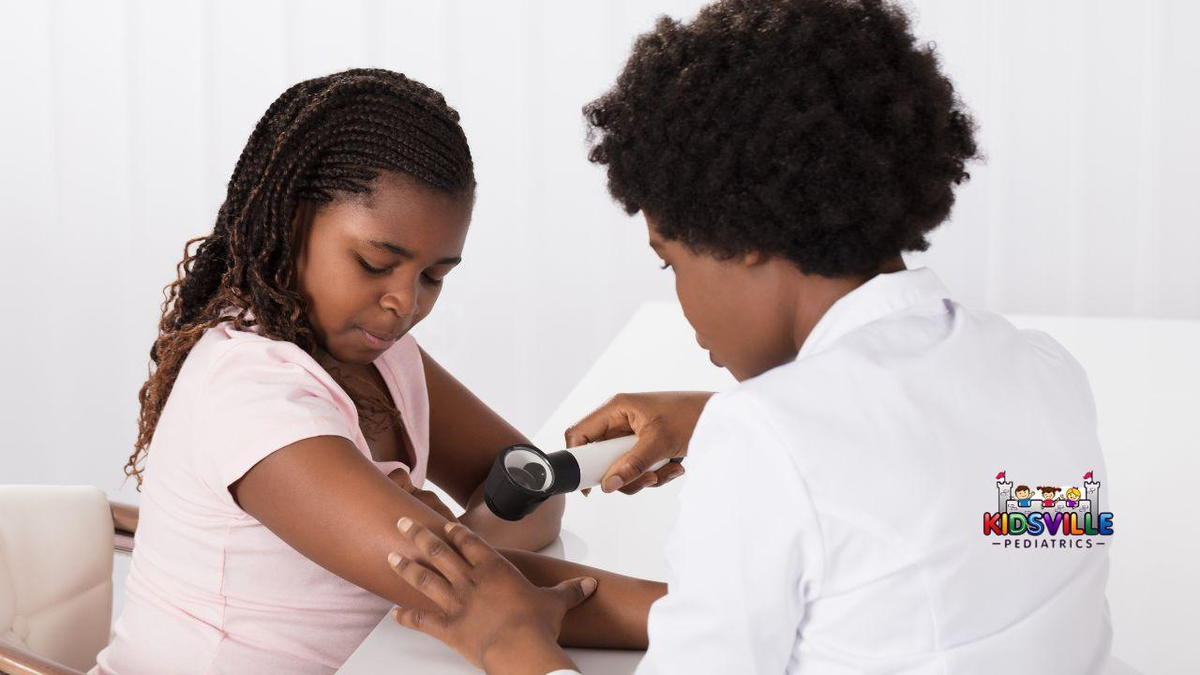
Ringworm appears as round, flat patches on the skin with raised, scaly edges. The color can vary depending on your child's skin tone—red or pink on light skin and brown or gray on darker skin.
How to Recognize Ringworm
On the Skin: Look for round patches that are itchy and have a raised, scaly border. These patches may start small but can grow larger over time, and the center often begins to clear up.
On the Feet (Athlete’s Foot): If your child has itching, burning, or stinging between their toes, or if their feet have dry, scaly skin, it could be athlete’s foot. Sometimes, the skin between the toes turns white and mushy, and you might notice a bad smell.
On the Hands: Ringworm on the hands might look like dry skin with deep cracks or ring-shaped patches on the back of the hand. It can spread from the feet if your child touches their infected feet and then their hands.
On the Nails: Infected nails may become thick, discolored, and might start to lift away from the nail bed. The nails could also crumble or disappear over time.
In the Groin (Jock Itch): This type of ringworm starts with a red, itchy rash in the groin area. It can spread to the inner thighs, waist, and buttocks, and may cause flaking and peeling skin.
On the Beard Area: If your child is older and has facial hair, ringworm can appear as redness, swelling, and pus-filled bumps on the face and neck. Hair loss in the affected area is possible, but hair usually grows back after treatment.
On the Scalp: Scalp ringworm causes bald patches with thick, crusty areas. It may lead to black dots in the bald spots and open sores that ooze pus. The scalp might be itchy and inflamed, with swollen lymph nodes.
If you spot any signs of ringworm on your child, it’s important to consult with McKinney pediatrics doctors for the right diagnosis and ringworm treatment. Mild cases can often be treated with antifungal creams, while more severe cases may require oral medications.
Preventing Ringworm: Hygiene Tips and Best Practices

Most mild cases of ringworm in children typically clear up within 2 to 4 weeks with proper care. However, if the infection is more severe or affects the nails or scalp, treatment might need to continue for up to 3 months. It’s important to follow pediatric healthcare McKinney experts’ advice for effective treatment to ensure the infection is fully resolved.
Preventing ringworm is key to avoiding its spread. Here are some essential tips to help keep your child protected:
Maintain Cleanliness: Ensure your child keeps their skin clean and dry by washing daily and drying thoroughly, especially after activities like swimming or playing sports. Proper hygiene is crucial in preventing fungal infections.
Avoid Sharing Personal Items: Use clean towels and avoid sharing clothing, towels, combs, brushes, and hats. Fungi can spread through direct contact with contaminated items.
Care for Sports Gear: Wash sports gear and uniforms frequently. Sharing these items can spread ringworm, so encourage your child not to share their gear with teammates.
Opt for Comfortable Clothing: Choose loose-fitting clothing to reduce moisture buildup and avoid irritation. Tight clothing can create a perfect environment for fungi to thrive.
Change Clothes Regularly: Make sure your child changes into clean clothes every day. This habit helps keep their skin dry and less hospitable to fungal infections.
Hand Hygiene: Encourage your child to wash their hands thoroughly with soap and water after playing with pets. Pets can carry fungi that may transfer to your child’s skin.
Treat Existing Fungal Infections: If your child has other fungal infections, such as athlete’s foot, treat them promptly to prevent the spread of ringworm.
By following these preventive measures, you can significantly reduce the risk of ringworm in your child. For personalized advice and treatment options, consult with your pediatrician in McKinney, TX. Kidsville Pediatrics is here to support your child’s health and well-being.
Home Remedies: What’s Safe and What’s Not

Several home remedies can help manage and treat ringworm in children. Before using these remedies, consult with your pediatrician in McKinney, TX, especially if the symptoms persist for more than 2 weeks.
Soap and Water Keeping the affected area clean is crucial. Wash the area daily with water and antibacterial soap to prevent the infection from spreading. After washing, dry the area thoroughly since moisture can worsen the infection. Avoid using coal-tar soap on sensitive skin as it can be irritating.
Apple Cider Vinegar Known for its antifungal properties, apple cider vinegar can be applied topically to treat ringworm. Soak a cotton ball in undiluted apple cider vinegar and gently brush it over the affected area.
Tea Tree Oil Tea tree oil is both an antifungal and antibacterial substance. Apply it directly to the ringworm two to three times daily with a cotton ball. For sensitive skin, consider diluting it with a carrier oil like coconut oil.
Coconut Oil Coconut oil is another effective remedy due to its antifungal properties. It’s also beneficial for treating scalp ringworm. Warm the coconut oil until it’s liquid, then apply it to the affected area at least three times a day.
Turmeric With its antibacterial and anti-inflammatory properties, turmeric can inhibit fungal growth. Mix turmeric powder with a little water to form a paste and apply it to the ringworm. You can also drink turmeric water or tea for additional internal benefits.
Aloe Vera Aloe vera is known to soothe the skin. It can help alleviate the itchiness and discomfort associated with ringworm. Apply aloe vera gel directly to the affected skin or use ointments that contain aloe vera.
Oregano Oil Oregano oil has antifungal properties and can be effective against ringworm. Mix a few drops with a carrier oil and apply it to the infected area.
Lemongrass Oil Lemongrass oil also has antifungal benefits. Mix a few drops with a carrier oil or apply a brewed tea bag to the ringworm to help treat the infection.
Effective Over-the-Counter Ringworm Treatments

If your child has a mild case of ringworm, there are effective self-care measures you can take to manage and treat the infection at home. If you have concerns or need personalized advice, consulting a pediatrician McKinney, TX expert, can be beneficial.
Self-Care Tips for Mild Ringworm
Keep the Affected Area Clean and Dry
To help control ringworm, keeping the affected area clean and dry is crucial. Wash the rash with mild soap and water, making sure to clean the area thoroughly. Pat the area dry with a paper towel or a clean cloth towel. Avoid using a kitchen sink to wash the rash to prevent contamination. If using a cloth towel, ensure it’s washed before reuse to avoid spreading the infection.Apply Antifungal Medication
Over-the-counter (OTC) antifungal treatments can be very effective for treating mild ringworm. Options such as clotrimazole (Lotrimin AF) or terbinafine (Lamisil AT) are commonly used. These creams contain antifungal agents that help eliminate the infection.
Follow the instructions on the medication label or consult your pharmacist or doctor to ensure the cream is appropriate for your child. Typically, you will apply the cream once or twice daily for 2 to 4 weeks.
For a single patch of ringworm, an OTC antifungal cream is usually sufficient. However, if multiple patches are present or if the infection does not improve, a prescription cream or oral antifungal medication might be necessary. Always ask how long to continue treatment—usually until 2 weeks after the rash clears up.Application of Antifungal Cream
Proper application of the antifungal cream is essential for effective treatment. Here’s how to apply it correctly:Wash Your Hands: Before applying the cream, wash your hands thoroughly.
Clean the Rash: Use soap and water to clean the rash. Avoid using a kitchen sink for this purpose.
Dry the Area: Pat the rash dry with a paper towel or clean cloth. Avoid touching non-infected skin with the towel.
Apply the Cream: Apply a thin layer of cream slightly beyond the edges of the rash. Begin from the edges then work your way in.
Do Not Cover: Do not cover the rash with a bandage as this may trap moisture and exacerbate the infection.
Wash Hands Again: After applying the cream, wash your hands well to avoid spreading the fungus.
Ringworm generally responds well to self-care and OTC treatments, often clearing up within 4 weeks. Your child can usually return to daycare or school after starting treatment. If you’re unsure about the treatment, or if ringworm persists despite home care, consult with the best pediatrician in McKinney, TX. They can provide guidance on more advanced treatments and help ensure that your child recovers fully.
Pediatrician Near Me: When to Seek Help for Pediatric Ringworm
If your child’s ringworm symptoms do not improve within 2 weeks, or if the infection seems severe, it’s important to consult with your pediatrician in McKinney, TX. Persistent or widespread infections may require prescription medication to effectively clear the infection.
By using these home remedies and following good hygiene practices, you can help manage and prevent pediatric ringworm. For further advice and treatment options, Kidsville Pediatrics is here to support you and your child's health.
You may schedule an appointment online: https://www.kidsvillepeds.com/appointment/
Or visit/call our clinics:
Kidsville Pediatrics Mansfield TX: 682-341-3910; 1759 Broad Park Circle S, Suite 201 & 205, Mansfield, TX
Kidsville Pediatrics Southlake: 682-345-8010; 2813 W. Southlake Blvd Suite 100 Southlake, TX
Kidsville Pediatrics McKinney: 469-885-9400; 5881 Virginia Pkwy. Suite 300 Mckinney, TX
