

Potty training is one of the most significant milestones in your child’s early years. As a parent, you might feel a mix of excitement and apprehension about this process. It’s a time of growth, learning, and, let’s face it, a few challenges along the way. But with the right guidance and a little patience, you can help your child successfully transition out of diapers and into a big-kid routine.
At Kidsville Pediatrics Southlake, we understand that every child is unique, and so is their potty training journey. There’s no one-size-fits-all approach, but there are strategies and tips that can make the experience smoother and more enjoyable for both you and your little one. Whether you’re just beginning to think about potty training or you’re already in the thick of it, we’re here to support you with expert advice and encouragement.
In this comprehensive guide, we’ll walk you through everything you need to know to make potty training a positive and successful experience. From understanding the signs that your child is ready to begin, to dealing with common challenges, we’ll provide you with the tools and knowledge to guide your child with confidence.
Remember, this is a significant step towards independence for your child, and it’s important to approach it with patience and positivity.
Recognizing Readiness

Your child may be ready to start potty training when they:
Stay Dry for Longer Periods: Your child is able to stay dry for at least two hours or after naps, indicating control over their bladder.
Recognize Bodily Functions: They notice when they are urinating or having a bowel movement, such as going to a private spot during the process. This awareness is crucial for successful potty training.
Develop Necessary Physical Skills: Your child can walk, pull their pants up and down, and get on or off the potty with some assistance.
Imitate Adult Behaviors: They start copying your toileting behavior, showing an interest in the process.
Follow Simple Instructions: Your child can understand and act on basic instructions, which is essential for learning potty routines.
Express Interest in Potty Training: They may express a desire to use the potty, ask to wear “big kid” underpants, or show discomfort with a soiled diaper.
When Not to Start Potty Training
It’s important to consider timing when starting potty training. Significant changes in your child's life can interfere with their ability to focus on potty training. If your family is going through a move, changing childcare arrangements, transitioning from a crib to a bed, welcoming a new sibling, or dealing with a major illness or family crisis, it might be best to postpone potty training. During these times, your child may regress or have more accidents, which is normal. Be patient and supportive, and wait until things settle down before resuming potty training.
For personalized guidance on potty training and other developmental milestones, your pediatrician in Southlake is there to help every step of the way.
Transitioning Out of Diapers

It's completely normal for your child not to be dry at night yet, even if they've been out of daytime diapers for some time. Every child progresses at their own pace, so try not to compare your child with others. While some children are dry both day and night by age three, others may still occasionally wet the bed at six years old or even older. Though this might seem alarming, it's usually not a cause for concern, especially if your child is not distressed or teased about it. As parents, staying calm and supportive is key.
Around the age of three, many children begin to show signs that they no longer need a diaper at night. If your child's diaper is consistently dry in the morning, it might be time to try going without it. Ideally, your child should express a desire to stop using diapers at night. This self-motivation is important as it allows your child to have a sense of control and ownership over the process, helping them to transition at the right time.
When to Seek Pediatric Care
If your child continues to wet the bed past the age of five, it may be time to consult a pediatrician to rule out any physical causes. However, there's no need to worry or feel guilty about it. According to experts, around 640,000 children between the ages of five and ten still wet the bed at night. This could be due to a variety of reasons, including an underdeveloped bladder control system or an inherited tendency for bedwetting.
If you have concerns, consulting with a pediatrician at Kidsville Pediatrics Southlake can provide reassurance and help determine if any intervention is necessary. Always communicate to your child that you support them and that they will get through this phase in their own time.
Eight Tips to Help Your Child Stay Dry at Night
1. Go to Bed with an Empty Bladder
Encourage your child to use the potty training toilet right before bed. Making this a part of their bedtime routine can help ensure they go to bed with an empty bladder, reducing the likelihood of nighttime accidents and contributing to a more peaceful sleep.
2. Regular Drinking Throughout the Day
Children often drink more in the evening to make up for fluids they missed during the day, which can hinder nighttime dryness. Encourage your child to drink regularly throughout the day so they’re less likely to drink a lot in the evening. However, never force your child to drink more than they want or restrict their fluid intake.
3. Avoid Salty Foods in the Evening
Salty foods can increase thirst, leading to more drinking in the evening and during the night, which makes it harder for your child to stay dry. Try to avoid serving heavily salted foods at dinner to help prevent this.
4. Resist the Urge to Wake Them
While it may be tempting to wake your child at night to take them to the toilet, doing so can interfere with their natural ability to stay dry. When children are woken up, they don’t learn to wake up on their own due to the urge to urinate, which can disrupt their sleep pattern.
5. Make Night Time Toilet Trips Easier
For some children, the coziness of their bed or the darkness of the night makes getting up to use the toilet difficult, even if they feel the urge. You can make it easier by placing a potty next to the bed or using motion-sensor nightlights to light the way. If your child shows signs of needing to go, you can also gently carry them to the toilet.
6. Choose the Right Clothing
Clothing that’s too tight can put pressure on the bladder, making it harder for your child to control their need to go. Make sure your child wears loose pajamas and that their diaper (if still using) is the right size to avoid unnecessary pressure.
7. Try Going Without a Diaper
Sometimes, eliminating the diaper altogether can help your child develop better bladder control. However, this should come from your child’s willingness or be agreed upon with them. Never take away the diaper simply because you think it’s time.
8. Stay Relaxed and Supportive
The most important thing is to stay relaxed throughout this process. Avoid pressuring your kid, instead, give them the time they need. If your child wets the bed, avoid scolding them or asking them to do better the next night. Instead, focus on what they’ve achieved and how they did it. Praise the effort, not just the result. This helps your child enjoy the process and not feel judged if they occasionally have accidents.
Some More Practical Tips
Becoming dry at night is often a gradual process that can take time. During this transition, consider these practical tips:
Protect the Mattress: Cover your child’s bed with a waterproof bed sheet or use a waterproof mattress protector. This allows your child to sleep without a diaper without risking damage to the mattress.
Keep a Change of Clothes Ready: Have a set of clothes on hand so you can quickly change your child if their clothing gets wet, allowing them to return to sleep swiftly.
Double the Bed Layers: Layer the bed with a waterproof protector, followed by a sheet, then repeat. If your child wets the bed, you can remove the top layer without having to remake the bed.
These strategies can help ease the transition and make the process of becoming dry at night smoother for both you and your child. And remember, at Kidsville Pediatrics Southlake, we’re here to support you every step of the way.
Choose the Right Equipment
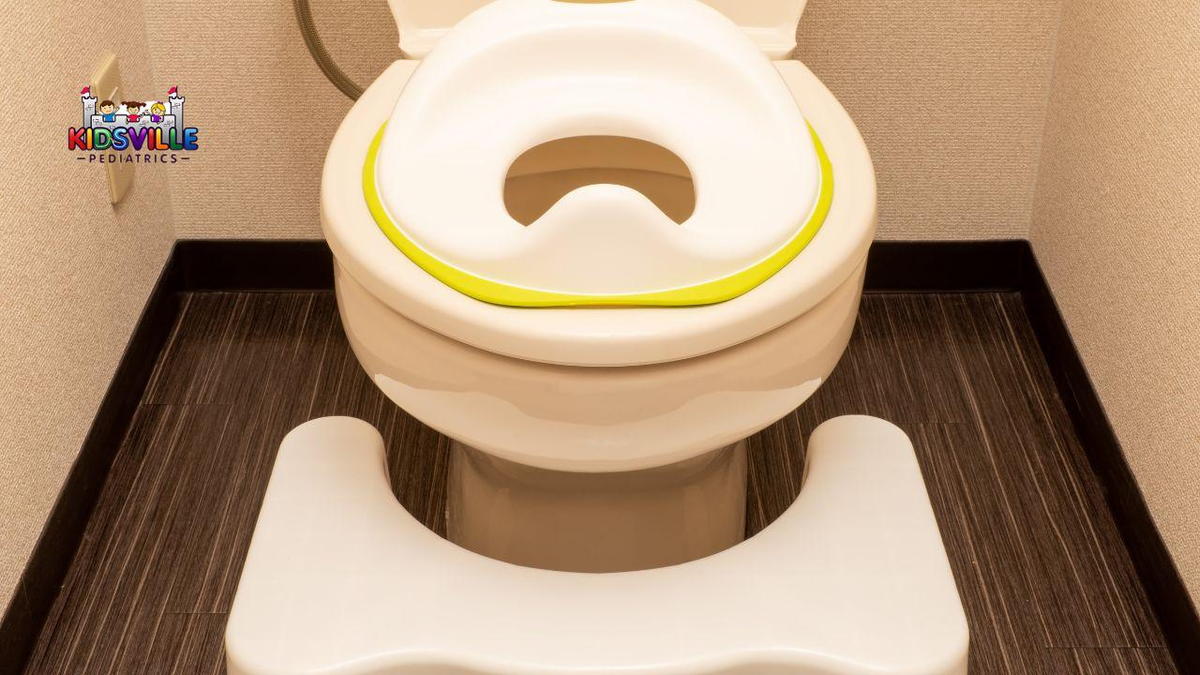
When it comes to potty training your toddler, choosing between a toilet training seat and a potty chair can be challenging. Here's what you need to know about the pros and cons of each option.
Pros of Toilet Training Seats
Using a toilet training seat helps your child quickly acclimate to standard toilets. This reduces the fear of unfamiliar toilets when you're away from home. Additionally, you won’t need to clean out a separate potty chair multiple times a day, saving you time and effort.
Cons of Toilet Training Seats
However, the height of a toilet can be intimidating for some toddlers. You might need to purchase a step stool to ensure your child’s feet rest on a flat surface, as recommended by experts. Also, you’ll need to remove the seat after each use and find a clean place to store it.
Pros of Potty Chairs
Potty chairs are small and user-friendly, making them less intimidating for toddlers. Their colorful designs and familiar characters can make the potty experience more appealing. Additionally, toddlers can easily sit down without needing a step stool.
Cons of Potty Chairs
The main drawback is the need to clean and empty the potty chair after every use. It also takes up extra space in the bathroom.
Making the Right Choice
In terms of cost, potty training toilet seats, especially those with dual functions, may be pricier than potty chairs. However, the investment could save you from the ongoing inconvenience of cleaning a potty chair. At our pediatric clinic, we recommend involving your toddler in the decision-making process to increase their willingness to use whichever option you choose.
Encourage Hygiene

If your child has started potty training early, they might be ready to begin learning how to wipe themselves. Here’s how you can guide them through this important milestone.
A clear sign that your child is ready to start wiping themselves is when they tell you they're finished on the potty. This indicates they are becoming aware of their body’s signals and can help reduce the risk of using too much toilet paper. If your child isn’t quite ready, start introducing wiping training as part of their potty routine. Explain what you’re doing as you wipe so they understand the importance of feeling clean.
Unroll, Tear, and Fold
Start by showing your child how to unroll, tear, and fold the toilet paper. Make sure the toilet paper is within reach and demonstrate how to fold it flat in their hand. The goal is to cover as much of their bottom as possible without scrunching.
Reach and Wipe
Help your child apply the paper to the right area. This might be challenging for some, so be patient and offer guidance until they can reach effectively. Remember, it’s normal for this skill to develop gradually, sometimes until they are around six years old.
Wipe from Front to Back
Teach front-to-back wiping. This is especially important for girls to prevent the spread of bacteria and reduce the risk of urinary tract infections.
The Clean Test
After wiping, check the paper to ensure it’s clean. Continue wiping until the paper comes away clean. Encourage your child to flush the toilet and wash their hands to complete the process.
Additional Tips
Help your child understand why wiping is important by connecting it to their existing knowledge about cleanliness and germs. This can make the process less of a chore and more about maintaining hygiene.
Show your child how much toilet paper to use. You might use a marker on the bathroom wall as a guide to prevent waste.
While toilet paper is essential, you can also introduce flushable wipes for a thorough clean. However, make sure your child knows they should be able to clean effectively with toilet paper alone.
Teaching your child to wipe properly takes time and patience. Offer encouragement and feedback as they learn. Celebrate their progress and support them through any challenges. For more advice on potty training and other milestones, visit us at Kidsville Pediatrics Southlake, where our experts can provide personalized guidance and support.
Dealing with Resistance
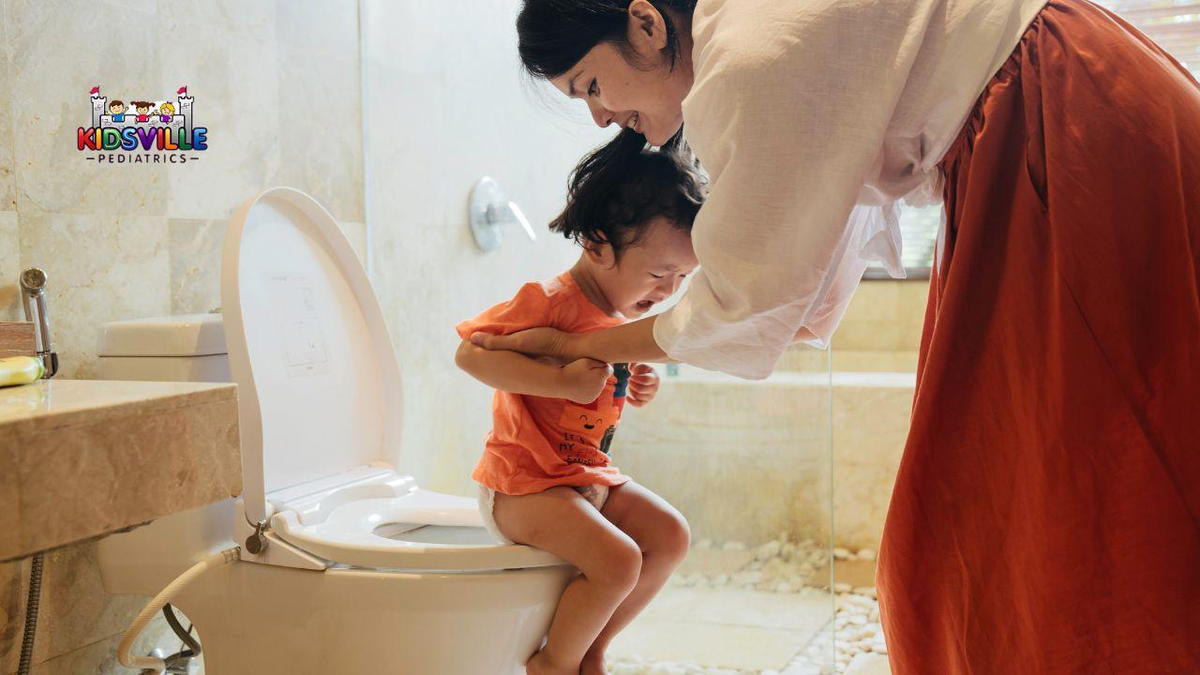
For toddlers, potty training can be a big deal. While they might not control what happens at the playground or at mealtime, they do have a say in when and where they use the potty. This newfound control can sometimes lead to resistance. If your child is pushing back against potty training, it could be due to a desire for control or fear of the process.
Signs of Potty Training Resistance
You may notice a few clear signs of potty training resistance:
Refusing to sit on the potty
Showing fear of the potty or the flushing sound
Purposefully peeing or pooping in a diaper
Holding in pee or poop
Experiencing pain or discomfort when using the toilet
Strategies to Overcome Potty Training Resistance
Here are some tips to help your child overcome potty training resistance:
Offer Choices: Allow your child to choose when to switch to big kid underwear or Pull-Ups. Let them know they can ask for help whenever they're ready. Avoid pushing too hard, as it might lead to more resistance.
Stay Calm: Keeping a calm demeanor is crucial. Yelling or threatening can increase fear and resistance.
Address Fears: If your child is scared of the toilet’s flushing sound or the possibility of falling in, offer reassurance. Use a potty seat or support their arms to help them feel secure. Gradually get them used to the flushing sound when they are out of the room.
Provide Other Choices: Giving your child choices in other areas, like what to wear or eat, can help reduce their resistance to potty training.
Use Incentives: Introduce a reward system, such as stickers for successful potty trips. Make sure to phase out rewards once your child becomes comfortable with using the potty.
Read Potty Training Books: Books about big kids using the potty can help your child feel more comfortable.
Recruit Support: Sometimes, a comment from a neutral figure, like a grandparent or babysitter, can be more impactful than parental encouragement.
Avoid Negative Labels: Calling your child a “baby” for not using the potty can backfire. Instead, focus on positive reinforcement and patience.
Potty training is a process, and taking breaks when needed can help. With patience and encouragement, your child will gradually become comfortable with potty training. For more advice, consult your pediatrician in Southlake, TX, for personalized guidance.
How to Handle Accidents

Potty training accidents can happen during the learning process. Recognizing that these mishaps are expected can actually help your child learn more quickly. Here’s why accidents might happen:
1. Routine Changes A shift in your daily schedule, such as starting school or visiting new places, can disrupt your child's potty routine. These changes might make it harder for your toddler to remember their potty breaks.
2. Fear of the Toilet Some children find unfamiliar toilets intimidating. They might be scared of the noise or the size compared to their little potty chair.
3. Prioritizing Needs Toddlers are still learning to recognize and act on the urge to go. Playing can be so engaging that they might not immediately respond to their body's signals.
What to Do
When accidents happen, it’s important to stay calm and supportive. Avoid yelling or scolding, as it won’t help and can create anxiety around potty training.
1. Again, Remain Calm If an accident occurs, respond gently: “Oh, it looks like you had an accident. Let’s go to the bathroom and get you cleaned up.” This approach helps your child understand that accidents are part of learning.
2. Encourage Bathroom Visits Once in the bathroom, have your child sit on the toilet even if they don’t feel the urge to go. This helps them associate the toilet with the process of finishing up.
3. Discuss the Incident After cleaning up, talk about what happened: “You were having so much fun playing that you forgot to go to the bathroom. Next time, try to go as soon as you feel the need so you can get back to playing.”
Being Prepared for Potty Training Accidents
1. Carry Spare Clothes Always have a change of clothes, underwear, and socks on hand when you leave home. This preparation ensures you’re ready for any unexpected accidents.
2. Encourage Bathroom Breaks Before leaving for any outing, encourage your child to use the bathroom. Even if they say they don’t need to go, having them sit on the toilet can help prevent accidents.
3. Familiarize them with Bathrooms When in unfamiliar places, point out where the bathrooms are. This can help your child feel more secure and less anxious about needing to go.
4. Keep a Positive Attitude If an accident happens, keep your response positive and encouraging: “Don’t forget to let me know next time you need to go.” A smile and a calm demeanor can help your child feel more at ease with the potty training process.
For more advice on managing accidents, consult with a pediatrician in Southlake.
Keeping Potty Training on Track While Traveling

Traveling with a potty training toddler can be challenging, but with a bit of planning, you can keep the process on schedule and stress-free.
Use a Timer
Vacation is all about fun and exploration, but your child's potty training routine needs to stay consistent. Set a timer on your phone for every 30 minutes to remind you to take your child to the bathroom. This helps maintain their schedule even while on the go. To make it easier, consider taking turns with your partner in escorting your child to the potty.
Maintain the Reward System
Rewards make potty training more engaging and less of a chore. Continue using your reward system while traveling. Whether it’s candy, points for a special prize, or a fun activity, bring along everything needed to keep the system intact. This consistency not only keeps your child motivated but also ensures they stay on track with their potty training routine, even while on vacation.
By staying organized and keeping the rewards system in place, you can ensure that potty training remains a positive and manageable part of your travels.
Pediatric Doctors Near Me: When to Seek Help
Stress and Potty Training Regression
Stress is a common cause of potty training regression in children. Significant changes in your child's environment, such as starting at a new daycare, moving to a new house, or adjusting to a new family dynamic like a new sibling, can overwhelm them. These stressors can shift their focus away from potty training, making accidents more likely. As Dr. Schwartz explains, “When they’re dealing with other things, it’s easy to lose track.” Just as adults may neglect tasks when stressed, children might struggle with potty training when they are preoccupied with new challenges.
Impact of Trauma
Children who have experienced trauma—be it physical, emotional, or psychological—might face increased difficulties with potty training. Research shows that high stress and trauma are linked to frequent bedwetting and potty training regressions. If you suspect your child’s regression may be related to trauma, it’s crucial to consult with a healthcare provider immediately. Addressing these issues promptly can help your child manage their emotions and physical health better.
Medical Conditions to Consider
Medical issues such as urinary tract infections (UTIs) or constipation can also contribute to potty training challenges. Symptoms of a UTI include fever, irritability, and stomach pain, while constipation may cause infrequent bowel movements and discomfort. If you notice these symptoms, it's essential to contact your pediatrician for appropriate treatment. Proper diagnosis and management of these conditions are vital for addressing any underlying issues impacting potty training.
Seeking Help
If your child is experiencing potty training regression, consider consulting a developmental pediatrician. They can help identify and address any underlying medical or emotional factors contributing to the regression. With support and encouragement, you can navigate through this challenging phase together.
