

Facing childhood cancer leukemia diagnosis is an overwhelming experience for any family. At Kidsville Pediatrics McKinney, we understand that this journey brings a mix of fear, uncertainty, and emotional challenges. Your role as a parent becomes crucial in not only supporting your child through their treatment but also in navigating the complexities of this difficult time.
In these moments, your strength and resilience play a vital role in your child’s battle against leukemia. It’s essential to equip yourself with the right knowledge and strategies to provide the best possible care and support. From understanding the nature of leukemia to managing the practicalities of treatment, there are several ways you can make a significant difference in your child's life.
The path ahead may seem daunting, but you don’t have to walk it alone. By focusing on specific strategies and seeking out the right resources, you can help create a nurturing environment for your child and your family. In this guide, we’ll explore various approaches to support your child, ensuring they receive the care and comfort they need during this challenging journey.
Together, we can navigate this challenging time and provide the strength and hope needed to overcome the obstacles that lie ahead.
Overview of Childhood Cancer Leukemia: Types, Symptoms, and Treatment Options
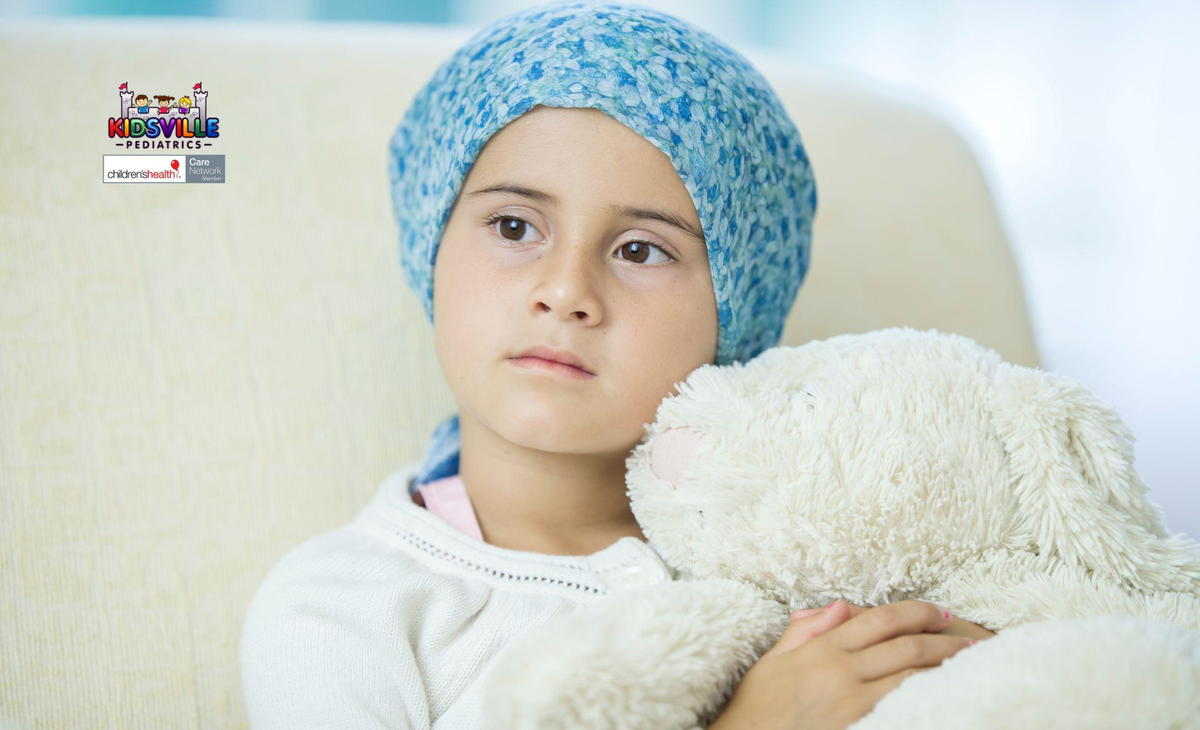
Leukemia is a cancer type that affects the bone marrow and blood. Unlike other cancers, leukemia doesn’t typically form a solid mass or tumor. Instead, it involves the rapid growth of abnormal white blood cells, which crowd out the healthy blood cells in your bone marrow. The term "leukemia" comes from Greek, with "leukos" meaning white and "haima" meaning blood.
Leukemia begins in the bone marrow, the spongy tissue inside your bones where blood cells are made. Blood cells develop from hematopoietic stem cells, which can turn into either myeloid or lymphoid cells. In a healthy body, these cells mature into red blood cells, white blood cells, or platelets. However, in leukemia, these cells begin to multiply uncontrollably. These abnormal cells, known as leukemia cells, take up space in the bone marrow, leaving less room for healthy cells to develop.
How Does Leukemia Affect Your Child’s Body?
The overproduction of leukemia cells and the reduced number of normal cells can severely impact your child’s health. Without enough red blood cells, your child may experience fatigue and other symptoms due to insufficient oxygen delivery to organs and tissues. A low count of healthy white blood cells can leave them vulnerable to infections, while a reduced number of platelets can cause bleeding problems.
Types of Leukemia
Leukemia is classified based on how quickly it progresses and the type of cells involved:
Acute Leukemia: This type rapidly progresses and needs emergency treatment. It is the most common leukemia in children.
Chronic Leukemia: This type progresses much slower and might not show symptoms for years. It is more common in adults.
Leukemia is also classified by the type of cell involved:
Myeloid Leukemia: Originates from myeloid cells, which normally develop into red blood cells, platelets, and some white blood cells.
Lymphoid Leukemia: Develops from lymphoid cells, which usually become various types of white blood cells.
Common Types of Leukemia
Acute Lymphocytic Leukemia (ALL): Most common in children but can affect adults.
Acute Myelogenous Leukemia (AML): More common in adults, but also occurs in children.
Chronic Lymphocytic Leukemia (CLL): Typically found in older adults and progresses slowly.
Chronic Myelogenous Leukemia (CML): Usually occurs in older adults but is rare in children.
Recognizing Symptoms of Childhood Cancer Leukemia
Childhood cancer leukemia symptoms can vary widely based on several factors, including the locations where the cancer is present—such as the bone marrow, blood, or other tissues and organs like the liver, lymph nodes, spleen,brain, thymus, spinal cord, skin, and gums. Each child may experience symptoms differently, but common signs to watch for include:
Pale Skin: Noticeable paleness that doesn’t seem to be related to other factors.
Fatigue and Weakness: Persistent tiredness, weakness, or feeling cold more often than usual.
Dizziness: Frequent feelings of dizziness or lightheadedness.
Headaches: Recurrent or severe headaches that don’t seem to go away.
Breathing Difficulties: Shortness of breath or trouble breathing.
Frequent Infections: Recurrent or long-lasting infections that seem to persist despite treatment.
Fever: Unexplained or prolonged fever that doesn’t respond well to usual treatments.
Easy Bruising or Bleeding: Unusual or frequent bruising, nosebleeds, or bleeding gums.
Bone or Joint Pain: Persistent pain in bones or joints that doesn’t seem to have an obvious cause.
Abdominal Swelling: Swelling in the belly (abdomen) that may indicate an enlarged spleen or liver.
Poor Appetite: Reduced appetite or significant weight loss without a clear reason.
Swollen Lymph Nodes: Enlarged lymph nodes, which may be felt as lumps in the neck, underarms, or groin.
Since the symptoms of childhood leukemia can overlap with other health conditions, it’s crucial to consult with a pediatric healthcare McKinney team if you notice any of these signs in your child. A thorough evaluation is essential for an accurate diagnosis and timely treatment.
How is Leukemia Diagnosed and Treated?
Diagnosis often starts with routine blood tests, followed by more specific tests such as bone marrow biopsies and imaging studies. Treatments may include chemotherapy, immunotherapy, targeted therapy, and sometimes radiation therapy or stem cell transplants. The approach depends on the leukemia type, your child's overall health, and the spread of the disease.
Childhood Cancer Leukemia Treatment Side Effects

Cancer treatments can cause side effects because they affect normal cells as well as cancer cells. If your child is undergoing treatment, it's important to understand and manage these potential side effects effectively.
Understanding Side Effects
Even if two children are on the same treatment regimen, their experiences with side effects may differ. Your child might not experience all, or any, of the potential side effects—remember that most side effects are temporary. Always communicate any side effects you notice to your child's hospital team. They can offer treatments for specific side effects or adjust medication dosages as needed.
Common Side Effects of Chemotherapy
Chemotherapy can lead to a range of side effects. These can vary based on the drugs used and the individual child. Some common side effects include:
Hair Loss: Temporary hair thinning or loss.
Bruising and Bleeding: Increased susceptibility to bruising and bleeding.
Infections: Higher risk of infections.
Nausea and Vomiting: Feeling sick and vomiting.
Sore Mouth or Mouth Ulcers: Painful sores in the mouth.
Constipation or Diarrhea: Difficulty in bowel movements or frequent watery stools.
Fatigue: Extreme tiredness.
Rashes: Skin rashes.
Flu-like Symptoms: Achy, flu-like feelings.
Late Effects
Chemotherapy can also cause late effects, which are long-term side effects that may appear after treatment. These depend on the types and amounts of drugs used. Your child’s McKinney pediatrician or clinical nurse specialist will discuss potential late effects before treatment begins and will monitor your child for these effects during follow-up visits.
Impact on Fertility
You may be concerned about how treatment might affect your child’s future fertility. Discuss these concerns with your consultant before treatment starts. Studies show that cancer treatment does not increase the risk of cancer or other health issues in future children. Your McKinney pediatrician can provide additional information on this topic.
Supportive Care
Supportive care helps manage treatment side effects and improve quality of life. It may include:
Antibiotics and Antifungals: To prevent and treat infections.
Transfusions: To address low blood cell counts.
Nutritional Support: Including enteral feeding if necessary.
Complementary therapies like massage or aromatherapy may support your child’s well-being, but always consult with your healthcare team to ensure they are safe.
By staying informed and working closely with your healthcare team, you can help manage the side effects of your child’s cancer treatment effectively.
Family Support: Helping Your Child Cope with a Cancer Diagnosis

Facing a cancer diagnosis as a parent is a daunting experience, and it can be even more challenging when you need to support your child or teenager through the journey. Understanding how to communicate and provide comfort is crucial for their emotional well-being. Here’s a comprehensive guide to help you navigate this difficult time.
Understanding Your Child’s Emotional Needs
Your child's reaction to a cancer diagnosis will vary based on their age and developmental stage. Recognizing their level of understanding will help you address their concerns more effectively.
Young Children (Ages 2-5)
At this age, children have a limited grasp of illness and may struggle with the concept of time. They might feel confused or anxious if you are absent or if routines change.
How to Support:
Maintain Routine: Keep daily activities as normal as possible. If changes are necessary, explain them in simple terms. For example, “I’m not feeling well today, so I need to rest. We’ll play together again soon.”
Offer Comfort: Provide plenty of hugs and reassure them that your illness is not their fault. Consistent care and familiar surroundings can offer a sense of security.
Preschool to Early Elementary (Ages 6-9)
Children in this group start to think more concretely and may be concerned about separation from their caregivers. They might view illness as something that happens due to specific actions but expect a quick recovery.
How to Support:
Simple Answers: Give clear, concise explanations and share your feelings in a straightforward manner. Keep conversations age-appropriate.
Encourage Expression: Allow them to express their emotions through activities like drawing, playing, or listening to music.
Reassure Them: Continuously remind them that they are healthy and that your illness is not their fault.
Middle Childhood (Ages 10-12)
Children at this stage are developing logical thinking and understanding of the body’s functions. They may be more aware of the severity of your illness but might have trouble processing their emotions.
How to Support:
Honest Communication: Provide truthful information about your diagnosis and treatment. Address their questions and concerns openly.
Emotional Sharing: Share your own feelings to encourage them to express theirs. Validating their emotions can be comforting.
Reassurance: Keep reassuring them that they are not responsible for your illness and that they are healthy.
Teenagers (Ages 13 and Up)
Teenagers are navigating their independence while dealing with the emotional impact of a serious illness in the family. They may be more aware of the implications of cancer and could feel conflicted about their role.
How to Support:
Be Transparent: Discuss your diagnosis and treatment openly. Include them in decisions when possible to help them feel involved.
Encourage Normalcy: Support them in maintaining their usual activities and social interactions. Friends can be a vital source of support.
Communication with Peers: If appropriate, talk to their friends’ parents to help them understand the situation and provide additional support.
Seeking Professional Guidance
Don’t hesitate to seek advice from a pediatric team who can offer specialized support and resources for both you and your child. A pediatrician can provide guidance tailored to your child’s needs and help you navigate the complexities of their emotional and physical well-being.
Supporting your child through a cancer diagnosis requires patience, clear communication, and reassurance. By understanding their developmental needs and maintaining open dialogue, you can help them cope with the challenges ahead.
Maintaining Routine and Normalcy for Siblings

When a child is diagnosed with cancer, their siblings may experience a whirlwind of emotions, including anger, sadness, worry, and guilt. As a parent or caregiver, your role in guiding your family through this challenging time is crucial. Here’s how you can support your child as they navigate their sibling’s cancer diagnosis.
Be Honest About the Diagnosis
Honesty is essential when discussing a cancer diagnosis with siblings. While it may seem easier to shield them from the details, transparency is more beneficial.
Young Children: Explain that their sibling is sick and that doctors are working hard to help them get better. Use simple, age-appropriate language.
Older Children and Teenagers: Provide honest answers to their questions. For example, explain that their sibling is undergoing chemotherapy, using terms they can understand.
By being clear and truthful, you help your children grasp the situation better and reduce their anxiety.
Listen to Their Feelings
Supporting your child involves more listening than speaking. Allow them to express their emotions and concerns. They may have fears about the cause of the cancer, worries about "catching" it, or questions about what will happen next.
Listening to their feelings helps validate their emotions and can provide comfort during this confusing time.
Maintain Routines
Children find comfort in routines. Try to keep daily activities as consistent as possible, even if adjustments are needed.
Family Calendar: Display a calendar with information about hospital visits and caregiver schedules.
Consistent Care: Maintain regular caregivers and schedule one-on-one time with at least one parent each day.
Consistent routines help siblings feel secure and less anxious about what’s to come.
Arrange Enjoyable Activities
It's important for your child to have opportunities for fun and relaxation. Schedule activities they enjoy, whether it's an outing with you or a movie with friends. Remind them that it's okay to enjoy themselves and not feel guilty about having fun.
Foster the Sibling Relationship
Help your children stay connected through visits or video chats if in-person meetings aren’t possible. Provide them with keepsakes like photos or stuffed animals to comfort them while their sibling is away.
Monitor Behavioral Changes
Watch for any changes in your child's behavior, such as shifts in eating habits, sleep patterns, or energy levels. Communicate with their teachers, guidance counselors, or McKinney pediatricians to identify any signs of distress early on.
By taking these steps, you can help your child cope with their sibling’s cancer diagnosis while maintaining a sense of normalcy and connection.
Pediatrician Near Me: Specialized Teams
Children and teens with leukemia have unique needs that are best met by specialized cancer centers, working closely with their primary care pediatricians. These centers offer a multidisciplinary approach, providing access to a team of experts who understand the specific challenges of treating cancers in younger patients.
For leukemia in children, care is typically led by a pediatric oncologist, a doctor specialized in treating children's cancers. In addition to pediatricians, your child’s care team may include a variety of health professionals such as nurses, nurse practitioners (NPs), physician assistants (PAs), psychologists, social workers, and rehabilitation specialists.
Navigating the Healthcare System
Comprehensive care focuses on treating the whole patient, not just their medical condition. At leading cancer centers, this holistic approach includes:
Advanced Medical Care: Access to state-of-the-art diagnosis and treatment, including opportunities to participate in clinical trials.
Expert Team: A team of specialists dedicated to childhood cancer, providing high-level care and support.
Support Services: A range of services for patients and families, including education, counseling, support groups, and advocacy programs to improve quality of life.
Local Resources: Referrals to local resources for basic needs such as meals, housing during treatment, and transportation.
Educational Support: Programs that include contact with teachers, support for homebound or hospitalized students, and assistance with returning to school.
Patient and Family Education: Up-to-date materials in various formats to help families understand and manage the treatment process.
Coping Strategies: Organized efforts to assist with treatment, tests, and procedures.
Financial Advocacy: Programs to help with financial concerns related to treatment costs.
Community Collaboration: Consultation with local healthcare professionals to coordinate care close to home.
Ongoing Research: Continuous evaluation of treatments and services to enhance care outcomes.
By working with a dedicated team of McKinney pediatricians and specialists, you can ensure your child receives the comprehensive care they need throughout their childhood cancer leukemia journey.
You may schedule an appointment online: https://www.kidsvillepeds.com/appointment/ Or visit/call our clinics: Kidsville Pediatrics Mansfield TX: 682-341-3910; 1759 Broad Park Circle S, Suite 201 & 205, Mansfield, T Kidsville Pediatrics Southlake: 682-345-8010; 2813 W. Southlake Blvd Suite 100 Southlake, TX Kidsville Pediatrics McKinney: 469-885-9400; 5881 Virginia Pkwy. Suite 300 Mckinney, TX |
