
When it comes to your child's health, RSV (Respiratory Syncytial Virus) is a topic you need to be aware of, especially during the colder months. At Kidsville Pediatrics McKinney, we understand that keeping your little one healthy and safe is your top priority. RSV can be particularly concerning for infants and young children, as it can lead to more serious respiratory issues.
In this guide, we’ll dive into the essentials of RSV, including how to recognize the symptoms, the risks associated with the virus, and practical tips for prevention. Our goal is to provide you with the information you need to take proactive steps in protecting your child’s health.
By understanding what RSV is, how it can impact your child, and what you can do to reduce their risk, you’ll be better prepared to navigate RSV season confidently.
Understanding RSV: Overview and Basics

Respiratory syncytial virus is a common virus that infects the lungs and breathing passages, and nearly all children in the U.S. will have been infected by age two. For most healthy children, RSV symptoms are mild and typically clear up within a week. However, for vulnerable individuals—such as premature infants, children with chronic lung conditions, and those with congenital heart disease—RSV can lead to severe illness or even death. That’s why it’s essential to understand how this virus affects young children and when to seek help from a pediatrician McKinney TX team.
RSV in Infants and Young Children
Respiratory syncytial virus is the leading cause of bronchiolitis, an inflammation of the small airways in the lungs, in children under one year old. In the U.S. alone, it results in around 58,000 hospitalizations annually for children under five. For parents, recognizing RSV symptoms early and seeking timely treatment is key to preventing severe complications.
RSV's Global Impact
RSV isn’t just a local concern—it’s a global health issue. Worldwide, the virus affects an estimated 64 million people and is responsible for around 160,000 deaths each year. In the U.S., older adults are also vulnerable, with approximately 14,000 deaths annually due to RSV in people over 65.
RSV Symptoms: Recognizing the Signs

When your child becomes infected, RSV symptoms usually begin to show within four to six days. These initial symptoms can seem like mild cold-like signs, including sneezing, a runny nose, fever, cough, and a decreased appetite. For very young infants, RSV may present more subtly with irritability, fatigue, and even breathing difficulties. These symptoms often come in stages, and while they may clear up on their own in a few days, it's essential to keep a close eye on your child’s condition.
RSV is a common virus, but in some cases, it can develop into something more severe. As parents, it’s vital to understand when to reach out to McKinney pediatrics doctors for guidance and when RSV might require urgent medical attention.
Signs of a More Serious RSV Infection
A barking or wheezing cough is one of the first signs that RSV may be spreading to the lower respiratory tract. When this happens, it can cause inflammation in the small airways leading to the lungs, increasing the risk of developing pneumonia or bronchiolitis. It’s important to recognize when symptoms escalate and become more serious.
RSV Symptoms that Require Immediate Medical Care:
Difficulty breathing
Drinking less than usual
Decreased activity or lethargy
Nasal flaring with each breath
Bluish lips or fingernails
In severe cases, infants may display shallow, rapid breathing, and you may notice "caving in" of the chest between or under the ribs (chest wall retractions). Nasal flaring and bluish discoloration of the lips, mouth, or fingernails are also critical signs that your child isn’t getting enough oxygen. These symptoms indicate the need for urgent medical care from a trusted healthcare provider, such as one of the McKinney pediatrics doctors.
How RSV Is Diagnosed
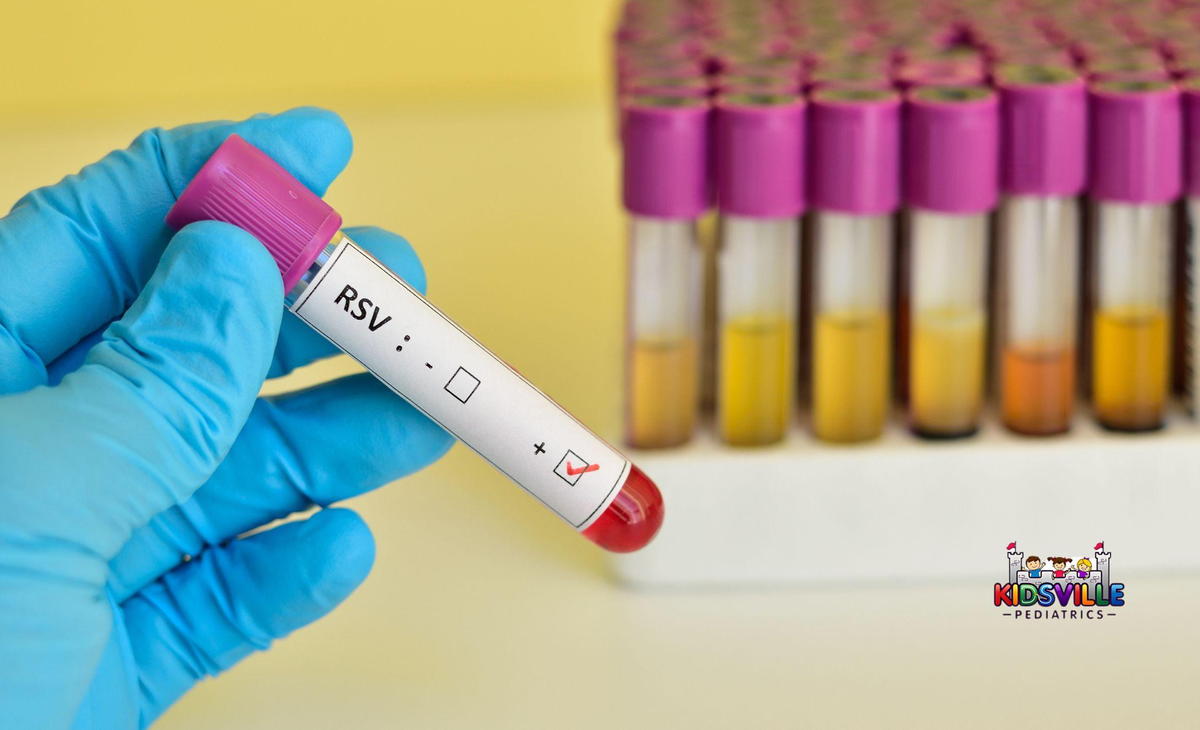
Because RSV symptoms are similar to other respiratory viruses that circulate in the fall and winter, your healthcare provider may recommend testing to confirm the virus. Testing allows the provider to ensure your child receives the appropriate care, especially if they fall into a high-risk category.
The testing process is simple and non-invasive. A healthcare provider may use a saline solution that is gently inserted into the nose and then suctioned out to collect a sample, or they may use a nasal swab to identify the virus. This helps determine if your child has RSV or another respiratory virus, guiding the treatment approach.
Severe RSV Cases
In rare, more severe cases, hospitalization may be necessary. Additional tests, such as chest X-rays or CT scans, can check for lung complications. If your child is hospitalized, blood or urine cultures may be required to rule out other infections, such as a urinary tract infection, that sometimes occur alongside RSV-related bronchiolitis in newborns.
RSV can be concerning, but by staying informed and recognizing the symptoms early, you can ensure your child gets the care they need to recover safely.
How to Treat RSV at Home: A Guide for Parents

When your child contracts Respiratory Syncytial Virus, it can be worrying. While there is no medication to cure RSV, you can take steps to ease your child’s discomfort and help them recover at home. Here's how you can manage symptoms effectively.
Clear Up Congestion
Congestion is a common symptom of RSV, and clearing your child’s nasal passages can bring relief. If your little one isn’t able to blow their nose, try using nasal saline drops. Place one or two drops in each nostril, and follow up with a suction device like a bulb syringe to remove the mucus. However, be cautious about overusing the suction device, as it can irritate the nasal passages. In some cases, the saline alone may trigger sneezing, which can naturally clear the mucus.
Create a Steam-Powered Environment
Moist air can help loosen congestion. Run a cool mist humidifier in your child’s bedroom and give them steamy baths. The water vapor helps open the airways and relieve breathing difficulties. Always opt for a cool mist humidifier instead of a vaporizer, as the latter can be a burn hazard.
Honey for Cough Relief
If your child is over one year old, honey can be a safe and effective remedy for cough relief. Honey works just as well as some over-the-counter cough medications, but without the side effects. It helps soothe the throat and can minimize coughing spells.
Ease Pain and Fever
For children with RSV, fever and discomfort can be common. If your child is over two months old, acetaminophen can be given to relieve fever and pain. If they are over six months old, ibuprofen is another option. These medications can also ease muscle aches and headaches. For ear pain, applying a warm washcloth over the affected ear can provide relief.
Keep Them Hydrated
Hydration is key to helping your child recover. For infants, breast milk or formula is ideal, as it provides nutrients and hydration. For older children, a mix of fluids is best. Encourage them to drink apple juice, water, or even enjoy popsicles and hydrating foods like watermelon. Despite the common myth, milk does not make mucus worse, so feel free to offer it. Staying hydrated helps your child maintain energy and recover faster.
When to Visit a McKinney Pediatrician
It can be difficult to know when your child’s RSV symptoms require professional care. Trust your instincts and watch for any signs of serious illness. Contact a pediatrician if you are unsure or if your child’s symptoms seem to worsen.
Look Out for These Warning Signs:
Breathing Trouble: Rapid breathing, nasal flaring, grunting, or using extra muscles to breathe are all red flags.
Lethargy: If your child seems unusually tired or less responsive, it may signal a more severe RSV case.
Dehydration: Monitor their urine output. If they urinate less frequently than usual or show signs of dehydration, like dry mouth and no tears when crying, seek medical attention.
Persistent Pain: Complaints of ear, chest, or sinus pain could indicate an ear infection or pneumonia.
Research and Future Vaccines
Ongoing research, including work supported by NIAID, aims to better understand RSV and develop vaccines to protect vulnerable populations. While a vaccine is not yet available your trusted pediatrician in McKinney, TX can surely offer guidance on how to reduce your child’s risk and manage symptoms if they do contract the virus.
Final Thoughts
RSV can be a challenging illness, but by taking the right steps at home, you can help ease your child’s discomfort. Stay alert for the signs that require medical attention and consult with your doctor in Kidsville Pediatrics McKinney if needed.
You may schedule an appointment online: https://www.kidsvillepeds.com/appointment/ Or visit/call our clinics: Kidsville Pediatrics Mansfield TX: 682-341-3910; 1759 Broad Park Circle S, Suite 201 & 205, Mansfield, TX Kidsville Pediatrics Southlake: 682-345-8010; 2813 W. Southlake Blvd Suite 100 Southlake, TX Kidsville Pediatrics McKinney: 469-885-9400; 5881 Virginia Pkwy. Suite 300 Mckinney, TX |
