
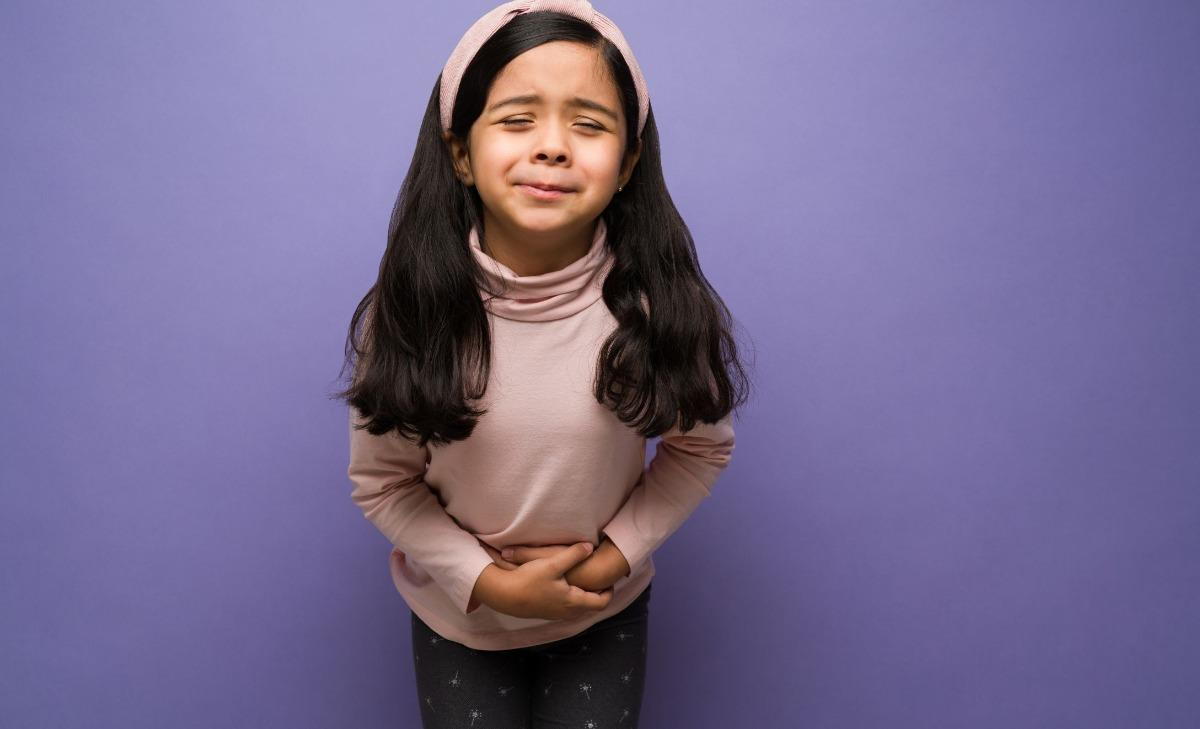
Gastroenteritis, commonly referred to as gastro, is a bowel infection that causes diarrhea and, in some cases, vomiting. Diarrhea is defined as runny or watery bowel movements, and while vomiting may stop after a short time, diarrhea can last up to 10 days. As a parent, this can be worrying, especially since gastro can lead to dehydration, which is particularly dangerous for young babies.
In this guide, we'll walk you through the causes, symptoms, and treatment of gastroenteritis, as well as how to care for your child and prevent the infection from spreading. If you're concerned about your child's health, don't hesitate to consult your pediatric healthcare McKinney experts.
Causes of Gastroenteritis in Children

There are many potential causes of stomach flu, including viruses, bacteria, parasites, and even certain chemicals or medications. Your child may experience gastro more than once, with each case caused by something different.
Infectious Gastroenteritis
In most cases, gastroenteritis in children is infectious, meaning it spreads from one person to another. Infectious gastroenteritis is usually contracted through contaminated food or water, making it easy for your child to pick up the infection in daily life. Some of the most common infections causing gastroenteritis include:
Escherichia coli (E. coli) infection
Campylobacter infection
Cryptosporidium infection
Giardiasis
Salmonellosis
Shigellosis
Viral gastroenteritis (caused by rotavirus, norovirus, etc.)
Your McKinney doctor can help determine the specific cause of your child’s gastroenteritis and recommend the appropriate treatment.
Infant Gastroenteritis Symptoms

While each child may experience gastroenteritis differently, the most common symptoms include:
Loss of appetite
Bloating
Nausea
Vomiting
Abdominal cramps
Abdominal pain
Diarrhea
Bloody or pus-filled stools (in some cases)
Lethargy and body aches
These symptoms can be distressing for both you and your child, but early treatment and proper care can make a significant difference. If symptoms persist or worsen, it's important to see a McKinney doctor.
Hydration is Key: Keeping Your Child Hydrated During Gastroenteritis

One of the biggest concerns when a child has gastroenteritis is dehydration. With vomiting and diarrhea, fluids are lost quickly, and replacing them is crucial. Babies under six months old are especially vulnerable, as they can become dehydrated faster than older children.
What to Do
Breastfed babies should continue breastfeeding, as breast milk provides essential hydration and nutrients.
Bottle-fed babies can be given clear fluids for the first 12 hours before resuming formula in smaller, more frequent amounts.
Older children should be encouraged to drink clear fluids after each bout of vomiting or diarrhea. Give about 150-200 ml of fluids after a large vomit or diarrhea episode.
It’s important to keep offering fluids, even if diarrhea seems to get worse. Hydration helps your child recover more quickly and avoids the risks associated with dehydration. If you're unsure how to manage your child's hydration, the best pediatrician in McKinney, TX can provide guidance.
When to See a McKinney Doctor
While mild cases of gastroenteritis can often be managed at home, there are certain situations where you should see McKinney pediatricians right away. These include if your child:
Vomits frequently and can’t keep fluids down
Is refusing to drink
Shows signs of dehydration (dry mouth, no wet diapers, sunken eyes, cold hands/feet)
Has blood in their stool
Has significant abdominal pain
Is under six months old and showing any of the above symptoms
In such cases, your McKinney pediatrician can assess your child’s condition and recommend the next steps, which may include hospital care if dehydration becomes severe.
Signs of Dehydration
Dehydration is one of the most serious risks of gastroenteritis, especially for younger children. If your child has gastro, watch for these signs of dehydration:
Dry mouth and tongue
No urine output (no wet diapers for several hours)
Sunken eyes
Cold hands and feet
Unusual drowsiness or lethargy
If you notice any of these symptoms, contact your pediatrician McKinney team immediately for further evaluation.
Preventing Dehydration: Fluids to Offer Your Child
To prevent dehydration during a bout of gastroenteritis, make sure your child is getting plenty of fluids. Here are some good options:
Water: Keep it simple and offer regular sips of water.
Oral rehydration solutions (ORS): Available at pharmacies, these products are specifically designed to replace lost electrolytes. Follow the package instructions.
Diluted fruit juice: Mix one tablespoon of natural fruit juice with four tablespoons of water to provide a hydrating, low-sugar option.
Avoid giving sugary or caffeinated drinks, as these can make dehydration worse. If you're unsure about what to offer, check with your Kidsville Pediatrics McKinney for the best advice.
What About Eating? Food During Gastroenteritis
Your child may not feel like eating right away, and that’s okay. Focus on keeping them hydrated. Once their appetite returns, you can gradually reintroduce food.
Contrary to past advice, doctors now recommend not restricting food when your child has gastroenteritis. If your child is hungry, allow them to eat what they usually enjoy. Bland foods like toast, rice, and bananas are easy on the stomach and can be reintroduced slowly.
Your pediatricians can provide specific recommendations based on your child's needs and symptoms.
Preventing the Spread of Gastroenteritis

Gastroenteritis spreads easily, especially in settings like daycares and schools. To protect your family and others, it's essential to follow good hygiene practices. Here’s how you can help stop the spread:
Handwashing: Make sure everyone in your household washes their hands regularly with soap and water, especially after using the bathroom and before eating.
Sanitize surfaces: Clean toys, kitchen countertops, toilet seats, nappy change tables, and taps frequently to reduce the spread of germs.
Keep your child home: If your child has gastroenteritis, they should stay home from school or daycare until 48 hours after their symptoms have stopped.
Teaching your child proper handwashing techniques can also make a big difference. Handwashing with soap and water is the best defense against gastroenteritis, as alcohol-based hand sanitizers are not effective against the viruses that cause gastro.
When to Return to Normal Activities
After your child has recovered, you may wonder when it’s safe for them to return to school, daycare, or other activities. It's important to wait at least 48 hours after symptoms have resolved before sending them back, as they can still be contagious during this time.
If symptoms persist or you're unsure about when your child is ready to return to normal activities, check with your McKinney pediatrician.
Pediatrician Near Me
Gastroenteritis can be a challenging and worrying experience for both you and your child. With the right care and attention, most cases resolve on their own without complications. Remember, keeping your child hydrated is the key to a speedy recovery, and if symptoms persist or worsen, don’t hesitate to reach out to your kid’s doctor for guidance.
By practicing good hygiene and handwashing, you can help prevent the spread of gastroenteritis and keep your family healthy. With proper care and a watchful eye, your child will be back to their happy, energetic self in no time.
For more information on gastroenteritis or if you need medical assistance, feel free to contact your pediatric healthcare McKinney team.
You may schedule an appointment online: https://www.kidsvillepeds.com/appointment/ Or visit/call our clinics: Kidsville Pediatrics Mansfield TX: 682-341-3910; 1759 Broad Park Circle S, Suite 201 & 205, Mansfield, TX Kidsville Pediatrics Southlake: 682-345-8010; 2813 W. Southlake Blvd Suite 100 Southlake, TX Kidsville Pediatrics McKinney: 469-885-9400; 5881 Virginia Pkwy. Suite 300 Mckinney, TX |
