
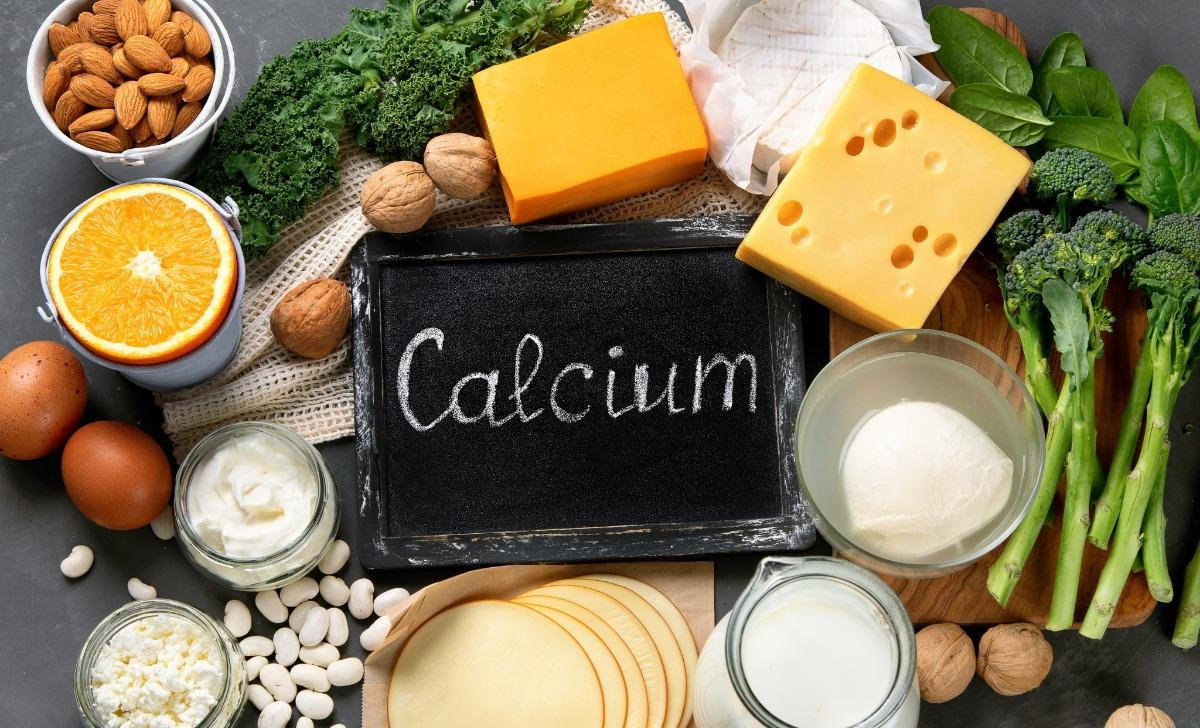
Calcium is an essential mineral your body requires to develop and maintain strong bones while supporting various crucial bodily functions. It’s the most abundant mineral inside any human body.
The majority of the calcium in your system is stored in your bones and teeth, providing them with structure and strength. This mineral plays a critical role in helping your muscles move and allowing your nerves to send signals between the brain and different parts of your body. Additionally, calcium assists blood vessels in transporting blood throughout your body and contributes to the release of hormones that influence numerous bodily processes. Importantly, vitamin D works alongside calcium, helping your body absorb it more efficiently.
As your child grows, ensuring they get enough calcium is crucial for building strong bones and maintaining a healthy body. Did you know that many young people in the United States don't get enough calcium from their diets? This lack of calcium can have long-term effects on their bone health. In this post, we’ll explore the importance of calcium for your child’s growth and provide tips to help them get the calcium they need.
The Importance of Calcium for Growing Children

Calcium is a vital mineral that plays an essential role in the development of strong bones and teeth in kids. The majority of calcium (99%) in the body is stored in bones and teeth, helping to keep them strong and resilient. However, calcium isn’t just important for bone health. It also helps muscles contract, regulates blood pressure, and supports many other critical bodily functions for your child.
When it comes to bone development, the body's need for calcium is highest during childhood and adolescence, especially between the ages of 9 and 18. This is when bones are growing rapidly, and calcium is essential for building peak bone mass. Without enough calcium, bones may become weak and brittle, leading to potential problems later in life.
What Happens When Children Don’t Get Enough Calcium?
If your child doesn’t get enough calcium, their body may start to pull calcium from their bones to support other bodily functions. Over time, this can weaken the bones, making them more susceptible to fractures. While young bodies can store calcium in bones, this ability diminishes as they grow older. By the time they reach young adulthood, their bones achieve peak density—the highest level of calcium storage possible. After this point, the body relies on the stored calcium in bones.
Not getting enough calcium during childhood can increase the risk of osteoporosis later in life. Osteoporosis is a condition that causes bones to become fragile and more likely to break, even from minor stress like bending over or lifting light objects. Ensuring your child gets enough calcium now can help prevent these problems in the future.
Why Calcium Alone Isn’t Enough

While calcium is vital for bone health, it doesn’t work alone. Other nutrients, such as phosphorus, magnesium, vitamin D, and vitamin K, also play essential roles in bone development. Vitamin D is particularly important because it helps the body absorb calcium more effectively. Additionally, physical activity—especially weight-bearing exercises like running, jumping, and playing sports—helps strengthen bones.
Encouraging your child to stay active and get enough sunlight (which helps their body produce vitamin D) can further support healthy bone development. However, don’t forget to apply sunscreen when they’re outdoors to protect their skin from harmful UV rays.
Recommended Daily Calcium Intake for Kids
The amount of calcium your child needs depends on their age. Between the ages of 9 and 18, children require the most calcium. Here’s a quick guide to daily calcium needs by age:
Age (years) | Calcium Need (mg per day) | Servings of Low-fat Dairy Products |
4–8 | 800 mg | 3 servings |
9–18 | 1,300 mg | 4 servings |
19+ | 1,000 mg | 3–4 servings |
Helping Your Child Get Enough Calcium
The best way for your child to get enough calcium is through their diet. Incorporating food high in calcium into their meals can make a significant difference in their bone health. Here are some excellent sources of calcium:
Low-fat milk, yogurt, and cheese
Dark green, leafy vegetables like kale and collard greens
Broccoli, tofu, chickpeas, and lentils
Calcium-fortified juices and cereals
Fish with bones, such as canned salmon and sardines
Flavored milks, such as chocolate and strawberry milk, contain as much calcium as plain milk but may have added sugars. While these options can help boost calcium intake, it's essential to watch out for extra calories.
Food with Calcium: A Quick Reference Guide
Here’s a sample list of calcium-rich foods that can help meet your child’s daily needs:
Food | Serving Size | Calcium (mg) |
Milk (regular or low-fat) | 1 cup | 245–265 |
Yogurt (nonfat or fruit) | 1 cup | 260 |
Cheese | 1 oz slice | 200 |
Broccoli (cooked) | 1 cup | 60 |
Almonds (chopped) | 1 oz | 65 |
Canned salmon (with bones) | 3 oz | 205 |
Tofu (calcium-fortified) | 1/2 cup | 205 |
For children who don’t consume dairy, calcium-fortified foods like soy milk and certain cereals are excellent alternatives. However, it’s important to note that some non-dairy beverages, such as almond milk, may not provide as much calcium as dairy milk.
How to Read Food Labels for Calcium
When shopping for calcium-rich foods, the Nutrition Facts label on packaged foods can help. The U.S. Food and Drug Administration (FDA) requires calcium to be listed on these labels. If a food contains 20% or more of the daily value for calcium, it is considered a high-calcium food. Foods with less than 5% of the daily value are low in calcium.
Do Kids Need Calcium Supplements?
In some cases, children may not get enough calcium from their diet due to medical conditions, dietary restrictions, or lifestyle choices. In such situations, your McKinney doctor may recommend calcium supplements. Always consult with your pediatrician before giving your child any supplements to ensure they are safe and appropriate.
Factors That Decrease Calcium Absorption
Several factors can interfere with your child’s calcium absorption and bone health. These include:
Soda consumption: Drinking too much soda can interfere with calcium absorption and make bones more fragile.
Certain diets: Vegetarian diets that exclude dairy products may lack sufficient calcium unless fortified foods are included.
Certain medications and conditions: Some medications and medical conditions, such as kidney disease, can lead to calcium loss from bones.
Alcohol and tobacco: Although not common among children, alcohol and tobacco use can negatively impact bone health.
Dealing with Lactose Intolerance
Lactose intolerance is a common issue that prevents some children from consuming dairy products, which are rich in calcium. However, many children with mild lactose intolerance can tolerate small amounts of dairy with meals. Cheeses and yogurts with lower lactose content can be excellent alternatives. There are also lactose-free dairy products available, as well as calcium-fortified non-dairy beverages like soy milk.
If your child has lactose intolerance, be sure to offer other sources of calcium or talk to your pediatrician in McKinney about the best way to meet their nutritional needs.
Pediatrician McKinney TX: Supporting Your Child’s Bone Health
Building strong bones starts in childhood. Ensuring your child gets enough calcium, along with other nutrients like vitamin D, and encouraging regular physical activity are key to laying the foundation for healthy bones throughout their life. If you’re concerned about your child’s calcium intake or overall bone health, don’t hesitate to reach out to your McKinney pediatrician for personalized guidance.
At Kidsville Pediatrics McKinney, we’re here to support your child’s growth and health – from calcium intake to other health essentials, every step of the way. From nutritional advice to routine check-ups, our team is dedicated to providing the care your family needs.
You may schedule an appointment online: https://www.kidsvillepeds.com/appointment/ Or visit/call our clinics: Kidsville Pediatrics Mansfield TX: 682-341-3910; 1759 Broad Park Circle S, Suite 201 & 205, Mansfield, TX Kidsville Pediatrics Southlake: 682-345-8010; 2813 W. Southlake Blvd Suite 100 Southlake, TX Kidsville Pediatrics McKinney: 469-885-9400; 5881 Virginia Pkwy. Suite 300 Mckinney, TX |
