

Sudden Infant Death Syndrome (SIDS), also referred to as crib death, is a heartbreaking and mysterious occurrence where an otherwise healthy infant, typically under one year of age, dies unexpectedly during sleep. For many families, the very idea of SIDS is terrifying, as it strikes without warning and often without any identifiable cause. Understanding what SIDS is, why it happens, and what steps can be taken to reduce the risk is crucial for parents, caregivers, and healthcare providers alike.
McKinney pediatricians are essential partners in guiding families through the complexities of infant health and ensuring that parents are well-informed about SIDS prevention. In this article, we will explore what is currently known about SIDS, the risk factors involved, preventive measures parents can take, and how pediatricians play a pivotal role in educating and supporting families in reducing the risk of this tragic event.
Understanding SIDS
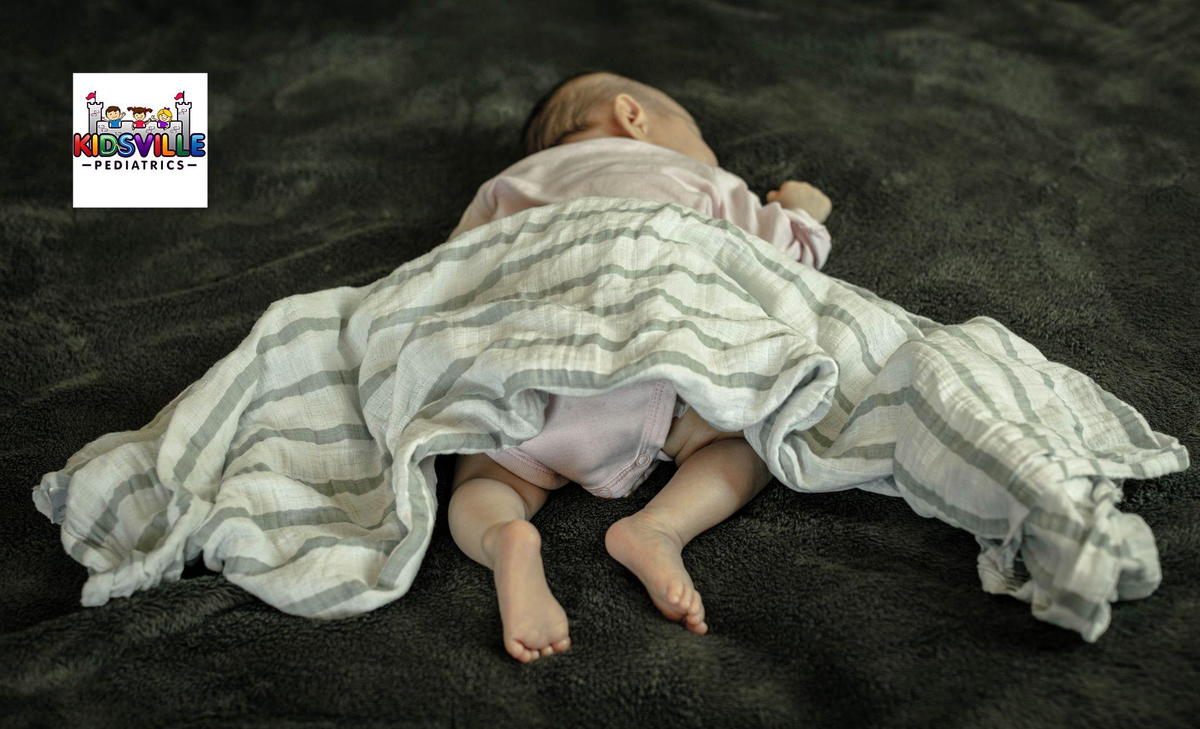
SIDS is defined as the sudden and unexplained death of an infant, usually during sleep, that remains unexplained even after a thorough investigation, including a complete autopsy, a review of the death scene, and the baby’s medical history. It is a leading cause of death in infants between one month and one year of age, with most deaths occurring between the ages of two and four months.
What makes SIDS so frightening is that it often happens without any clear warning signs. A baby who seems perfectly healthy can succumb to SIDS during sleep, leaving parents and caregivers devastated. While the exact cause of SIDS remains unknown, researchers believe that a combination of factors may contribute to an infant's vulnerability to SIDS, such as a delay in brain development affecting the regulation of breathing, heart rate, or arousal from sleep.
Risk Factors for SIDS

Although the cause of SIDS is not fully understood, researchers have identified several risk factors that may increase the likelihood of SIDS. These include:
Sleeping Position: One of the most well-established risk factors is the sleeping position of the infant. Babies who are placed to sleep on their stomachs or sides are at a significantly higher risk of SIDS. Pediatrician McKinney experts emphasize that infants should always be placed on their backs to sleep, as this position has been shown to dramatically reduce the risk of SIDS.
Soft Bedding: Another risk factor is the sleeping environment. Soft bedding, such as pillows, blankets, and crib bumpers, can pose a suffocation hazard, increasing the risk of SIDS. A firm mattress with no loose bedding or toys is recommended to provide a safe sleep environment for babies.
Overheating: Babies who become too hot during sleep may be at an increased risk of SIDS. Overheating can occur when a baby is dressed in too many layers of clothing or if the room temperature is too high. Pediatricians advise keeping the room at a comfortable temperature and dressing the baby in light sleepwear to avoid overheating.
Smoking: Exposure to tobacco smoke, both during pregnancy and after birth, is another significant risk factor. Babies whose mothers smoked during pregnancy or who are exposed to secondhand smoke after birth are at a higher risk of SIDS. Reducing or eliminating smoking around infants is an essential step in lowering the risk.
Premature Birth: Premature babies, as well as those with low birth weight, are at a greater risk of SIDS. This is because their brain development may not yet be sufficient to regulate vital functions like breathing and heart rate properly.
Co-Sleeping: While many parents choose to sleep in the same room as their baby, sharing a bed (co-sleeping) with an infant can increase the risk of SIDS. Accidental suffocation can occur if a parent rolls over onto the baby or if the baby becomes trapped in bedding. Room-sharing without bed-sharing is the safer alternative, as it allows parents to monitor their baby while reducing the risk of SIDS.
The Role of McKinney Pediatricians in SIDS Prevention
Education and awareness are key components of SIDS prevention, and McKinney pediatricians play a crucial role in helping parents and caregivers understand the steps they can take to reduce the risk. From the first well-baby visit, pediatricians provide valuable guidance on creating a safe sleep environment for infants and offer support to families as they navigate the early stages of parenthood.
One of the most important messages that McKinney pediatrics doctors convey to new parents is the importance of placing babies on their backs to sleep. This recommendation is part of the Back to Sleep Campaign (now known as the "Safe to Sleep" campaign), which was launched in the 1990s and has significantly reduced the incidence of SIDS by encouraging parents to adopt safe sleep practices.
Pediatricians also educate parents about other critical aspects of SIDS prevention, such as using a firm crib mattress, avoiding soft bedding and stuffed animals in the crib, and maintaining a smoke-free environment. The best pediatrician in McKinney TX will provide parents with checklists and resources to ensure they are fully equipped to create a safe sleeping environment for their baby.
Reducing SIDS Risk: Practical Steps for Parents

Although the exact cause of SIDS remains elusive, parents can take several concrete steps to reduce the risk of SIDS and promote safe sleep for their infants. McKinney pediatricians recommend the following measures to ensure the safest sleep environment possible:
Back to Sleep: Always place babies on their backs for every sleep, including naps and nighttime. Side and stomach sleeping increase the risk of SIDS.
Firm Sleep Surface: Use a firm mattress that fits snugly in the crib, covered with a fitted sheet. Avoid using soft bedding, pillows, blankets, or crib bumpers.
Room-Share, Don’t Bed-Share: Keep the baby’s crib or bassinet in the same room as the parents for at least the first six months, but avoid sharing a bed with the baby.
Avoid Overheating: Dress the baby in light sleepwear, and keep the room temperature comfortable. Avoid covering the baby’s head or using heavy blankets.
Breastfeeding: Breastfeeding has been associated with a reduced risk of SIDS. If possible, breastfeed your baby, as it provides additional protection against infections and other conditions linked to SIDS.
Pacifier Use: Offering a pacifier at nap time and bedtime may reduce the risk of SIDS. However, if the pacifier falls out of the baby’s mouth during sleep, there’s no need to replace it.
Smoke-Free Environment: Do not smoke during pregnancy, and avoid exposing your baby to secondhand smoke after birth. Smoking around babies significantly increases the risk of SIDS.
Regular Pediatric Check-Ups: Attend all scheduled well-baby visits with your pediatrician. Kidsville Pediatrics McKinney will monitor your baby’s health, provide up-to-date information on SIDS prevention, and address any concerns you may have.
Coping with SIDS: Support for Families
Despite the best preventive efforts, SIDS can still occur, and the impact on families is devastating. The sudden and unexplained nature of SIDS leaves parents with profound grief, guilt, and confusion. In these tragic circumstances, it’s important for families to have access to emotional support and counseling to help them cope with their loss.
McKinney pediatrics provide compassionate care in these difficult situations, offering resources and referrals to grief counseling services and support groups. Pediatricians help families understand that SIDS is not the result of any action or inaction on their part and that the cause remains largely out of anyone’s control. The support of healthcare professionals can be invaluable in helping families begin the healing process after such a tragic loss.
Moving Forward: The Future of SIDS Research and Prevention

While there have been significant advancements in understanding SIDS and promoting safe sleep practices, ongoing research is critical to uncover the precise causes of SIDS and further reduce the risk. Scientists are exploring genetic, environmental, and developmental factors that may contribute to SIDS, with the goal of developing more targeted prevention strategies.
As research progresses, pediatricians will continue to stay informed about the latest findings and incorporate new evidence-based recommendations into their care. By partnering with families, pediatricians ensure that parents are equipped with the knowledge and resources they need to protect their infants and reduce the risk of SIDS.
Pedia Near Me: Kidsville Pediatrics McKinney
Sudden Infant Death Syndrome is a tragic and often incomprehensible event that leaves a lasting impact on families. However, by taking proactive steps to create a safe sleep environment and working closely with healthcare providers, parents can significantly reduce the risk of SIDS. McKinney pediatricians are committed to educating families about SIDS prevention, offering expert guidance, and providing emotional support in the face of this devastating condition. Through awareness, research, and compassionate care, the goal of reducing SIDS remains within reach, ensuring safer, healthier lives for infants and peace of mind for their families.
Click to Schedule An Appointment. Or visit/call our clinics: Kidsville Pediatrics Mansfield TX: 682-341-3910; 1759 Broad Park Circle S, Suite 201 & 205, Mansfield, TX Kidsville Pediatrics Southlake: 682-345-8010; 2813 W. Southlake Blvd Suite 100 Southlake, TX Kidsville Pediatrics McKinney: 469-885-9400; 5881 Virginia Pkwy. Suite 300 Mckinney, TX |
