

When children face an infection, their immune systems naturally work hard to fight off the invading bacteria, virus, or fungi. However, in some cases, the immune system’s response to an infection spirals out of control, resulting in a dangerous condition called sepsis.
Sepsis causes severe inflammation throughout the body, leading to tissue damage, potential organ failure, and, if untreated, septic shock. This article, written with insights from the best McKinney clinic, explores the causes, symptoms, treatments, and preventive strategies for sepsis, which affects over 75,000 children annually in the U.S.
Sepsis Definition
Sepsis is a severe response to infection, where the immune system causes inflammation that can affect every part of the body. According to pediatricians, any infection has the potential to cause sepsis if severe, whether it starts as a simple scrape or a more complex condition like pneumonia. This overreaction of the immune system can lead to life-threatening complications, particularly for children, who may not exhibit sepsis symptoms as clearly as adults do.

Signs of Sepsis
One reason sepsis is so dangerous is that its symptoms are often difficult to distinguish from other illnesses in children. Any experienced McKinney pediatrician will explain that, unlike adults who may display classic signs like a rapid heartbeat and low blood pressure, children’s symptoms often appear in stages, making it challenging to diagnose early. Watch out for these sepsis symptoms:
Fever or Low Temperature: A sudden change in temperature, either too high or too low, can signal sepsis.
Lethargy or Drowsiness: A child who seems much sleepier than usual or difficult to wake is cause for concern.
Rapid Breathing and Heart Rate: Fast breathing and a rapid heartbeat can indicate the immune system’s intense response.
Rash or Skin Discoloration: A rash that does not fade when pressed, or a bluish tint to the skin, lips, or fingernails, may be a warning sign.
Severe Pain or Discomfort: Children may not always describe pain accurately, so any signs of distress should prompt a visit to a McKinney pediatrician.
Early recognition and treatment are crucial, as pediatric sepsis progresses quickly and can lead to septic shock if untreated.

What Causes Pediatric Sepsis?
Sepsis often originates from bacterial infections in the bloodstream. Common starting points for these infections include the lungs (pneumonia), urinary tract, or surgical wounds. Sepsis can also develop from common illnesses, including the flu or an infected wound, particularly if a child has a compromised immune system. Babies and very young children are especially vulnerable, as their immune systems are still developing. Additionally, children with chronic health conditions, immunodeficiencies, or those undergoing chemotherapy are at an elevated risk.
How Is Pediatric Sepsis Diagnosed?
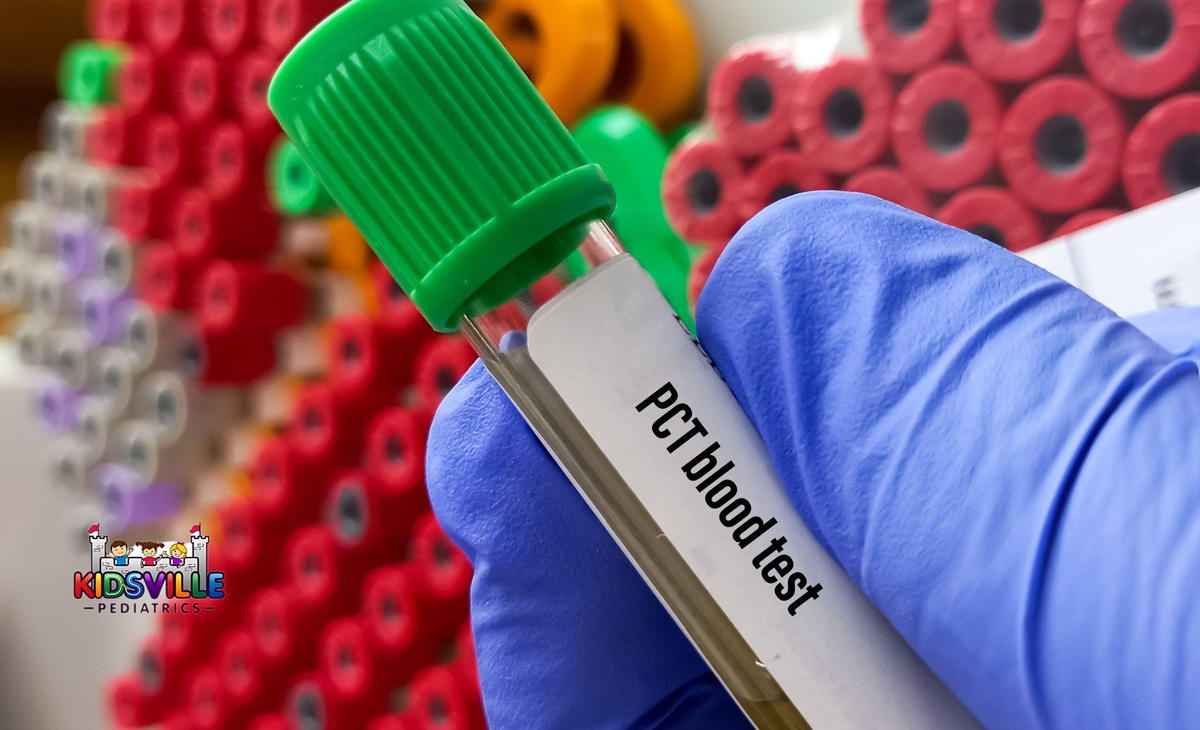
McKinney pediatrics experts emphasize that there is no single diagnostic test for sepsis; instead, multiple tests and assessments provide a comprehensive picture of a child’s health. Initial evaluations may include blood and urine tests to detect bacteria or viruses, imaging studies to locate infection sources, and sometimes a spinal tap to check for meningitis. Blood tests may reveal increased white blood cell counts, lactic acid levels, and elevated C-reactive protein (CRP), all indicators that the body is undergoing stress from inflammation.

Sepsis Treatment
Sepsis requires immediate medical treatment, typically involving hospitalization and intravenous antibiotics. The child may also need intravenous fluids and other medications to stabilize blood pressure, oxygen levels, and body temperature. In severe cases, children may require support in an intensive care unit (ICU), especially if they have difficulty breathing or need assistance to keep their heart rate and blood pressure stable.
The primary goal of treatment is twofold: to eliminate the underlying infection with antibiotics and to stabilize the body while it manages the inflammatory response. Specialized ICU staff provide care that ensures every vital sign remains stable, allowing the body to fight the infection and heal. Get prompt treatment from Kidsville Pediatrics because this is one of the most effective ways to improve a child’s outcome and prevent long-term complications.

Prevention of Pediatric Sepsis
Preventing sepsis starts with simple, proactive health measures. According to McKinney pediatrics McKinney TX experts, parents can take several steps to minimize the risk of infections that could lead to sepsis:
Vaccinate: Immunizations are a powerful defense, especially those for conditions like pneumonia, meningitis, and whooping cough. Keeping children’s vaccines up-to-date is essential in preventing these infections from escalating into sepsis.
Practice Good Hygiene: Encouraging frequent handwashing, keeping wounds clean, and reducing exposure to sick individuals can help keep infections at bay. Teaching children to wash their hands regularly is one of the simplest yet most effective preventive steps.
Seek Prompt Medical Attention: Any prolonged or unusual symptoms, such as a fever that doesn’t subside, severe pain, or a rash, should prompt a visit to a McKinney pediatrician. Early treatment for infections is key to preventing them from worsening or leading to sepsis.
Support Immune Health: Ensuring children have nutritious diets, adequate sleep, and regular physical activity supports overall immune function, providing a natural defense against infections.
Follow-Up Care for Pediatric Sepsis Survivors
For children who recover from sepsis, follow-up care is important. Some children may experience lasting effects on physical health, emotional well-being, or cognitive abilities. Kidsville Pediatrics McKinney recommends periodic evaluations to monitor these potential outcomes and provide therapies as needed to support a child’s long-term health.

Understanding the Long-Term Impact of Sepsis
The experience of sepsis can affect children in numerous ways, including psychological, physical, and cognitive challenges. While many children make a full recovery, some may experience post-sepsis syndrome (PSS). This syndrome may involve symptoms such as muscle weakness, poor concentration, or anxiety, which can linger for months.
Comprehensive follow-up care is beneficial, ensuring that any long-term effects are addressed early on. Pediatricians work closely with families to provide resources, therapies, and support services to foster a complete recovery and prevent potential relapses.
Key Takeaways on Pediatric Sepsis
Understanding sepsis and acting quickly if symptoms emerge is essential to protecting children’s health. Although sepsis is serious, pediatricians reassures parents that knowledge and vigilance can greatly reduce the risk of severe outcomes. Here are some critical takeaways:
Awareness Saves Lives: Recognizing the signs of sepsis early allows for immediate intervention. The sooner a pediatrician McKinney expert can diagnose and treat sepsis, the better the chances of a full recovery.
High-Risk Groups Need Extra Attention: Children with weakened immune systems, such as those undergoing chemotherapy or with chronic conditions, require added vigilance from parents and caregivers.
Prevention Is Possible: Many cases of pediatric sepsis can be prevented through vaccinations, hand hygiene, and early treatment of infections.
Follow-Up Care Matters: For those who recover, ongoing evaluations and supportive care help address any lingering effects and ensure a healthy future.
Our McKinney clinic, together with our other clinic locations, is committed to providing thorough, family-centered care that not only addresses immediate medical needs but also educates parents on how to recognize and prevent sepsis. By understanding sepsis symptoms and promoting preventive measures, families can help protect their children from this dangerous condition.
Ultimately, a proactive approach, including good hygiene, vaccinations, and prompt medical attention, is the best way to protect children from infections that could lead to sepsis.
Click to Schedule An Appointment. Or visit/call our clinics: Kidsville Pediatrics Mansfield TX: 682-341-3910; 1759 Broad Park Circle S, Suite 201 & 205, Mansfield, TX Kidsville Pediatrics Southlake: 682-345-8010; 2813 W. Southlake Blvd Suite 100 Southlake, TX Kidsville Pediatrics McKinney: 469-885-9400; 5881 Virginia Pkwy. Suite 300 Mckinney, TX |
