

Pregnancy is an incredible journey filled with excitement, joy, and anticipation for the life growing inside you. As an expectant mother, you’ll likely hear a wide range of advice on what to eat, what not to eat, and how to nourish yourself to ensure your baby’s health. Unfortunately, a lot of pregnancy nutrition advice is built on myths and misconceptions. If you’re wondering what the best prenatal diet is and how to separate fact from fiction, we’re here to help you debunk common myths and guide you toward optimal nutrition.
Myth #1: “You’re Nourishing Two Individuals, So Double Up on Your Calories”

One of the most common myths is that pregnant women should eat twice as much food because they’re “eating for two.” In reality, this is not only untrue but can also lead to unnecessary weight gain. Kidsville Pediatrics McKinney advises that while your prenatal nutritional needs do increase, it’s about quality, not quantity.
During the first trimester, you generally don’t need extra calories. In the second trimester, the requirement increases by about 300-350 extra calories per day, and by 450 extra calories in the third trimester. So rather than doubling up on meals, focus on nutrient-dense foods that supply vitamins, minerals, and healthy fats.
Eat balanced meals that include lean proteins, whole grains, fruits, and vegetables. Foods like eggs, lean meats, yogurt, leafy greens, and sweet potatoes will provide both you and your baby with the nutrients you need without unnecessary calories.
Myth #2: “Avoid All Fish Because of Mercury”

Fish is an excellent source of protein and omega-3 fatty acids, both of which are crucial for fetal brain development. While it’s true that certain types of fish contain higher levels of mercury and should be avoided, not all fish pose a risk. Many types are actually beneficial in a prenatal diet and are safe for regular consumption.
For example, salmon, trout, sardines, and tilapia are low in mercury and high in omega-3s. These fish can be consumed two to three times a week as part of a balanced pregnancy diet.
Better Tip: Avoid high-mercury fish like shark, swordfish, and king mackerel, but don’t skip all fish. The DHA found in safe fish options supports your baby’s brain development, making it an essential nutrient.
Myth #3: “Stay Away from Spicy Foods”

Some people believe that spicy foods can cause pregnancy complications, discomfort, or even trigger labor. While it’s true that spicy foods can sometimes cause heartburn or indigestion (which are common during pregnancy), there’s no scientific basis that spicy foods are harmful to you or your baby. According to Pediatrician McKinney TX experts if you enjoy spicy foods and they don’t cause you discomfort, feel free to include them in your diet.
Better Tip: If you’re prone to heartburn, opt for milder spices or eat smaller portions. You can still add spices that are beneficial for digestion, like ginger or turmeric, which are safe in moderation and can even relieve nausea.
Myth #4: “Avoid Caffeine Entirely”

The caffeine debate is one of the most confusing aspects of prenatal nutrition. While large amounts of caffeine aren’t recommended during pregnancy, moderate consumption is generally considered safe. The American College of Obstetricians and Gynecologists suggests limiting caffeine intake to 200 mg per day, which is about one 12-ounce cup of coffee. Moderate caffeine intake has not been linked to miscarriage or preterm birth.
Better Tip: Monitor your caffeine intake, and remember that it’s not only found in coffee but also in teas, chocolate, and soft drinks. Aim for a balance that keeps your intake under 200 mg to enjoy a bit of caffeine without concerns.
Myth #5: “Carbs Are Bad During Pregnancy”

With the rise of low-carb diets, many pregnant women wonder if they should reduce carbohydrates in their prenatal diet. However, carbohydrates are essential for providing energy, especially as pregnancy progresses and your energy needs increase. Complex carbs like whole grains, fruits, and vegetables provide steady energy and essential nutrients, including fiber.
Better Tip: Rather than avoiding carbs altogether, choose whole-grain options like brown rice, oatmeal, and whole wheat bread. These complex carbs will keep your energy levels stable and help prevent constipation, which is a common pregnancy symptom.
Myth #6: “Pregnancy Cravings Equal Nutrient Deficiency”

Many people believe that pregnancy cravings indicate a nutrient deficiency, but this isn’t necessarily true. While cravings are common and normal during pregnancy, there’s little evidence linking them to specific nutrient needs. Cravings are more likely driven by hormonal changes than by actual deficiencies, according to McKinney pediatrics doctors.
Better Tip: It’s okay to indulge your cravings occasionally, but aim to balance them with healthy foods. Your nutrition should be varied and rich in nutrients, so try to avoid indulging in unhealthy cravings too frequently.
Myth #7: “Skip Dairy if You’re Worried About Extra Weight”
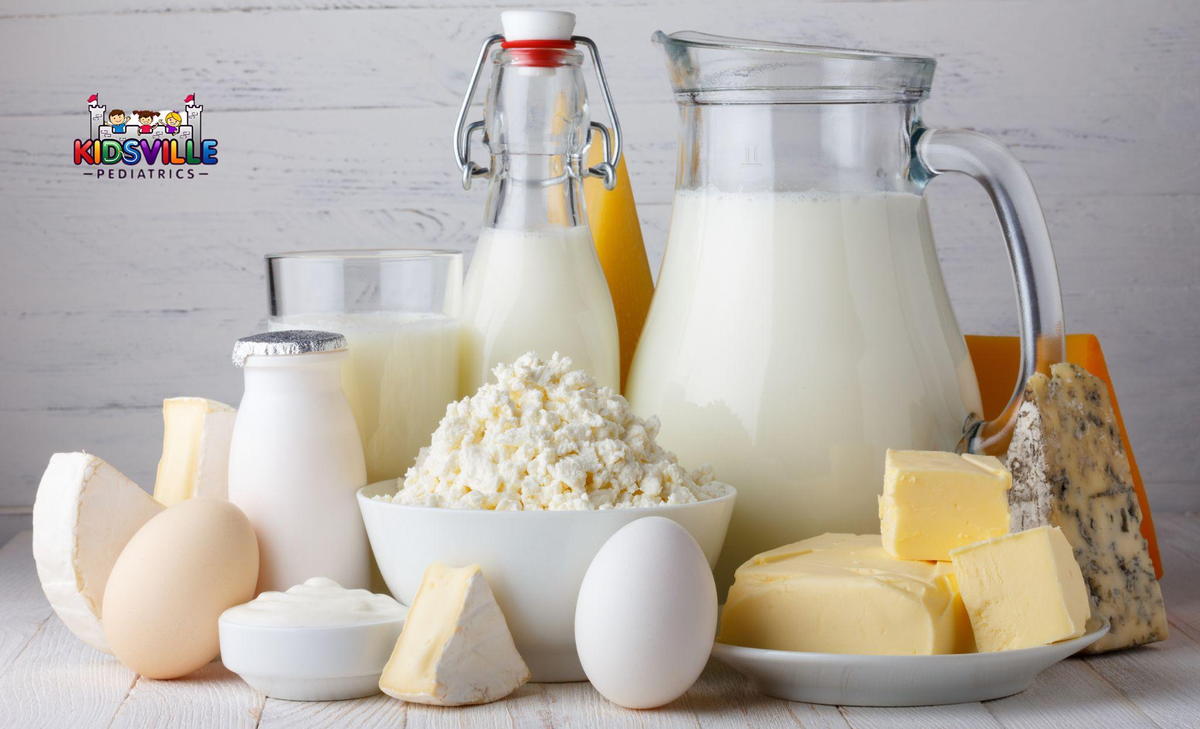
Dairy is often misunderstood, especially due to concerns about gaining too much weight. However, dairy products are rich in calcium, protein, and vitamin D, which are essential for your baby’s bone development. Low-fat and fat-free dairy options are generally available, so you can enjoy the benefits of dairy without excessive calories.
Better Tip: If you’re lactose intolerant or prefer non-dairy options, opt for fortified almond or soy milk to get similar nutrients. Aim to include at least three servings of dairy or dairy alternatives in your daily diet for optimal bone health.
Myth #8: “Stay Away from Eggs”

Some people believe that eating eggs during pregnancy can increase cholesterol or that raw eggs carry a risk of salmonella. While it’s true that raw or undercooked eggs should be avoided, fully cooked eggs are a great source of protein, choline, and essential amino acids. Choline, found in egg yolks, is a crucial nutrient for fetal brain and spinal cord development, according to your McKinney pediatrician.
Better Tip: Opt for fully cooked eggs and consider including them in your diet several times a week. Choline and other nutrients in eggs support brain health and overall development for your baby.
Myth #9: “All Prenatal Supplements Are the Same”

Many expectant mothers think that any supplement will meet their needs, but not all supplements are created equal. Some might lack sufficient folic acid, iron, or calcium, which are critical during pregnancy. It’s essential to consult with your healthcare provider before choosing a supplement, as some may have higher or lower doses than what’s ideal for your needs.
Better Tip: Look for vitamins with at least 400 mcg of folic acid, iron, calcium, and DHA for brain development. Your healthcare provider can help you find the best fit for you.
Myth #10: “Natural Foods Are Always Safe”

While natural foods are generally healthy, not everything natural is safe during pregnancy. Foods like unpasteurized cheeses, raw honey, and certain herbal teas can pose health risks due to potential bacteria or excessive herbs. It’s important to discuss these with your McKinney clinic.
Better Tip: Stick to pasteurized and well-cooked foods. Herbal teas should be reviewed with a healthcare provider to ensure they are safe in a pregnant woman’s diet, as some herbs can have adverse effects during pregnancy.
Pediatric Immediate Care Near Me
Pregnancy is a time to prioritize both your health and your baby’s. By understanding and dispelling common myths, you can make more informed decisions and feel empowered in your journey. Focus on a balanced diet that includes a variety of nutrient-rich foods, and don’t hesitate to seek guidance from a healthcare professional if you’re unsure.
The right nutrition can set a strong foundation for your baby’s growth and development, and by debunking these myths, you’ll be better equipped to choose a diet that’s healthy, sustainable, and satisfying. Remember, eating well doesn’t mean overhauling your diet entirely—it’s about choosing wholesome, nutrient-dense foods that support both you and your growing baby. Enjoy this exciting journey with a well-rounded, enjoyable approach to prenatal nutrition!
Click to Schedule An Appointment. Or visit/call our clinics: Kidsville Pediatrics Mansfield TX: 682-341-3910; 1759 Broad Park Circle S, Suite 201 & 205, Mansfield, TX Kidsville Pediatrics Southlake: 682-345-8010; 2813 W. Southlake Blvd Suite 100 Southlake, TX Kidsville Pediatrics McKinney: 469-885-9400; 5881 Virginia Pkwy. Suite 300 Mckinney, TX |
