
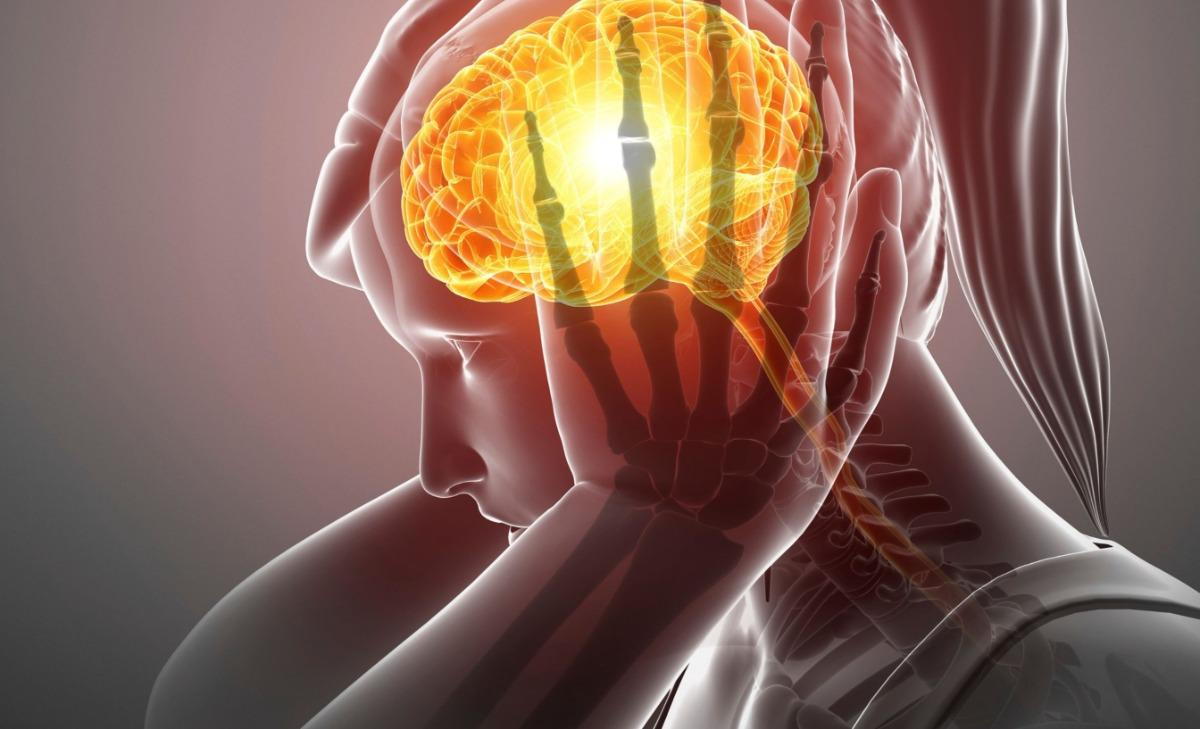
Migraine headaches are often associated with adults, but they can also affect children and adolescents. Pediatric migraine is a common yet often under-recognized condition that can have a profound impact on a child’s quality of life. Understanding the causes, symptoms, and triggers of pediatric migraines is crucial for parents, caregivers, and healthcare providers in helping manage and treat these debilitating headaches effectively. In this article, we will explore what pediatric migraines are, how they manifest in children, and the most common triggers, as well as discuss treatment options and strategies for prevention.
What Are Pediatric Migraines?

A pediatric migraine is a neurological disorder in children marked by intense, pulsating headaches, frequently accompanied by symptoms like nausea, vomiting, sensitivity to light and sound, and more.. While migraines can affect people of all ages, pediatric migraines are particularly challenging due to the difficulty children may have in communicating their symptoms or understanding what is happening to them.
Any McKinney pediatrician would tell you that migraines are typically different from those seen in adults. They may not always involve the classic aura (visual disturbances) or may be less severe. Pediatric migraines often present with a more variable symptom profile and can manifest in several different ways, including:
Headache pain: Migraines in children usually present as throbbing or pounding headaches that can last for several hours or even days. The pain is often located on one side of the head, but it may affect the whole head as well.
Nausea and vomiting: Many children with migraines experience gastrointestinal symptoms, including nausea and vomiting, which can be so severe that the child cannot tolerate eating or drinking.
Sensitivity to light and sound: Children with migraines may be very sensitive to light, sound, and sometimes even smells. This heightened sensitivity often causes them to retreat to a dark and quiet room during an episode.
Dizziness and fatigue: Some children may also experience dizziness, vertigo, or an overwhelming sense of tiredness during or after a migraine attack.
Aura (visual disturbances): In some cases, children may experience an aura before the migraine begins. This might include blurry vision, flashing lights, or even temporary loss of vision.
Migraines are more common in children than many parents realize. It is estimated that about 10% of children experience migraines, with the peak onset typically occurring between the ages of 5 and 15. Children may experience a series of migraines over time, and some may develop chronic migraines (defined as 15 or more headache days per month). Chronic migraines can have a lasting impact on a child’s school performance, social activities, and overall well-being.
Common Triggers of Pediatric Migraines

Understanding the triggers of pediatric migraine is essential for both prevention and management. Migraines can be triggered by a wide variety of factors, and the exact triggers can vary from child to child. By identifying and avoiding potential triggers, parents and pediatric healthcare McKinney experts can help reduce the frequency and severity of migraine attacks.
Dietary Triggers
Certain foods and drinks have been linked to migraines in children. While the specific triggers can vary, common culprits include:Caffeine: While some adults may consume caffeine as a headache treatment, it can be a migraine trigger in children. Regular consumption of caffeinated beverages like sodas, energy drinks, and coffee can disrupt a child’s sleep cycle and increase the likelihood of a migraine.
Chocolate: Many children who suffer from migraines find that chocolate is a common trigger. This may be due to the presence of substances like caffeine and theobromine, which are known to affect blood vessels and cause headaches in susceptible individuals.
Processed foods: Foods containing artificial additives, preservatives, and flavorings, such as monosodium glutamate (MSG), nitrates, and artificial sweeteners, have been associated with migraines in some children. Processed meats like hot dogs, sausages, and deli meats, in particular, may be problematic.
Cheese and dairy products: Aged cheeses, such as cheddar and blue cheese, contain tyramine, a substance that can trigger headaches in some children.
Citrus fruits: For some children, citrus fruits like oranges, lemons, and grapefruits can cause migraines due to their acidity and high sugar content.
Skipping meals: Missing meals or fasting for long periods can trigger migraines in children, likely due to fluctuations in blood sugar levels. Consistent meal times and healthy snacks can help prevent these triggers.
Environmental Triggers
The environment plays a significant role in triggering migraines. Changes in the weather, air quality, or physical surroundings can all provoke a migraine episode. Common environmental triggers according to experts from any McKinney clinic:Bright lights: Many children with migraines are particularly sensitive to bright or flickering lights. Sunlight, fluorescent lights, or light from screens (such as smartphones and computers) can lead to a migraine attack.
Strong smells: Strong odors from perfumes, cleaning products, or environmental pollutants can act as migraine triggers for sensitive children.
Temperature changes: Sudden changes in temperature, such as moving from a hot environment to an air-conditioned room or vice versa, may trigger a migraine. Humidity and barometric pressure changes are also linked to headaches in some children.
Stress and Anxiety
Emotional stress is one of the most common triggers of migraines in both children and adults. Children, especially those in school, may experience stress related to academic pressure, social challenges, or family issues. The emotional toll of stress can lead to physical symptoms, including headaches. Anxiety and depression are also linked to a higher frequency of migraines, making it important for parents to manage their child’s emotional well-being and provide a supportive environment. Consulting with the best pediatrician in McKinney TX can help guide parents in addressing emotional stressors and preventing migraine episodes.Sleep Disruptions
Sleep is critical for overall health, and poor sleep habits are a significant contributor to pediatric migraines. A lack of sleep, inconsistent sleep schedules, or poor-quality sleep can all increase the likelihood of a pediatric migraine. Over-sleeping can also trigger migraines, as irregular sleep patterns are a known migraine risk factor. Ensuring that children have a consistent bedtime routine and get adequate, quality sleep is vital for migraine prevention.Physical Activity and Exercise
While regular physical activity is generally beneficial for children, intense or strenuous exercise can trigger migraines in some children. Over-exertion, dehydration, or skipping a pre-exercise snack can cause the body to enter a state of stress, leading to a migraine attack. However, moderate physical activity like walking or swimming may help relieve tension and improve overall migraine management.Hormonal Changes
Hormonal changes during puberty can trigger migraines in some children, particularly in girls. Fluctuations in estrogen and progesterone levels can be a major factor in the onset of migraines, which is why girls may experience more frequent migraines after the onset of menstruation. Hormonal imbalances or changes during puberty can make migraines more common or more severe in some children. Consulting with McKinney pediatrics doctors can help monitor these changes and manage migraine symptoms effectively.Dehydration
Not drinking enough water is another common trigger for pediatric migraines. Dehydration can cause changes in the blood vessels in the brain, leading to a headache. Ensuring that children stay well-hydrated throughout the day can help prevent this trigger.
Pediatric Migraine Treatment

If a child is experiencing migraines, it is important to consult a pediatrician or pediatric neurologist for proper diagnosis and treatment. Diagnosing pediatric migraines can be challenging, as many children may not have the vocabulary to describe their symptoms, and the presentation can be different from that seen in adults. Kidsville Pediatrics McKinney can provide expert care and guidance in identifying migraine triggers and developing an effective treatment plan tailored to your child’s needs.
The pediatrician will typically conduct a thorough medical history and physical examination, ask about the frequency and severity of headaches, and inquire about any potential triggers. In some cases, additional tests, such as imaging (CT scans or MRIs), may be necessary to rule out other potential causes of the headaches.
Once diagnosed, treatment strategies for pediatric migraines may include:
Medications: A combination of over-the-counter and prescription medications can be used to manage pediatric migraines. Pain relievers such as ibuprofen or acetaminophen are commonly used to treat mild migraines. In more severe cases, triptans, which are specific migraine medications, or anti-nausea drugs may be prescribed. It’s important to work closely with a McKinney doctor to determine the most effective treatment plan for your child’s specific needs and symptoms.
Lifestyle changes: Parents can help manage their child’s migraines by keeping a migraine diary to track potential triggers, maintaining a consistent sleep schedule, ensuring hydration, and reducing stress. A balanced diet and regular physical activity can also play a role in prevention.
Behavioral therapy: Cognitive-behavioral therapy (CBT) and other relaxation techniques can be beneficial for managing migraine triggers related to stress and anxiety.
Pediatrician Near Me
Pediatric migraine can be an overwhelming experience for both children and their families, but with the right treatment and management strategies, the frequency and intensity of migraine attacks can often be reduced. Identifying and avoiding common triggers is key to preventing migraines, and providing emotional support to children dealing with these painful episodes can go a long way in improving their quality of life. If your child is experiencing migraines, seeking the guidance of a pediatrician or specialist is essential for accurate diagnosis and effective treatment. With the proper care and support, children with migraines can continue to lead active, healthy lives.
Click to Schedule An Appointment. Or visit/call our clinics: Kidsville Pediatrics Mansfield TX: 682-341-3910; 1759 Broad Park Circle S, Suite 201 & 205, Mansfield, TX Kidsville Pediatrics Southlake: 682-345-8010; 2813 W. Southlake Blvd Suite 100 Southlake, TX Kidsville Pediatrics McKinney: 469-885-9400; 5881 Virginia Pkwy. Suite 300 Mckinney, TX |
