
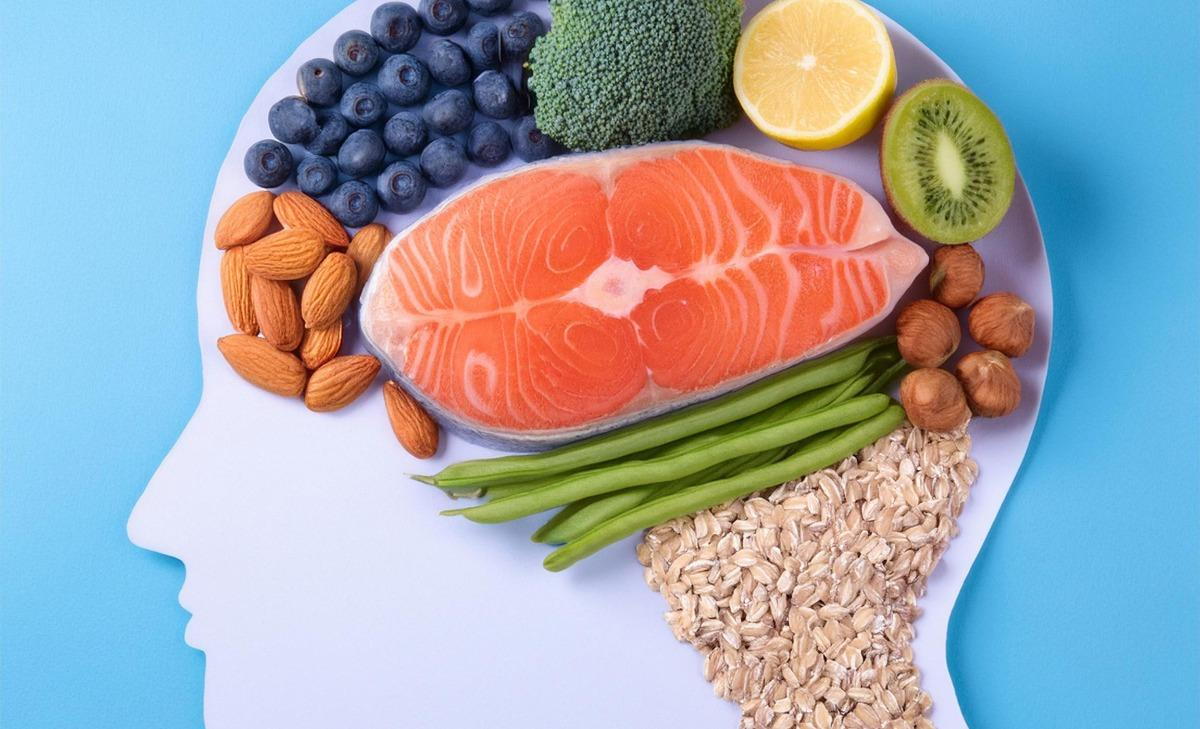
Good nutrition plays a pivotal role in a child's growth, especially when it comes to brain development. A child’s brain grows rapidly in the early years, and what they eat can significantly impact their learning, memory, and overall cognitive abilities. Choosing the right brain foods to support your child's brain can set them up for success in school and beyond.
Here are some of the best brain-boosting foods that every parent should consider including in their child's diet, recommended by Kidsville Pediatrics McKinney.
Choose Fatty Fish for Omega-3s

Fatty fish like salmon, trout, and sardines are rich in omega-3 fatty acids, particularly DHA (docosahexaenoic acid) and EPA (eicosapentaenoic acid). Omega-3s are essential for brain growth and function, improving memory, and supporting mood regulation.
Studies have shown that kids who consume more omega-3-rich foods have better cognitive function. Serve grilled or baked salmon with herbs, mix canned tuna with whole-grain pasta for a quick lunch, or make fish tacos with a squeeze of lemon and mild salsa. At Kidsville Pediatrics, we often emphasize the importance of omega-3s for children's brain development.
Include Eggs for Choline

Eggs are a great source of protein and contain choline, a nutrient crucial for brain health. Choline helps in the production of acetylcholine, a neurotransmitter important for memory and learning. The high protein content in eggs also helps keep kids feeling full and focused.
Make a simple veggie omelet for breakfast, hard-boil eggs for an easy, portable snack, or add scrambled eggs to whole-wheat tortillas for a breakfast wrap. Families visiting pediatricians frequently ask about nutrient-rich brain foods, and eggs are always at the top of our list.
Pack in Dark Leafy Greens

Dark, leafy greens like spinach, kale, and Swiss chard are some of the most nutrient-rich foods you can include in your child’s diet, especially when it comes to supporting brain health. These greens are loaded with folate, a B-vitamin that plays a crucial role in cognitive development. Folate is essential for the production of neurotransmitters, which are chemicals that facilitate communication between brain cells. Higher levels of folate have been associated with improved memory, concentration, and overall cognitive function. Including leafy greens in your child’s meals can help boost their mental performance and even lower the risk of cognitive decline as they grow.
In addition to folate, dark greens are packed with vitamins like Vitamin K, which is known to support cognitive function and enhance brainpower. They are also high in antioxidants such as beta-carotene and vitamin C, which help protect delicate brain cells from oxidative stress. This means that these greens not only aid in building a healthy brain but also safeguard it from damage over time.
One of the biggest challenges with leafy greens is getting kids to actually eat them, but there are many creative ways to incorporate them into meals without a fuss. For instance, blending spinach into a fruit smoothie is a great trick—its mild flavor gets masked by sweeter fruits like bananas or strawberries, so kids won't even notice it’s there. Another kid-friendly option is to sauté kale with a bit of garlic and a drizzle of olive oil until tender. This not only adds flavor but also makes the greens more appealing in texture. You can also chop leafy greens finely and mix them into sauces, soups, or casseroles; they blend seamlessly into tomato-based pasta sauces or hearty stews, adding a nutritional boost without drawing too much attention.
As Kidsville Pediatrics McKinney experts, we emphasize the importance of making these nutrient-rich greens a regular part of your child's diet. Even small amounts can make a significant difference over time. The key is to make these foods familiar to children in a way they find tasty and enjoyable. For parents struggling to get kids to eat their greens, we suggest involving them in the preparation process. Let them pick out fresh spinach at the grocery store or help tear kale leaves for a salad. This hands-on involvement can make kids more excited about eating what they helped prepare.
Boost Brain Health with Berries

Berries like blueberries, strawberries, and blackberries are packed with antioxidants, particularly vitamin C, which helps prevent oxidative stress in the brain. They also contain flavonoids that can enhance memory, improve focus, and support overall cognitive development. Top cereal or oatmeal with fresh or frozen berries, blend a mix of berries into a yogurt parfait with granola, or freeze berries for a refreshing snack on a hot day. Parents are often surprised to learn how beneficial berries can be for cognitive health.
Add Nuts and Seeds for Healthy Fats

Nuts and seeds are rich in vitamin E, an antioxidant that protects cells from oxidative stress. They are also packed with healthy fats, protein, and fiber. Walnuts, in particular, are a great source of DHA, while flaxseeds and chia seeds provide plant-based omega-3s. Sprinkle chopped nuts over yogurt or salads, make a trail mix with a variety of nuts and seeds for an afternoon snack, or add a spoonful of ground flaxseeds or chia seeds to smoothies or oatmeal. At Kidsville Pediatrics McKinney, we encourage families to keep a variety of nuts and seeds on hand for nutritious snacking.
Choose Whole Grains for Steady Energy

Whole grains like oats, brown rice, and whole wheat are excellent sources of complex carbohydrates that provide a steady release of glucose—your brain’s main source of energy. They also contain fiber, which helps regulate blood sugar levels and sustain energy. Serve oatmeal topped with fresh fruit and a drizzle of honey, use whole-grain bread for sandwiches, or cook brown rice or quinoa as a side dish with dinner. McKinney pediatricians recommend incorporating whole grains to keep kids’ energy stable throughout the day.
Enjoy Greek Yogurt for Protein and Probiotics
Greek yogurt is rich in protein and calcium, both of which are vital for developing brain cells. It also contains probiotics, which support a healthy gut. A well-functioning digestive system is connected to improved mood and cognitive function, thanks to the gut-brain axis. Mix Greek yogurt with fresh fruit and a dash of cinnamon, use it as a base for smoothies, or serve with a drizzle of honey and a sprinkle of granola for a tasty dessert. Our pediatric healthcare McKinney professionals love recommending Greek yogurt as a tasty and nutritious snack.
Providing your child with a nutritious diet is one of the best things you can do for their brain development. The brain foods listed above are not only delicious but also packed with the nutrients that promote a healthy, growing mind. Incorporating these foods into your child’s daily meals can improve focus, memory, and overall cognitive function. At Kidsville Pediatrics McKinney, we encourage families to prioritize a balanced diet that supports not only physical but also cognitive development.
By making simple and tasty choices, you can help set the stage for a lifetime of healthy eating habits that benefit both the body and the mind. Remember, nutrition doesn’t have to be boring—get creative in the kitchen, involve your kids in meal prep, and have fun with brain foods that your whole family will enjoy! Have questions about your child’s nutrition? Schedule an appointment with Kidsville Pediatrics McKinney to get personalized advice and support. Together, we can build healthy habits that last a lifetime.
Click to Schedule An Appointment. Or visit/call our clinics: Kidsville Pediatrics Mansfield TX: 682-341-3910; 1759 Broad Park Circle S, Suite 201 & 205, Mansfield, TX Kidsville Pediatrics Southlake: 682-345-8010; 2813 W. Southlake Blvd Suite 100 Southlake, TX Kidsville Pediatrics McKinney: 469-885-9400; 5881 Virginia Pkwy. Suite 300 Mckinney, TX |
