
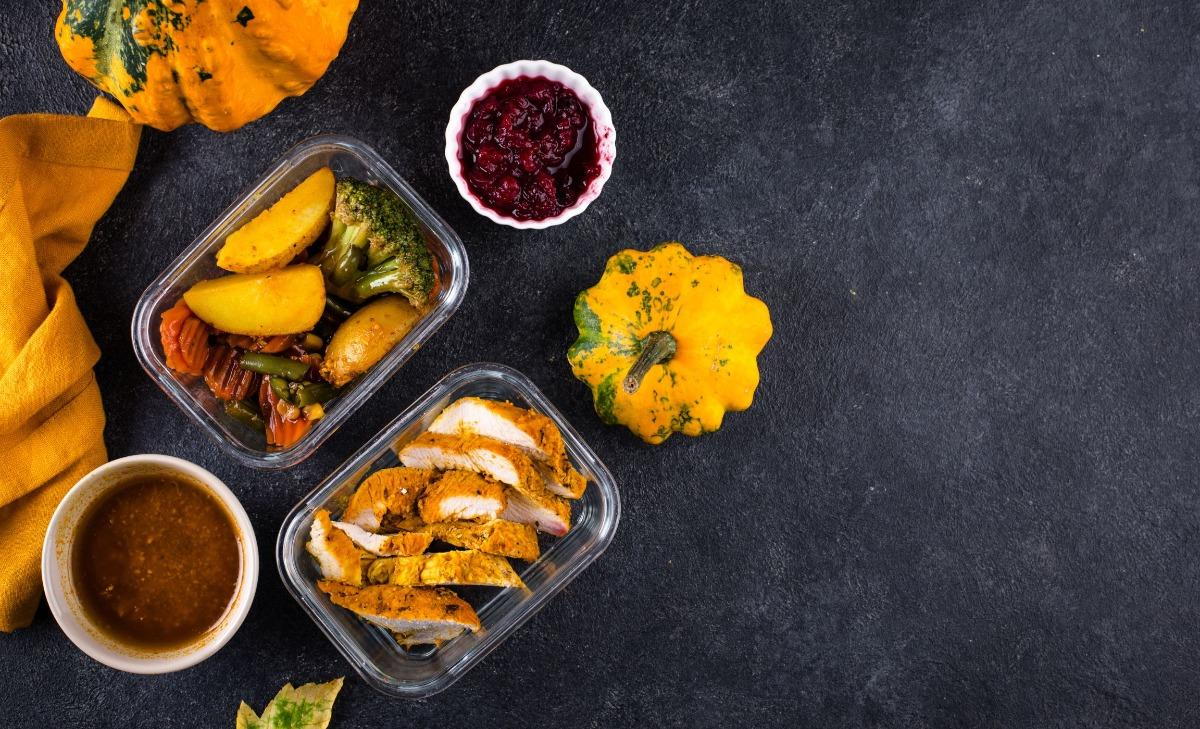
Thanksgiving is a time for celebration, food, and family gatherings. For parents of young children, it can also be a time of concern due to the potential choking hazard associated with traditional holiday dishes. Children under the age of 4 are particularly vulnerable to choking because of their smaller airways and limited chewing skills. Therefore, it’s crucial for caregivers to be vigilant and take preventive measures to ensure the Thanksgiving table is safe for even the smallest family members.
This article will cover key tips on how to prevent choking hazards during the Thanksgiving holiday, focusing on food preparation, serving methods, and careful supervision. At Kidsville Pediatrics, we are committed to helping families keep their little ones safe during the festive season by providing practical advice and highlighting common food items that may pose risks to young children.
Why Choking Hazards Are a Concern During Thanksgiving

Thanksgiving meals often include a variety of foods with different textures and sizes. From crunchy nuts and stringy green beans to sticky mashed potatoes and large chunks of turkey, the typical Thanksgiving feast can pose risks for young children. Pediatric doctors emphasize that choking occurs when food gets lodged in the airway, obstructing breathing. This is more likely to happen if foods are not cut properly, are hard to chew, or are served in inappropriate sizes for children. Being aware of the most common choking risks and learning how to mitigate them can help families enjoy a safe holiday meal while reducing risks for young kids.
Common Choking Hazards in Traditional Thanksgiving Foods

Here are some typical Thanksgiving foods that pose a risk to young children:
Nuts: Nuts are small, round, and hard, making them a top choking hazard. Whole nuts should be avoided for children under 5.
Grapes and Cherry Tomatoes: These round foods are the perfect size to get stuck in a child's airway if not properly cut.
Raw Vegetables: Crunchy raw carrots and celery are difficult for young children to chew and can easily cause choking.
Turkey and Meat: Large chunks of turkey, especially if dry, can be tough for kids to chew and swallow safely.
Stuffing with Hard Ingredients: Stuffing that contains hard items like nuts or large pieces of bread can pose a risk.
Hot Dogs and Sausages: If served at holiday parties, hot dogs and sausages should be cut into small, manageable pieces.
Marshmallows: Soft and sticky marshmallows can form a tight ball in a child's throat, making them particularly dangerous.
Popcorn: If served during the festivities, popcorn can easily get stuck in a young child’s throat.
Bread Rolls: While generally safe, dense and sticky bread rolls can become a choking hazard if swallowed in large pieces.
Fruit Snacks and Candied Items: Candied fruits or chewy snacks are often served as desserts or treats, but their sticky nature can cause choking.
Food Preparation Tips to Prevent Choking

To minimize the risks associated with traditional Thanksgiving foods, it’s essential to prepare dishes with children in mind. Here are some food preparation tips:
1. Cut Food into Small, Manageable Pieces
Large food items like turkey, vegetables, and fruits should be cut into small pieces appropriate for the child’s age to avoid potential choking hazards. For example, items like grapes, cherry tomatoes, and hot dogs are common foods that require extra attention. These should be sliced lengthwise and then cut into quarters to minimize choking risks.
Additionally, turkey should be shredded or chopped into manageable, bite-sized pieces to prevent choking hazard warnings from becoming a reality during the holiday meal. Proper food preparation ensures that even the youngest guests can safely enjoy Thanksgiving dishes.
2. Cook Vegetables Until Soft
Raw vegetables can be too hard for young children to chew, so consider steaming or cooking them until they are soft. For dishes like green beans or carrots, ensure they are tender enough to be easily squashed with a fork.
3. Avoid Sticky and Hard Foods
Sticky foods like peanut butter, marshmallows, and gummy candies are best avoided or modified for young children to reduce the risk of choking. For example, instead of serving large dollops of peanut butter, thinly spread it on toast to make it easier for children to chew and swallow. You can also consider alternatives like whipped cream in place of marshmallows for certain dishes to create a safer texture. Parents who are concerned about choking hazards can also search for "pediatric immediate care near me" in case of an emergency, ensuring they have quick access to medical care if needed during the holiday season.
4. Use Nut-Free Recipes
If you are hosting families with young children, consider making nut-free versions of traditional dishes. Many stuffing recipes and desserts can be adapted to exclude nuts, reducing the risk for all children attending the meal.
5. Keep Small Items Out of Reach
Choking can occur with non-food items too. Small decorations, table ornaments, or any other small objects around the Thanksgiving meal can easily become choking hazards if a child decides to put them in their mouth. Parents should keep these items well out of reach of young children, as they can be just as dangerous as food-related choking hazards.
For example, grapes choking hazard is a well-known concern. Grapes should always be sliced lengthwise and cut into smaller pieces to minimize this risk. Be mindful that even small, non-food items, if not properly managed, can lead to unexpected accidents. Always ensure that everything within a child's reach is either child-safe or removed from the environment.
Serving Suggestions for a Safe Thanksgiving Meal

Beyond food preparation, how food is served also matters. Use these tips to ensure children can safely enjoy the meal:
1. Seat Young Children in a High Chair
If possible, have young children seated in a high chair during the meal. This can help them stay focused on eating and make supervision easier for adults. High chairs also promote proper eating posture, which is crucial for safe swallowing.
2. Serve Food in Small Portions
Serve young children small portions to reduce the temptation to overfill their mouths. You can always offer more if they finish their first helping safely.
3. Encourage Eating Slowly
Remind children to take their time while eating and to chew thoroughly before swallowing. Consider implementing a family rule where everyone takes a break between bites, giving children ample time to chew and swallow.
4. Model Safe Eating Habits
Parents and caregivers play a crucial role in preventing choking hazards during meals. One of the best ways to model safe eating habits is by showing children how to eat slowly and chew thoroughly. Additionally, food should always be cut into smaller, age-appropriate bites to ensure it can be chewed safely. It’s also important to avoid multitasking during mealtime. By making eating a focused activity, families can minimize distractions that may cause children to rush their food or not chew properly. These simple but effective steps can help prevent choking accidents.
If you're looking for professional advice on child safety and choking hazards, visiting a pediatric clinic can provide valuable resources and guidance. Pediatricians often offer tips on food safety and can help parents understand best practices for reducing choking risks at home.
Supervising Young Children During Meals

Supervision is key to preventing choking incidents. Here are some strategies to keep an eye on children while they eat:
1. Stay Within Arm’s Reach
For very young children, staying within arm’s reach allows you to act quickly if they begin to choke. Always supervise children while they are eating.
2. Know Basic First Aid for Choking
Every parent and caregiver should be familiar with basic first aid procedures for choking hazards. Knowing how to perform the Heimlich maneuver for infants, toddlers, and older children can be a lifesaving skill in a choking emergency. In the event of a child choking, it’s critical to act quickly to help clear the airway. Pediatricians recommend that caregivers take a first aid course to learn these essential skills.
The Heimlich maneuver can vary based on a child's age, so it's important to receive guidance tailored to the age group you're caring for. If you're unsure how to respond in a choking situation, a pediatric clinic can offer training and valuable resources on how to prevent and manage choking risks. By being prepared and informed, parents and caregivers can help keep their children safe during family meals and other situations.
3. Make Mealtime a Calm Environment
Try to maintain a calm and relaxed atmosphere during meals. Avoid encouraging children to eat while walking, running, or talking excitedly, as this can increase the risk of choking. A focused and calm meal environment allows children to pay attention to their food and chew properly.
What to Do If a Choking Incident Occurs

Despite all precautions, accidents can still happen. If a child starts choking:
Stay Calm: Try to remain composed to avoid alarming the child further.
Encourage Coughing: If the child can still cough or speak, encourage them to keep coughing to dislodge the object.
Use Back Blows or Abdominal Thrusts: If the airway is blocked, use age-appropriate first aid techniques like back blows for infants or abdominal thrusts for older children.
Call Emergency Services: If the child can’t breathe, becomes unconscious, or you’re unable to remove the object, call emergency services immediately.
Same Day Scheduling – A Necessity
Thanksgiving is a time for creating joyful memories with loved ones. Ensuring a safe environment for young children involves being mindful of the foods you prepare and serve, practicing careful supervision, and knowing what to do in case of an emergency. By taking simple precautions—like cutting food into small pieces, choosing soft textures, and staying attentive during meals—families can enjoy a holiday that’s both fun and safe for everyone.
By keeping these tips in mind, you can help create a Thanksgiving experience where the only thing on everyone’s mind is enjoying great food and company, not dealing with emergencies. Here’s to a happy and safe Thanksgiving celebration for all!
In the next few days leading up to Thanksgiving, Kidsville Pediatrics will not just blog about choking hazards but also more health tips connected to the season.
Click to Schedule An Appointment. Or visit/call our clinics: Kidsville Pediatrics Mansfield TX: 682-341-3910; 1759 Broad Park Circle S, Suite 201 & 205, Mansfield, TX Kidsville Pediatrics Southlake: 682-345-8010; 2813 W. Southlake Blvd Suite 100 Southlake, TX Kidsville Pediatrics McKinney: 469-885-9400; 5881 Virginia Pkwy. Suite 300 Mckinney, TX |
