
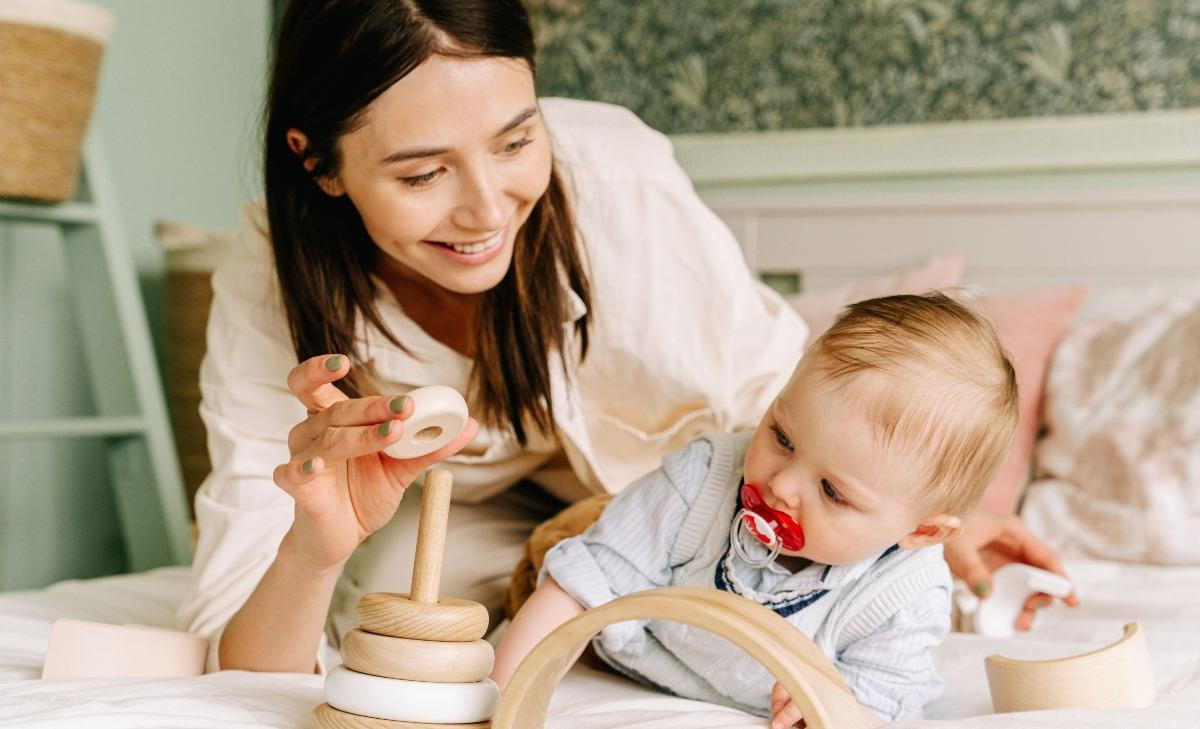
Infancy is an extraordinary period of rapid growth, where every moment holds the potential for developmental progress. From the earliest reflexes to the excitement of first steps, tracking infant development milestones allows parents and caregivers to observe their baby’s growth across multiple domains: physical, cognitive, emotional, and social. These milestones are essential indicators that provide insight into whether a baby is developing as expected or may need additional support.
Each child’s developmental journey is unique, and milestones serve as benchmarks rather than strict deadlines. Understanding them helps parents celebrate achievements and seek early intervention when necessary, offering the best opportunities for optimal growth. A trusted pediatric clinic can provide essential guidance, ensuring timely assessments and personalized support. Let’s explore key milestones during the first year, what they mean, and how parents can support their child’s development.
The First Three Months: Foundation Building

The initial months of life focus on essential survival skills and early interaction. Newborns arrive with a set of reflexes—rooting (turning toward a touch on the cheek), grasping, and the Moro reflex (startling response to sudden movement). During tummy time, which is crucial for developing neck and upper body strength, babies will begin to lift their heads briefly.
Socially, infants bond by recognizing caregivers’ voices and responding with their first social smiles around 6 to 8 weeks. The first coos and gurgles appear, representing early attempts at vocal communication. Eye-tracking movements also become smoother as babies focus on faces and brightly colored objects, indicating cognitive curiosity. A well-rounded pediatric center supports these early milestones by offering expert guidance on fostering social, emotional, and cognitive growth, laying the groundwork for later physical coordination, emotional attachment, and speech development.
Four to Six Months: Growing Curiosity and Interaction
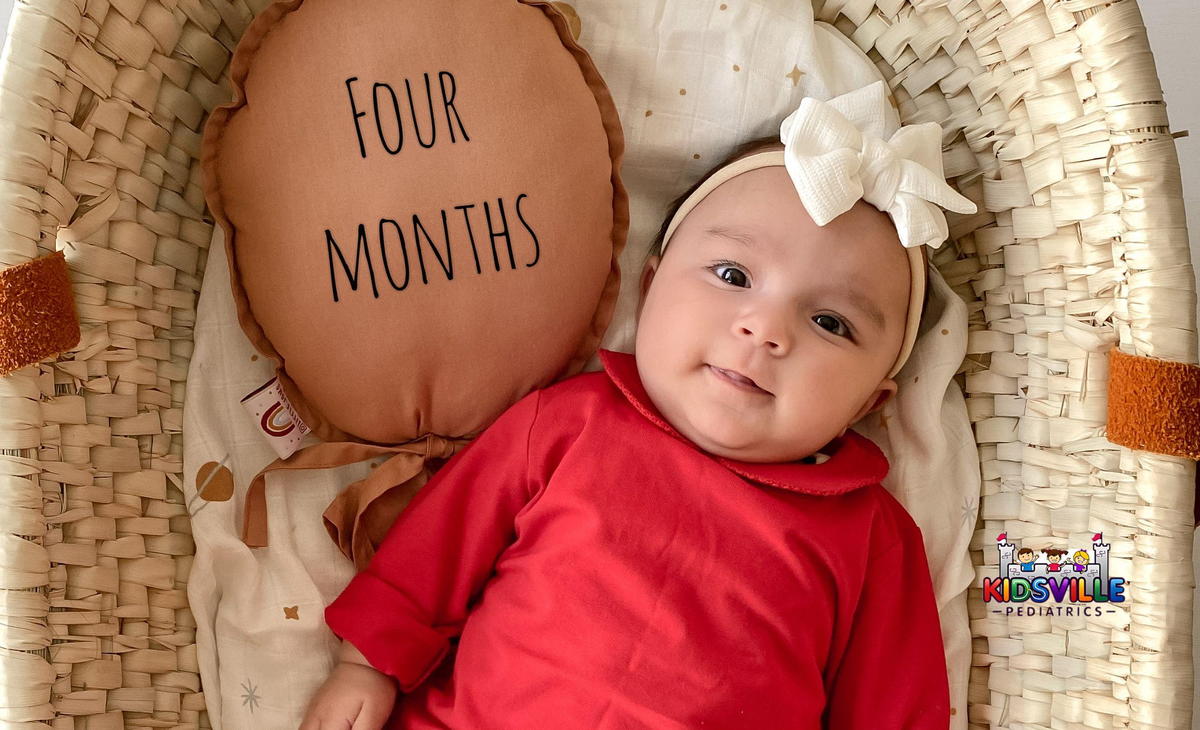
By four months, babies gain more head control, and many can roll from their stomach to their back. Sitting with support and reaching for objects are key motor skills that develop during this period. Babies love using their hands to explore, grasping toys and bringing them to their mouths, signaling the growth of fine motor skills and hand-eye coordination.
Emotionally, laughter emerges, as do excited squeals, signaling growing engagement with caregivers. Babbling becomes more complex, with consonant sounds like "ba" or "da" often delighting parents as babies experiment with forming sounds. A pediatric doctor plays a crucial role in monitoring these developments, ensuring that emotional and cognitive milestones are on track. Cognitive growth includes increased ability to focus on moving objects and turn toward familiar voices, setting the stage for more advanced language skills.
Seven to Nine Months: Developing Mobility and Social Play

Mobility becomes a primary focus between seven and nine months. Babies often learn to sit independently, crawl, or scoot around to explore their environment. Some begin pulling themselves up to a standing position, which is an exciting precursor to walking. Babies now use both hands to manipulate objects, transferring toys from one hand to the other with ease.
Social play reaches new heights with interactive games like peek-a-boo and pat-a-cake, helping babies grasp the concept of object permanence—the understanding that objects still exist even when out of sight. These activities also promote pediatric care by fostering cognitive reasoning, emotional security, and social bonding. Additionally, the ability to imitate gestures, such as waving or clapping, signals growing social and communicative competence, key indicators in early childhood development.
Ten to Twelve Months: First Words and First Steps

The final quarter of the first year is often marked by significant developmental leaps. Many babies begin standing independently and taking their first steps. Their fine motor skills also improve, enabling them to use the pincer grasp to pick up small objects between the thumb and forefinger.
Cognitively, babies understand basic commands such as “no” or “come here” and often say their first meaningful words, such as “mama” or “dada.” Separation anxiety may peak as babies become more attached to their primary caregivers and aware of unfamiliar people. Socially, these months foster an emerging sense of independence alongside a desire for reassurance from loved ones.
Variations in Development and Individual Differences
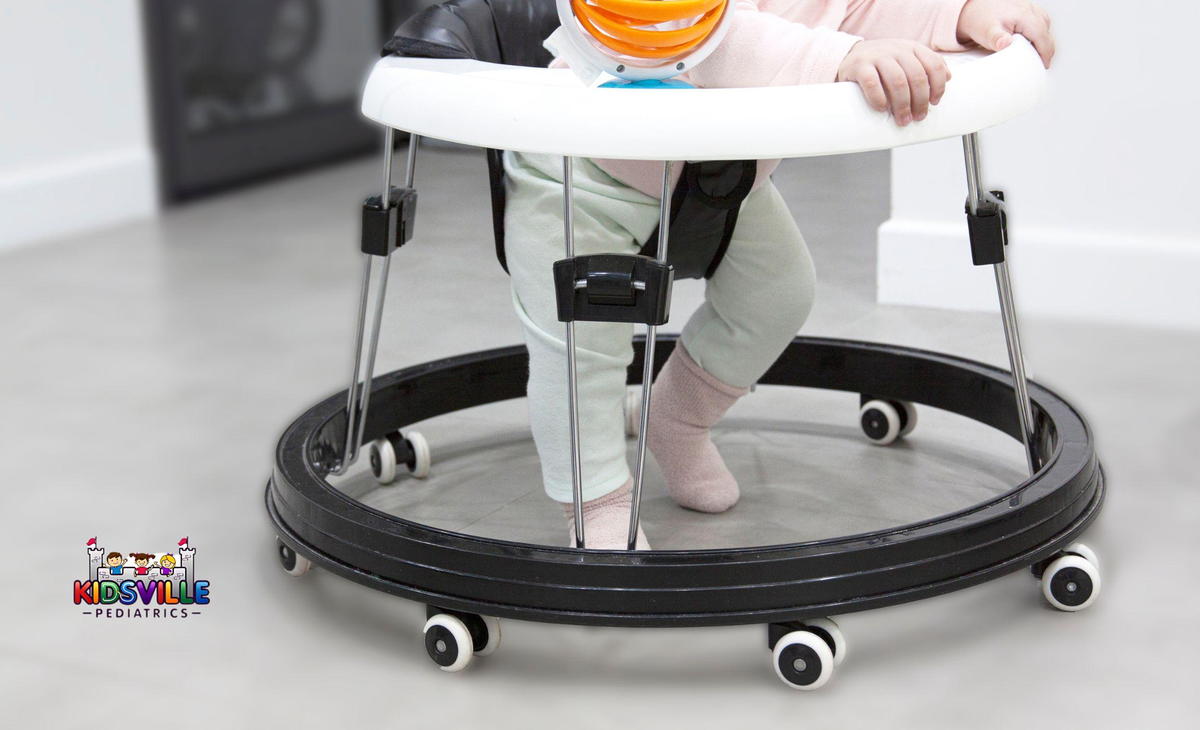
While infant development milestones provide a general roadmap, each child progresses at their own pace. Some may walk early but take longer to speak, while others might be quick to form words but slower to crawl. Variations are normal, and milestones should be seen as flexible guides. However, if milestones are consistently missed or delayed, it may be time to seek guidance from a pediatrician.
Parents should be aware of signs that might indicate developmental concerns, such as a lack of head control by 4 months, absence of babbling by 6 months, or inability to sit by 9 months. At Kidsville Pediatrics, early intervention can make a significant difference, helping children overcome challenges and reach their full potential with the right support and care.
Supporting Infant Development at Home
Parents play a crucial role in fostering their baby’s growth. Encouraging tummy time strengthens neck, back, and shoulder muscles necessary for crawling. Talking, singing, and reading to babies every day helps boost language development and cognitive skills. Providing a safe and engaging environment with age-appropriate toys promotes problem-solving and exploration.
Interactive games like pat-a-cake, clapping, and singing nursery rhymes help develop social and emotional bonds. Parents should be attentive to their baby’s cues, knowing when they are ready to engage and when they need rest or comfort. Celebrating small victories encourages babies to keep learning and exploring their abilities. These developmental activities can be supported and guided by experts at a pediatric clinic, ensuring that your child receives personalized care as they grow and develop.
The Importance of Pediatric Behavioral Health

Beyond physical milestones, pediatric behavioral health plays a crucial role in overall development. Behavioral health services can support children in developing emotional regulation, managing sensory challenges, and enhancing social skills. Early recognition of behavioral concerns allows for timely interventions, ensuring that children develop resilience, self-esteem, and coping mechanisms essential for later life.
Celebrating the Journey

Each achievement, whether it’s the first smile, the first step, or the first word, marks a significant milestone in a baby’s development. Parents are encouraged to embrace these moments with joy while remaining mindful of the unique pace at which their child grows. By understanding infant development milestones and supporting their baby’s journey, parents can create a nurturing environment that encourages curiosity, exploration, and growth.
Tracking infant development milestones is an exciting way for parents to stay engaged in their baby’s growth while celebrating the unique journey of each child. With love, patience, and guidance, the first year of life becomes a beautiful adventure of discovery for both parent and child.
