
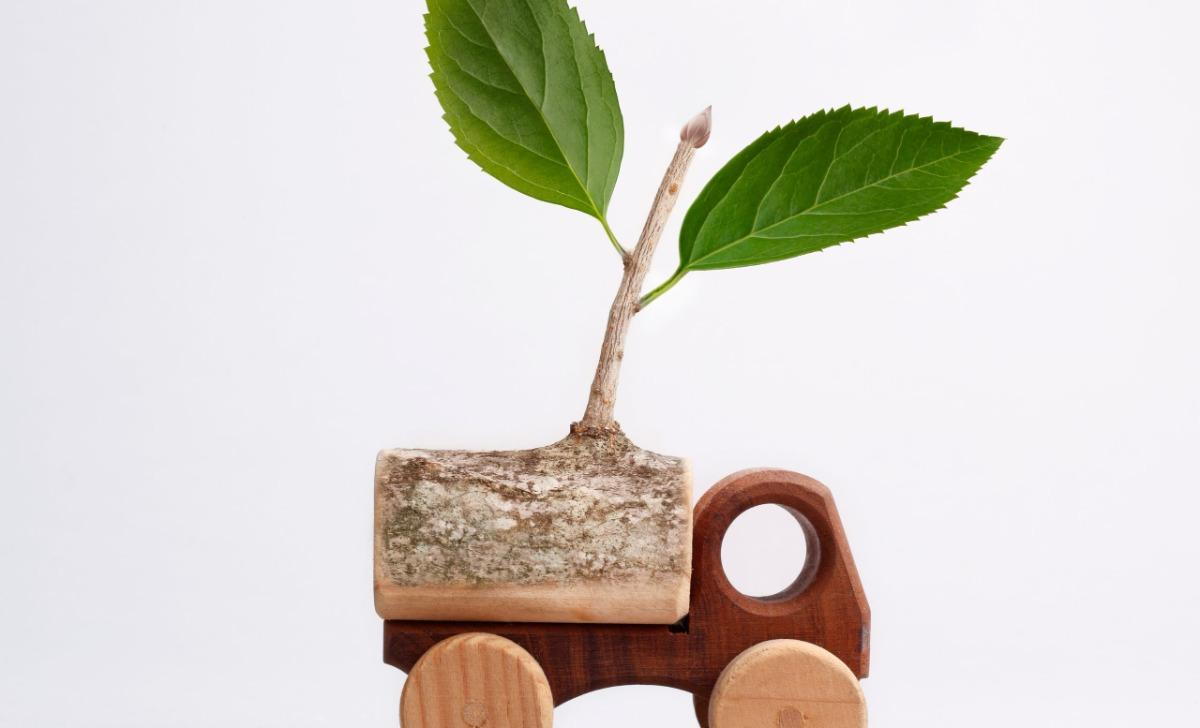
As the world becomes increasingly aware of environmental issues, many parents are reevaluating their choices regarding the products they bring into their homes. One area gaining significant attention is toys. Toys are not only essential for children’s development but also a major influence on their health and well-being. In this context, eco-friendly toys are emerging as a healthier and more sustainable option compared to conventional toys.
What Are Eco-Friendly Toys?

Earth friendly toys are designed and manufactured with sustainability and safety in mind. They often utilize non-toxic, biodegradable, or recyclable materials, such as wood, bamboo, organic cotton, or plant-based plastics. These toys avoid harmful chemicals like BPA, phthalates, and lead, which are commonly found in traditional plastic toys.
Moreover, the production of eco-friendly toys typically involves ethical labor practices and minimal environmental impact, ensuring that both the planet and its people benefit from these choices.
Why Are Traditional Toys a Concern?

Many conventional toys, according to pediatricians, are made from synthetic materials and may contain toxic chemicals. For example, plastic toys often include substances like PVC, which can release harmful compounds into the air. When children play with these toys, they are exposed to potential health risks, such as:
Chemical Exposure: Many synthetic toys contain harmful chemicals that can leach out over time. These chemicals can affect a child’s hormonal balance, immune system, and even brain development.
Allergic Reactions: Toys made from non-natural fibers or painted with certain dyes can cause skin irritation or allergic reactions in sensitive children.
Environmental Harm: Beyond individual health, traditional toys contribute to environmental degradation. Plastic waste from discarded toys often ends up in landfills or oceans, further harming ecosystems.
Switching to eco-friendly toys is a proactive step toward reducing these risks.
Health Benefits of Eco-Friendly Toys

We, at Kidsville Pediatrics McKinney advocate choosing earth friendly toys offers several health benefits for children. Here are some of the key advantages:
1. Reduced Chemical Exposure
One of the primary health benefits of eco-friendly toys is their use of non-toxic materials. Children often explore the world by putting toys in their mouths. Toys made from natural materials such as untreated wood or organic cotton are free from harmful substances, making them a safer choice for infants and toddlers.
2. Encourages Natural Play
Eco-friendly toys often have a simpler design, encouraging open-ended play and creativity. For example, a wooden block set can inspire a child to build structures, fostering imagination and problem-solving skills. Pediatrician McKinney, TX experts cite that these toys help in cognitive and motor skill development without overstimulating children with electronic features.
3. Allergy-Friendly Options
For children prone to allergies, choosing toys made from hypoallergenic and natural materials can prevent skin irritations and respiratory issues. Organic cotton stuffed animals or wooden teething rings are excellent examples.
4. Supports Mental Well-Being
Many eco-friendly toys promote mindfulness and calmness. For instance, toys designed to connect children with nature, such as plant-growing kits or animal figurines carved from sustainable wood, foster a sense of tranquility. Reduced exposure to noisy, overstimulating toys also aids in creating a more peaceful environment for play.
Environmental Benefits: An Indirect Health Impact
While the direct health benefits for children are paramount, the environmental advantages of earth friendly toys also contribute to overall well-being. A cleaner environment ensures access to safe water, air, and soil, which directly impacts public health. Parents and McKinney pediatrics doctors who choose sustainable toys are indirectly supporting their children’s future by helping to preserve natural resources and reduce pollution.
How to Choose the Right Eco-Friendly Toys

When selecting eco-friendly toys, consider the following factors:
Materials: Opt for toys made from natural, renewable, or biodegradable materials like wood, bamboo, or organic fabrics. Look for certifications such as GOTS (Global Organic Textile Standard) for fabrics and FSC (Forest Stewardship Council) for wooden toys.
Non-Toxic Finishes: Ensure that the toys are painted or finished with non-toxic, water-based paints or natural oils.
Durability: High-quality green toys are built to last. Durable toys not only reduce waste but also offer better value for money.
Local and Ethical Manufacturing: Choosing toys made locally or by companies that follow ethical labor practices reduces the carbon footprint and supports fair trade.
Brands Leading the Way in Eco-Friendly Toys

Several brands are dedicated to creating safe and sustainable toys. Some notable examples according to McKinney pediatrics professionals include:
PlanToys: Known for its innovative use of rubberwood, this brand offers a wide range of educational toys.
HABA: Specializing in wooden toys, HABA ensures non-toxic finishes and durable designs.
Green Toys: This company produces toys from 100% recycled plastic, demonstrating that sustainability and durability can coexist.
EverEarth: Focused on promoting environmental awareness, EverEarth uses FSC-certified wood and water-based paints.
Addressing Common Misconceptions

Despite the growing popularity of eco-friendly toys, some parents hesitate due to misconceptions:
Higher Cost: While it’s true that eco-friendly toys can be more expensive upfront, their durability often means they last longer, reducing the need for replacements.
Limited Variety: The market for earth friendly toys has expanded significantly, offering diverse options ranging from building blocks to puzzles and plush toys.
Difficult Maintenance: Many eco-friendly toys are easy to clean and maintain, often requiring simple wiping with a damp cloth or mild soap.
Tips for Parents on Transitioning to Eco-Friendly Toys

Transitioning to eco-friendly toys doesn’t have to be overwhelming. Here are some tips:
Start Small: Replace a few frequently used toys with eco-friendly alternatives. For example, swap plastic building blocks for wooden ones.
Involve Your Child: Let your child choose their new eco-friendly toy, teaching them the importance of sustainability.
Donate Old Toys: Instead of discarding old toys, consider donating them to shelters or recycling centers.
Educate Yourself: Stay informed about materials, certifications, and brands to make better purchasing decisions.
Pedia Near Me
The shift toward environmentally friendly toys represents a meaningful step in prioritizing children’s health and the planet’s well-being. These toys not only reduce exposure to harmful chemicals but also encourage imaginative, mindful play that supports holistic development. By choosing toys made from natural, sustainable materials, parents can provide their children with a safer and more enriching play experience while contributing to a healthier environment for future generations.
We, at Kidsville Pediatrics, recognize the importance of nurturing children in a healthy and eco-conscious environment. Incorporating eco-friendly toys into your child’s playtime is more than just a purchase—it’s an investment in their health and the world they will grow up in. Let’s create a future where every child can play safely and sustainably.
Click to Schedule An Appointment. Or visit/call our clinics: Kidsville Pediatrics Mansfield TX: 682-341-3910; 1759 Broad Park Circle S, Suite 201 & 205, Mansfield, TX Kidsville Pediatrics Southlake: 682-345-8010; 2813 W. Southlake Blvd Suite 100 Southlake, TX Kidsville Pediatrics McKinney: 469-885-9400; 5881 Virginia Pkwy. Suite 300 Mckinney, TX |
