

It’s every parent’s worst fear: your newborn, who’s only been in the world for a short time, starts showing signs of being sick. The sniffles, cough, and congestion that come with a cold can make you feel helpless, especially when your little one can’t yet communicate what they’re feeling. While it’s incredibly stressful to watch your baby go through their first cold, it’s important to stay calm and take the right steps to help your sick newborn recover. Here’s how you can manage your baby’s first cold and provide the care they need to feel better.
Recognizing a Sick Newborn
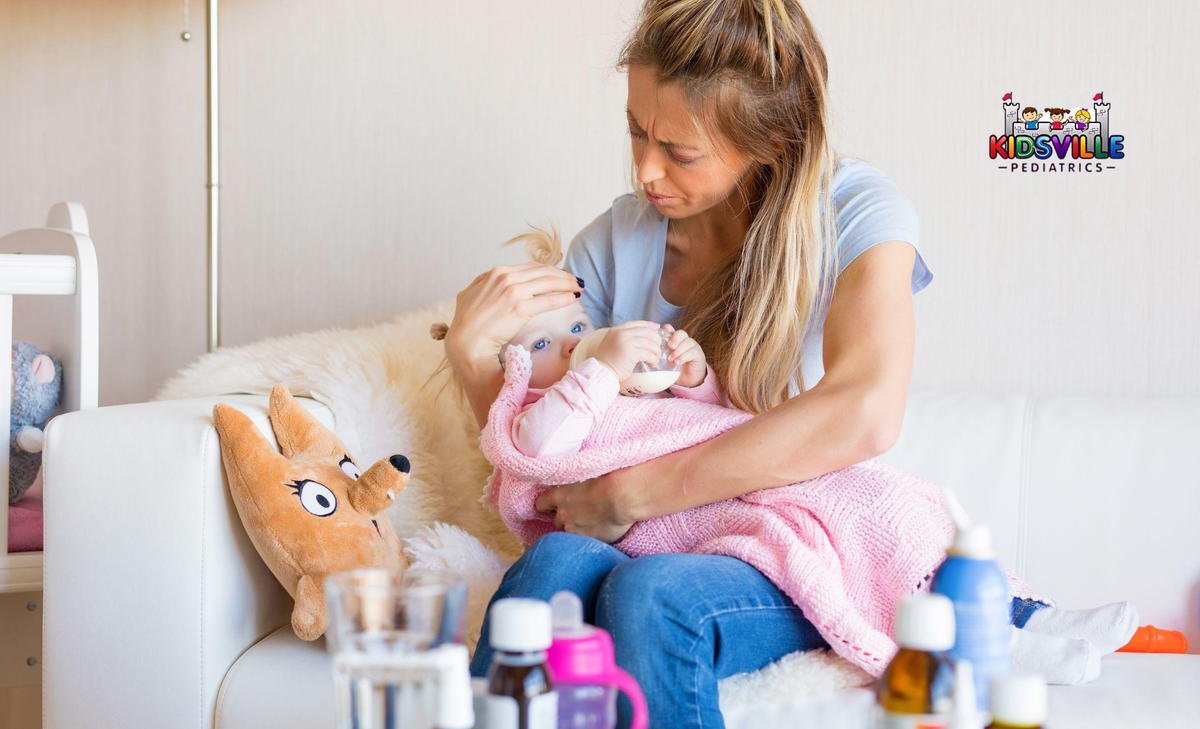
One of the first steps in handling your sick newborn is recognizing the signs that they may have caught a cold. Newborns are particularly vulnerable to illness because their immune systems are still developing, so understanding the early signs of a cold is key. Common symptoms of a cold in a newborn can include:
Congestion: Nasal stuffiness or difficulty breathing through the nose
Coughing: A mild, wet cough that may occur along with congestion
Sneezing: Frequent sneezing is often a sign of irritation in the nose
Low-grade fever: A slight rise in body temperature can be a sign that your baby’s body is fighting off an infection
Decreased appetite: A sick newborn may have difficulty feeding or may refuse to nurse or take a bottle
Irritability: A baby with a cold may be fussier than usual, particularly if they are having trouble breathing or are uncomfortable
If your newborn starts showing any of these symptoms, it’s important to take action quickly. Although colds are usually mild and will go away on their own, some symptoms can be severe or could be indicative of other health issues, so always consult with your pediatrician at McKinney Pediatrics if you’re concerned.
Keep Your Baby Comfortable

When you have an ill newborn, your top priority should be keeping them as comfortable as possible. While you can’t take the cold away completely, there are steps you can take to ease their symptoms and help them feel better.
1. Help with Nasal Congestion
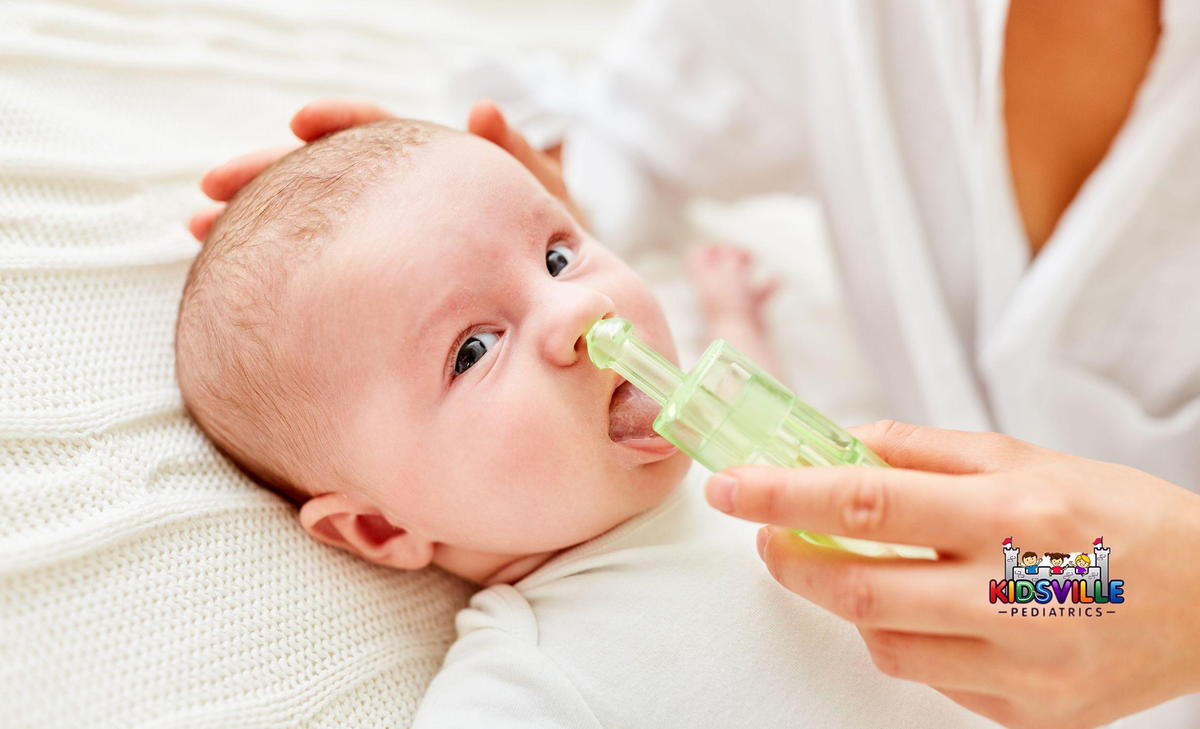
Newborns can’t blow their noses or clear their sinuses, so nasal congestion can be particularly uncomfortable for them. Using a saline nasal spray or drops can help loosen mucus in their nose, making it easier to clear. After using saline, you can use a bulb syringe or a nasal aspirator to gently suction the mucus out. If you’re unsure about these methods, McKinney pediatricians can provide guidance on the best ways to relieve your baby's congestion safely.
Keep in mind that a sick newborn may struggle with feeding if their nose is too congested, as they won’t be able to breathe while nursing. To prevent this, try clearing your baby’s nose before feeding. If your baby is too stuffed up to eat, try elevating their head slightly during feedings, but avoid using pillows that could pose a suffocation risk.
2. Provide a Humidified Environment
A humidifier can be a lifesaver for a sick baby dealing with a cold. Dry air can make congestion worse, so adding moisture to the air can help your baby breathe easier. Make sure to keep the humidifier clean to prevent the growth of mold or bacteria. Placing the humidifier near your baby’s crib can help them get some relief while they sleep.
3. Ensure Proper Hydration
When your baby has a cold, they may have less interest in eating or drinking, but it’s important to keep them hydrated. Offer frequent, smaller feedings to encourage hydration. If your baby refuses breast or bottle feeds, try offering a pacifier to encourage sucking, as this can help keep their hydration levels up. For additional support and guidance, McKinney Pediatrics doctors are always here to help you manage your baby's needs during illness.
If your baby is breastfeeding, make sure they’re nursing frequently. Breast milk can provide comfort, hydration, and important antibodies to help fight off the infection. For bottle-feeding babies, ensure they’re drinking enough formula or pumped milk.
4. Maintain a Comfortable Sleep Environment
Sleep is critical when a sick newborn is recovering from a cold. Ensure that your baby is sleeping in a safe and comfortable environment. Try elevating the head of the crib slightly to help with nasal congestion. Always use a firm mattress with no loose bedding, pillows, or stuffed animals that could pose a risk to your baby’s safety.
If your baby seems uncomfortable lying flat, try holding them in an upright position for short periods of time to help them breathe easier. However, never leave your baby unattended in this position.
Pedia Near Me
While most newborn colds are mild and will resolve on their own within a week, there are certain situations where you should seek medical attention for your sick newborn. If you notice any of the following signs, contact your pediatrician McKinney expert immediately:
Fever: A fever in a newborn under 3 months of age is a medical emergency. A temperature of 100.4°F (38°C) or higher requires immediate attention.
Trouble Breathing: If your baby is having difficulty breathing, is breathing very rapidly, or is showing signs of distress (like flaring nostrils or wheezing), seek help immediately.
Persistent Vomiting or Diarrhea: If your baby is vomiting or has diarrhea along with cold symptoms, they may be at risk of dehydration.
Lethargy: If your baby seems excessively sleepy, unresponsive, or difficult to wake, it could be a sign of a more serious illness.
Poor Feeding: If your baby is consistently refusing to feed or is unable to feed properly for more than 24 hours, contact your doctor.
If you’re ever unsure about the severity of your baby’s symptoms, it’s always better to err on the side of caution and consult your pediatrician. They’ll be able to provide guidance and let you know if further medical intervention is necessary.
How to Prevent Future Colds
While it’s impossible to prevent every cold, there are steps you can take to reduce the likelihood of your sick newborn catching one in the future:
Practice good hygiene: Wash your hands frequently, especially before handling your baby or preparing their bottles. Make sure anyone who comes into contact with your baby also washes their hands first.
Limit exposure to sick individuals: Avoid exposing your baby to people who are sick, especially during the first few months when their immune system is still developing.
Avoid public places: During cold and flu season, try to keep your newborn away from crowded public spaces where they may be more likely to come into contact with germs.
Keep your baby’s environment clean: Clean and disinfect frequently touched surfaces like toys, bottles, pacifiers, and changing tables.
Watching your sick newborn go through their first cold can be incredibly difficult, but with the right care, they’ll be back to their happy self in no time. From helping with congestion to ensuring proper hydration, there are simple steps you can take to comfort your baby and help them recover. Always consult your pediatrician if you’re concerned about your baby’s health, and don’t hesitate to reach out for help when needed. With patience, care, and a little love, your newborn will soon be feeling better. At Kidsville Pediatrics McKinney, we’re here to support you every step of the way in your parenting journey. If you have any questions or concerns about your baby’s health, give us a call today!
Click to Schedule An Appointment. Or visit/call our clinics: Kidsville Pediatrics Mansfield TX: 682-341-3910; 1759 Broad Park Circle S, Suite 201 & 205, Mansfield, TX Kidsville Pediatrics Southlake: 682-345-8010; 2813 W. Southlake Blvd Suite 100 Southlake, TX Kidsville Pediatrics McKinney: 469-885-9400; 5881 Virginia Pkwy. Suite 300 Mckinney, TX |
