
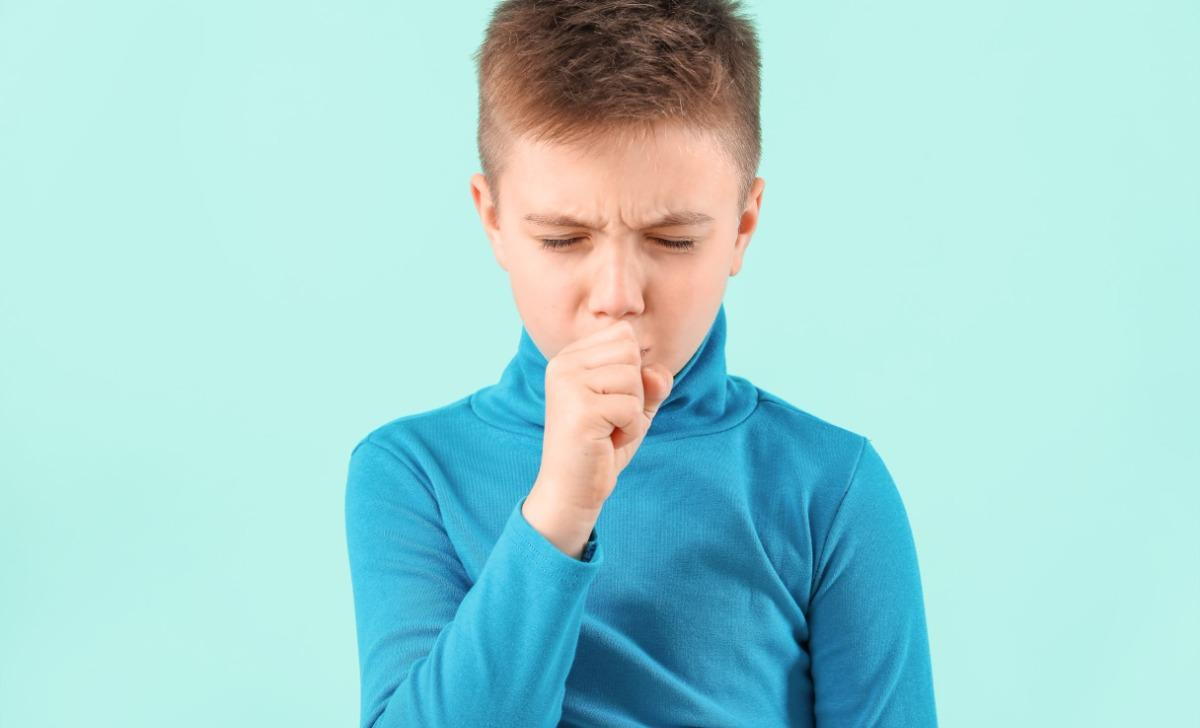
Coughing is a common sound in households with kids, especially during cold and flu season. As a parent, you’ve likely experienced those sleepless nights, listening to your child’s persistent cough and wondering if it’s something minor or a sign of something more concerning. A kid's cough can range from a mild annoyance to a worrisome symptom, leaving you with endless questions. Why are they coughing? Is it just a cold, or could it be something like croup? Should you wait it out or call a doctor?
Pediatric coughs can feel overwhelming, especially with so many possible causes and treatments. Each type of cough seems to tell its own story, and understanding what your child’s body is trying to communicate isn’t always straightforward. It’s natural to feel a mix of concern and confusion, particularly when a cough lingers or comes with other symptoms.
In this guide, we’re here to help you unravel the mystery of your child’s cough. From understanding the subtle differences in cough sounds to knowing when to take action, you’ll gain the confidence to handle these situations with care. Whether it’s a simple cold causing the issue or something like croup, you’ll learn how to make informed decisions and keep your child comfortable.
1. Understand the Different Types of Kid’s Coughs

Persistent Dry Cough That Lingers for Weeks
If your kid’s cough has lasted for weeks without improvement, it could be due to a mild viral infection, allergies, or a sinus infection. While this type of cough is often mild and doesn’t interfere significantly with daily life, it can be frustrating when it refuses to go away.
At-home treatment: Daily allergy medications or a cough suppressant can help ease the symptoms.
Wheezy Cough: A Sign of Airway Inflammation
Kid’s cough accompanied by wheezing may indicate swelling in the airways of the lungs, often caused by asthma or bronchitis. These symptoms can also result from a viral infection. However, if the cough occurs during or after eating, it might suggest an object is lodged in the airway—requiring immediate medical attention.
At-home treatment: Pain relievers, cough suppressants, or a rescue inhaler may help reduce discomfort.
Barking Cough: The Hallmark of Croup
A cough that sounds like a dog barking, often accompanied by a whistling noise during breathing, is a clear sign of croup. This condition typically affects children under three and results from swelling in the windpipe and voice box.
At-home treatment: Use a humidifier and pain relievers to provide relief.
Cough When Resting: Triggered by Postnasal Drip
If your kid’s cough worsens when lying down, mucus from a cold or sinus infection may be irritating their airways. This often disrupts sleep and makes rest difficult.
At-home treatment: Cough suppressants or cold medications can reduce symptoms.
Fever and Cough: Could It Be Pneumonia?
A high fever paired with a persistent cough and rapid breathing may indicate pneumonia. In this case, home treatments aren’t sufficient.
At-home treatment: Seek immediate care from your Southlake pediatrician or emergency services.
Whooping Cough: A Bacterial Threat
Coughing fits ending with a “whoop” sound may point to pertussis, a bacterial infection that spreads easily but is preventable through vaccination.
At-home treatment: Antibiotics prescribed by your pediatrician Southlake expert are essential.
Coughing Fits with Vomiting
Severe coughing can trigger the gag reflex or cause mucus to drain into the stomach, leading to nausea or vomiting.
At-home treatment: Use cold medications or cough suppressants to manage the symptoms.
2. Recognize Cold-Related Kid's Coughs

The symptoms of a cold tend to progress in stages. You may notice the first signs within a few days of exposure to the virus, followed by a peak in intensity, and then a gradual improvement.
Stage 1: Early (Days 1 to 3)
In the early stage, which occurs within one to three days of catching the virus, you'll likely experience a tickly or sore throat. Other symptoms can include a runny nose, stuffy nose, cough, sneezing, and hoarseness. These symptoms are often the initial signs of a cold.
Stage 2: Active (Days 4 to 7)
During the active stage, your symptoms will likely worsen or peak. Along with the initial cold symptoms, you may experience body aches, fatigue, headaches, and more pronounced runny nose and eyes. Children, in particular, may develop a fever during this stage.
Stage 3: Late (Days 8 to 10)
By the late stage, colds typically start to subside, and you may begin to feel better. However, some symptoms can linger, such as a persistent cough that may last for weeks after the infection has cleared.
What Are the Symptoms of the Common Cold in Babies?
In babies, cold symptoms can be a little different, and it’s important to monitor their condition closely. Common symptoms include a runny nose, sneezing, fever, and irritability. You may also notice that your baby is drooling more than usual due to a sore throat.
How Do Cold Symptoms Differ from More Serious Infections?
While most colds are mild, certain symptoms may indicate a more serious condition. If your child experiences fast or labored breathing, a fever that won’t go away, or a persistent cough lasting more than three weeks, it's time to contact a healthcare provider. If you're in the Southlake area, a visit here, at Kidsville Pediatrics Southlake, can help determine if further care is needed.
3. Croup vs. Kid’s Cough: Know the Difference
Croup is most commonly caused by a virus, although it can also result from bacteria, allergies, or reflux. Viruses such as parainfluenza, respiratory syncytial virus (RSV), the flu, adenovirus, enteroviruses, and even COVID-19 can trigger croup. It spreads through direct contact with an infected person or their bodily fluids, starting in the nose and throat and moving into the lungs, where it causes swelling in the upper airway.
Which Children Are at Risk for Croup?
Croup primarily affects younger children, particularly those between 3 months and 5 years old. Their smaller airways make it easier for a little swelling to severely restrict breathing. The peak age for croup is around 2 years old, as the respiratory system is still developing.
What Are the Symptoms of Croup in a Child?
Croup symptoms often progress as the illness moves from the nose to the lungs. Early signs include a runny or stuffy nose and a slight cough. As the illness develops, you may notice a characteristic "seal’s bark" cough, hoarseness or loss of voice, fever, and a high-pitched, whistling sound (stridor) when your child breathes in. Symptoms typically worsen at night and may improve in the morning but get worse later in the day.
How Is Croup Diagnosed in a Child?
Your child’s Southlake pediatrician will diagnose croup based on their health history and a physical exam. If the provider suspects other illnesses, they may recommend tests such as a neck or chest X-ray, or use pulse oximetry to check oxygen levels.
How Is Croup Treated in a Child?
Treatment for croup depends largely on how severe the symptoms are. For mild cases, home remedies like rest, hydration, and a humidifier can be effective. For more severe cases, inhaled medicines or steroids may be necessary to reduce swelling and improve breathing. If your child experiences severe breathing difficulties, it may be necessary to visit a Southlake pediatric clinic for further evaluation and treatment.
4. Treat with Home Remedies for Kid’s Cough

While herbal remedies and supplements may seem like an easy, natural solution for persistent coughs, it's important to note that the FDA does not regulate these products for quality or safety. This lack of oversight can lead to products containing impurities or ineffective ingredients. Additionally, some herbs or supplements may interfere with medications, leading to adverse reactions or unwanted side effects. It's always best to consult a healthcare provider before trying a new herbal remedy or supplement for your cough.
Honey as a Natural Cough Suppressant
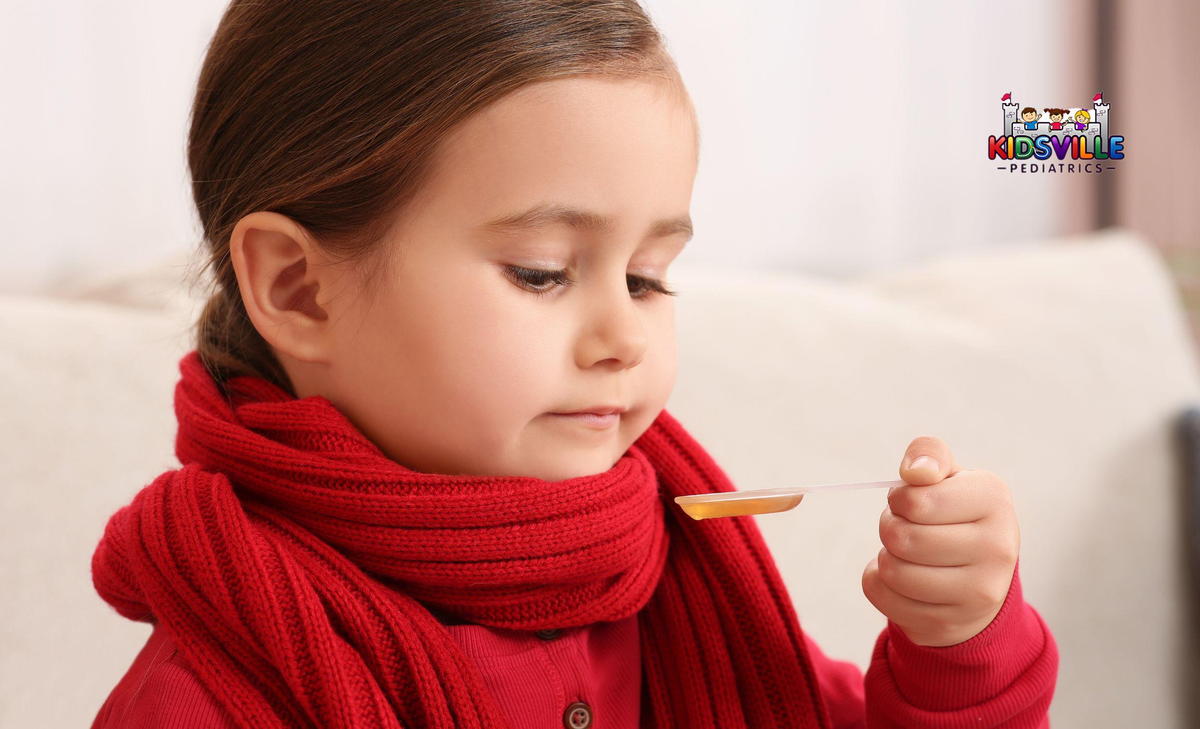
Honey has long been known as a natural remedy for soothing coughs, particularly in upper respiratory infections. A 2021 review found that honey was more effective than typical treatments, including some cough suppressants. It also helped reduce the need for antibiotics. Simply swallowing a spoonful of honey or adding it to hot tea can help alleviate coughing. However, keep in mind that while honey may help some people, it’s not a one-size-fits-all solution. If you’re looking for further guidance on cough management, consider visiting a Southlake pediatrics clinic to discuss your options with a healthcare provider.
The Benefits of Ginger for Cough Relief
Ginger has anti-inflammatory properties, which may help ease both dry and asthmatic coughs. Though research on its effects is still limited, a 2015 study highlighted ginger's role in traditional Asian medicine for treating coughs. You can add ginger to your meals or drink it in tea. However, it’s important to remember that ginger tea can sometimes cause stomach upset, so it’s essential to pay attention to how your body reacts. For more personalized advice, consulting a pediatrician could provide additional insight into whether ginger might help you.
Steam and Hot Fluids: Simple Relief
Drinking hot fluids and inhaling steam can offer some comfort when dealing with a persistent cough. A study from 2008 showed that hot beverages, such as herbal teas and warm broths, can provide relief from coughing, sore throat, and other cold symptoms. For steam, try sitting in a hot shower or bath to allow the steam to loosen mucus. Alternatively, you can create a steam bowl with herbs like eucalyptus. If you're unsure about which remedies to try, a good Southlake clinic can guide you toward the most effective options for your symptoms.
The Healing Powers of Marshmallow Root
Marshmallow root has been traditionally used to treat coughs due to its high mucilage content, which helps coat the throat and reduce irritation. A 2020 study confirmed its anti-inflammatory and antioxidative properties. To use marshmallow root, you can make tea by adding hot water to the dried herb and drinking it once it’s steeped. If you’re interested in exploring marshmallow root as a remedy, consider speaking with a pediatrician at a Southlake clinic to ensure it’s the right choice for you.
Using Saltwater Gargles for Relief
Saltwater gargles have been a go-to solution for soothing sore throats and reducing mucus buildup. While they won’t eliminate viruses or bacteria, they can provide temporary relief by loosening mucus. To make a saltwater gargle, dissolve half a teaspoon of salt in warm water, then gargle for a few seconds before spitting it out. However, children and people with high blood pressure should avoid this remedy. If you’re not finding relief from over-the-counter medications, consulting with a professional at a Southlake clinic might help you identify more effective treatments for your cough.
5. Know When to Call a Southlake Pediatrician: Signs of Serious Respiratory Issues
Respiratory distress in children is a serious condition that can occur when your child has difficulty breathing. It may be caused by infections, chronic illness, or a blocked airway, and children who were born prematurely or have had previous respiratory problems may be at a higher risk. If you notice that your child is struggling to breathe, it could indicate that they are not getting enough oxygen or may be developing an infection.
Common signs of respiratory distress include pale or bluish skin around the lips or nail beds, a faster than usual breathing rate, and retractions where the chest pulls in with each breath. You might also notice nasal flaring, where the nostrils widen when they inhale, or hear noisy breathing like grunting, wheezing, or mucus in the throat.
Additionally, their skin might feel clammy, and they may show changes in behavior, such as being sleepier, fussier, or having trouble waking up. If your child shows any of these signs, it's important to call a healthcare provider. If your child’s temperature rises above a certain point or if they develop a cough with yellow or green mucus, it’s essential to get medical attention.
A pediatrician in Southlake can assess the situation and provide the necessary care. In some cases, if your child’s lips or face turn bluish, or if they’re working hard to breathe, call 911 or take them to the nearest emergency room. To prevent respiratory infections, avoid smoking around your child and practice good hygiene, like frequent hand washing. If you’re concerned about your child’s health or need advice about a persistent kid’s cough, seeking out a pediatrician in Southlake can provide peace of mind and the right treatment.
