

Mumps is an acute viral illness that has been a concern for centuries. Descriptions of its symptoms, including parotitis and orchitis, date back to Hippocrates in the 5th century BCE. Fast forward to 1934, Claud Johnson and Ernest Goodpasture identified mumps as a virus, confirming its transmission through saliva. Before vaccines became available, mumps was a leading cause of aseptic meningitis, hearing loss in children, and even hospitalizations among military personnel during World War I.
The introduction of the vaccine in 1967 marked a turning point. By 1971, it became part of the combined MMR (measles, mumps, rubella) vaccine. This two-dose program led to a staggering 99% reduction in cases. However, outbreaks still occur, especially in close-contact settings, sometimes even among vaccinated individuals.
Mumps is caused by a paramyxovirus with a single-stranded RNA genome. It spreads primarily through respiratory droplets, making it highly contagious. Once inhaled, the virus replicates in the nasopharynx and lymph nodes, eventually traveling through the bloodstream to various tissues. This can result in symptoms such as fever, swollen salivary glands (parotitis), and complications like orchitis or aseptic meningitis.
Fortunately, the mumps virus is easily inactivated by heat, ultraviolet light, and certain chemicals, which highlights the importance of maintaining good hygiene. Southlake pediatrics experts emphasize the importance of proper hygiene practices alongside vaccination, which remains the most effective prevention method. Staying informed about current guidelines is crucial to protecting your child and the community.
Keep in mind, the 14th edition of the "Pink Book" was published in August 2021, and vaccine recommendations may have changed. Be sure to consult the CDC website for the latest updates on MMR vaccine guidelines for healthcare professionals.
Causes of Mumps
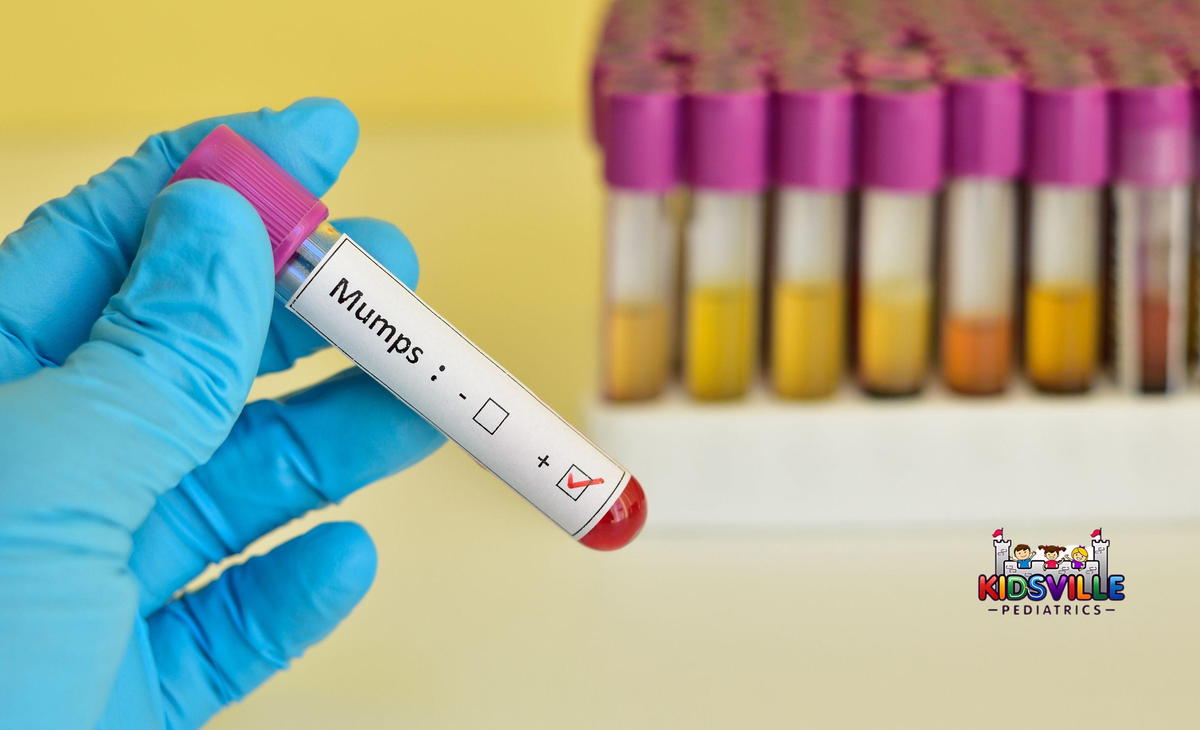
The incubation period of mumps typically lasts 16 to 18 days but can range from 12 to 25 days. During this time, you may notice nonspecific symptoms like myalgia, anorexia, malaise, headache, or a low-grade fever. These prodromal signs can make it difficult to identify mumps initially, but staying vigilant can help you catch the illness early, especially if you are working with a Southlake pediatrician.
Before the widespread use of the mumps vaccine, as many as 24% of infections were asymptomatic, and while mumps tends to be milder in vaccinated individuals, cases of reinfection have been documented. The vaccine has drastically reduced mumps cases, but vigilance remains key, especially in community-focused practices like those of a pediatrician Southlake expert, where early detection can make a significant difference.
The mumps virus is unique as the sole infectious agent known to cause epidemic parotitis. While vaccination remains the best defense, it’s essential to remember that mild or atypical presentations of mumps can still occur, even in vaccinated individuals. Recognizing subtle signs and staying informed can ensure timely care and prevent further spread of this highly contagious virus.
5 Early Signs and Symptoms of Mumps
1. Fever
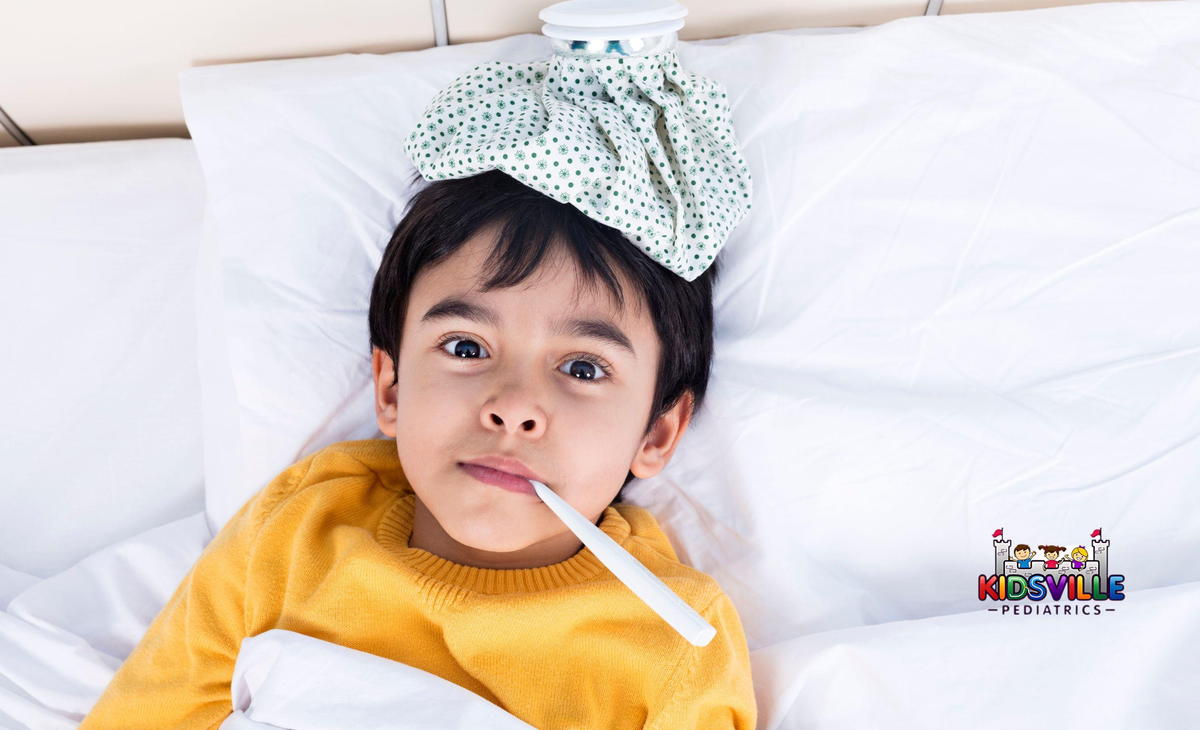
A fever is often the first noticeable symptom of mumps, typically mild but occasionally reaching higher temperatures. It arises as your body reacts to the viral infection, attempting to combat it by creating an environment less hospitable to the virus. While a low-grade fever might simply cause slight discomfort, a higher fever can lead to chills, sweating, and fatigue, often leaving you feeling drained. Any Southlake pediatric clinic would recommend keeping hydrated, resting, and consulting a healthcare provider for guidance on managing symptoms effectively.
Over-the-counter medications like acetaminophen or ibuprofen may help reduce the fever, though it’s crucial to consult with a healthcare provider for children. A fever may last a few days, often subsiding as other symptoms, like salivary gland swelling, begin to appear. However, persistent high fever should prompt a visit to your pediatrician to rule out complications such as meningitis or other secondary infections.
2. Headache

Headaches during mumps can range from mild to severe and often feel like a persistent pressure or throbbing in the temples or behind the eyes. They occur as part of the body’s immune response to the virus, which may involve inflammation in various tissues. In some cases, headaches may indicate that the virus is affecting the central nervous system, potentially leading to aseptic meningitis—a rare but serious complication. Southlake clinic experts are equipped to evaluate these symptoms and provide expert care to address any concerns promptly.
Proper hydration and rest can alleviate mild headaches, while a cool compress applied to the forehead may provide additional relief. Over-the-counter pain relievers can help, but always follow dosing instructions carefully, especially for children. If the headache becomes intense, is accompanied by a stiff neck, or persists despite treatment, seek immediate medical attention. These could signal a more severe condition requiring prompt care.
3. Muscle Aches or Pain

Muscle aches, or myalgia, are a common symptom of mumps, typically presenting as soreness or stiffness in the neck, shoulders, back, or limbs. This discomfort is part of the body’s inflammatory response to the virus and can make movement challenging. You might notice increased pain after periods of inactivity or upon waking, as muscles remain tense during rest. Stretching, gentle movement, and warm baths can help alleviate discomfort, as can topical treatments like muscle rubs. If the pain becomes severe or persistent, consulting a Southlake pediatrician can provide tailored advice and treatment options to help manage the symptoms.
For more significant pain, pediatric-appropriate doses of pain relievers can be effective. Muscle aches usually subside within a few days but can feel particularly draining during the early stages of the illness. Persistent or severe muscle pain, especially if accompanied by other concerning symptoms, may indicate complications such as orchitis in males or pancreatitis.
Fatigue during mumps often feels overwhelming, making even simple tasks seem exhausting. This tiredness is a natural part of the immune system’s effort to fight off the virus. Rest is essential during this phase, as it allows your body to direct energy toward recovery. Ensure a quiet and comfortable environment to support sleep and reduce stress, as these can worsen fatigue. If fatigue persists or significantly affects daily life, a pediatrician Southlake expert can provide guidance on managing symptoms and ensuring a smooth recovery process.
Light activities like reading or watching a favorite show may be more manageable than anything requiring physical exertion. It’s also essential to maintain hydration and a nutritious diet to support energy levels. While fatigue typically lessens as the virus runs its course, lingering tiredness can occur. If fatigue becomes extreme or persists well after other symptoms have resolved, consult your Southlake pediatrician to rule out post-viral complications, which may require further evaluation or treatment.
4. Not Wanting to Eat

Loss of appetite is a frequent symptom of mumps, often linked to discomfort from fever, muscle aches, and swollen salivary glands. The swelling and tenderness in the glands, especially around the jaw, can make chewing and swallowing painful, further discouraging eating. It’s important to maintain hydration during this time, even if solid foods are challenging. Offering soft, easy-to-eat foods like soups, mashed potatoes, or yogurt can help provide necessary nutrients without straining the affected areas. If your child experiences significant difficulty eating or drinking, the best Southlake pediatric clinic can offer additional advice and support to ensure proper nutrition during recovery.
Avoid acidic or spicy foods, as these can irritate swollen glands and worsen discomfort. Encouraging small, frequent meals rather than large portions may also help manage appetite loss. If your child refuses to eat or drink for an extended period or shows signs of dehydration, such as dry lips or reduced urination, seek medical advice promptly to prevent further complications.
5. Swelling of the Salivary Glands

Swollen salivary glands are the hallmark symptom of mumps, causing noticeable puffiness on one or both sides of the face. This swelling, particularly in the parotid glands located near the jawline and below the ears, can cause significant discomfort. The swelling may be accompanied by pain or tenderness, making it difficult to turn the head or chew. In some cases, the glands beneath the floor of the mouth may also swell, though this is less common. If these symptoms develop, Southlake doctors can help assess the situation, offer practical solutions for relief, and monitor for any potential complications as the condition progresses.
Applying warm or cold compresses can help reduce discomfort and inflammation, while over-the-counter pain relievers may ease severe pain. Encourage hydration and avoid sour foods that stimulate salivary flow, as these can exacerbate discomfort. Although the swelling typically resolves within about five days, recurrence on the same or opposite side is possible in some cases.
If the swelling persists or worsens, consult a healthcare provider to rule out complications such as an abscess or other secondary infections.
Pedia Near Me: Kidsville Pediatrics Southlake

A pediatrician plays an essential role in preventing and managing mumps. This begins with routinely administering the MMR (Measles, Mumps, Rubella) vaccine, following the recommended immunization schedule to provide maximum protection. Pediatricians educate parents about the vaccine's benefits and potential risks, emphasizing its importance in reducing mumps cases and complications.
Education extends to informing parents about how mumps spreads, recognizing symptoms like swollen salivary glands and fever, and the critical need for isolation to prevent further transmission. Pediatricians also highlight the risks of severe complications, such as orchitis or meningitis, particularly in older children and adults.
In cases where mumps is suspected, a Southlake pediatrician such as Dr. Naureen Ameen can conduct a thorough physical examination, looking for telltale signs like glandular swelling and jaw pain. Laboratory tests, such as saliva or blood samples, may be used to confirm the diagnosis during outbreaks. Treatment focuses on supportive care, including rest, hydration, and medications like acetaminophen or ibuprofen for pain relief.
During outbreaks, pediatricians play a pivotal role in identifying and isolating infected individuals to limit the spread. They may conduct contact tracing and recommend catch-up vaccinations for unvaccinated individuals in the community.
Monitoring for complications is another key responsibility. Pediatricians can keep a close watch for signs of orchitis, meningitis, or pancreatitis, ensuring timely referral to specialists when necessary. By combining vaccination, education, and expert care, these health specialists serve as the frontline defense against mumps in children and their communities.
