

When most parents think about their child's health and well-being, sleep isn’t always the first thing that comes to mind. However, sleep is vital for children's growth, development, and overall health. What if the quality of your child's sleep is being compromised, and you don’t even realize it? One potential culprit could be pediatric sleep apnea, a condition that can impact children in
Sleep apnea in kids is more common than many parents think and can lead to serious long-term effects if left untreated. This article will explore the hidden dangers of kids’ sleep apnea, common signs to look for, and solutions to help your child get the restful, healthy sleep they need.
What is Pediatric Sleep Apnea?
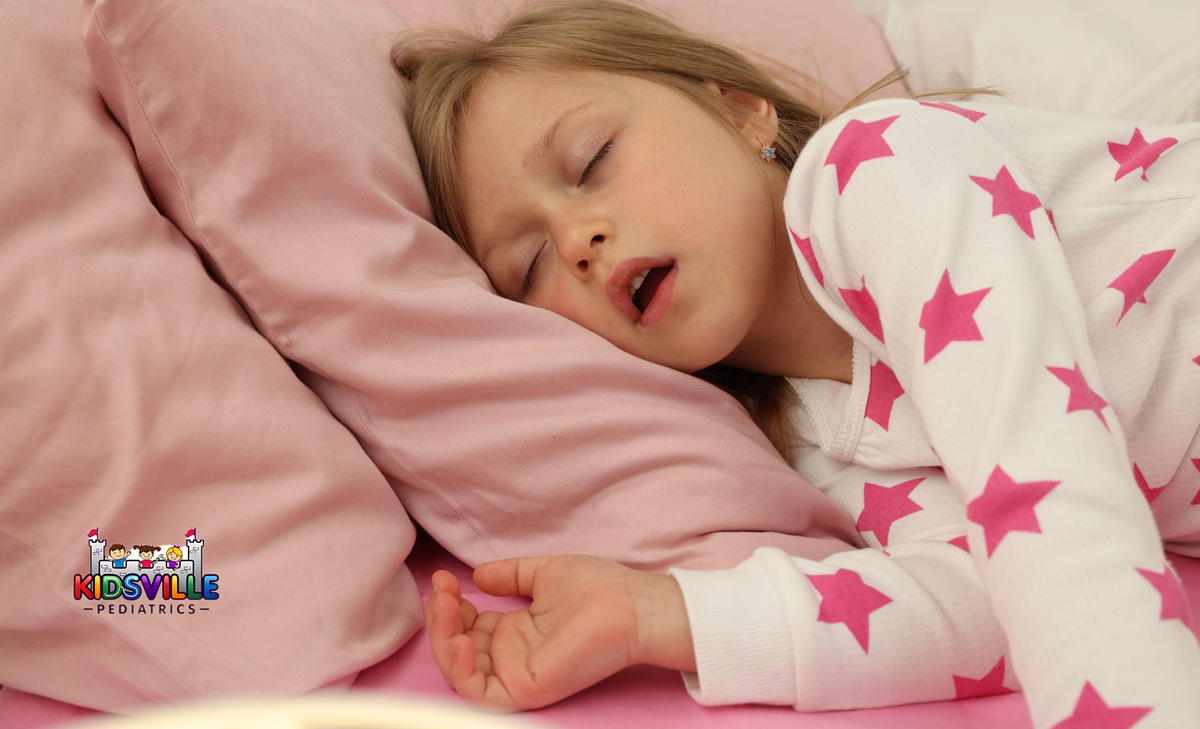
Sleep apnea is a disorder in which a person’s breathing is interrupted during sleep. Kids' sleep apnea, often caused by obstructive sleep apnea (OSA), occurs when a child’s airway becomes partially or completely blocked during sleep. The blockage can cause the child to stop breathing for short periods, disrupting their ability to get enough oxygen and leading to fragmented sleep.
In children, the most common cause of OSA is enlarged tonsils or adenoids, which can obstruct the airway. Other factors contributing to pediatric sleep apnea in children may include obesity, craniofacial abnormalities, or underlying conditions like asthma or allergies.
The Hidden Dangers of Pediatric Sleep Apnea

Sleep apnea in children can be easily overlooked, as many of the symptoms are subtle or may be mistaken for typical childhood behaviors. However, the potential consequences of untreated sleep apnea are serious, impacting both physical and cognitive health. Here are some of the hidden dangers of pediatric sleep apnea. If you're concerned about your child's sleep patterns, seeking guidance from pediatric healthcare McKinney can help you address these issues early on and ensure your child’s well-being.:
1. Impaired Growth and Development
During sleep, the body releases growth hormone, which is essential for a child’s growth and development. Pediatric sleep apnea can disrupt this process, leading to delayed growth, both physically and cognitively. Chronic sleep deprivation caused by interrupted breathing can hinder the body’s ability to produce the necessary growth hormone, affecting a child’s height, weight, and overall physical development. In fact, studies have shown that children with untreated sleep apnea may have lower levels of growth hormone compared to those who sleep soundly.
2. Cognitive and Behavioral Issues
One of the most concerning effects of sleep apnea is its impact on cognitive and behavioral functioning. Sleep deprivation caused by frequent awakenings during the night can lead to attention problems, memory difficulties, and poor performance at school. Children with pediatric sleep apnea often exhibit symptoms similar to attention-deficit hyperactivity disorder (ADHD), such as inattention, impulsivity, and irritability.
Over time, these cognitive and behavioral issues can lead to struggles with learning, social interactions, and emotional regulation. A child who is chronically sleep-deprived may also be more prone to mood swings, anxiety, and depression. If you’re noticing these signs, consulting with a team at Kidsville Pediatrics McKinney can provide valuable support and guidance to help your child navigate these challenges.
3. Increased Risk of Cardiovascular Problems
Sleep apnea isn’t just a sleep disorder; it can also have a significant impact on the cardiovascular system. When a child experiences repeated interruptions in breathing during sleep, their heart rate and blood pressure can fluctuate, putting extra strain on the heart. Over time, this can lead to increased risk for hypertension (high blood pressure), heart disease, and other cardiovascular complications later in life. If you’re concerned about your child’s cardiovascular health, reaching out to a trusted team at a McKinney pediatrics clinic can help you address these risks early on.
Children with sleep apnea are also at a higher risk of developing conditions such as stroke and arrhythmias due to the strain on the cardiovascular system during repeated apneas.
4. Weakened Immune System
Sleep is crucial for a strong immune system. During deep sleep, the body produces immune cells that help fight off infections. When a child’s sleep is interrupted by sleep apnea, their immune system doesn’t function optimally, making them more susceptible to illnesses. A child with untreated sleep apnea may experience frequent colds, ear infections, or other respiratory issues, further contributing to a cycle of poor sleep and weakened immunity.
5. Behavioral and Developmental Delays
As a result of the cognitive and physical impacts of sleep apnea, children with the disorder may also experience delays in their overall development. Academic performance may suffer, language skills may be delayed, and motor skills could be impaired. In more severe cases, untreated pediatric sleep apnea can lead to permanent developmental delays, affecting a child’s ability to function in daily life. If you're concerned about your child's development, consulting with the best pediatrician in McKinney, TX, can provide you with the expertise needed to address these issues effectively.
Common Signs of Pediatric Sleep Apnea

As a parent, it can be challenging to recognize the signs of sleep apnea, especially since many children exhibit some of the symptoms occasionally, such as snoring or difficulty falling asleep. However, if these symptoms are frequent and persistent, it may be time to take a closer look. Here are some common signs to watch for:
1. Loud Snoring and Labored Breathing
One of the most noticeable signs of sleep apnea in children is loud, chronic snoring. If your child snores regularly, especially if their snoring is punctuated by periods of silence (when they stop breathing), it could indicate a blockage in the airway. Pay attention to whether your child’s breathing sounds labored or irregular during sleep. If you notice these signs, consulting with McKinney pediatrics doctors can help identify the cause and guide you toward the right treatment for your child.
2. Pauses in Breathing During Sleep
Parents of children with sleep apnea often report noticing their child stop breathing during sleep, sometimes for several seconds. This can happen multiple times a night and can disrupt the quality of sleep, leaving your child feeling tired and irritable the next day.
3. Restlessness and Frequent Night Wakings
Children with sleep apnea may have trouble staying asleep throughout the night. They may toss and turn frequently or wake up multiple times due to the discomfort caused by interrupted breathing. If your child wakes up crying, gasping for air, or seems disoriented, pediatric sleep apnea could be a contributing factor. In such cases, consulting with experienced McKinney pediatricians can help provide an accurate diagnosis and appropriate treatment for your child’s sleep issues.
4. Daytime Sleepiness and Fatigue
Children with sleep apnea frequently experience excessive tiredness during the day. They may seem unusually tired, have difficulty concentrating, and may even fall asleep during the day, particularly in the late afternoon. If your child’s energy levels seem lower than usual and they are struggling to stay awake, sleep apnea could be to blame.
5. Behavioral Issues
As previously mentioned, sleep apnea can lead to irritability, mood swings, and behavioral problems. Children who are chronically sleep-deprived due to sleep apnea may become more easily frustrated, hyperactive, or disengaged in social activities. They may also have difficulty focusing at school, resulting in academic struggles.
Solutions for Pediatric Sleep Apnea

If you suspect that your child may have sleep apnea, it’s crucial to seek medical attention. A McKinney pediatrician or sleep specialist can conduct a thorough evaluation, which may include a sleep study (polysomnography) to monitor your child’s breathing patterns during sleep. Depending on how severe the condition is, there are various treatment options to consider:
1. Tonsil and Adenoid Removal
If enlarged tonsils or adenoids are obstructing your child’s airway, a common solution is the surgical removal of these structures. This procedure, known as a tonsillectomy and adenoidectomy, is highly effective in treating sleep apnea caused by airway blockages. Many children experience significant improvement in their sleep apnea symptoms after this surgery.
2. Weight Management
For children who are overweight or obese, losing excess weight may help reduce the severity of sleep apnea. Encouraging a healthy, balanced diet and regular physical activity can support overall health and may lead to improvements in breathing patterns during sleep.
3. Continuous Positive Airway Pressure (CPAP)
In certain situations, a CPAP machine may be advised as part of the treatment. This device delivers a continuous flow of air into the child’s airway to keep it open while they sleep. CPAP is typically used in more severe cases of sleep apnea and may require some time for children to adjust.
4. Dental Devices
For some children, a dental device designed to reposition the jaw and tongue can help improve airflow during sleep. These devices are typically used in mild cases of sleep apnea and are worn during sleep to keep the airway open.
Pedia Near Me: Kidsville Pediatrics McKinney
Pediatric sleep apnea is a serious condition that can affect a child’s physical health, cognitive development, and emotional well-being. While the signs of sleep apnea can sometimes be subtle, it’s essential for parents to be aware of the potential dangers and recognize the warning signs early on. With timely diagnosis and appropriate treatment, most children with sleep apnea can experience improved sleep quality and enjoy better health and development. If you suspect your child may have sleep apnea, consult with a pediatrician to explore the best solutions and ensure your child gets the restful sleep they need to thrive.
