
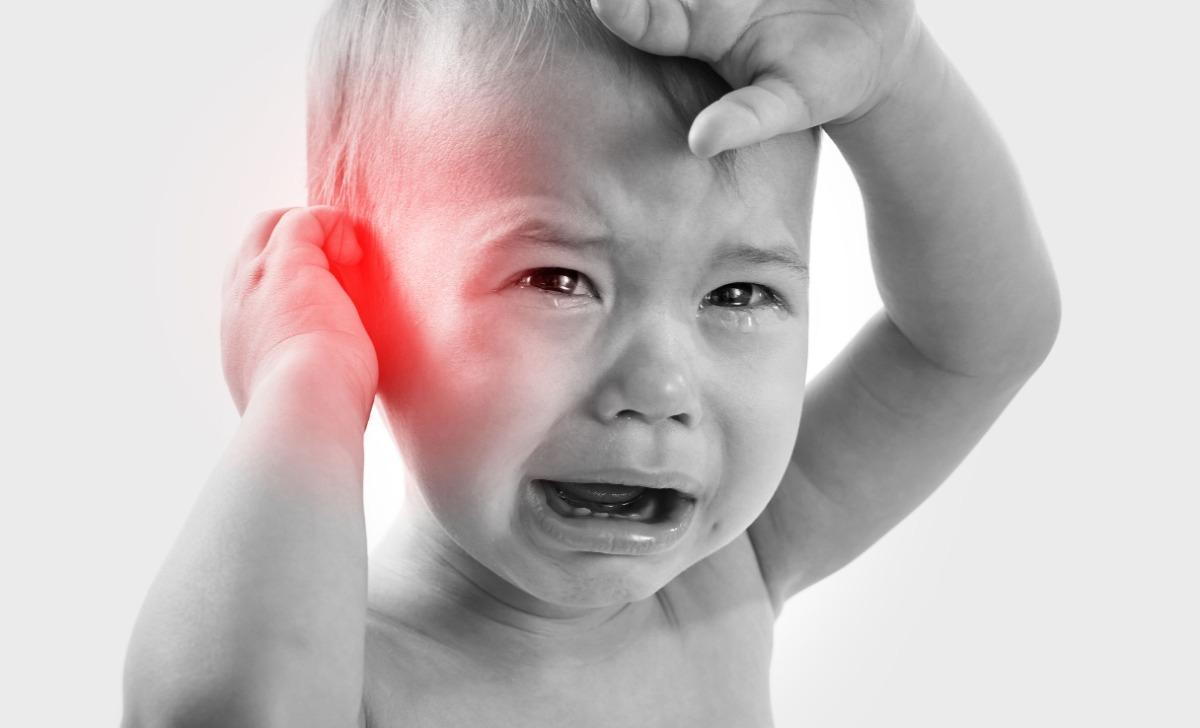
Your child wakes up in the middle of the night, clutching their ear and crying in discomfort. You try to comfort them, but nothing seems to help. The frustration of not knowing what’s wrong or how to help is something no parent wants to experience. If this sounds familiar, you’re not alone. Otitis media is one of the most common reasons children visit the doctor, and it can leave both kids and parents feeling miserable.
You might have heard about this ear condition before, but what exactly is it? More importantly, why does it seem to strike when you least expect it? It’s one of those conditions that can go from mild discomfort to a full-blown ordeal in a matter of hours. And while it’s often associated with ear pain, the symptoms can sometimes be tricky to recognize. That’s why understanding it is the first step in ensuring your child gets the relief they need.
Should you wait it out or call the doctor? Do antibiotics help, or are there better alternatives? What can you do to prevent otitis media from returning again and again? These are questions that every parent faces at some point, and getting the right answers can make all the difference.
In this guide, we’ll break down everything you need to know—what causes this condition, how to recognize the signs, and the best ways to help your child feel better fast. Whether this is your first experience with an ear infection or one of many, you’ll gain valuable insights to handle it with confidence. At Kidsville Pediatrics McKinney, our team is here to provide expert care and guidance, ensuring you have the right support when your little one needs it most. Because when your child is in pain, knowing what to do is the best way to bring them comfort.
Otitis Media: Causes & Risk Factors
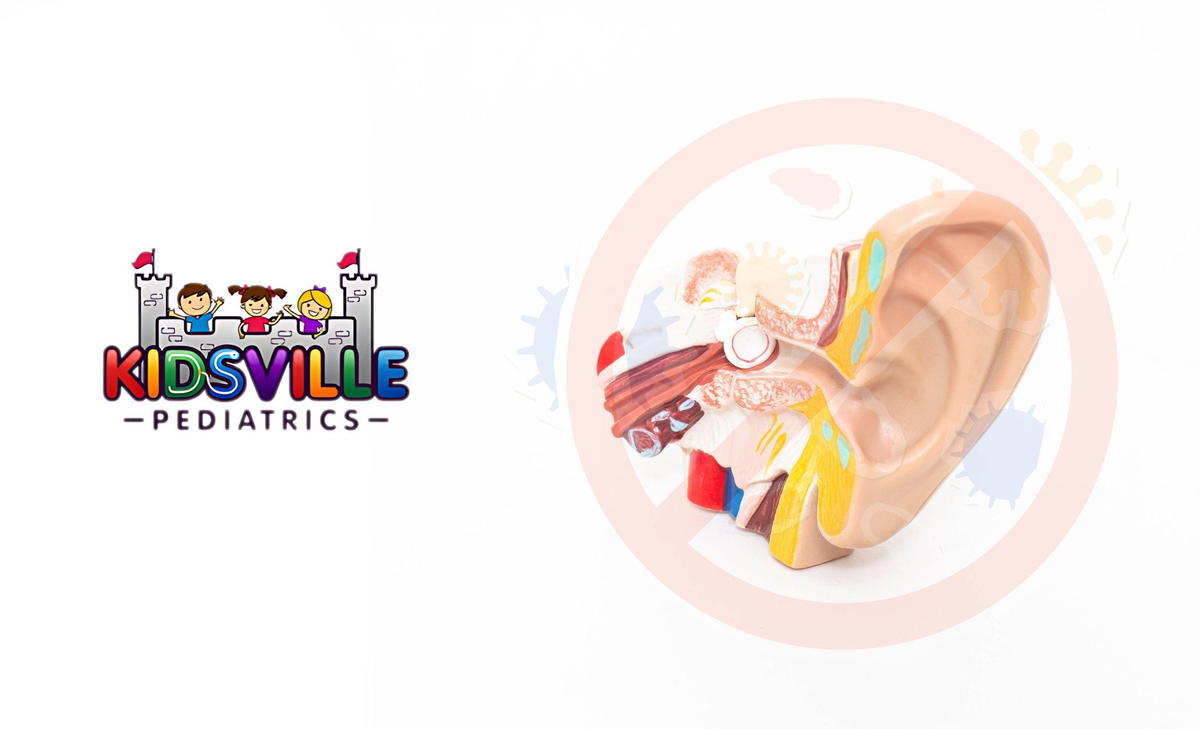
It’s frustrating to see your child in pain, especially when ear infections seem to come out of nowhere. But there’s a reason they happen so often in kids. Their small ear structures make it easier for fluid to build up, creating the perfect environment for bacteria and viruses to thrive. If your child has frequent colds, allergies, or sinus congestion, they may be more prone to ear infections.
The Role of Bacteria and Viruses
Most ear infections start after a respiratory illness. When your child catches a cold, mucus can block the small passage connecting the ear and throat. This trapped fluid allows bacteria or viruses to multiply, leading to otitis media. Certain infections, like the flu or RSV, increase the chances of developing an ear infection.
Common Risk Factors for Ear Infections
Several factors make some children more likely to develop otitis media than others. Young age is a big one—babies and toddlers are at higher risk because their immune systems are still developing. Exposure to smoke, bottle-feeding while lying down, and attending daycare (where germs spread easily) also raise the risk. Genetics may play a role, too, meaning if you had frequent ear infections as a child, your little one might as well.
How to Reduce the Risk
While you can’t prevent every ear infection, you can take steps to lower the risk. Frequent handwashing, avoiding secondhand smoke, and keeping up with vaccinations can help. If your child struggles with recurring infections, talking to McKinney pediatricians can provide tailored advice to keep their ears healthy. With the right approach, you can minimize ear infections and help your child feel their best.
Signs and Symptoms
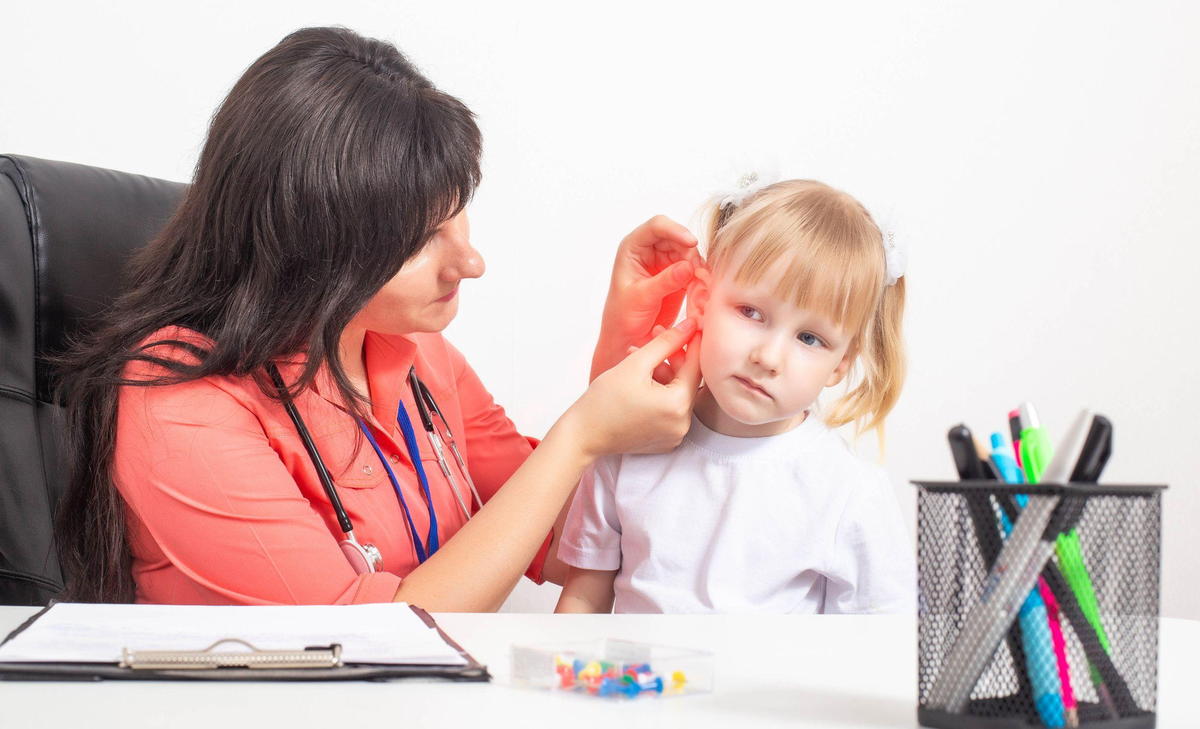
Your child can’t always tell you when something’s wrong, but their behavior speaks volumes. One of the first signs of otitis media is ear pain, which can range from mild discomfort to intense pressure. You might notice your little one tugging at their ear, acting fussier than usual, or having trouble sleeping. Irritability and restlessness are common, especially at night when lying down increases ear pressure. A sudden decrease in appetite can also be a clue—chewing and swallowing may worsen the pain, making mealtime a struggle.
Fever often accompanies an ear infection, but not always. If your child has a temperature above 100.4°F, it may be their body’s way of fighting off an underlying infection. Drainage from the ear is another telltale sign. While clear fluid isn’t always a concern, yellow or pus-like discharge could indicate a ruptured eardrum, which may need medical attention. You might also notice temporary hearing difficulties, as fluid buildup in the middle ear can muffle sounds and make your child less responsive. Some kids even experience balance issues since the ear plays a key role in equilibrium.
It’s easy to mistake otitis media for a simple cold or teething discomfort, especially in younger children. However, if symptoms persist beyond a few days, worsen suddenly, or are accompanied by high fever, it’s time to seek professional care. Ignoring the signs could lead to complications, including chronic infections or hearing problems. When in doubt, consulting McKinney pediatricians ensures you get the right diagnosis and treatment plan. Ear infections can be painful and frustrating, but recognizing the symptoms early gives you the best chance to help your child feel better—fast.
Pediatric Otitis Media Treatment Options

When your child has otitis media, the first step is easing their discomfort. Over-the-counter pain relievers like acetaminophen or ibuprofen can help reduce pain and fever, but always check with your doctor for the right dosage. A warm compress placed against the affected ear may also provide relief. Keeping your child hydrated and in an upright position can help fluid drain more easily, reducing pressure and discomfort.
When Are Antibiotics Needed?
Not every ear infection requires antibiotics. Many cases, especially those caused by viruses, resolve on their own within a few days. However, if your child has a severe infection, persistent symptoms, or is under two years old with both ears affected, a doctor may prescribe antibiotics to prevent complications. It’s important to complete the full course of medication, even if your child starts feeling better, to ensure the infection is fully treated.
Alternative Treatments & Prevention
Some parents explore alternative treatments like chiropractic care or herbal drops, but these methods lack strong scientific backing. If your child experiences frequent ear infections, your McKinney doctor may suggest ear tubes to help with fluid drainage and reduce the risk of recurring infections. Strengthening your child’s immune system with a healthy diet, regular handwashing, and staying up to date on vaccinations can also lower the chances of future infections.
Prevention Strategies

Keep Hands Clean
Frequent handwashing is one of the simplest ways to prevent otitis media. Germs from colds and respiratory infections often lead to ear infections, so teaching your child proper hygiene can reduce their risk.
Avoid Secondhand Smoke
Exposure to smoke weakens the immune system and increases the likelihood of ear infections. Keeping your home and car smoke-free helps protect your child’s ear health.
Encourage Upright Bottle-Feeding
If your baby drinks from a bottle while lying down, fluids can pool in the ear, creating an environment for bacteria to grow. Holding your child upright during feedings can help prevent this issue.
Stay Up to Date on Vaccinations
Certain vaccines, like the flu shot and pneumococcal vaccine, help prevent infections that often lead to otitis media. Talk to McKinney pediatricians about recommended immunizations for your child.
Limit Pacifier Use
Extended pacifier use, especially after age one, has been linked to a higher risk of ear infections. Gradually reducing dependence on pacifiers can help lower the chances of fluid buildup in the middle ear.
By following these simple steps, you can reduce your child’s risk of painful ear infections and keep their ears healthy year-round.
Pedia Near Me: Complications and the Need for a McKinney Pediatrician
Ignoring otitis media or delaying treatment can lead to more serious health issues. One common complication is fluid buildup in the middle ear, which can cause temporary hearing loss. If left untreated, repeated infections may result in chronic ear infections, where fluid remains trapped behind the eardrum for an extended period. This can impact speech development and learning in young children.
A more severe complication is a ruptured eardrum. When pressure from the infection becomes too great, the eardrum may tear, leading to ear drainage, pain relief, and temporary hearing loss. While most ruptured eardrums heal on their own, frequent occurrences can cause long-term damage. In rare cases, untreated infections can spread to nearby areas, leading to mastoiditis—an infection of the skull bone behind the ear—or even more serious conditions like meningitis.
Not all ear infections require immediate treatment, but certain signs mentioned above indicate it’s time to see a doctor and have your kid’s otitis media checked. If your child experiences severe ear pain, high fever (above 102°F), persistent symptoms lasting more than two days, or drainage from the ear, schedule an appointment with a McKinney pediatrician. Additionally, if your child has frequent ear infections, your doctor may discuss long-term solutions, such as ear tubes.
