
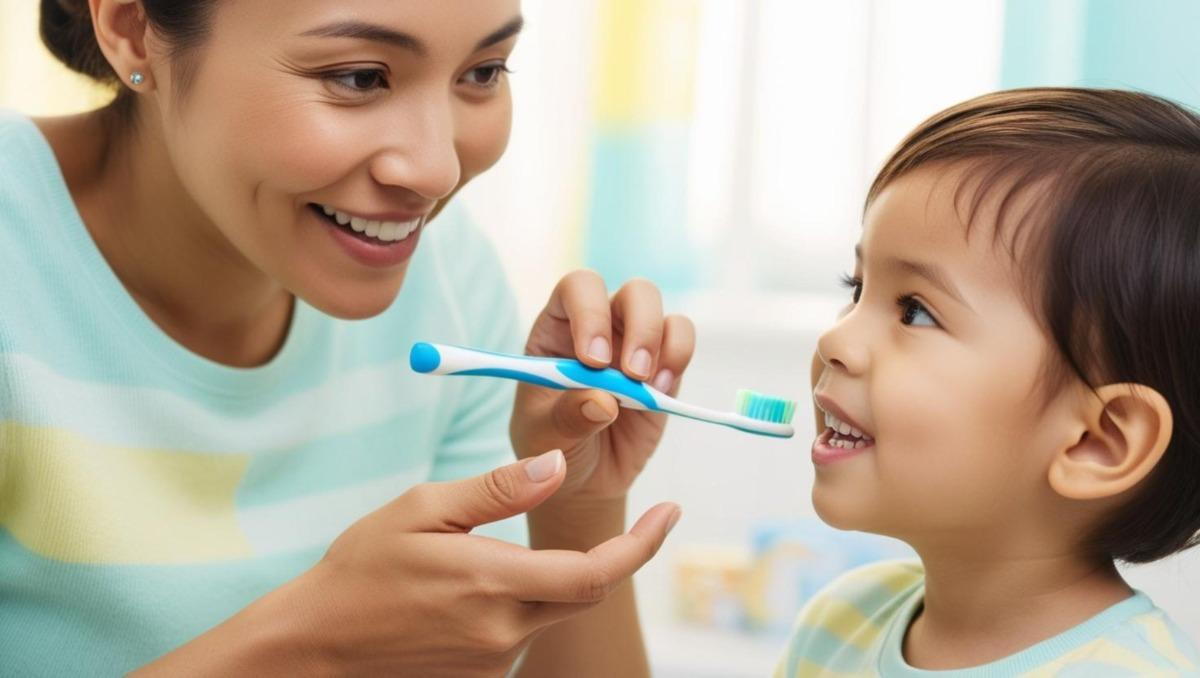
Good oral health habits start early and can have a lifelong impact on a child’s overall well-being. Teaching kids about proper dental care helps them develop strong teeth, avoid cavities, and maintain a bright, confident smile.
Without the right guidance, children may develop poor habits that can lead to significant dental issues in the future. Here’s a comprehensive guide on how parents can instill good oral hygiene practices in their children and ensure they maintain healthy smiles.
Why Good Oral Health Matters for Kids

Oral health is essential for overall health. Poor dental hygiene can lead to cavities, gum disease, and even infections that may affect other parts of the body. A pediatrician McKinney expert can provide basic guidance on proper oral care for children, helping to establish healthy habits early. Here are some key reasons why teaching kids about oral health is crucial:
Prevention of Tooth Decay: Proper brushing and flossing help prevent cavities and plaque buildup.
Healthy Development: Strong teeth are necessary for chewing, speaking, and overall facial development.
Boosts Self-Esteem: A clean, healthy smile can improve confidence and social interactions.
Prevention of Pain and Discomfort: Toothaches and gum infections can be painful and impact daily activities like eating and sleeping.
Overall Health Benefits: Poor oral hygiene can lead to infections that affect the heart, lungs, and other organs.
When to Start Teaching Oral Hygiene

Many parents wonder when to begin oral health education. The answer is: as early as possible! A McKinney pediatrician can offer valuable advice on starting good oral hygiene habits from infancy. Here’s a general guideline:
Infants (0-12 months): Gently wipe your baby's gums with a soft, damp cloth after each feeding.
Toddlers (1-3 years): Introduce a soft-bristled toothbrush with a tiny smear of fluoride toothpaste.
Preschoolers (3-5 years): Teach them how to brush their teeth with supervision, using a pea-sized amount of toothpaste.
School-Age Children (6+ years): Encourage independent brushing and flossing while reinforcing good habits.
Teenagers: Continue reinforcing oral hygiene habits, as they may neglect dental care due to busy schedules or diet changes.
Teaching Kids How to Brush and Floss
Making oral hygiene fun and engaging can encourage kids to adopt lifelong habits. Here’s how you can guide them through proper brushing and flossing techniques:
Brushing Basics
Choose the Right Toothbrush: Use a child-sized toothbrush with soft bristles.
Use the Right Amount of Toothpaste: A smear for infants, a pea-sized amount for kids 3 and up.
Brushing Technique: Teach them to hold the toothbrush at a 45-degree angle and use small circular motions.
Brush for Two Minutes: Encourage brushing for two minutes, twice a day. Using a timer or a song can make this fun.
Don’t Forget the Tongue: Cleaning the tongue helps remove bacteria and freshens breath.
Replace Toothbrushes Regularly: Change toothbrushes every three to four months or sooner if bristles are worn.
Flossing Fundamentals
Introduce flossing once teeth start touching.
Use child-friendly floss picks if regular floss is difficult.
Show them how to gently slide the floss between teeth without snapping it.
Make flossing a daily habit, preferably before bedtime.
Encourage the use of water flossers for kids who struggle with traditional flossing.
Making Good Oral Health Fun

Children are more likely to maintain good oral hygiene if it feels like an enjoyable activity rather than a chore. Any McKinney clinic would recommend these creative ways to make dental care fun:
Let Them Choose: Allow kids to pick their toothbrush and toothpaste with fun colors and flavors.
Use a Rewards System: Sticker charts or small incentives can motivate kids to brush and floss daily.
Sing a Song or Play Music: Play a two-minute song to make brushing time exciting.
Brush Together: Kids love to mimic adults, so brush your teeth together as a family activity.
Read Books About Oral Health: Story books featuring characters practicing good dental habits can reinforce lessons.
Use Fun Apps: Interactive apps and games can make learning about dental care more engaging.
Pedia Near Me: Importance of Good Oral Health
What children eat also plays a vital role in their oral health. Help them understand how food choices affect their teeth:
Limit Sugary Snacks and Drinks: Excessive sugar leads to cavities. Encourage water, milk, and healthy snacks instead.
Encourage Crunchy Fruits and Vegetables: Apples, carrots, and celery help clean teeth naturally.
Teach About Acidic Foods: Explain how sodas and citrus fruits can erode tooth enamel.
Promote Calcium-Rich Foods: Milk, cheese, and yogurt strengthen teeth.
Avoid Sticky or Gummy Candies: These tend to stick to teeth and increase the risk of cavities.
Drink Plenty of Water: Fluoridated water helps wash away food particles and strengthen enamel.
In addition to home care, professional dental visits are essential. Here’s how to prepare your child:
First Dental Visit: The American Dental Association (ADA) recommends a first visit by age one.
Create a Positive Experience: Talk about the dentist positively to reduce fear.
Schedule Regular Checkups: Visit the dentist every six months for cleanings and exams.
Discuss Preventive Treatments: Sealants and fluoride treatments can provide extra protection against cavities.
Prepare for Potential Orthodontic Needs: If necessary, consult an orthodontist about braces or aligners as early as age seven.
Addressing Common Oral Health Issues in Kids

Even with good oral hygiene, some common dental problems may arise. Here’s what to look out for and how to address them:
Cavities: Caused by bacteria and sugar; prevented with proper brushing, flossing, and fluoride.
Thumb-Sucking and Pacifier Use: If prolonged, these habits can affect teeth alignment.
Tooth Sensitivity: May indicate enamel erosion or cavities and should be checked by a dentist.
Gum Disease: Signs include swollen or bleeding gums; encourage gentle brushing and flossing.
Tooth Injuries: Teach kids to protect their teeth during sports and play.
Mouth Breathing: Chronic mouth breathing can affect oral health and should be addressed by a healthcare provider.
Leading by Example

Children learn best by observing their parents. Here are ways to model good oral health habits:
Brush and Floss Together: Show them how it’s done by making it a shared routine.
Demonstrate Healthy Eating: Choose nutritious foods and explain how they help teeth stay strong.
Keep Up with Your Own Dental Visits: Let kids see that dental care is a lifelong priority.
Encourage Proper Hydration: Drinking enough water supports saliva production, which helps protect teeth.
Talk About Dental Health Regularly: Keep an open dialogue about the importance of oral hygiene.
Teaching kids about good oral health is one of the best gifts parents can give. By making dental care fun, leading by example, and emphasizing regular checkups, children can develop healthy habits that last a lifetime. A little effort today will ensure a lifetime of bright smiles and strong teeth for your child. With a solid foundation in oral hygiene, children can grow up with the confidence of knowing their smile is healthy and well cared for.
