
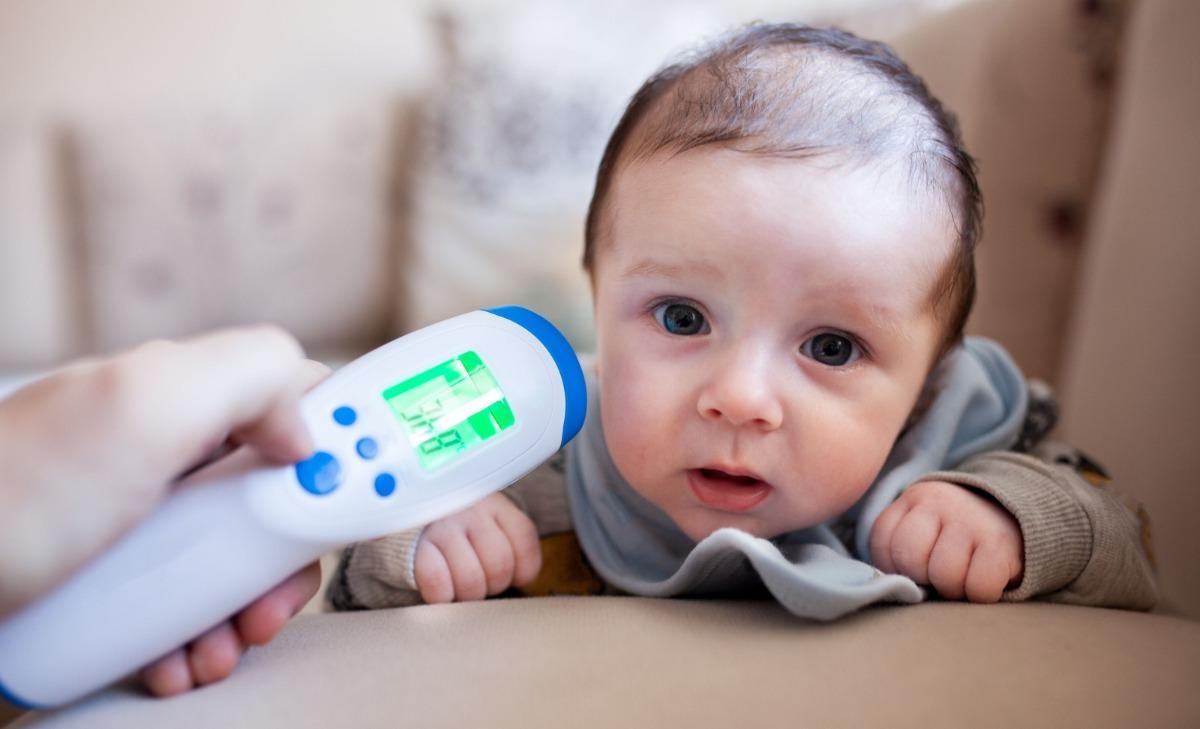
Baby fever is one of the most common concerns that new parents encounter. Seeing your infant warm to the touch or acting irritable can be alarming, but in many cases, fever is a normal response to infections or other minor conditions.
While a fever may indicate that your baby's immune system is fighting off an illness, it isn't always a reason to panic. Knowing how to take your baby’s temperature correctly, what symptoms to watch for, and when to call a Southlake pediatrician can help you go through this experience with confidence.
What Is Baby Fever?
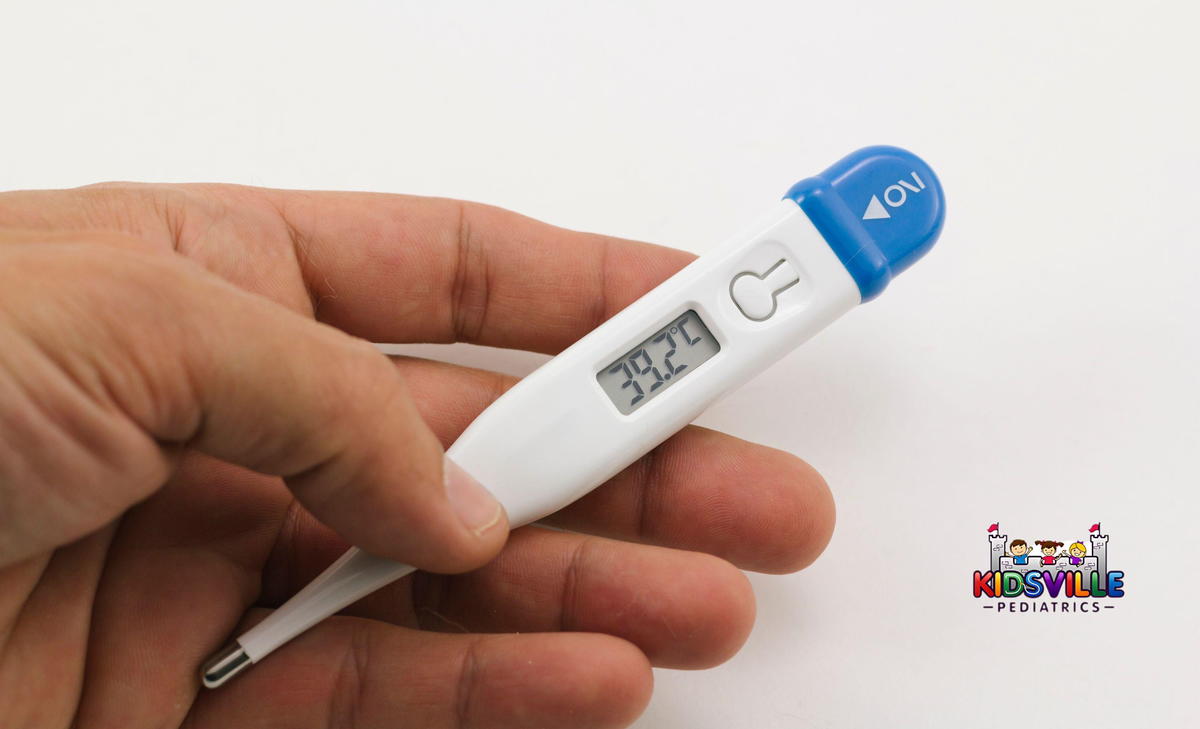
A baby’s normal body temperature typically hovers around 98.6°F (37°C), but slight variations are normal. A fever is diagnosed when:
A rectal temperature is 100.4°F (38°C) or higher.
An armpit (axillary) temperature is 99°F (37.2°C) or higher.
An oral or ear temperature reads above 100°F (37.8°C) (though ear temperatures are less accurate for infants under six months).
To better understand your baby’s baseline temperature, it’s a good idea to take their temperature when they are well. This way, you’ll recognize any significant changes when they arise. If you ever have concerns about your baby's temperature or overall health, Kidsville Pediatrics Southlake is here to help with expert guidance and care.
Causes of Baby Fever

Baby fever itself is not an illness but a symptom of an underlying condition. Some of the most common causes of fever in infants include:
1. Viral Infections
Colds, flu, and other viral infections are frequent culprits behind fever in babies. These infections often come with symptoms such as congestion, coughing, runny nose, or diarrhea.
2. Bacterial Infections
Though less common than viral infections, bacterial infections like ear infections, pneumonia, and urinary tract infections can also trigger fever. These infections require medical attention and sometimes antibiotics.
3. Vaccinations
After routine vaccinations, mild fevers are a common reaction. The body’s immune system is responding to the vaccine, helping to build protection against diseases.
4. Overheating
Dressing a baby too warmly or exposing them to a hot environment can lead to an elevated temperature. However, this is different from a fever caused by an infection. If your baby is overdressed, remove layers and monitor their temperature.
5. Newborn Fever (Serious Concern)
A fever in a newborn under three months old is always considered serious. It could indicate a serious infection, such as sepsis, a life-threatening bloodstream infection that requires immediate medical care.
6. Meningitis (Medical Emergency)
Dehydration can present as fewer wet diapers, a dry mouth, or a sunken soft spot on the head. Symptoms can include fever, stiff neck, irritability, lethargy, or a high-pitched cry. If you suspect meningitis, seek emergency medical care immediately.
Fever and Teething: Are They Connected?
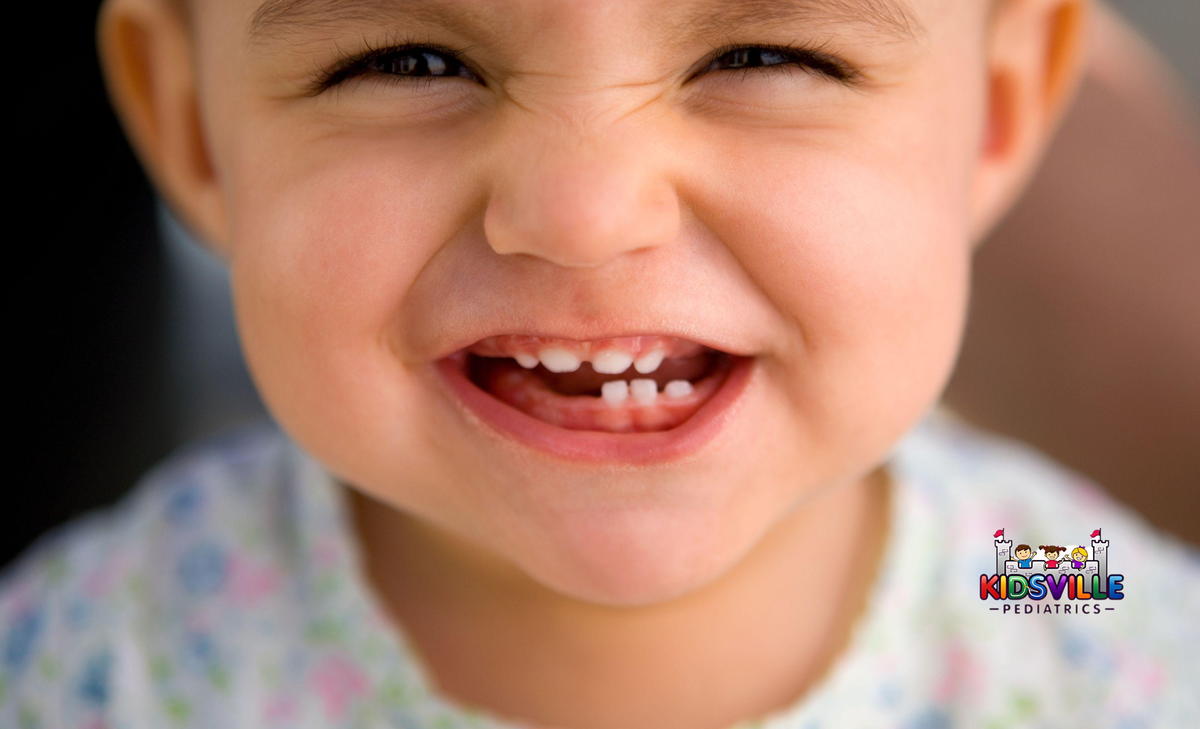
Teething is often blamed for fever, but research shows that teething does not cause significant fevers. While teething may lead to a slight increase in temperature, any fever above 100.4°F (38°C) is likely due to another cause and should be evaluated. If you have concerns about your child’s fever, a pediatrician Southlake, TX expert can provide expert care and guidance.
Recognizing Baby Fever Symptoms
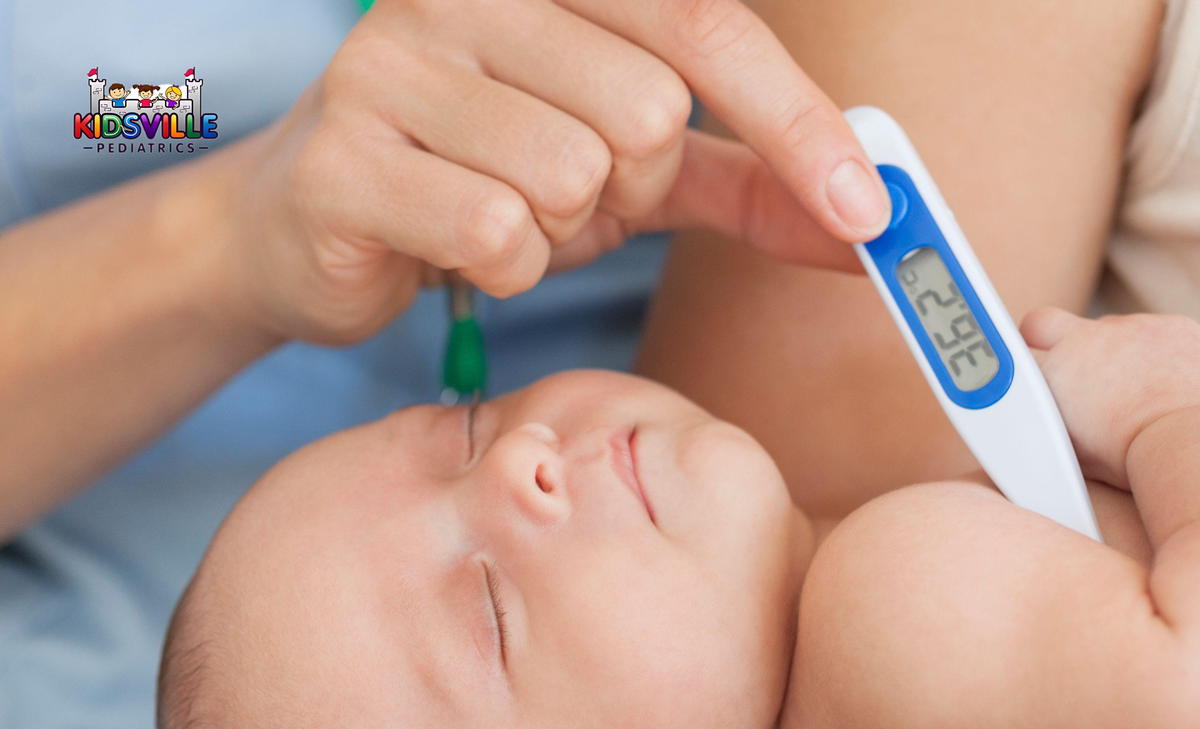
Beyond an elevated temperature, babies with fevers may show signs of discomfort. Common symptoms include:
Increased irritability or fussiness
Poor sleep patterns
Reduced appetite
Crying more than usual
Decreased activity levels and interest in play
Flushed skin or warm forehead
Rapid heart rate or breathing
Shivering or chills
Sweating
Dehydration (fewer wet diapers, dry mouth, sunken soft spot on the head)
Seizures (in some cases, high fevers can trigger febrile seizures)
When to Be Concerned About a Fever
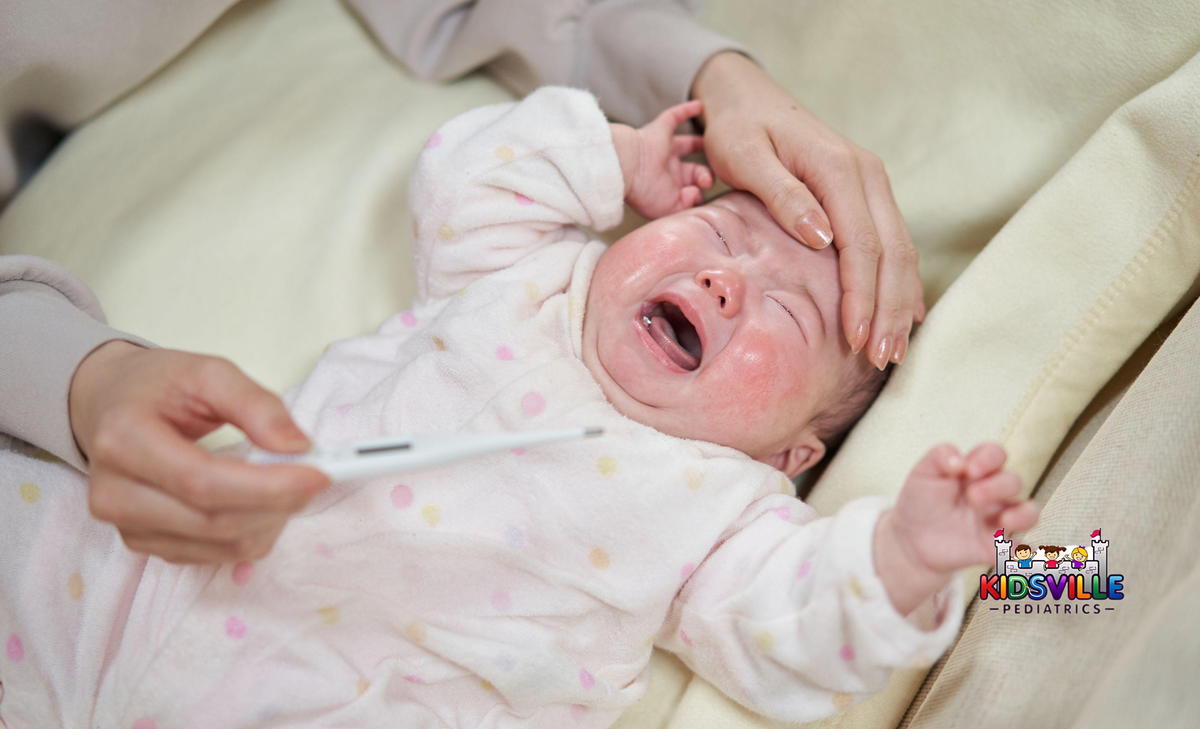
While a mild fever is often nothing to worry about, certain situations require medical attention. If you’re unsure whether your child’s fever needs evaluation, a Southlake pediatric clinic can provide expert care and guidance. Seek medical help if:
Your baby is younger than 3 months and has a fever of 100.4°F (38°C) or higher.
Your baby is older than 3 months but has a fever above 104°F (40°C).
The fever persists for more than five days.
Your baby is unusually lethargic, difficult to wake, or excessively fussy.
Your baby shows signs of dehydration (no tears when crying, dry mouth, fewer wet diapers).
Your baby has difficulty breathing, a stiff neck, a rash, or seizures.
The fever follows a recent trip to a very hot environment, such as being left in a car.
How to Take a Baby’s Temperature Accurately
There are several ways to take your baby’s temperature:
Rectal (Most Accurate): Gently insert a lubricated digital thermometer about 1/2 inch into your baby’s rectum.
Armpit (Less Reliable but Non-Invasive): Place the thermometer under your baby’s armpit and hold their arm snugly against their body.
Ear (For Older Babies): This method is convenient but less reliable for infants under six months.
Forehead (Temporal Scanner): This method is commonly used but can be less accurate than rectal readings.
Treating a Baby’s Fever at Home
If your baby is older than three months and has a mild fever, there are steps you can take to help them feel more comfortable:
1. Keep Them Cool but Comfortable
Dress your baby in lightweight clothing and keep the room at a moderate temperature.
2. Give Plenty of Fluids
Ensure your baby stays hydrated with breast milk, formula, or (if they’re older than six months) small amounts of water or an electrolyte solution like Pedialyte.
3. Lukewarm Baths
A lukewarm bath can help bring down a fever, but avoid cold baths or ice packs as they may cause shivering, raising the temperature further.
4. Use Fever-Reducing Medications (If Recommended by a Doctor)
Acetaminophen (Tylenol): Safe for babies older than 2 months (consult a doctor for dosage).
Ibuprofen (Motrin/Advil): Safe for babies over 6 months.
Avoid Aspirin, as it is linked to Reye syndrome, a rare but serious condition.
Pedia Near Me: When to Call a Doctor
If your baby:
Is under 3 months with any fever, go to the emergency room.
Has a fever over 104°F (40°C).
Cries inconsolably or is extremely fussy.
Shows signs of dehydration.
Has a seizure.
Has trouble breathing or appears blue around the lips.
Develops a stiff neck or is excessively sleepy.
Key Takeaways
Fever is a common symptom in babies and often results from viral or bacterial infections.
A rectal temperature of 100.4°F (38°C) or higher is considered a fever in infants.
Newborns under 3 months with fever require immediate medical attention.
Mild fevers in older babies are usually not emergencies unless accompanied by other worrisome symptoms.
Keep your baby comfortable, hydrated, and dressed in light clothing.
Use fever-reducing medication only under the guidance of a healthcare professional.
Understanding baby fever can help you make informed decisions and stay calm when faced with this common parenting challenge. Always trust your instincts—if something doesn’t seem right, reach out to your Southlake pediatrician for guidance.
