
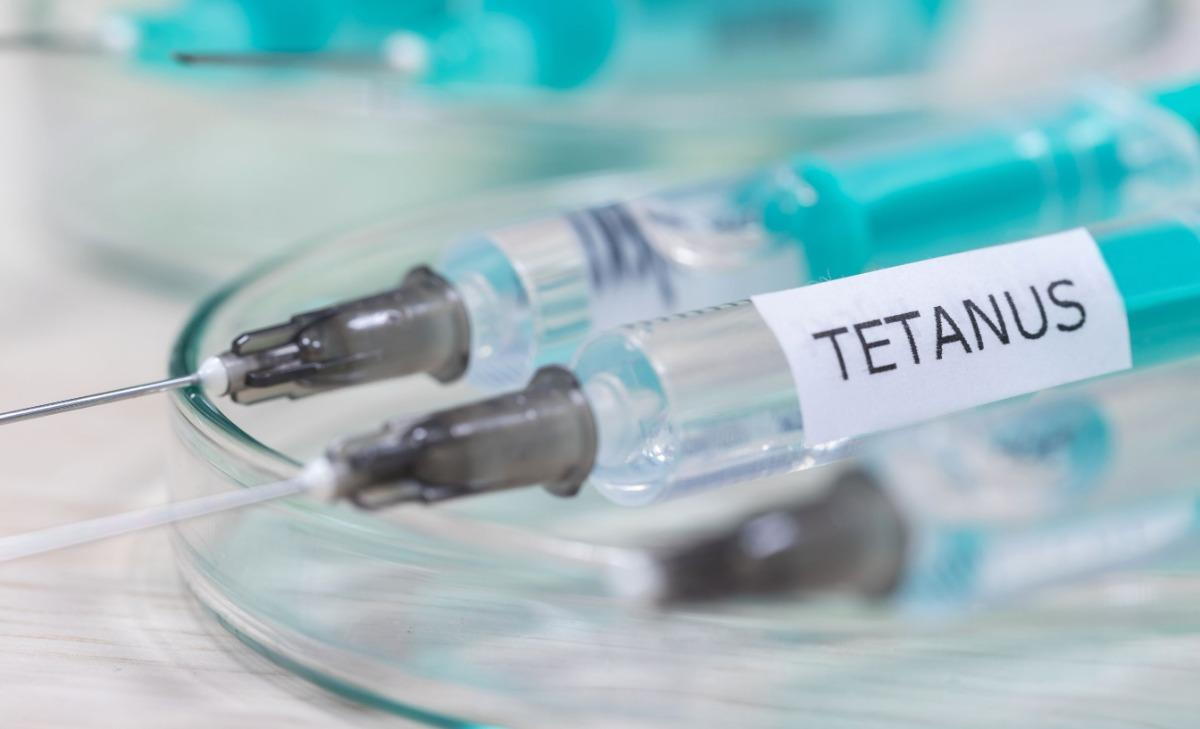
Tetanus is a severe and often life-threatening disease caused by a toxin produced by the bacterium Clostridium tetani. It primarily affects the nervous system, leading to intense muscle stiffness, spasms, and rigidity. One of the earliest signs is lockjaw—where the jaw muscles tighten—followed by stiffness in the neck and eventually, full-body muscle contractions. Makes you wonder now, how crucial is that tetanus shot?
While tetanus has been described in medical texts as far back as the 5th century BCE, scientific breakthroughs in the late 19th century provided a clearer understanding. In 1884, researchers demonstrated that tetanus could be induced in animals using pus from infected humans or contaminated soil.
Just a few years later, Japanese scientist Kitasato Shibasaburo isolated C. tetani from a human case and proved that its toxin could be neutralized by antibodies. This discovery paved the way for tetanus treatment and prevention. By 1897, Edmond Nocard demonstrated that passive immunization with antitoxin could protect against the disease—a method that was widely used during World War I.
The game-changer came in the 1920s when scientists developed a way to inactivate the tetanus toxin using formaldehyde. This led to the creation of the tetanus toxoid vaccine in 1924, which became widely used during World War II.
Meet the Culprit: Clostridium tetani
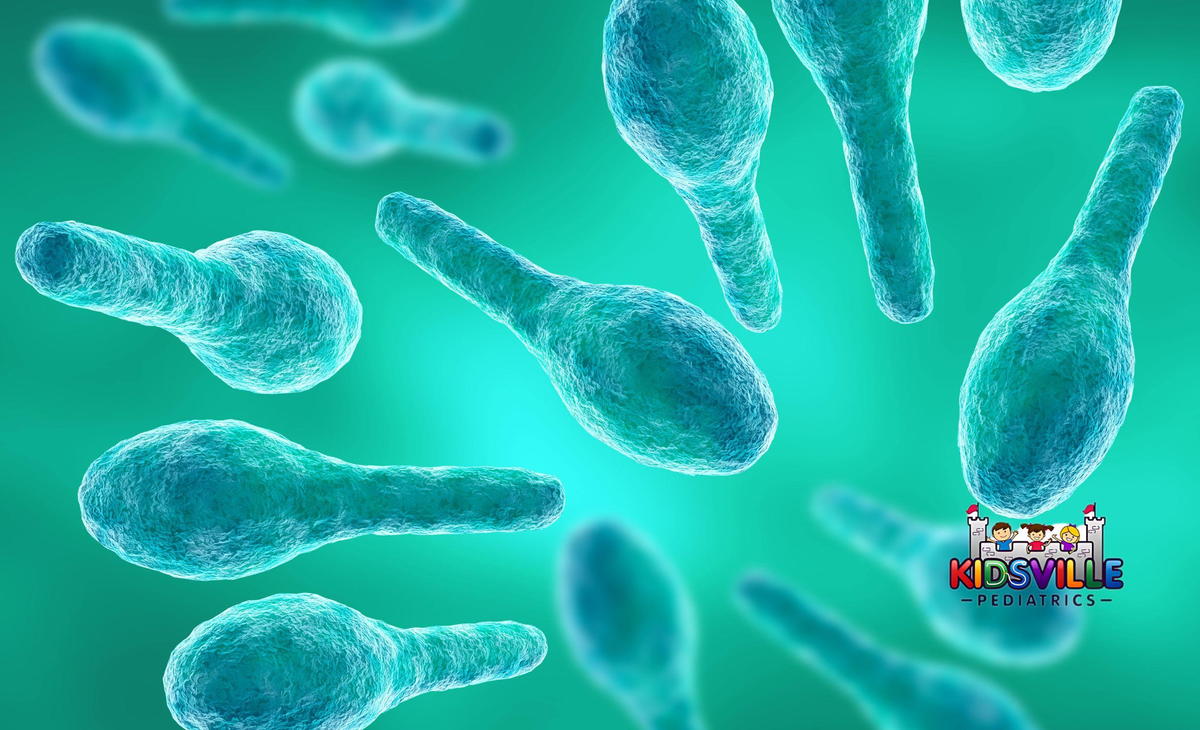
Pediatricians warn that C. tetani is a spore-forming, gram-positive bacterium that thrives in environments without oxygen. While the bacterium itself is sensitive to heat, its spores are incredibly resilient—capable of surviving high temperatures, chemical disinfectants, and even autoclaving at 121°C (249.8°F) for up to 15 minutes. These spores are commonly found in soil, animal feces, and even on human skin or contaminated drug supplies like heroin.
The Deadly Toxins of Tetanus
When C. tetani grows in the body, it produces two powerful exotoxins:
Tetanolysin – The exact role of this toxin is still unclear.
Tetanospasmin – A powerful neurotoxin that triggers the hallmark symptoms of tetanus.
According to a Southlake pediatrician, tetanospasmin is one of the deadliest toxins known to science. A lethal dose for humans is estimated to be just 2.5 nanograms per kilogram of body weight—meaning only 175 nanograms (one-billionth of a gram) could be fatal for an average adult weighing 70 kg (154 lbs).
Despite its dangers, tetanus is entirely preventable with proper vaccination. Routine immunization and wound care remain the best defenses against this deadly disease.
How Do Kids Get Tetanus? Common Causes and Risk Factors

According to Dr. Naureen Ameen at Kidsville Pediatrics Southlake, unlike many other infections, tetanus is not contagious—it cannot spread from person to person. Instead, it enters the body through breaks in the skin, such as deep cuts, puncture wounds, burns, or even minor scrapes. Once inside, the bacteria produce a powerful neurotoxin called tetanospasmin, which attacks the nervous system and causes severe muscle stiffness and spasms.
Tetanus is more common in warmer climates or during the warmer months when people are more likely to be outdoors, increasing their chances of injury. While it is rare in the United States due to widespread vaccination, the disease is still a significant concern in developing countries. In these regions, neonatal tetanus—when the infection occurs in newborns—remains a serious problem. This can happen when bacteria enter the baby’s umbilical stump due to unsanitary birthing conditions or poor postnatal care, particularly in areas with low vaccination rates.
Which Children Are at Risk for Tetanus?
Southlake pediatrics experts emphasize that tetanus is rare in the U.S. thanks to routine childhood vaccinations. However, unvaccinated children or those behind on their tetanus shots are at greater risk, particularly if they suffer wounds in environments where C. tetani bacteria thrive. To prevent this potentially life-threatening infection, parents should keep their children’s immunizations up to date.
Spotting the Signs: Tetanus Symptoms in Children

Tetanus symptoms typically develop 3 to 21 days after exposure to Clostridium tetani, though the onset can vary depending on the type and location of the wound. The closer the injury is to the nervous system, the faster symptoms may appear.
Jaw Cramping (Lockjaw)
One of the earliest and most recognizable signs of tetanus is jaw cramping, commonly known as lockjaw. This occurs when the muscles in the jaw tighten uncontrollably, making it difficult or impossible to open the mouth.
Painful Muscle Spasms
Southlake pediatric clinic experts cite that as tetanus progresses, intense muscle spasms can spread to the face, neck, abdomen, back, and limbs. These spasms are often extremely painful and, in severe cases, can be powerful enough to cause fractures.
Difficulty Swallowing or Breathing
Tetanus can affect the muscles needed for swallowing and breathing, leading to choking or respiratory distress. If these symptoms occur, immediate emergency care is required.
Headache and Fever
Children with tetanus often experience persistent headaches along with fever and excessive sweating as their bodies react to the bacterial toxin.
Changes in Blood Pressure and Heart Rate
The toxin produced by C. tetani can interfere with the autonomic nervous system, causing fluctuations in blood pressure and heart rate. These irregularities may contribute to dizziness or fainting.
Seizures (Jerking or Staring Spells)
In severe cases, tetanus can trigger seizures, which may involve involuntary jerking movements or episodes of staring. These seizures can be life-threatening if they affect breathing muscles.
Pedia Near Me: Kidsville Pediatrics Southlake
If your child develops difficulty breathing or swallowing, seek immediate medical attention. Tetanus requires urgent treatment to prevent severe complications and improve recovery outcomes.
Prevention Matters: The Role of Vaccination in Tetanus Protection
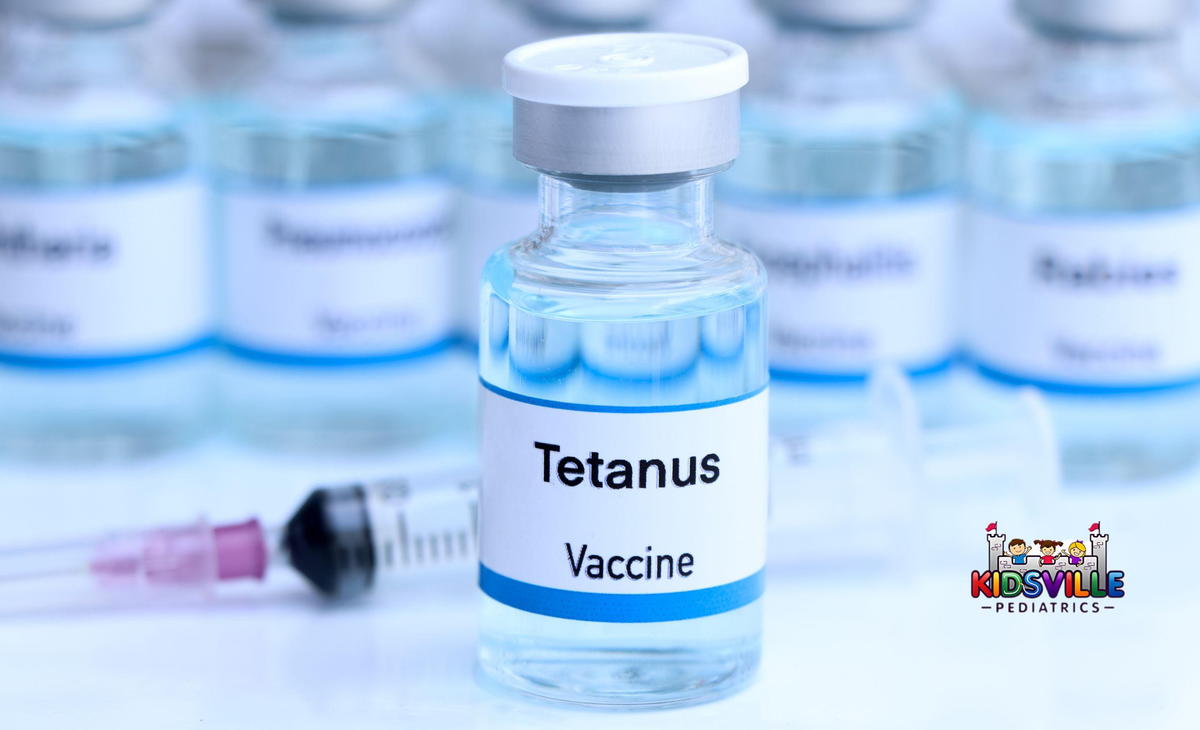
Immunization helps protect the body from harmful infections by preparing the immune system to recognize and fight off dangerous germs. There are two types of immunization: active and passive. Each works differently and plays a crucial role in disease prevention.
Active Immunization: Long-Term Protection
Active immunization occurs when the body learns to fight off an infection on its own by producing antibodies. This process is usually triggered by vaccines, which contain weakened or inactive forms of a germ. Once the immune system recognizes the germ, it begins creating antibodies that help protect against future infections. Although it takes time for the body to develop immunity, the protection can last for years or even a lifetime.
In the U.S., three vaccines help prevent tetanus:
DTaP – A five-dose series for young children (protects against diphtheria, tetanus, and pertussis).
Tdap – A single dose for adolescents and adults.
Td or Tdap Booster – Recommended every 10 years for continued protection.
Passive Immunization: Immediate but Short-Term Protection
Any pediatrician in Southlake knows that passive immunization happens when antibodies are transferred from one person to another. This occurs naturally when a mother passes antibodies to her baby during pregnancy or artificially through an antibody infusion. Unlike active immunization, which takes time to build immunity, passive immunity provides immediate protection but only lasts for a short period. It is often used in emergency cases, such as after potential tetanus exposure, when rapid defense against infection is needed.
What to Do If You Suspect Tetanus: Emergency Care and Treatment Options

Southlake doctors emphasize that tetanus is a medical emergency requiring immediate hospital treatment. If you suspect tetanus, seek emergency care right away, as prompt treatment is crucial to prevent serious complications. Management typically includes wound cleaning, antibiotics, antitoxin injections, and medications to control muscle spasms. In severe cases, breathing support with a ventilator may be necessary.
Immediate Actions to Take:
Call 911 or your local emergency number immediately for urgent medical assistance.
Do not attempt to treat the wound at home—keep it clean and covered until professional care is available.
Inform medical professionals of any recent injuries or wounds, even if they seem minor.
Tetanus Treatment Options:
Wound Care: Thorough cleaning and removal of contaminated tissue to prevent further bacterial growth.
Antibiotics: Medications like penicillin or metronidazole to fight the bacteria.
Tetanus Immune Globulin (TIG): An injection to neutralize the toxin and prevent further damage.
Muscle Relaxants: Drugs such as diazepam to control severe spasms and muscle stiffness.
Pain Management: Medications to reduce discomfort caused by painful spasms.
Ventilator Support: In severe cases where breathing is affected, a ventilator may be required.
Seeking immediate pediatric care can significantly improve outcomes and reduce the risk of life-threatening complications. Yet again, we cannot reiterate enough the importance of a tetanus shot to prevent all these from happening in the first place.
