
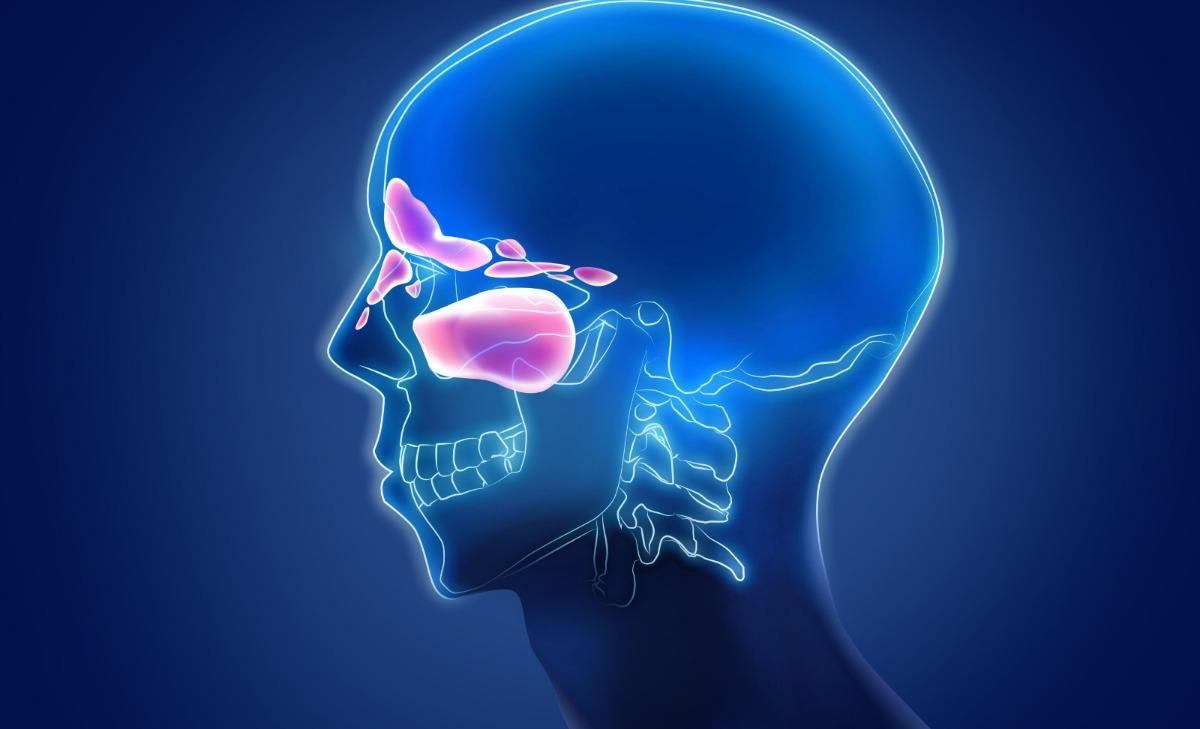
Sinus infection, sinusitis, or inflammation of the sinuses, is a common yet often misunderstood condition in children. While many parents associate nasal congestion with colds or allergies, persistent or severe symptoms may indicate a sinus infection.
The paranasal sinuses, which include the maxillary, frontal, ethmoid, and sphenoid sinuses, play a crucial role in respiratory health. Among these, the maxillary sinus—often affected in pediatric sinusitis—holds particular historical significance due to the work of Nathaniel Highmore, an English anatomist whose name became synonymous with its discovery.
Born in 1613, Highmore defied family expectations of entering the clergy and instead pursued medicine. After earning his degree from Oxford in 1641, he became a practicing physician while continuing his passion for anatomical studies. His most notable work, Corporis Humani Disquisitio Anatomica, provided detailed illustrations of human anatomy, including the maxillary sinus.
Though Highmore was not the first to discover it—Leonardo da Vinci’s earlier drawings were only unearthed in 1901—his contributions firmly established its recognition in medical literature. For centuries, the maxillary sinus was referred to as "Highmore’s antrum," a term still encountered in medical education today.
Highmore’s observations extended beyond mere anatomy; he documented clinical cases that highlighted the maxillary sinus's function and its link to oral health. One such case involved a female patient who, after a tooth extraction, was alarmed by pus draining into her sinus.
In her attempt to understand the condition, she inserted objects—including a slate pencil and a feather—into the opening. Her distress led her to Highmore, who reassured her using his anatomical drawings, reinforcing the connection between dental and sinus health.
Understanding the historical context of sinus anatomy enhances our grasp of pediatric sinusitis. Today, children experience sinus infection due to various factors, including viral infections, allergies, and anatomical predispositions.
Recognizing symptoms early and seeking appropriate care can prevent complications and ensure a smoother recovery. In the following sections, we will explore the causes, symptoms, and treatment options for sinusitis, providing parents with the knowledge to navigate this common childhood condition effectively.
Sinusitis in Kids: Symptoms and Causes
Most cases of sinus infections are viral in nature, often presenting as a viral upper respiratory infection. These typically resolve on their own with symptom management. However, in more severe cases of bacterial sinusitis, antibiotics may be necessary. In rare instances where medical treatment is ineffective, surgery may be considered a safe and effective option for managing chronic sinus disease in children.
A child’s sinuses continue to develop throughout adolescence. While not fully formed until the late teen years, the maxillary sinuses (located behind the cheeks) and ethmoid sinuses (positioned between the eyes) are present at birth. Diagnosing pediatric sinusitis can be challenging since its symptoms often overlap with those of viral infections or allergies. If you’re unsure about your child’s symptoms, a pediatrician McKinney expert can surely help determine the cause and recommend the best treatment.
Symptoms of Pediatric Sinusitis
Signs that your child may have a sinus infection include:
A cold that persists for more than 10 to 14 days
Low- or high-grade fever
Thick yellow-green nasal discharge lasting at least three consecutive days
Post-nasal drip, which may lead to sore throat, cough, bad breath, nausea, or vomiting
Headaches, particularly in children over the age of six
Irritability or fatigue
Swelling around the eyes
Causes of Pediatric Sinusitis
Young children are especially susceptible to infections of the nose, sinuses, and ears, particularly in their early years. Sinus infections can stem from viruses, allergies, or bacteria. If symptoms last less than 10 days and show no signs of worsening, a viral infection is the most likely cause.
However, if symptoms persist without improvement beyond 10 days or worsen after initial improvement, acute bacterial sinusitis may be the culprit. A McKinney pediatrician can help diagnose the condition and recommend the appropriate treatment.
Chronic sinusitis, which lasts for 12 weeks or longer, is typically due to prolonged inflammation rather than a persistent infection. While infections can contribute to chronic sinusitis—especially when symptoms periodically worsen—the primary cause is usually ongoing sinus inflammation.
Sinus Infection vs. Cold: How to Tell in Children
When your child has a stuffy nose, cough, or congestion, it can be tough to determine whether it’s just a common cold or something more, like a sinus infection. Two key signs can help you differentiate between viral sinusitis (caused by a cold) and a bacterial sinus infection. If you're unsure, a pediatrician McKinney, TX specialist can evaluate your child's symptoms and recommend the best course of action.
Duration of Symptoms – A typical cold or viral sinusitis often starts to improve within three to five days. If your child’s symptoms last more than 10 days without any signs of improvement, it could indicate a bacterial sinus infection.
Worsening Symptoms After Initial Improvement – If your child seems to be recovering from a cold but then suddenly worsens again, this “double worsening” pattern may suggest that a bacterial sinus infection has developed.
How to Help Your Child Feel Better
Since there are no specific antiviral medications for the common cold, treatment focuses on relieving symptoms. Non-prescription pain relievers, such as acetaminophen or ibuprofen, can help ease discomfort. Saline nasal rinses can ease congestion, and keeping your child hydrated with plenty of fluids can support recovery. A balanced diet and adequate rest also play a vital role in helping their immune system fight off the virus.
Sinus infections are managed similarly to colds. If bacteria are the cause, antibiotics may be an option, but many bacterial sinus infections clear up on their own. If your child’s symptoms persist or worsen, consulting a McKinney pediatrician can help determine the best course of action.
10 Best Home Remedies for Sinusitis Relief in Kids

Sinus pressure can be incredibly uncomfortable for children, making them feel achy, congested, and fatigued. They may experience a dull headache, tightness, or swelling around the nose, eyes, cheeks, and forehead. Sometimes, the discomfort extends to the scalp, ears, or jaw, and even causes tooth pain. If your child is struggling with persistent sinus pressure, a visit to any McKinney clinic can help determine the best treatment options.
Sudden movements, such as leaning forward or straining, can intensify the pressure. Additionally, children might have a sore throat, reduced sense of smell or taste, and symptoms similar to a cold.
How to Relieve Sinus Pressure at Home
Many home remedies can help ease sinus pain and congestion in children. Here are ten effective ways to provide relief:
Nasal Rinse – Using a saline spray or nasal rinse can help clear mucus and reduce congestion. Always use distilled or sterile water.
Over-the-Counter Medications – Children's decongestant sprays, antihistamines, and pain relievers (such as acetaminophen or ibuprofen) can help manage symptoms. Always consult your McKinney pediatrician before administering any medication.
Stay Hydrated – Encourage your child to drink plenty of fluids like water or diluted juice to keep mucus thin and flowing. Avoid caffeinated or sugary drinks.
Rest and Elevation – Proper rest helps the body fight infection. Propping their head up with an extra pillow while sleeping can also ease congestion.
Steam Therapy – Have your child inhale steam from a bowl of warm water or take a warm shower to help open nasal passages.
Use a Humidifier – Adding moisture to the air with a humidifier or vaporizer can prevent dryness and irritation in the nasal passages.
Warm and Cool Compresses – Alternating a warm washcloth over the forehead and eyes with a cool compress can help reduce inflammation and ease sinus pressure.
Mild Spices in Food – If appropriate for their age, adding mild spices like ginger or warm soups with a little spice can help clear congestion.
Boost Vitamin C – Foods rich in vitamin C, such as oranges, strawberries, and bell peppers, may help strengthen the immune system and reduce sinus inflammation.
Gentle Acupressure – Lightly massaging the sides of the nose or the area between the eyebrows can help relieve sinus pressure.
What to Avoid When Your Child Has Sinus Pressure
Certain factors can make sinus pain worse. Try to limit:
Sudden changes in air pressure, such as flying or swimming.
Exposure to smoke, allergens, or strong odors.
Extremely hot or cold temperatures.
Blowing the nose too hard, which can worsen congestion.
Excessive dairy intake if it seems to increase mucus production.
By recognizing the signs of sinus pressure early and using simple remedies, parents can help their child feel more comfortable while their body naturally fights off the infection. If symptoms persist or worsen, a pediatrician can provide guidance on the best course of treatment.
Pedia Near Me: Kidsville Pediatrics McKinney
While many sinus infections clear up with home care, there are times when medical attention is needed. You should take your child to a pediatrician if they experience:
Symptoms lasting more than 10 days without improvement
Worsening congestion, pain, or pressure after initial improvement
Severe headache or facial pain
A fever above 102°F or a fever that lasts more than three days
Frequent or recurring sinus infections
If your child has repeated sinus infections, a specialist such as an ear, nose, and throat (ENT) doctor may help determine the best treatment plan.
Sinus Infection vs. COVID-19: How to Tell the Difference
Some sinus infection symptoms can overlap with those of COVID-19, making it difficult to tell them apart. Both conditions can cause fever, headaches, congestion, fatigue, and sore throat. However, symptoms more specific to COVID-19 include body aches, nausea, vomiting, and shortness of breath.
If you’re unsure about your child’s sinus infection symptoms, it’s best to consult a McKinney pediatrician to determine the cause and get the appropriate care.
