
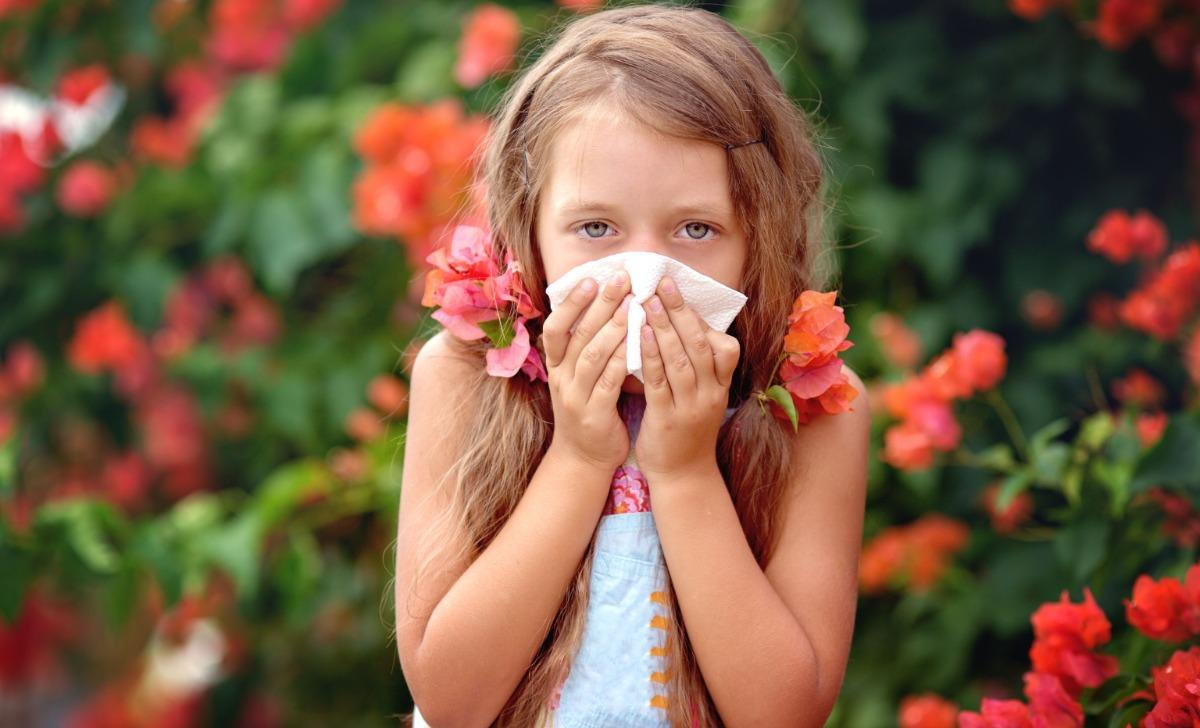
Texas is famous for its warm climate, scenic landscapes, and rich cultural diversity. However, it’s also notorious for its intense seasonal allergies, making life challenging for those sensitive to airborne allergens.
The state’s mild winters and long growing seasons create ideal conditions for plants to pollinate nearly year-round. Unlike in colder regions where a hard freeze halts pollen production, Texas experiences extended allergy seasons that can persist well into fall and even winter.
Additionally, Texas is home to highly allergenic trees like oak, cedar, and mesquite, all of which release large amounts of pollen. This combination of factors contributes to the state’s reputation as a difficult place for allergy sufferers. Kidsville Pediatrics Southlake understands these challenges and is here to help families manage seasonal allergies effectively.
When Do Seasonal Allergies Occur?

The timing and severity of allergy season in Texas vary by region and allergen type. However, some general patterns remain consistent:
Spring (February – May): Tree pollen, particularly from oak, elm, and pecan trees, dominates the air, making this one of the worst seasons for allergies.
Fall (August – November): Ragweed is the primary culprit, releasing vast amounts of pollen and triggering allergic reactions.
Year-Round Allergens: Unlike other states with distinct allergy seasons, Texas has allergens that persist all year. Dust mites, mold spores, and pet dander are common indoor allergens that can cause symptoms even in winter.
Because these allergens persist year-round, many Texans struggle with ongoing allergy symptoms. Seeking effective treatments and preventive care is crucial, and Southlake pediatrics experts offer solutions to help families manage allergies more comfortably.
Seasonal allergies, also known as allergic rhinitis or hay fever, can strike at different times of the year, causing discomfort for many children. These allergies occur when airborne allergens—such as pollen, mold spores, or dust—enter the eyes, nose, and throat, triggering an immune system response.
Since allergies develop only after exposure to an allergen, children under the age of two are less likely to experience allergies.
Signs Your Child May Have Seasonal Allergies

Common symptoms of seasonal allergies include:
Stuffy or runny nose
Sneezing
Itchy, watery eyes
Sore throat and cough
Dark circles under the eyes
Fatigue due to disrupted sleep
How Do Seasonal Allergies Affect Children?
Beyond causing discomfort, seasonal allergies can impact a child’s well-being by:
Leading to poor concentration and fatigue due to lack of sleep
Increasing the risk of ear and sinus infections
Triggering asthma flare-ups
Causing irritability and behavioral changes
Tips to Minimize Allergy Exposure
Even when pollen levels are high, there are ways to reduce your child’s exposure:
Rinse off after outdoor play: Have your child wash their hands and face or take a quick shower to remove pollen.
Monitor pollen counts: Limit outdoor activities when pollen levels are high.
Avoid hanging clothes outside: Use a dryer instead to prevent pollen from clinging to fabrics.
Shower before bed: This helps reduce nighttime allergy symptoms.
Keep windows closed: Use air conditioning with a clean filter to maintain indoor air quality.
Treating Seasonal Allergies in Children

In addition to avoiding triggers, allergy medications can help manage symptoms effectively. Many options are available over-the-counter, including:
Nasal Saline Sprays
Saline nasal sprays are a simple yet highly effective way to relieve nasal congestion caused by seasonal allergies. They work by flushing out allergens, dust, and mucus from the nasal passages, helping to reduce irritation and inflammation. Unlike medicated nasal sprays, saline sprays contain only sterile saltwater, making them safe for frequent use, even in young children. A Southlake pediatrician can guide you on the best ways to incorporate saline sprays into your child’s allergy management routine.
How Saline Sprays Help
Removes allergens: Rinses out pollen, dust, and other airborne irritants that trigger allergy symptoms.
Moisturizes nasal passages: Helps prevent dryness and irritation, especially in dry climates or air-conditioned environments.
Loosens mucus: Clears congestion by thinning out thick mucus, making it easier for children to breathe comfortably.
If saline sprays alone don’t provide enough relief, your child’s doctor may recommend a medicated nasal spray, such as a steroid nasal spray. These sprays contain corticosteroids that help reduce nasal inflammation, relieving congestion, sneezing, and postnasal drip.
Why Are Steroid Nasal Sprays Recommended?
Proven effectiveness: They directly target inflammation in the nasal passages, providing long-lasting relief.
Safe for long-term use: Unlike decongestant sprays, steroid nasal sprays do not cause rebound congestion when used as directed.
Non-drowsy: They don’t have the sedating effects of some oral allergy medications.
For best results, consistency is key—steroid nasal sprays often take a few days to reach full effectiveness. Be sure to follow your Southlake pediatrician’s guidance on proper use and dosage.
Oral Antihistamines
Antihistamines block histamine, a chemical responsible for allergy symptoms. There are two main types:
First-generation antihistamines: These can cause drowsiness and may have shorter-lasting effects. Some children may experience hyperactivity instead of sedation.
Second-generation antihistamines: These are longer-lasting, cause less drowsiness, and are typically taken once a day.
If a particular antihistamine has worked well for another family member, there’s a good chance your child will respond similarly. The best Southlake pediatric clinic can help determine the best antihistamine option based on your child's specific symptoms and needs.
Are Decongestants Safe for Children?
Nasal and oral decongestants are typically avoided for children because of their potential side effects and risks. While they can provide temporary relief from nasal congestion, they often come with drawbacks that make them less ideal for long-term use.
Nasal decongestant sprays work by shrinking swollen blood vessels in the nasal passages, making it easier to breathe. However, using these sprays for more than three consecutive days can lead to rebound congestion (rhinitis medicamentosa). This occurs when the nasal tissues become dependent on the medication, causing congestion to worsen when the spray is discontinued.
As a result, the child may feel the need to use the spray more frequently, leading to a cycle of overuse and dependency. A pediatrician Southlake expert can guide you on safer alternatives and effective long-term strategies to manage your child’s nasal congestion.
Unlike nasal sprays that work locally, oral decongestants affect the entire body. They stimulate the nervous system, which can lead to several unwanted side effects, including:
Irritability and restlessness: Children may become fussy, agitated, or have difficulty relaxing.
Insomnia: Since decongestants have stimulant-like effects, they can interfere with sleep patterns, making it harder for children to fall or stay asleep.
Increased heart rate and blood pressure: Decongestants can cause a rise in heart rate and blood pressure, which may be concerning, especially for children with underlying heart conditions.
Instead of decongestants, pediatricians often recommend safer and more effective ways to relieve nasal congestion, such as:
Use saline nasal sprays or rinses to clear allergens and mucus from the nasal passages.
Steam therapy or humidifiers to keep nasal passages moist.
Hydration to thin mucus and make it easier to clear.
Allergy medications like antihistamines or steroid nasal sprays (as recommended by a doctor) for long-term relief.
If your child is struggling with severe nasal congestion, it’s best to consult a Southlake pediatrician for the safest and most effective treatment options.
Eye Drops for Itchy, Watery Eyes
Oral medications may not always provide sufficient relief for eye allergies, as they do not directly target the eyes. Antihistamine eye drops work by blocking allergic reactions in the eye, reducing itching, redness, and swelling.
Some eye drops also contain mast cell stabilizers, which help prevent future allergic reactions with regular use. However, it is important to avoid eye drops with vasoconstrictors for more than two to three days, as they can cause rebound redness, leading to dependency and worsening symptoms over time.
Artificial tears can also be beneficial by flushing out allergens, keeping the eyes hydrated, and providing soothing relief. If symptoms persist or worsen, consult your child’s pediatrician in Southlake for further evaluation and alternative treatment options.
Pedia Near Me: Kidsville Pediatrics Southlake
If your child’s allergies persist despite preventive measures and medications, consult a pediatrician in Southlake about other treatment options. In some cases, long-term solutions like allergy shots or sublingual/oral immunotherapy may be recommended to help reduce allergic reactions over time.
By understanding and managing seasonal allergies, you can help your child stay comfortable and enjoy the changing seasons with fewer disruptions.
