
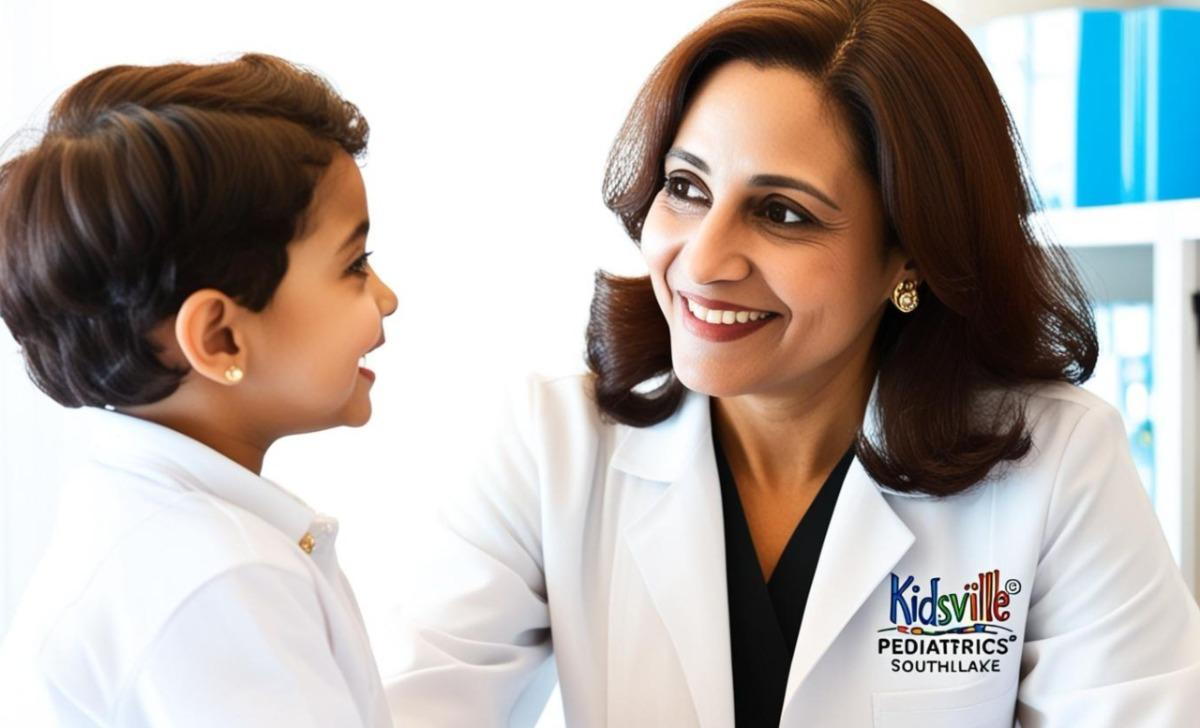
Choosing the right pediatrician for your child is one of the most important decisions you’ll make as a parent. A pediatrician plays a vital role in your child’s health, from infancy through adolescence, offering medical expertise, preventive care, and guidance on development. However, not all pediatricians are the same, and some stand out due to their exceptional qualities. Understanding pediatrician characteristics can help you make an informed choice. Here are ten essential characteristics that define a good Southlake pediatrician.
1. Strong Medical Knowledge and Expertise

A good pediatrician has a deep understanding of pediatric medicine and stays up to date with advancements in the field. They are proficient in diagnosing and managing childhood illnesses, ranging from common colds to complex medical conditions. Their expertise extends beyond treating symptoms—they focus on the overall well-being of a child, ensuring healthy development through routine checkups, vaccinations, and early disease detection.
By following the latest research and guidelines from organizations such as the American Academy of Pediatrics (AAP), they provide evidence-based care tailored to each child's needs.
Furthermore, pediatricians must be lifelong learners. Medicine evolves constantly, and new treatments, vaccines, and recommendations emerge over time. A dedicated pediatrician Southlake expert regularly attends medical conferences, participates in continuing education, and collaborates with colleagues to stay informed. By doing so, they ensure that children receive the highest standard of care, backed by the latest medical knowledge.
2. Excellent Communication Skills

A Southlake pediatrician must be an effective communicator, as they interact with both parents and children. They explain medical conditions, treatment plans, and preventive measures in a way that is easy for parents to understand. They also listen attentively to parents’ concerns, ensuring that their questions are answered with clarity and reassurance.
Additionally, they communicate well with young patients, using age-appropriate language and a gentle tone to ease anxiety. Good communication fosters trust, which is crucial in building a strong doctor-patient relationship.
Moreover, communication extends beyond just verbal interactions. A good Southlake pediatrics expert is also adept at using written resources, online portals, and educational materials to provide parents with accurate and reliable information. They may recommend helpful reading materials, demonstrate proper care techniques, and offer guidance on common childhood issues, ensuring that parents feel confident in managing their child’s health.
3. Compassion and Patience

Caring for children requires a high degree of empathy and patience. Children may be uncooperative, anxious, or unable to articulate how they feel. A good pediatrician approaches every child with kindness, offering a comforting presence that puts them at ease. Their patience allows them to take the necessary time to diagnose and treat children without making them feel rushed. Compassionate pediatricians also support parents, guiding them through difficult moments and reassuring them during health concerns.
Compassion goes beyond bedside manner—it’s about truly understanding the emotional and psychological needs of both children and their families. Southlake pediatricians often encounter worried parents who need reassurance.
Whether addressing developmental concerns, managing chronic illnesses, or simply providing guidance on everyday parenting challenges, a good Southlake pediatric clinic must approach every situation with empathy and genuine care.
4. Strong Problem-Solving Skills

Diagnosing childhood illnesses is not always straightforward. Since children may have difficulty describing their symptoms, pediatricians must rely on their observation skills, medical expertise, and experience to make accurate diagnoses.
The best Southlake pediatrician is an excellent problem solver who quickly assesses situations, considers various possibilities, and determines the best course of action. They think critically and adapt to new information, ensuring that each child receives the most effective treatment.
Additionally, problem-solving skills are vital when addressing developmental, behavioral, and social issues. Pediatricians often work with parents to identify underlying causes of challenges such as sleep difficulties, feeding issues, or behavioral concerns. By taking a comprehensive approach, they help families find solutions that support a child’s overall well-being.
5. Approachability and Friendliness

A pediatrician's demeanor plays a significant role in a child's healthcare experience. A warm and approachable doctor creates a positive environment that makes children feel safe. Good pediatricians greet their patients with a smile, engage them in lighthearted conversations, and even use playful techniques to make medical visits less intimidating. This approachability extends to parents, who should feel comfortable discussing concerns openly and trusting their pediatrician’s recommendations.
Building rapport with children requires creativity and a child-friendly approach. Southlake doctors who use humor, toys, or storytelling to distract young patients during exams help reduce fear and discomfort. The more a child enjoys their visit, the more likely they are to feel comfortable returning for regular checkups.
6. Dedication and Availability

A pediatrician's commitment to their patients goes beyond routine checkups. A dedicated doctor understands that children’s health concerns can arise unexpectedly and ensures they are available when needed. Whether through accommodating urgent appointments, responding to after-hours calls, or following up on a child’s progress, another part in the list of good pediatrician characteristics includes prioritizing patient care. Their dedication also reflects in their continuous learning—staying informed on new treatments, attending medical conferences, and collaborating with other healthcare professionals to enhance their practice.
In addition, a committed pediatrician builds long-term relationships with families. They watch children grow, provide guidance through different life stages, and offer continuous support, making them a trusted figure in a child’s life.
7. Focus on Preventive Care and Child Development

Pediatric care is not just about treating illnesses; it’s also about preventing them. A good pediatrician emphasizes preventive healthcare by educating parents on immunizations, proper nutrition, and healthy lifestyle choices. They monitor a child's growth and developmental milestones, identifying any concerns early and addressing them proactively. Their role extends beyond physical health—they support emotional, cognitive, and social development, ensuring that children thrive in all aspects of life.
Preventive care also involves educating parents on safety, from car seat usage to household accident prevention. A pediatrician who actively discusses safety measures helps reduce risks and promotes a child’s overall well-being.
8. Ability to Build Trusting Relationships

One of the most critical aspects of pediatric care is trust. A good pediatrician builds strong relationships with both children and parents. When a doctor takes time to get to know their patients, listens to their concerns, and treats them with respect, families feel confident in their care. Trust is essential for ensuring open communication, which leads to better health outcomes for the child.
A trusted pediatrician also collaborates with specialists, therapists, and educators when needed, advocating for comprehensive care tailored to each child’s unique needs.
9. Cultural Sensitivity and Inclusivity

Families come from diverse backgrounds, and a good pediatrician respects and understands cultural differences. They are open to different parenting styles, beliefs, and medical preferences, ensuring that all families feel valued and heard. By practicing inclusivity, they provide a comfortable and supportive healthcare experience for children and parents, regardless of their background.
10. Strong Leadership and Teamwork Skills

Pediatricians often work with nurses, specialists, and other healthcare providers to ensure comprehensive care for children. Another element in good pediatrician characteristics is a strong leader and a team player, collaborating effectively to provide the best outcomes for young patients. Their ability to work well with others, delegate responsibilities, and make informed decisions enhances the quality of pediatric care.
Pedia Near Me: Kidsville Pediatrics Southlake
A good pediatrician is more than just a doctor—they are a trusted advocate for your child’s well-being. By embodying these essential pediatrician characteristics, pediatricians ensure that children receive the best possible medical care, guidance, and support throughout their developmental years.
