
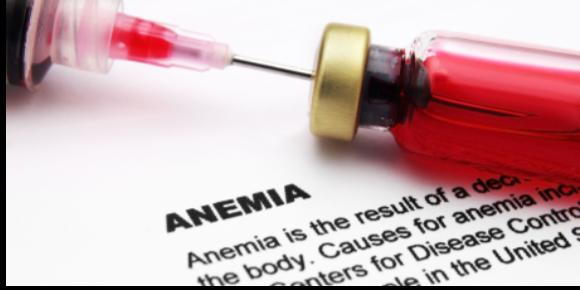
Iron has played a crucial role in human health for centuries, but its importance in nutrition was not fully understood until modern science provided definitive evidence. Ancient civilizations recognized iron’s medicinal benefits, using it to treat various ailments including eradicating childhood anemia symptoms.
The recognition of iron’s significance in nutrition developed over time, beginning with early observations of its role in health and disease. The definitive proof of its necessity for hemoglobin synthesis emerged in 1932. Below is a closer look at key milestones in the discovery and understanding of iron’s nutritional importance:
Ancient Times:
Civilizations such as the Egyptians, Hindus, Greeks, and Romans acknowledged iron’s medicinal properties and its connection to health and disease.
17th Century:
Iron was used as a treatment for chlorosis (also known as green sickness), a condition now understood to result from iron deficiency.
1713:
French chemists Nicolas Lemery and François Geoffroy were the first to demonstrate the presence of iron in blood.
1925:
Researchers Fontes and Thivolle identified the existence of non-hemoglobin iron.
1932:
Scientific consensus was reached when it was conclusively proven that inorganic iron is essential for hemoglobin synthesis.
1937:
A breakthrough in iron research occurred when Laufberger successfully crystallized ferritin from horse spleen, deepening the understanding of iron storage.
Modern Nutrition Science:
The study of nutrient deficiencies led to the widespread fortification of staple foods, such as wheat flour and bread, with iron to combat anemia and improve public health.
Childhood Anemia Symptoms

1. Fatigue and Weakness
One of the most noticeable childhood anemia symptoms is excessive tiredness. A child with anemia may appear constantly fatigued, lack energy for play or school activities, and may even struggle to keep up with daily routines. They may seem more sluggish than usual, preferring to rest instead of engaging in physical activities.
2. Pale Skin
Southlake pediatricians emphasize that a lack of red blood cells can result in paler-than-normal skin, lips, hands, or the inside of the eyelids. Parents may notice that their child looks unusually pale, especially in areas where blood flow is normally more visible.
3. Irritability
Children with anemia may become more irritable, fussy, or difficult to console. This mood change often results from the body’s struggle to get enough oxygen, affecting brain function and energy levels.
4. Rapid Heartbeat
Southlake doctors explain that anemia forces the heart to work harder to deliver oxygen throughout the body. This increased workload may lead to a faster-than-normal heart rate, which can sometimes be noticeable when a child is at rest or after mild activity.
5. Shortness of Breath
With insufficient oxygen circulating in the bloodstream, a child with anemia may experience shortness of breath, particularly during physical activity. They may get winded more easily while running, playing, or even walking up stairs.
6. Dizziness or Lightheadedness
Anemia can cause dizziness, especially when a child stands up too quickly. This happens due to reduced oxygen supply to the brain, leading to brief episodes of lightheadedness or feeling faint.
7. Unusual Cravings (Pica)
Some children with anemia may develop pica, a condition that causes cravings for non-food items like ice, dirt, chalk, or starch. A pediatrician in Southlake can assess whether these unusual cravings are linked to iron deficiency anemia and recommend appropriate treatment.
8. Sore or Swollen Tongue
Iron deficiency anemia can cause the tongue to become inflamed, swollen, or unusually smooth. This discomfort may make it difficult for the child to eat or speak normally.
9. Cold Hands and Feet
Poor circulation due to anemia can cause the extremities, such as the hands and feet, to feel unusually cold, even in warm conditions. This happens because the body prioritizes oxygen delivery to vital organs over the limbs.
10. Headaches
Frequent headaches can be another symptom of anemia, as the brain may not be receiving enough oxygen-rich blood. Children experiencing anemia-related headaches may struggle with concentration and focus, and a Southlake pediatrician can help identify the underlying cause.
11. Brittle Nails
A child with anemia may develop brittle or spoon-shaped nails that break easily. This is a common sign of iron deficiency anemia, indicating that the body is struggling to produce enough healthy red blood cells.
12. Poor Appetite
Anemia can affect a child's interest in food, leading to a decreased appetite. This can create a cycle where nutritional intake suffers, worsening the deficiency and childhood anemia symptoms.
13. Difficulty Concentrating or Thinking
Oxygen is essential for brain function, and a child with anemia may have trouble concentrating, learning, or remembering information. This can affect school performance and daily tasks.
14. Poor Sleep
Other childhood anemia symptoms include experiencing trouble falling asleep or staying asleep. Disruptions in sleep patterns can further contribute to fatigue and mood changes.
Iron is essential for children’s health, as it helps ensure that the body’s cells receive enough oxygen. It plays a critical role in the production of red blood cells, which transport oxygen throughout the body. Without sufficient iron, children may develop anemia, a condition that can lead to fatigue, weakness, and difficulty concentrating. The best Southlake pediatric clinic can provide guidance on maintaining healthy iron levels to support children's overall growth and development.
Iron is also vital for brain function, supporting memory, learning, and overall cognitive development. A deficiency can make it harder for a child to think clearly and retain information, which can impact academic performance and daily activities.
Despite its importance, iron deficiency is one of the most common nutrient deficiencies in children in the United States. Research estimates that up to 15 percent of toddlers may not be getting enough iron, increasing their risk of developmental delays and other health issues.
How Much Iron Do Children and Adolescents Need?

Children require different amounts of iron depending on their age and stage of growth:
0-6 months: Full-term infants have enough stored iron to last until about 4 to 6 months and usually do not need supplements. However, premature babies may require daily iron supplementation.
6-12 months: 11 mg per day
1-3 years: 7 mg per day
4-8 years: 10 mg per day
9-13 years: 8 mg per day
14-18 years (girls): 15 mg per day
14-18 years (boys): 11 mg per day
It is important for children to consume iron-rich foods regularly, even when introducing solid foods to infants.
Best Sources of Iron for Children

There are two types of dietary iron:
Heme iron (from animal sources) is the most easily absorbed form of iron. It is found in foods such as beef, turkey, chicken, and shellfish. The body absorbs heme iron up to five times more efficiently than non-heme iron.
Non-heme iron (from plant-based sources) is still beneficial but is absorbed less efficiently. Good sources include spinach, peas, lentils, soybeans, and iron-fortified cereals.
Cooking with cast iron cookware can also increase the iron content of meals, particularly when preparing foods that contain vitamin C, such as tomatoes or cabbage.
Maximizing Iron Absorption
Certain nutrients and dietary choices can either enhance or inhibit iron absorption.
Foods That Improve Iron Absorption

Pairing iron-rich foods with sources of vitamin C can significantly boost iron absorption. A few of the best vitamin C sources are:
Oranges
Strawberries
Kiwi
Bell peppers
Tomatoes
Papaya
Cabbage
Foods That Reduce Iron Absorption
Calcium, while essential for bone health, can interfere with the body’s ability to absorb iron. Dairy products such as milk, cheese, and yogurt can bind to iron and reduce its availability. To ensure proper iron absorption, it is best to:
Offer dairy at different times of the day rather than alongside iron-rich foods.
Limit total dairy intake to 20 ounces per day for young children.
If an iron supplement is necessary, take it with juice or water rather than milk.
Pediatrician Near Me: Kidsville Pediatrics Southlake
If your child is over six months old and is not consuming enough iron-rich foods, consult a healthcare provider about whether an iron supplement may be needed.
If your child exhibits any of these childhood anemia symptoms, especially persistent fatigue, paleness, irritability, or unusual cravings, it’s important to consult a healthcare provider. A pediatrician Southlake expert can perform blood tests to diagnose anemia and recommend appropriate treatment, such as dietary changes or iron supplements. Early detection and management can prevent complications and ensure your child remains healthy and active.
