
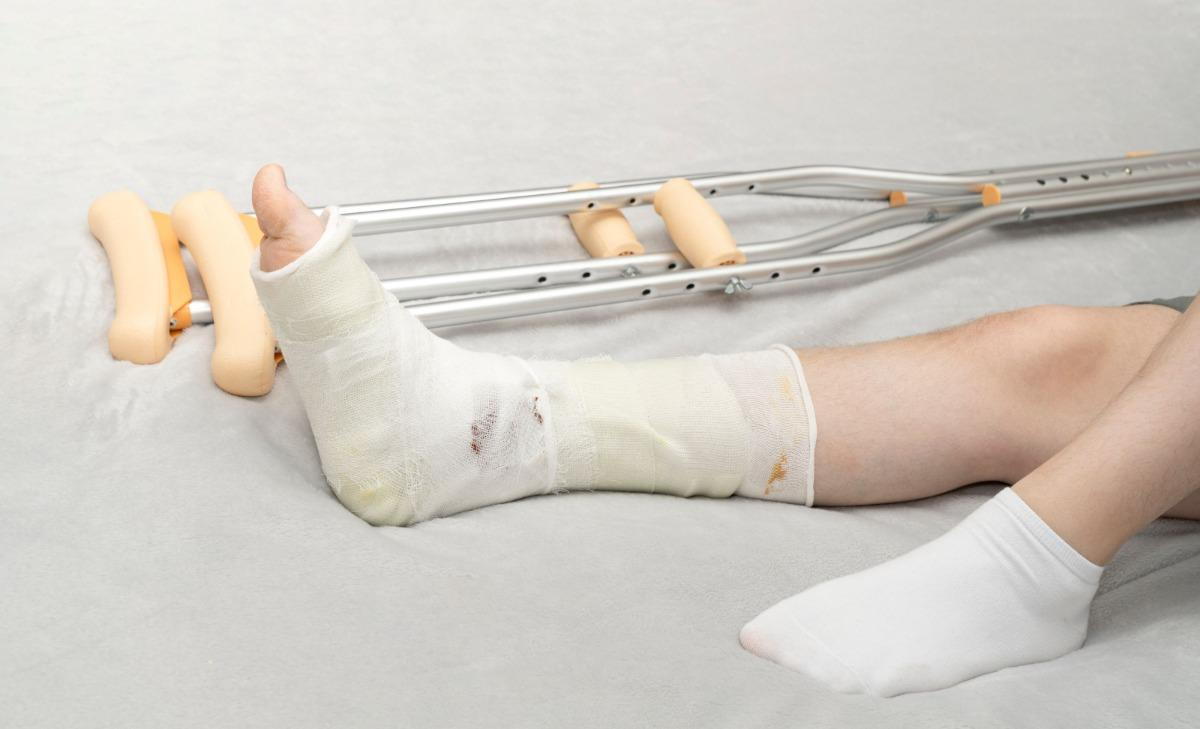
Osteogenesis imperfecta (OI), commonly known as brittle bone disease, is a rare genetic disorder present at birth that affects the bones, making them fragile and prone to fractures. Children with OI may experience soft or abnormally formed bones, leading to frequent fractures and other complications. The severity of the condition can vary widely, ranging from mild cases with occasional fractures to severe forms that can be life-threatening. This article will explore the causes, types, symptoms, diagnosis, treatment, and management of osteogenesis imperfecta in children.
What Causes Osteogenesis Imperfecta in Children?

Osteogenesis imperfecta is caused by a genetic mutation that affects the body's ability to produce collagen, a vital protein that forms the structural foundation of bones and connective tissue. In most cases, the mutation affects one of two specific genes responsible for collagen production. This results in either insufficient collagen or abnormal collagen that lacks the strength to support normal bone structure.
OI can be inherited in two primary ways: Autosomal Dominant Inheritance, where the gene mutation is inherited from one parent who also has OI, giving the affected parent a 50% chance of passing the mutated gene to their child, and Autosomal Recessive Inheritance, which is rarer and occurs when both parents carry a mutated gene without having the disorder themselves. If both parents pass the gene to their child, the child will develop OI. In some cases, the genetic mutation occurs spontaneously without being inherited, meaning a child with OI may have no family history of the disorder.
Types of Osteogenesis Imperfecta
There are at least eight recognized types of osteogenesis imperfecta, each varying in severity and characteristics. The types differ based on inheritance patterns and the specific gene mutations involved.
Type I, the mildest and most common form, accounts for about 50% of all cases. Children with this type have relatively few fractures and minimal bone deformity. While their bones are more fragile than usual, the risk of fractures typically decreases after puberty. Families seeking care for children with Type I at any McKinney clinic can expect compassionate support and personalized treatment plans. Common symptoms of Type I include mild bone fragility, blue sclera (a blue tint to the whites of the eyes), potential hearing loss in early adulthood, and slight spinal curvature.
Type II is the most severe form of OI, and tragically, it is often fatal shortly after birth. Babies born with Type II have severely underdeveloped bones, including very short limbs, a small chest, a soft skull, and underdeveloped lungs. Multiple fractures may be present at birth, along with low birth weight and respiratory difficulties. Unfortunately, most infants with Type II OI do not survive beyond the first few weeks of life due to respiratory complications.
Type III is characterized as severe and progressive, with children typically surviving infancy but facing significant complications throughout life. Families looking for a pediatrician McKinney, TX professional can find specialized care to address the unique needs of children with this condition. They may have a short stature with shortened arms and legs, a large head with a triangular face, a curved spine, and frequent bone fractures leading to deformities. Respiratory and swallowing problems are also common, and while life expectancy may be longer than with Type II, the quality of life can be significantly affected by chronic pain and limited mobility.
Type IV represents moderate severity and lies between Types I and III in terms of symptoms. Children with this type often exhibit bowed long bones, frequent fractures, and mild to moderate bone deformities. Though their height is usually below average, they can achieve some level of independence with appropriate medical care and rehabilitation.
Type V shares many characteristics with Type IV but has unique features like hypertrophic calluses at fracture sites and restricted forearm rotation.
Type VI is extremely rare and resembles Type IV in many aspects but has distinct histological features when examined under a microscope. Families seeking a pediatrician McKinney expert can find comprehensive care and support for managing this condition.
Types VII and VIII, also rare, range from moderate to severe and often present with short stature, shortened upper arm and thigh bones, severe bone fragility, and growth deficiencies. These types may also feature soft, brittle bones prone to deformation, making daily activities more challenging.
Osteogenesis Imperfecta Symptoms in Children
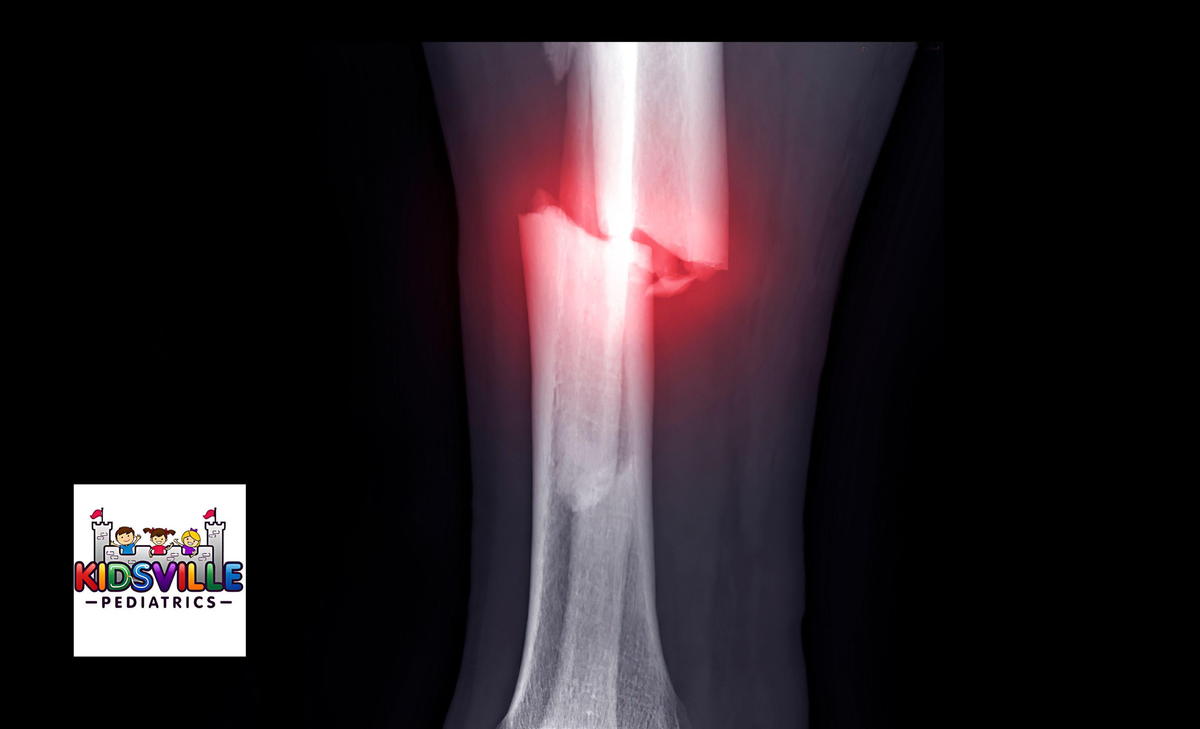
Symptoms of OI can vary greatly, even among children with the same type. Common symptoms include frequent fractures that occur with minimal or no trauma, bone deformities such as bowed legs or curved spine, and blue or gray sclera due to thin collagen layers in the eyes. Hearing loss, often developing in early adulthood, is linked to abnormalities in the middle ear bones.
Additionally, some children experience dental problems like brittle or discolored teeth (dentinogenesis imperfecta), muscle weakness, joint laxity, a barrel-shaped chest from rib deformities, and a triangular face commonly seen in some types of OI. It is crucial to consult McKinney pediatrics doctors if these symptoms arise, as they may indicate OI or another medical condition.
Diagnosing Osteogenesis Imperfecta in Children
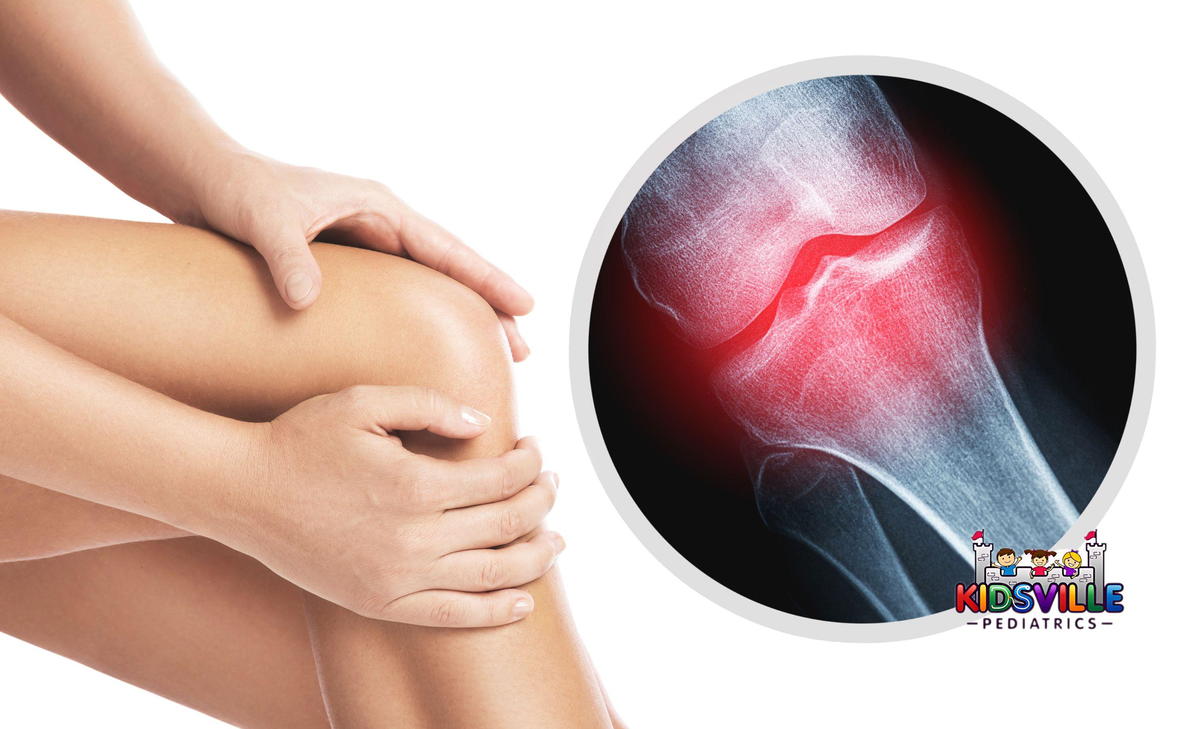
Diagnosis of OI usually involves a combination of medical history, physical examination, and diagnostic testing. Pediatrician McKinney experts may use X-rays to detect bone deformities, fractures, and skeletal abnormalities.
Genetic testing is essential to identify mutations in collagen-producing genes, while a DEXA scan measures bone mineral density to assess bone strength. In some cases, a bone biopsy may be performed to examine tissue for structural abnormalities. Early diagnosis is vital as it allows healthcare providers to initiate treatment promptly and manage symptoms more effectively.
Treatment and Management of Osteogenesis Imperfecta
The main goal of treating OI is to reduce the risk of fractures, preserve mobility, and improve the child’s quality of life. Families looking for expert care can rely on McKinney pediatricians to develop personalized treatment plans.
One of the most common treatments is bisphosphonate therapy, which helps increase bone density and reduce the likelihood of fractures. Fracture care often involves lightweight casting and encouraging movement as soon as it is safe to maintain muscle strength.
Physical and occupational therapy play a crucial role in promoting mobility and maintaining muscle function, while orthopedic surgery may be necessary to correct bone deformities or stabilize fragile bones through rod placement. Assistive devices such as wheelchairs, walkers, and braces can support mobility and independence.
Living with Osteogenesis Imperfecta: Coping and Support
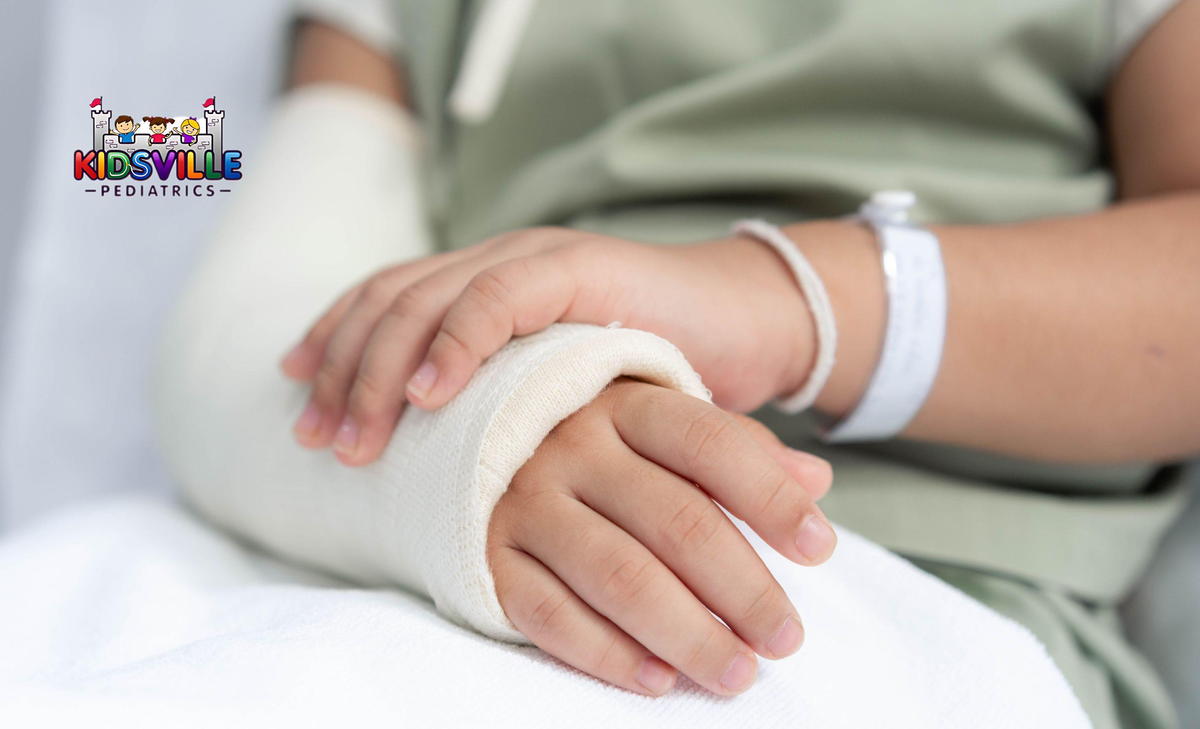
Children living with OI face both physical and emotional challenges. Parents and caregivers can support their well-being by providing safe environments that minimize fall risks, promoting independence within safe limits, and offering consistent emotional support to build confidence and resilience.
Regular pediatric healthcare McKinney professional visits with pediatric specialists are essential for monitoring growth and addressing complications as they arise. Children with OI may also benefit from specialized education programs and counseling to cope with physical limitations and social challenges.
Complications and Long-Term Outlook
Children with OI may encounter several long-term complications, including respiratory issues such as pneumonia caused by weak chest muscles and deformities, hearing loss resulting from abnormal middle ear bones, cardiovascular issues like valve abnormalities, and progressive bone deformities that can worsen over time. Managing these complications requires a multidisciplinary healthcare approach, including McKinney pediatricians, orthopedic surgeons, physical therapists, and genetic counselors.
Pedia Near Me: Kidsville Pediatrics McKinney
Osteogenesis imperfecta is a complex and lifelong condition that significantly impacts physical and emotional well-being. While there is no cure, advances in medical research continue to improve treatment options, helping children with OI lead more fulfilling lives. Early diagnosis and proactive management are essential to optimizing outcomes, and a supportive healthcare team can make a significant difference. If you suspect your child may have OI or observe unexplained fractures and bone deformities, seeking prompt medical evaluation is crucial for developing a personalized care plan and enhancing your child's quality of life.
