
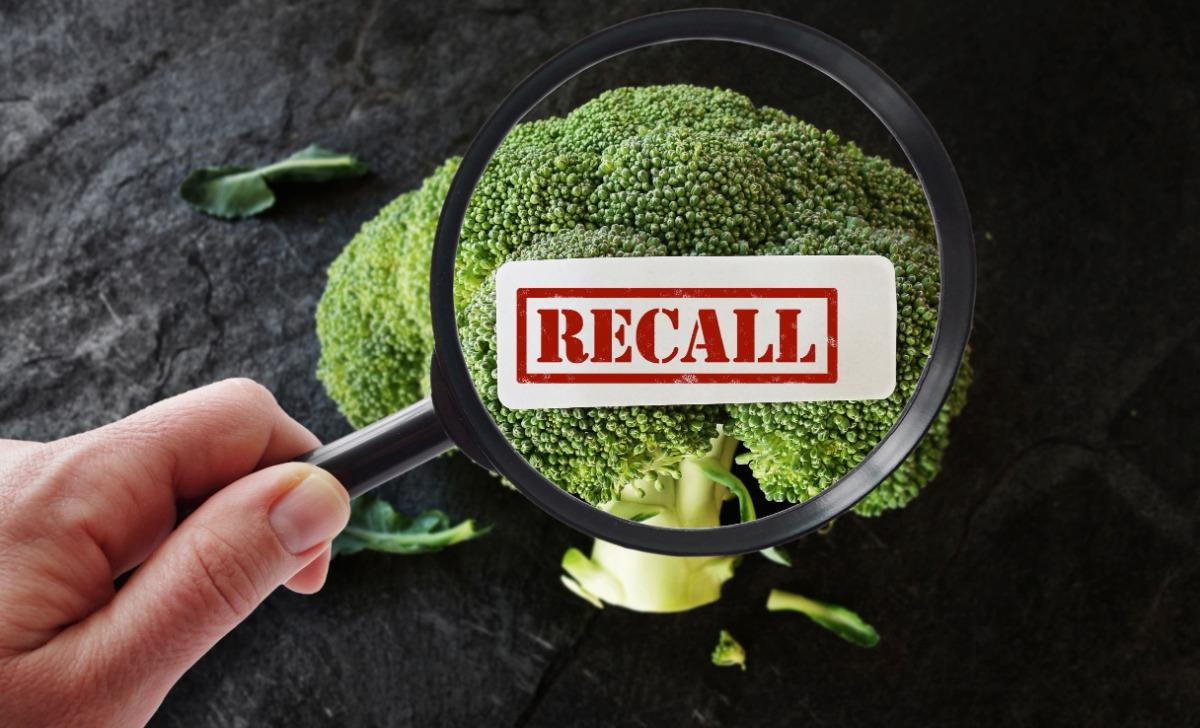
Food safety is a top priority for parents. Every meal prepared for children comes with the expectation that it is safe and nutritious. However, recent food recalls in the United States have revealed hidden dangers in everyday products, from contaminants to undeclared allergens and foreign objects. Understanding these recalls and taking proactive steps can help protect families from potential health risks.
Major Food Recalls in the U.S.
Over the past year, multiple food recalls have raised serious safety concerns. Some of the most significant cases include:
1. Heavy Metal Contamination in Baby Food

Several major baby food brands, including Walmart’s Parent’s Choice, Beech-Nut, and Gerber, have faced scrutiny due to toxic heavy metals such as arsenic, lead, cadmium, and mercury in their products. Studies suggest prolonged exposure to these metals may contribute to developmental disorders, including autism and ADHD. While companies argue these elements occur naturally in soil, consumer advocates push for stricter regulations to safeguard children's health.
Heavy metal exposure is particularly concerning in developing children, as their bodies absorb contaminants more readily than adults. McKinney pediatricians recommend that parents diversify their child’s diet and choose fresh, whole foods whenever possible. Additionally, homemade baby food, made from organic produce, can reduce the risk of exposure to harmful metals.
2. Foreign Objects in Snacks and Drinks

Tony’s Chocolonely Chocolate Bars: Recalled due to small stones found in certain batches.
Chomps Beef Sticks (sold at Costco): Pulled from shelves after metal fragments were discovered inside.
Certain Coca-Cola Cans: Reports of plastic pieces in cans sold in Illinois and Wisconsin led to recalls.
Foreign objects in food pose choking hazards and potential internal injuries, making recalls like these particularly concerning for families with young children. Food production facilities must uphold strict quality control measures to prevent contamination. However, parents should remain vigilant and inspect food before serving it to their children. If you’re looking for expert guidance or have concerns, reaching out to a pediatrician McKinney expert can provide peace of mind.
3. Dairy and Egg Contaminations

Happy Farms Colby Jack Cheese (Aldi): Recalled due to possible stainless steel contamination.
Liquid Egg Products (Egg Beaters & Bob Evans): Over 212,000 pounds recalled for potential bleach contamination.
Dairy and egg products are essential components of many children’s diets, but contamination can lead to serious health complications. Parents should be aware of proper food storage methods and check product recalls frequently to avoid serving potentially harmful products. If you have concerns about your child’s health or nutrition, consulting with McKinney pediatricians can offer valuable insights and guidance.
4. Undeclared Allergens in Popular Foods

Trader Joe’s recalled its Hot Honey Mustard Dressing after discovering undeclared peanuts and soy—both of which can trigger severe allergic reactions. Mislabeled products pose life-threatening risks for individuals with food allergies.
Food allergies in children have been on the rise, making it crucial for parents to read ingredient labels carefully. Even small traces of an allergen can trigger serious reactions, such as anaphylaxis. Carrying an epinephrine auto-injector for children with severe allergies and educating them about food safety is essential.
5. Bacterial Contamination in Packaged Goods

Dole Packaged Salads: Recalled due to Listeria monocytogenes contamination, which can cause serious illness in children, pregnant women, and those with weakened immune systems.
Jif Peanut Butter: Pulled from shelves after being linked to a Salmonella outbreak affecting dozens of consumers.
Tyson Chicken Nuggets: Recalled due to possible contamination with rubber particles.
Bacterial contamination can lead to foodborne illnesses, which may result in hospitalization for young children. Practicing safe food handling, including washing hands and cooking foods to proper temperatures, can help reduce the risk of infection. If your child shows symptoms of foodborne illness, it's important to consult a McKinney doctor for timely treatment and advice.
Why Food Recalls Matter for Parents
Children are particularly vulnerable to foodborne hazards due to their developing immune systems. Some risks include:
Choking Hazards: Small foreign objects can be life-threatening.
Foodborne Illnesses: Bacteria like Salmonella, Listeria, and E. coli can cause severe infections.
Long-Term Health Effects: Heavy metal exposure has been linked to cognitive and behavioral issues.
Severe Allergic Reactions: Undeclared allergens can trigger anaphylaxis, a potentially fatal reaction.
How Parents Can Stay Informed and Protect Their Families

1. Stay Updated on Recalls
Regularly check recall lists on official government websites:
FDA Recalls, Market Withdrawals, and Safety Alerts
USDA Food Safety and Inspection Service (FSIS)
Consumer Product Safety Commission (CPSC)
Subscribing to recall alerts and following these agencies on social media can help families stay informed in real-time.
2. Inspect Food Packaging and Labels
Before purchasing or serving food, check for:
Expiration dates and freshness indicators
Damage, dents, or leaks that may suggest contamination
Ingredient lists for allergens or unusual additives
3. Be Cautious with Processed Baby Foods
Due to concerns over heavy metals, parents may want to:
Prepare homemade purees using fresh, organic produce
Rotate food choices to minimize exposure to potential contaminants
Choose brands that conduct third-party safety testing
4. Store and Prepare Food Safely
Even safe food can become hazardous if mishandled. Follow these practices:
Refrigerate perishables promptly to prevent bacterial growth.
Keep raw meats separate from ready-to-eat foods.
Cook meats and eggs thoroughly to eliminate harmful bacteria.
Wash fruits and vegetables to remove pesticides and dirt.
5. Teach Kids About Food Safety
Help children understand:
How to recognize spoiled food (e.g., mold, unusual smells)
The importance of washing hands before eating
Why they should avoid sharing unverified snacks at school
What to Do If Your Child Eats a Recalled Product

If your child consumes a recalled food item:
Monitor Symptoms: Watch for signs like vomiting, diarrhea, or fever. For allergic reactions, look for hives, swelling, or difficulty breathing.
Seek Medical Help: Contact your pediatrician if symptoms appear.
Report the Issue: Notify the FDA or USDA if your child experiences an adverse reaction.
Dispose of the Product: Do not attempt to clean or cook contaminated food—discard it immediately.
Advocating for Safer Food Policies

Parents can push for better food safety by:
Supporting stricter limits on harmful contaminants in baby food
Encouraging clearer allergen labeling on products
Holding food manufacturers accountable for safety breaches
Promoting more frequent and transparent food testing
With food recalls happening frequently, parents must remain vigilant. By staying informed, selecting trusted brands, handling food properly, and educating children, families can minimize health risks. Food safety isn’t just about what’s on the plate—it’s about protecting our children’s well-being every day.
