
As parents, we often think of cholesterol as an adult concern—something to monitor after a certain age or only after a doctor’s warning. But did you know that cholesterol plays a role in your child’s health from a very young age? While it may seem surprising, understanding cholesterol and how it affects children is vital for ensuring long-term well-being. Whether your child is a picky eater, a little too fond of sugary snacks, or has a family history of heart disease, it’s important to start the conversation early.
Let’s break down what cholesterol is, why it matters in children, and how Southlake pediatrics experts can help families stay on the right track.
What Is Cholesterol?

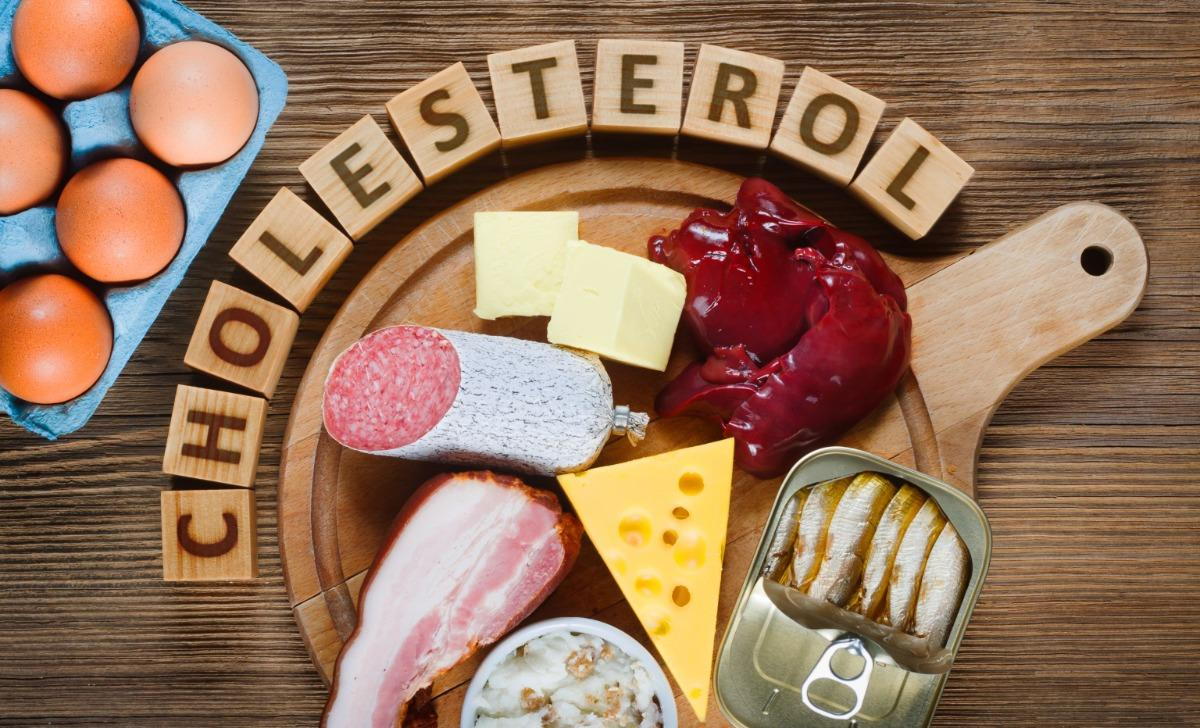
Cholesterol is a waxy, fat-like substance found in every cell of the body. It’s essential for building cells and producing hormones, vitamin D, and substances that help digest food. Our bodies make all the cholesterol we need, but we also get it from the food we eat—especially animal products like meat, cheese, and eggs.
There are two main types of cholesterol:
LDL (Low-Density Lipoprotein): Commonly known as “bad” cholesterol, as elevated levels can cause plaque to accumulate in the arteries.
HDL (High-Density Lipoprotein): The “good” cholesterol that helps remove LDL from the bloodstream.
Triglycerides, another type of fat found in the blood, also play a role. High triglycerides combined with high LDL and low HDL can increase a child’s risk of heart disease later in life.
Why Cholesterol Matters in Childhood

Cholesterol problems may seem like a grown-up issue, but studies show that early signs of heart disease can begin in childhood. In fact, fatty streaks—the beginning stages of plaque buildup in arteries—can start forming as early as age 10. That’s why pediatrician Southlake experts take cholesterol seriously and why early monitoring can make a big difference.
Several factors can contribute to elevated cholesterol in kids:
Poor diet
Lack of exercise
A family history of elevated cholesterol or early-onset heart disease
Underlying conditions like diabetes or thyroid disorders
Recommended Cholesterol Screening for Kids

According to the American Academy of Pediatrics, universal cholesterol screening is recommended:
Once between ages 9–11
Again between ages 17–21
Children with additional risk factors—such as obesity, high blood pressure, diabetes, or a family history of early heart disease—may need to be tested as early as age 2.
The test is a simple blood draw, often done after a 12-hour fast, that measures total cholesterol, LDL, HDL, and triglycerides.
Understanding the Numbers
Here’s a general guide to cholesterol levels for children (in mg/dL):
Total Cholesterol
Acceptable: Less than 170
Borderline: 170–199
High: 200 or more
LDL (Bad) Cholesterol
Acceptable: Less than 110
Borderline: 110–129
High: 130 or more
HDL (Good) Cholesterol
Acceptable: More than 45
Low: Less than 40
These numbers provide a snapshot of your child’s heart health, and your pediatrician Southlake TX expert will walk you through what they mean for your child’s specific situation.
How Southlake Pediatricians Help Manage Cholesterol

If your child’s cholesterol is outside the healthy range, don’t panic. Southlake pediatricians help parents develop realistic, step-by-step plans to manage and improve cholesterol levels. This often starts with simple but powerful lifestyle changes, including:
1. Healthy Eating Habits
Focus on a balanced diet rich in:
Fruits and vegetables
Whole grains
Lean proteins (chicken, fish, legumes)
Healthy fats (olive oil, avocado, nuts)
Limit:
Fried foods
Processed snacks
Sugary drinks
Foods high in saturated and trans fats
A pediatrician in Southlake may also refer families to pediatric dietitians for more tailored nutrition support.
2. Physical Activity
Children should get at least 60 minutes of moderate to vigorous physical activity daily. This includes:
Biking or swimming
Sports or dance classes
Even active play like tag or hopscotch helps keep cholesterol levels in check.
3. Weight Management
If your child is overweight, your pediatrician may discuss gradual and sustainable weight loss strategies to improve overall health and lower cholesterol naturally.
4. Medication (When Necessary)
In rare cases—especially when genetic disorders like familial hypercholesterolemia are involved—medication such as statins may be recommended. This is generally reserved for children over age 10 and only after lifestyle changes have not been effective.
Red Flags Parents Should Watch For

Cholesterol doesn’t usually come with obvious symptoms, which is why regular checkups are essential. However, some warning signs of associated health risks include:
Rapid weight gain
Fatty deposits in the skin (xanthomas)
Chest pain or shortness of breath (in extreme cases)
If your child has any of these symptoms or a strong family history of heart disease, talk to your Southlake pediatrician.
Starting Healthy Habits Early

The habits children develop in early childhood often carry into adolescence and adulthood. Teaching your child to love fruits and veggies, choose water over soda, and enjoy being active not only supports heart health but builds a foundation for lifelong wellness.
This is where pediatric care plays a crucial role. Routine visits are more than just height and weight checks—they’re an opportunity to:
Screen for hidden risks like high cholesterol
Discuss nutrition and physical activity
Tailor health plans to fit your child’s individual needs and circumstances.
Pediatricians are your partners in keeping your child healthy, inside and out. At practices like Kidsville Pediatrics Southlake, Dr. Naureen Ameen and her team understand the importance of early prevention when it comes to heart health. From early screening to helping families navigate lifestyle changes, your child’s pediatrician offers the guidance you need every step of the way.
Whether you’re unsure about your child’s cholesterol risk or simply want to be proactive, scheduling a checkup is a great place to start. Your child’s heart will thank you.
Cholesterol isn’t just something to worry about in middle age. It’s a factor in your child’s health today and a powerful predictor of their future well-being. With the right information, regular pediatric care, and small changes at home, you can help your child grow into a healthy, heart-strong adult.
If you haven’t already, consider discussing cholesterol screening at your child’s next well visit. Early knowledge and prevention make all the difference—and you don’t have to do it alone. With trusted support from pediatricians like those at Kidsville Pediatrics Southlake, you’re giving your child the best possible start to a lifetime of heart health.
