
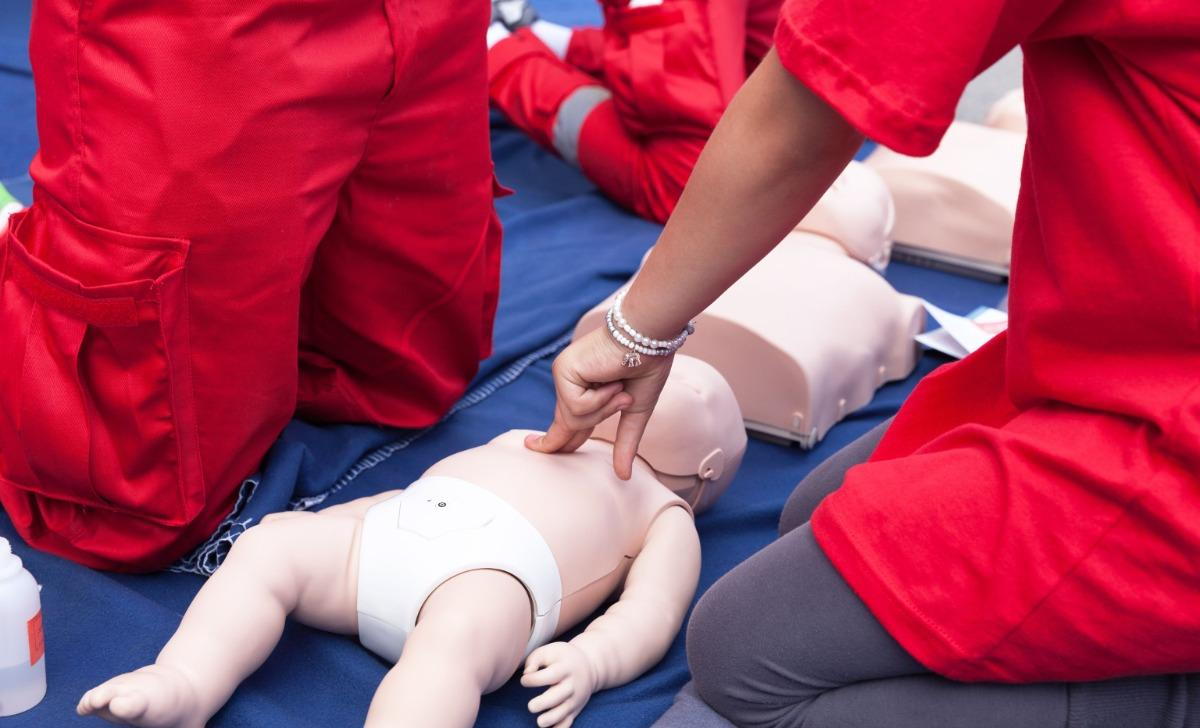
Summer is just around the corner—a season filled with pool parties, beach outings, and family time near the water. But with all the fun comes a serious reminder: accidental drowning remains one of the leading causes of death for children, especially toddlers and young kids under the age of five. Drowning is often silent, fast, and in many cases, tragically preventable. That’s why every parent, caregiver, and guardian should understand the risks and be prepared. One of the most powerful tools in protecting children around water is being trained in pediatric first aid and CPR—a skill set that can truly make the difference in the critical moments following a drowning emergency.
Understanding the Risks Around Water

Children are naturally curious, especially when it comes to water. Unfortunately, they often don’t understand its dangers. Toddlers may lean too far over the edge of a pool or slip into a bathtub while trying to play. Young swimmers might overestimate their ability or venture into deeper water. Even shallow bodies of water like fountains, kiddie pools, and buckets can pose serious drowning hazards to very young children. A Southlake pediatrician will often remind families that it only takes a few inches of water for a child to drown—and in many cases, it happens in less than a minute.
Supervision: The First Line of Defense
The single most effective way to prevent drowning is constant, undistracted supervision. Children in or near water should never be left alone—not even for a moment. That means putting phones away, postponing chores, and giving 100% of your attention when kids are playing near any body of water. Southlake pediatrics experts emphasize the importance of staying within arm’s reach of younger children, often referred to as “touch supervision.”
Designate a “water watcher” during group gatherings, such as pool parties or beach days. This is an adult who takes turns staying alert and sober, actively watching all children in the water. Rotating the role every 15 minutes helps avoid fatigue and keeps attention fresh.
Creating a Safe Environment at Home

Most childhood drownings occur in home settings. That’s why it’s critical to make your environment as safe as possible. If you have a pool or hot tub, install a four-sided fence that separates the pool from the house, with a self-closing, self-latching gate. Pool alarms and safety covers add another layer of protection but should never replace supervision.
Always empty buckets, bathtubs, and kiddie pools immediately after use. Store them upside down to prevent rainwater accumulation. Keep toilet lids closed and consider childproof latches for bathroom doors if you have toddlers who like to explore. Kidsville Pediatrics regularly reminds parents that these small steps can make a big difference in preventing household water hazards.
In the home, make sure water heaters are set to a safe temperature to prevent scalding during bath time. Use slip-resistant mats and never rely on older siblings to supervise infants or toddlers in water, no matter how responsible they may seem.
The Role of Swimming Lessons

Teaching children how to swim is one of the most powerful tools in drowning prevention. Even toddlers as young as one year old can benefit from water safety classes that focus on floating, kicking, and reaching the pool edge. While swim lessons don’t make a child “drown-proof,” they significantly reduce risk and increase confidence in and around water.
Choose programs that are age-appropriate, taught by certified instructors, and include safety skills like floating on the back, treading water, and knowing how to exit a pool. For older kids, lessons should also incorporate basic rescue strategies and the importance of never swimming alone. It's a great complement to training in pediatric first aid and CPR, especially for parents who want to be fully prepared.
Essential Water Safety Rules for Children

No matter how strong a swimmer your child becomes, they still need to follow water safety rules every single time, as advised by your pediatrician Southlake TX professionals. These should be non-negotiable in your household:
Always swim with an adult present
No running or horseplay near water
No diving in shallow areas
Use life jackets when boating or around open water
Get out of the water during storms or lightning
When it comes to life jackets, make sure they are U.S. Coast Guard-approved and fit your child snugly. Floaties and inflatable toys are not a substitute for life jackets or supervision.
Recognizing the Signs of Drowning

One of the most misunderstood facts about drowning is that it’s often silent. Movies and TV portray it with loud splashing and shouting, but real-life drowning is typically quiet. A child may slip beneath the surface with little to no warning. They may not be able to call for help, and their arms might instinctively move to press down on the water, not wave. Southlake pediatric clinic experts emphasize the importance of recognizing the signs of drowning and being prepared to act quickly.
Watch for these subtle signs:
Head just below the water, with the mouth at level with the surface
Gasping or hyperventilating
Eyes closed or glassy
Vertical position with no leg movement
Trying to roll over onto the back
Appearing to be climbing an invisible ladder
If something doesn’t look right, don’t hesitate—check immediately. It’s better to investigate a false alarm than to miss a real emergency.
What to Do if a Child is Drowning
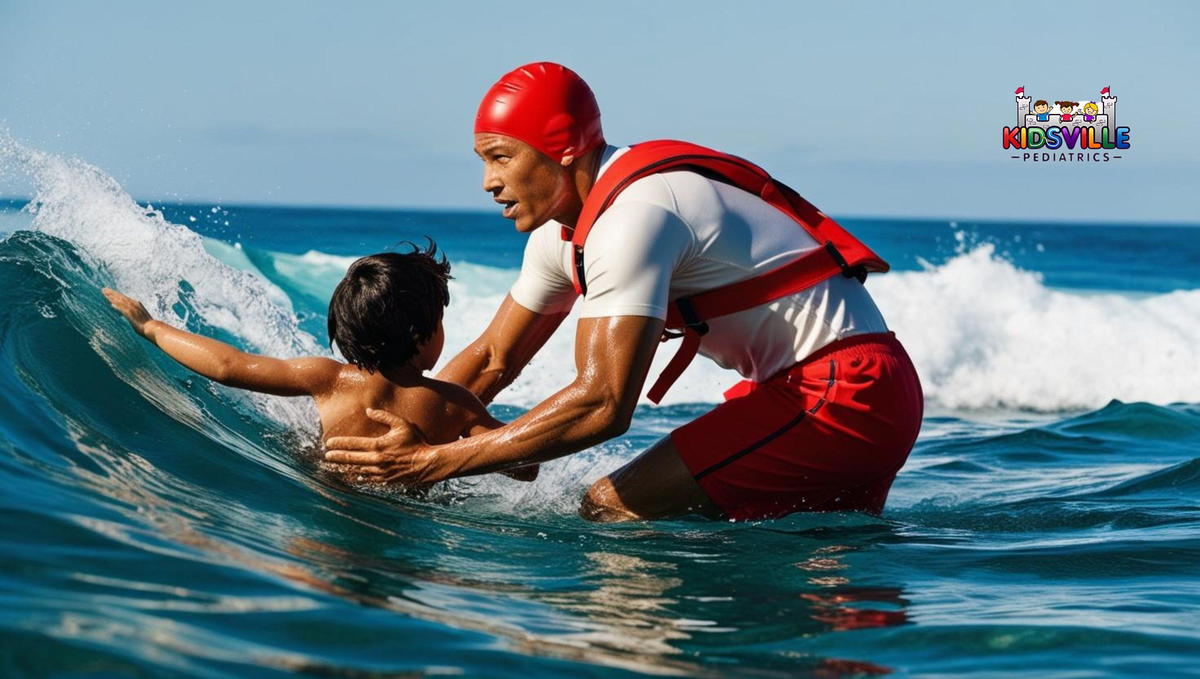
If you witness a child drowning, know that every second matters. Call for help as loudly as possible and get the child out of the water. If you’re alone, and the child is unresponsive, begin rescue efforts immediately and call 911 as soon as you're able or ask someone nearby to make the call for you.
Lay the child on a firm surface and check for breathing and responsiveness. If the child is not breathing and has no pulse, start chest compressions and rescue breaths using pediatric first aid and CPR techniques. Compressions should be about 1.5 inches deep for infants and 2 inches for older children, at a rate of 100–120 per minute. After every 30 compressions, give two gentle breaths and continue until emergency responders arrive or the child starts breathing.
If the child is unconscious but breathing, position them on their side with their head slightly tilted back to keep the airway clear and prevent choking.
The Importance of Pediatric First Aid and CPR Training
Every caregiver, teacher, babysitter, and parent should be trained in pediatric first aid and CPR. These lifesaving skills can make the difference between life and death in a drowning incident. CPR performed immediately after drowning, even by a bystander, greatly improves survival chances and outcomes.
Courses are widely available through the American Red Cross, the American Heart Association, and local hospitals or community centers. Many offer flexible options, including in-person classes and blended online/in-person learning. Taking the time to become certified not only empowers you as a caregiver—it gives you peace of mind knowing you’re prepared for the unexpected, as recommended by any pediatrician in Southlake.
Responding to Drowning-Related Emergencies
Even after a near-drowning rescue, medical evaluation is crucial. Some children may seem fine at first but develop respiratory problems hours later due to inhaled water. If you notice coughing, labored breathing, fatigue, or confusion after a water incident, seek emergency care immediately.
Your pediatric first aid and CPR training will also help you stay calm and assess what’s needed in the moment—whether that’s supporting breathing, treating for shock, or helping with emotional trauma. Recovery can be physical and psychological, and your preparedness plays a key role in both.
Creating a Culture of Safety
Water safety isn’t just a seasonal concern—it’s a year-round priority. By talking to your children about the importance of rules, modeling safe behavior, and practicing emergency scenarios, you create a culture of awareness that empowers kids and adults alike.
Encourage your community to do the same. Share resources with friends, invite others to take pediatric first aid and CPR classes with you, and advocate for safety measures in local pools, schools, and playgrounds. Drowning prevention is everyone’s responsibility, and the more we spread the message, the more lives we can save.
Pedia Near Me: Kidsville Pediatrics Southlake
Drowning is fast, silent, and tragically common—but it’s also preventable. With watchful supervision, practical safety habits, swimming lessons, and emergency preparedness through pediatric first aid and CPR, you can help your child enjoy the water with confidence. Just as important, your pediatrician can be a key partner in keeping your child safe—offering personalized guidance on water safety, recommending age-appropriate swim readiness, and helping you prepare for emergencies. Whether it's a summer swim or bath time at home, having the right knowledge—and a supportive pediatrician—can make all the difference.
