
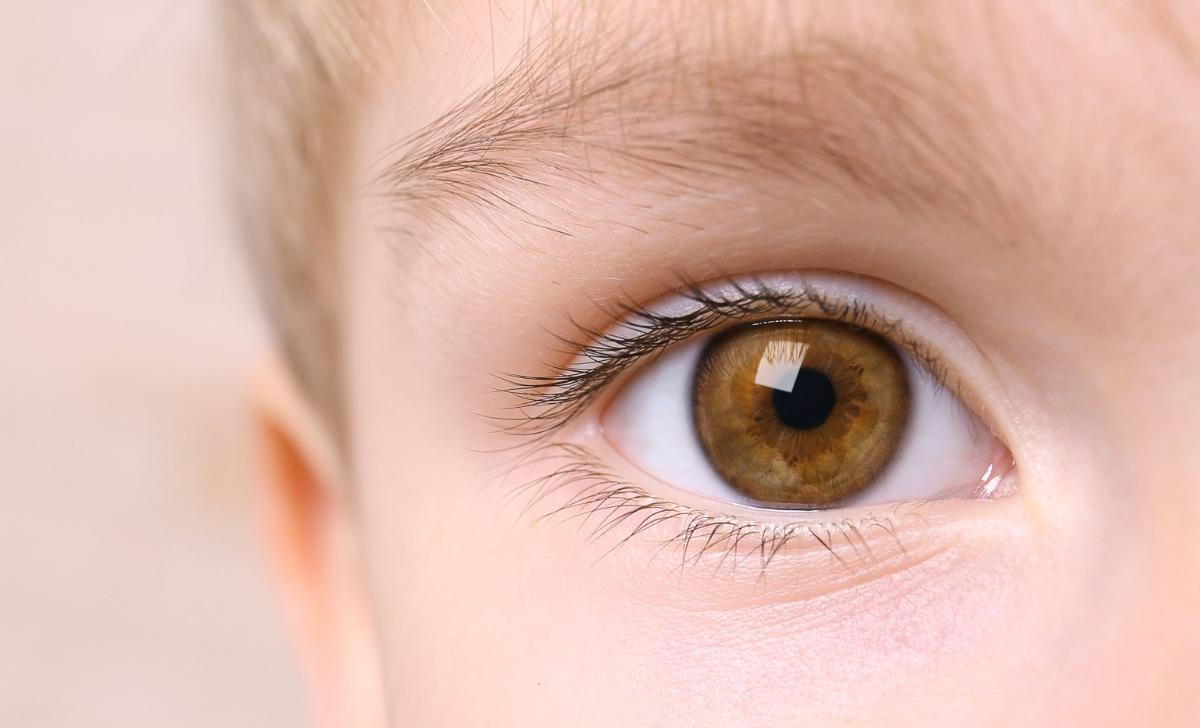
Children’s vision plays a crucial role in their development, learning, and overall well-being. Visual impairment can have a profound impact on a child’s ability to succeed academically, socially, and physically. Many eye conditions can be successfully treated or managed when detected early. However, untreated eye problems can lead to lifelong difficulties.
Regular pediatric eye exams and awareness of potential issues are essential for ensuring healthy vision for your child. This guide covers common pediatric eye conditions, their symptoms, treatment options, and how parents can help manage them.
Strabismus (Crossed Eyes)

Strabismus is an eye condition where the eyes do not align properly. One or both your kid’s eyes may turn inward (esotropia), upward (hypertropia), outward (exotropia), or downward (hypotropia). This misalignment can be constant or intermittent and is more common in infants and young children. The exact cause of strabismus is not always known, but it can result from a muscle imbalance, nerve damage, or refractive error. Symptoms of strabismus include noticeable eye crossing, double vision, and difficulties with depth perception.
If strabismus is left untreated, it can lead to amblyopia, also known as lazy eye. Treatment options may involve corrective lenses, eye exercises, patching, or in some cases, surgery to realign the eyes. Vision therapy may also be recommended to strengthen the eye muscles and improve coordination.
Early intervention is key to preventing long-term vision problems, and parents should be alert to any signs of misalignment, particularly if one eye turns inward or outward. At our Southlake clinic, we offer expert care to address these concerns and ensure your child's eye health is on the right track.
Amblyopia (Lazy Eye)
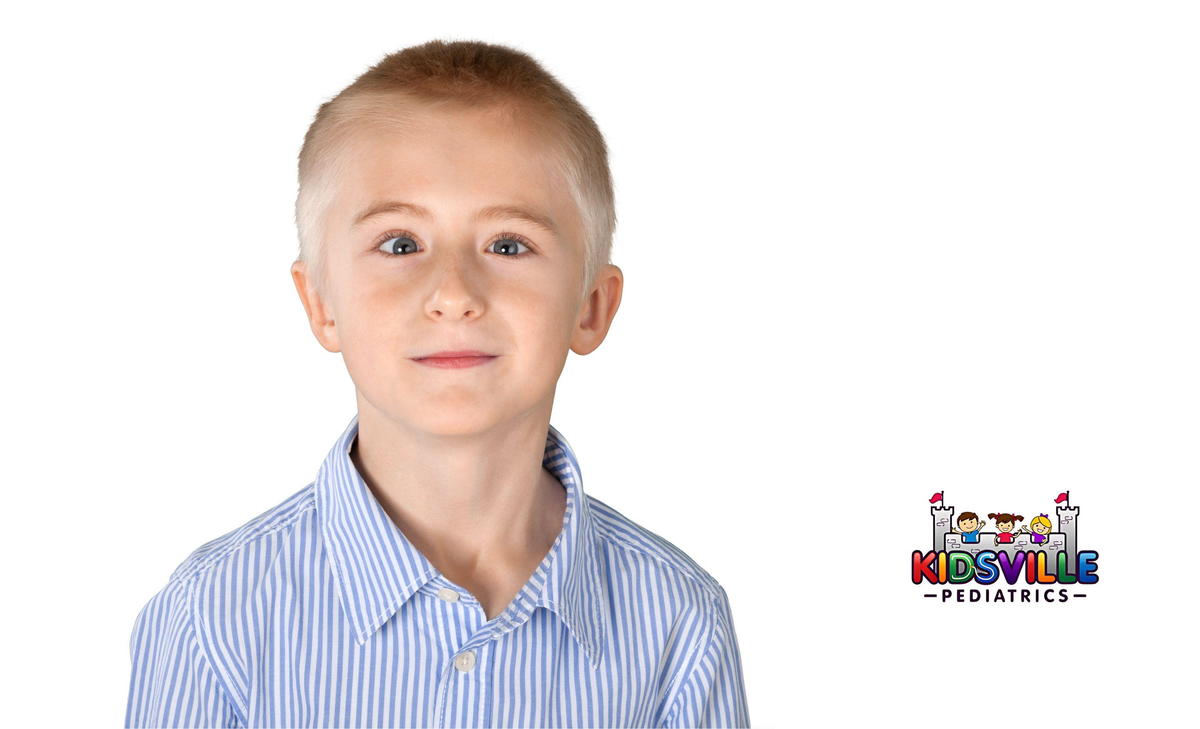
Amblyopia is an eye condition where one eye does not develop proper vision, even with the use of corrective lenses. It can occur as a result of strabismus (where the eyes are misaligned), refractive errors (such as nearsightedness, farsightedness, or astigmatism), or other factors such as cataracts or a drooping eyelid (ptosis). When the brain favors the stronger eye, it "turns off" the weaker eye, leading to reduced vision in that eye.
Amblyopia can be difficult to detect in young children, as they may not complain about blurry vision. Common signs include squinting, tilting the head, or poor performance in activities that require vision. Amblyopia treatment usually involves patching the stronger eye to allow the weaker eye to work extra hard. This can help strengthen the weaker eye and then, probably lead to visual development. In a few cases, vision therapy as well as corrective lenses may be used. Southlake doctors can help diagnose and manage amblyopia early, giving your child the best chance at healthy vision.
The earlier amblyopia is detected and treated, the better the chances of improving vision. If treatment is started before the child reaches 7 or 8 years old, there is a higher likelihood of full recovery. For this reason, regular eye exams are critical to catching amblyopia early.
Myopia (Nearsightedness)

Myopia, or nearsightedness, is one of the most common eye conditions and refractive errors in children. It occurs when the eye is too long relative to the curvature of the cornea, causing distant objects to appear blurry. Myopia typically begins to develop between ages 6 and 14, often becoming more pronounced as children approach adolescence. The condition tends to run in families, so children with parents who are nearsighted are at higher risk.
Children with myopia may exhibit symptoms such as squinting, difficulty reading the board at school, or sitting too close to the television or other screen devices. Corrective lenses, like glasses or contact lenses, are common treatments. In some cases, orthokeratology (special contact lenses that reshape the cornea) or atropine eye drops may be prescribed to slow the progression of myopia.
Early diagnosis and regular eye exams are essential to prevent myopia from worsening and to ensure that children can see clearly during their formative years. A trusted pediatrician in Southlake can help monitor your child’s vision and recommend the right course of treatment tailored to their needs.
Hyperopia (Farsightedness)

Hyperopia, or farsightedness, is a refractive error where distant objects are seen more clearly than near objects. It occurs when the eyeball is too short or the cornea is too flat, causing light to focus behind the retina. Many children are born with a mild degree of hyperopia, which often improves as they grow older. However, more significant hyperopia can cause difficulty with reading, writing, and other close-up activities. A pediatrician Southlake expert can provide early screening and guidance to ensure your child’s vision supports their development and learning.
Hyperopia symptoms in children may include headaches, eye strain, blurred vision, and issues concentrating. In severe cases, hyperopia can also lead to strabismus or amblyopia. Corrective lenses, such as glasses or contact lenses, are typically prescribed to help children focus on near objects. Early intervention is important to prevent the development of additional visual issues, such as crossed eyes.
Astigmatism

Astigmatism happens when the cornea or lens of the eye take on an irregular shape, leading to blurred or distorted vision. This condition is often present at birth and may be present alongside other refractive errors, such as myopia or hyperopia. Children with astigmatism may not realize they have difficulty seeing clearly, so routine eye exams are vital for early detection.
Common signs of astigmatism in children include squinting, rubbing the eyes, headaches, and poor performance in school due to visual discomfort. Fortunately, astigmatism is easily corrected with glasses or contact lenses. In some cases, children may need specially designed contact lenses to correct the irregular shape of the cornea. Vision therapy may also be recommended to improve visual acuity and reduce the symptoms of astigmatism. A trusted pediatrician Southlake, TX expert can help diagnose astigmatism early and guide you toward the best treatment options for your child’s visual health.
Retinopathy of Prematurity (ROP)

Retinopathy of prematurity affects premature infants, especially those who were born before 31 weeks of gestation or who weigh lower than 2.75 pounds. It occurs when abnormal blood vessels form in the retina, potentially leading to retinal detachment and blindness. The risk of ROP is higher in infants who were given high levels of oxygen in the neonatal intensive care unit (NICU).
In mild cases, ROP may resolve on its own without causing significant damage. However, severe cases require treatment, which may include laser therapy or injections to prevent further damage to the retina. Premature infants should undergo regular retinal screenings to monitor for ROP and to ensure that appropriate treatment is provided. Early detection and intervention are critical for preventing long-term vision loss. At Kidsville Pediatrics, we emphasize the importance of early screenings and expert care to protect your baby’s developing vision.
Cataracts in Children

Pediatric cataracts are clouding of the eye’s lens, which can cause blurry vision or even blindness if left untreated. Cataracts in children can be congenital (present at birth) or acquired later due to injury, infection, or other medical conditions. Symptoms of cataracts include a white or gray spot in the pupil, poor visual tracking, and nystagmus (involuntary eye movement).
Treatment for cataracts in children typically involves surgery to remove the cloudy lens and replace it with an artificial lens. After surgery, children may need corrective lenses or contact lenses to help with vision. Timely diagnosis and intervention are essential to prevent developmental delays in visual skills. Children who undergo cataract surgery will require lifelong monitoring to ensure proper visual development.
Glaucoma in Children

Childhood glaucoma is a rare but serious eye condition caused by increased intraocular pressure, which can damage the optic nerve and lead to vision loss. It may be congenital (present at birth) or acquired later due to injury, infection, or other health conditions. Symptoms of childhood glaucoma include excessive tearing, light sensitivity, enlarged eyes, and cloudiness of the cornea.
Glaucoma can be detected through a comprehensive eye exam that measures intraocular pressure. Treatment often involves medication to reduce eye pressure, and in more severe cases, surgery may be required to drain excess fluid from the eye. Early diagnosis and treatment are critical to prevent permanent damage to the optic nerve and vision loss. A Southlake pediatrician can help identify early warning signs and coordinate care with pediatric eye specialists to protect your child’s vision.
Nystagmus

Nystagmus is a condition where the eyes move involuntarily, often in a rhythmic pattern. The movements can be side-to-side, up-and-down, or circular, and may be congenital or associated with other vision disorders. Children with nystagmus may have difficulty maintaining steady vision, and they often tilt their head to find a position where the eye movement is minimized.
There isn’t any cure for nystagmus, but treating it can help increase visual acuity and reduce symptoms. Glasses, contact lenses, even surgery could be used to correct refractive errors as well as improve your kid’s vision. In some cases, therapy may help children improve their head posture and reduce the impact of the eye movements.
Optic Nerve Hypoplasia (ONH)

Optic nerve hypoplasia is an eye condition in which the optic nerve, responsible for transmitting visual information from the eye to the brain, is underdeveloped. This is one of the leading visual impairment causes among children. The severity of ONH can vary, with some children experiencing only mild vision loss and others facing more severe blindness.
Treatment for ONH focuses on maximizing the child’s functional vision through vision therapy, corrective lenses, and adaptive strategies. In addition to visual impairment, children with ONH may experience other developmental issues, such as hormonal imbalances or delayed motor skills.
A multidisciplinary approach, involving endocrinologists, therapists, and special education services, is often required to support these children in their overall development. At Kidsville Pediatrics Southlake, we’re committed to providing comprehensive care and connecting families with the specialists and resources needed to help every child thrive.
Best Pediatrician Near Me: Kidsville Pediatrics
Many eye conditions in children can be successfully managed or even reversed if detected early. Regular pediatric eye exams, particularly during infancy and preschool years, are crucial to identifying issues before they impact your child’s development. By staying vigilant and seeking timely medical care, parents can help ensure that their children have the best possible chance for healthy vision and a bright future.
