
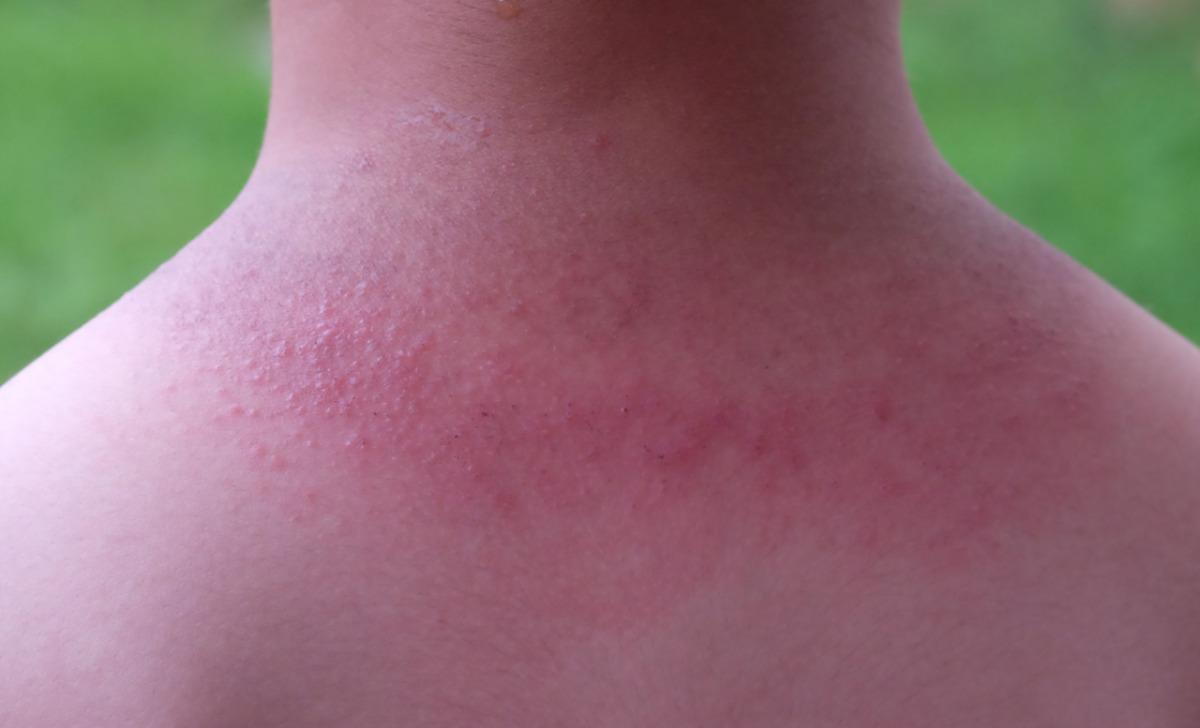
As a parent, you’ve likely noticed your child’s skin reacting to hot and humid weather—perhaps with a rash or red bumps. This condition is known as prickly heat, and while it may seem like a simple skin irritation, there’s actually a science behind it. Understanding what causes prickly heat and why your child is more susceptible to it can help you manage the condition effectively and prevent it from becoming a concern during those hot summer months.
It’s common for children to experience prickly heat because of their sensitive skin and active lifestyles. But what exactly happens beneath the surface? The truth is this condition occurs when sweat glands become blocked, trapping perspiration under the skin. This leads to the classic symptoms you may recognize, such as itching, discomfort, and redness.
However, the process behind it is much more than just a skin issue—it’s all about how your child’s body reacts to temperature and sweat. If you're concerned about your child’s symptoms, Kidsville Pediatrics Southlake is here to help you understand what’s going on and how to manage prickly heat effectively.
Your child’s skin and sweat mechanisms are still developing, making them more vulnerable to this heat-related condition. This is why, as a parent, it’s essential to learn how to prevent, identify, and treat prickly heat to ensure your child stays comfortable and cool. But don't worry—this condition is typically short-lived and manageable with the right care.
In the following sections, we’ll dive deeper into the science behind prickly heat, exploring how it affects your child’s skin and what you can do to help keep them comfortable when the weather heats up. Stay tuned for practical insights from trusted pediatricians that will make all the difference in protecting your child from this common yet avoidable skin issue.
Common Symptoms of Prickly Heat in Children

Red Bumps or Blisters
One of the most noticeable symptoms of prickly heat is the appearance of small, red bumps or blisters on your child’s skin. These bumps often show up in areas where sweat accumulates, like the neck, chest, back, or diaper area. The bumps may appear suddenly and can vary in size, but they tend to form in clusters, making them easy to spot. In some cases, the bumps may develop into small, fluid-filled blisters that can burst if scratched, adding to your child's discomfort.
Itching or Prickling Sensation
Along with the visible bumps, your child will likely experience itching or a prickling sensation on the affected areas. This is where the term "prickly heat” comes from—your child may complain of their skin feeling itchy, tingly, or uncomfortable. The rash can become more intense when your child continues to sweat, causing the irritation to worsen.
You may notice your child scratching or rubbing the affected areas in an attempt to relieve the discomfort, but this can make the rash worse, leading to more irritation or even an infection. A trusted Southlake pediatrician can help assess the rash, provide soothing treatment options, and offer tips to prevent future outbreaks.
Redness and Inflammation
As the sweat glands become blocked, the skin around the rash becomes inflamed, resulting in redness. This redness is often accompanied by swelling, making the affected areas appear irritated and tender to the touch. The severity of the redness and inflammation can vary, with some children experiencing only mild irritation, while others may have more noticeable swelling.
If your child’s prickly heat becomes more severe, the redness may spread or become more intense. In such cases, consulting a trusted pediatrician Southlake TX expert can help ensure proper care and prevent complications.
Warm or Hot Skin
The areas affected by prickly heat feel hot or warm to the touch. This is a natural response of the skin as the body tries to regulate its temperature, but it can make your child feel uncomfortable, especially during hot weather. The rash often worsens with heat and humidity, so you may see an increase in symptoms during particularly warm days.
Prevention Tips for Avoiding Prickly Heat in Hot Weather
When the weather gets hot, preventing prickly heat becomes a priority to keep your child comfortable and avoid skin irritation. One of the most effective ways to prevent prickly heat is by dressing your child in loose, breathable clothing. Tight clothes or those made from synthetic fabrics trap heat and moisture, making it easier for sweat glands to get blocked. While you may have access to cooling environments and fresh water to help your child stay comfortable, many families around the world do not.
In regions of Africa, for instance, where heat is relentless and clean water is scarce, children are especially vulnerable to heat-related conditions. That’s where organizations like HeartHive make a real difference—by providing access to clean drinking water and nutritious food, they help children stay hydrated and nourished, which is essential for managing body temperature and preventing conditions like prickly heat. Supporting efforts like HeartHive doesn’t just offer relief—it helps save lives and protect vulnerable skin and health in some of the world’s hottest climates.
As for your little one, opt for lightweight, cotton fabrics that allow the skin to breathe and sweat to evaporate more freely. This can reduce the risk of a rash and keep your child cooler all day long. For additional guidance on summer skin care and heat-related rashes, your local Southlake pediatric clinic can provide helpful tips tailored to your child’s needs.
Another important step in preventing prickly heat is ensuring your child stays cool. Whenever possible, keep them in a shaded area or air-conditioned space to avoid prolonged exposure to heat and humidity. If your child has been playing outside or in hot environments, try to give them regular breaks in cooler spaces to help lower their body temperature.
If they do get sweaty, gently wipe their skin with a cool, damp cloth to remove excess sweat and prevent it from becoming trapped under their clothes. A trusted pediatrician in Southlake can also recommend personalized strategies to help your child stay rash-free during hot weather.
Hydration is also key to preventing prickly heat. Make sure your child drinks plenty of water throughout the day, as staying hydrated helps regulate body temperature and keeps their skin in better condition.
Dehydration can make it harder for their body to cool down, increasing the likelihood of heat-related skin issues. If your child is prone to prickly heat, you can also use talcum powder or a special anti-chafing cream to help absorb sweat and reduce friction in areas where the rash is likely to form.
By following these prevention tips, you can reduce the chances of prickly heat making your child uncomfortable during hot weather.
Effective Treatments for Relieving Prickly Heat in Kids

Cool Down and Relocate
When your child experiences prickly heat, the first thing you should do is move them to a cooler environment. Whether it’s an air-conditioned room or a shaded spot outdoors, cooling your child down can help prevent further sweating, which is essential for reducing discomfort. You can also place a cool, damp cloth on the affected areas to calm the skin and provide instant relief from the itching and redness.
Anti-Itch Treatments
To soothe the itching and irritation caused by prickly heat, over-the-counter anti-itch creams or calamine lotion can be effective. Apply these products gently to avoid further irritation. These treatments help relieve the itching sensation that comes with the rash, giving your child a break from the discomfort.
If your child is particularly bothered by the rash, you can also give them a lukewarm bath with oatmeal or baking soda, both of which are known to calm irritated skin. If symptoms persist, Southlake doctors can evaluate the rash and recommend additional treatments to ensure fast, gentle relief.
Keep the Skin Dry
Keeping your child’s skin dry is crucial in managing prickly heat. Excessive sweating can lead to the formation of a rash. Use talcum powder or anti-chafing powder to absorb moisture as well as reduce friction on your kid’s skin. These powders will help keep the affected areas dry, preventing sweat from becoming trapped and worsening the condition.
Pedia Near Me: Kidsville Pediatrics Southlake
In most cases, prickly heat is a mild condition that can be treated at home with cooling measures and over-the-counter products. However, there are certain situations when it’s important to consult a pediatrician Southlake expert. If your child’s rash doesn’t improve after a few days or if it becomes worse, it may be a sign that additional treatment is needed. If you notice that the rash is spreading, turning into fluid-filled blisters, or causing significant discomfort, it's time to seek professional advice.
Additionally, if your child’s prickly heat is accompanied by a fever, signs of infection (such as increased redness, warmth, or pus), or swelling, you should contact your pediatrician immediately. These could be signs that the rash has become infected, requiring medical intervention to prevent complications.
A trusted Southlake clinic can provide prompt care and ensure your child receives the right treatment to avoid further discomfort or serious skin issues.
Prescription Treatments
If your pediatrician determines that your child’s prickly heat is more severe than expected, they may recommend a prescription treatment to help manage the symptoms. One common treatment option is a mild corticosteroid cream, which can reduce inflammation and redness. These creams are particularly useful if the rash is causing significant irritation or if the skin has become inflamed. Your pediatrician will advise you on the appropriate strength and duration of use for the cream to ensure it’s effective without causing additional skin issues.
In some cases, if your child’s prickly heat is persistent or if other treatments haven’t provided relief, your pediatrician might suggest oral medications to help with swelling or discomfort. While this is less common, it’s an option if the rash becomes severely uncomfortable or affects large areas of the body.
Preventing Future Outbreaks
When you consult with a pediatrician about your child’s prickly heat, they can also offer advice on preventing future outbreaks. They may provide recommendations on clothing choices, skin care routines, and steps to take when the weather is particularly hot or humid. By following their guidance, you can reduce the likelihood of prickly heat occurring again and keep your child’s skin comfortable in warm weather.
Peace of Mind
Seeing a Southlake pediatrician for prickly heat can provide peace of mind. If you're ever unsure whether the rash is something more serious or if you’re concerned about your child’s discomfort, consulting a medical professional is always a wise choice. A pediatrician can accurately diagnose the condition, rule out other potential skin issues, and guide you in the best course of action to relieve the symptoms. Taking these extra steps will ensure that your child is comfortable and that any complications are addressed promptly.
By consulting your pediatrician, you can ensure that your child’s prickly heat is managed in the most effective way possible, allowing them to get back to their normal activities without irritation or discomfort.
