
Your child’s laughter fills the air as they race across the playground, explore nature trails, or play hide-and-seek under the trees. It all seems harmless—until the itching starts. As a parent, nothing tugs at your heart more than seeing your child uncomfortable, especially when the cause was something you didn’t see coming. That’s where the poison ivy rash comes in—usually inconspicuous, invisible, and definitely irritating.
You do your best to keep your child safe. You apply sunscreen, pack water bottles, and remind them not to talk to strangers. But what about the dangers hiding in plain sight? The ones that blend into leaves, vines, and brush just beyond the edge of the slide or swing? A rash doesn’t just ruin a weekend—it can turn a happy, active child into a miserable, itching mess for days or even weeks.
This is where pediatric healthcare becomes crucial—understanding how to prevent, recognize, and treat common skin irritations like poison ivy rashes can help you protect your child from unnecessary discomfort and health risks.
This isn’t just about a few itchy bumps. For a few kids, the reaction can be severe—and fast. As a parent, you need to be prepared not only to recognize the warning signs, but to understand how to help prevent it in the first place.
Before the next playdate or hike, take a moment to learn what you can’t always see coming. Because sometimes, the greatest risks to your child’s comfort and health are the ones hiding in the most ordinary places.
Let’s talk about the silent, scratchy menace known as poison ivy rash—and what you can do to keep your child one step ahead.
What Parents Should Know About Poison Ivy and How It Affects Kids

Children love to explore, touch, and tumble through nature without thinking twice. Whether it's climbing trees, hiding in bushes, or building forts, kids are more likely to come into direct contact with poison ivy. Their curious hands and exposed skin make them more vulnerable to the urushiol oil—the sticky substance that causes a poison ivy rash. Even brushing against the plant can be enough to trigger a reaction.
How a Poison Ivy Rash Spreads (and Doesn’t)
You might worry that your child can spread the rash just by scratching it or touching others—but the truth is, the rash itself isn’t contagious. What spreads is the urushiol oil, which can linger on clothing, shoes, backpacks, or even pets.
If your child touches an object that has the oil on it and then touches their skin, that’s when a poison ivy rash can show up in new spots. Washing hands and clothes thoroughly is key to stopping the spread. If the rash worsens or spreads despite your efforts, consider scheduling a same day appointment to get advice and treatment right away.
Signs Your Child Has Been Exposed

The rash typically appears 12 to 48 hours after exposure and can last up to three weeks. Look for red, itchy bumps or blisters, often in streaks or patches where the plant brushed the skin. It may start mild and get worse over time. If your child complains of itching after being outside, especially in wooded or overgrown areas, a poison ivy rash is a likely culprit.
Why It Affects Kids Differently
Children’s skin is more sensitive than adults’, making their reactions stronger and more uncomfortable. They’re also less likely to resist scratching, which can lead to infection. As a parent, keeping fingernails trimmed and teaching your child not to scratch can make a big difference in healing time—and in avoiding further irritation. If you're concerned about your child's rash or need professional advice, visiting a trusted pediatric center can provide the care and support your child needs for a smooth recovery.
How to Spot Poison Ivy: A Quick Guide for Families and Outdoor Play

Learn to Spot the Leaves
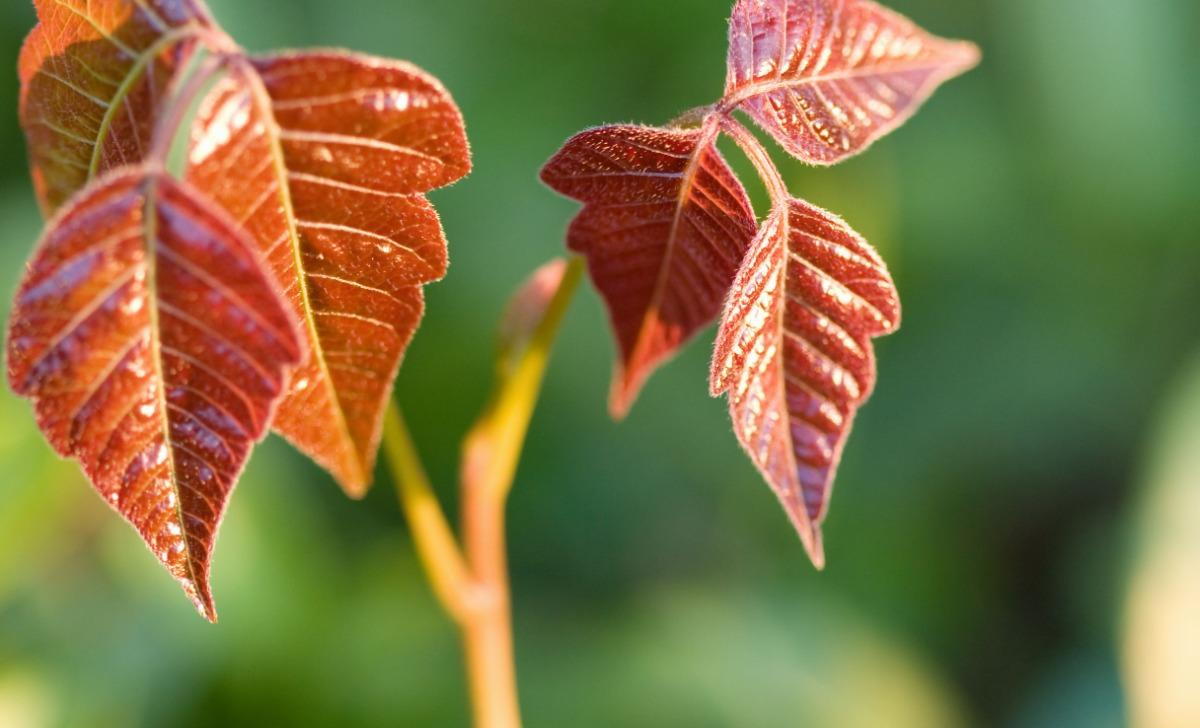
When you’re outside with your child, knowing what poison ivy looks like can make all the difference. Teach your family the golden rule: “Leaves of three, let them be.” Poison ivy usually has clusters of three almond-shaped leaflets. The edges may be smooth or slightly toothed, and the leaves can appear glossy.
In spring and summer, they’re green; in fall, they turn red or orange. Spotting these characteristics early can help you avoid a poison ivy rash altogether. If you're ever unsure, pediatricians can offer advice on how to recognize poison ivy and prevent your child from coming into contact with it.
Understand Where It Grows
Poison ivy isn’t just found deep in the woods—it can be right along trails, near playgrounds, or even growing around fences and backyards. It grows as a low shrub, creeping vine, or climbing plant with hairy-looking roots. If you’re planning outdoor play or a family hike, take a quick look around the area first. Teaching your child to recognize and avoid suspicious plants is one of the simplest ways to prevent a poison ivy rash.
Watch for Look-Alikes
Many plants resemble poison ivy, and that’s what makes it tricky. Young boxelders, raspberry bushes, and Virginia creeper often confuse both kids and adults. When in doubt, it’s best to keep your child from touching any unidentified plant. Taking photos and comparing them later can be a helpful learning tool. If your child does come into contact with a suspicious plant and develops a rash, visiting a pediatric urgent care facility can help ensure they receive prompt and appropriate treatment.
Involve Your Child in the Process
Turn this into a fun game—have your child help “spot the leaves of three” when you’re out and about. This not only teaches them about nature but empowers them to avoid potential hazards. The more familiar they are with poison ivy, the more likely they’ll avoid contact—and reduce their chances of bringing home a miserable poison ivy rash after a day of outdoor play.
Why Poison Ivy Rashes Happen—and Why Kids Are Especially at Risk

Even a small amount of urushiol can trigger a red, itchy, blistering rash. Kids are especially at risk because they explore freely, often touching plants or rolling in grass without realizing what’s around them.
Their sensitive skin reacts more strongly, and they’re more likely to scratch, which can worsen the irritation or cause infection. If you’re unsure whether it’s a poison ivy rash, pediatricians can help diagnose the issue and recommend the best course of treatment for your child’s comfort and recovery.
A poison ivy rash usually appears 12 to 48 hours after contact, often in streaks or patches where the plant brushed the skin. The rash isn’t contagious but the oil might linger on clothing, toys, as well as pets—spreading the reaction further.
That’s why quick and proper poison ivy treatment is essential. Wash your kid’s skin right away using soap and cool water—ideally within 30 minutes of being exposed. Apply cold compresses and over-the-counter anti-itch creams to soothe discomfort. If the rash becomes severe or spreads to the face or genitals, it’s best to call your child’s pediatric doctor.
With awareness, prevention, and the right poison ivy treatment, you can help your child heal faster and avoid repeat run-ins with this sneaky plant.
If Your Child Gets a Rash: What to Do and When to Call the Doctor
If your child suddenly develops a rash, it’s natural to feel concerned—especially when it appears without warning. Rashes can be caused by anything from mild irritation to allergic reactions, viral infections, or contact with plants like poison ivy. The first step is to stay calm and observe.
Check where the rash is located, what it looks like, and whether your child has other symptoms like a fever, swelling, or trouble breathing. If the rash is mild, not spreading quickly, and your child seems otherwise well, you can usually start with simple at-home care.
Keep the skin clean and dry, avoid any known irritants, and apply a gentle moisturizer or over-the-counter anti-itch cream if needed. However, if the rash worsens or you're concerned about your child’s condition, pediatric specialists can offer expert guidance and treatment to ensure your child’s health and comfort.
However, not all rashes are harmless. If the rash appears suddenly, covers a large area, is painful, or is accompanied by a high fever, it’s time to call your pediatrician. Some rashes can signal more serious issues like infections or allergic reactions that require medical attention. And if your child has been scratching a lot, watch for signs of infection like oozing, redness, or warmth.
At Kidsville Pediatrics, we understand how stressful it can be when something doesn’t look right on your child’s skin. Our caring providers are trained to identify the cause of a rash and offer the safest, most effective treatment options. Whether it’s a common childhood condition or something that needs further care such as poison ivy rash, we’re here to guide you through it. If you’re unsure whether a rash needs medical attention, trust your instincts and reach out. It’s always better to be safe—and we’re just a phone call away.
