
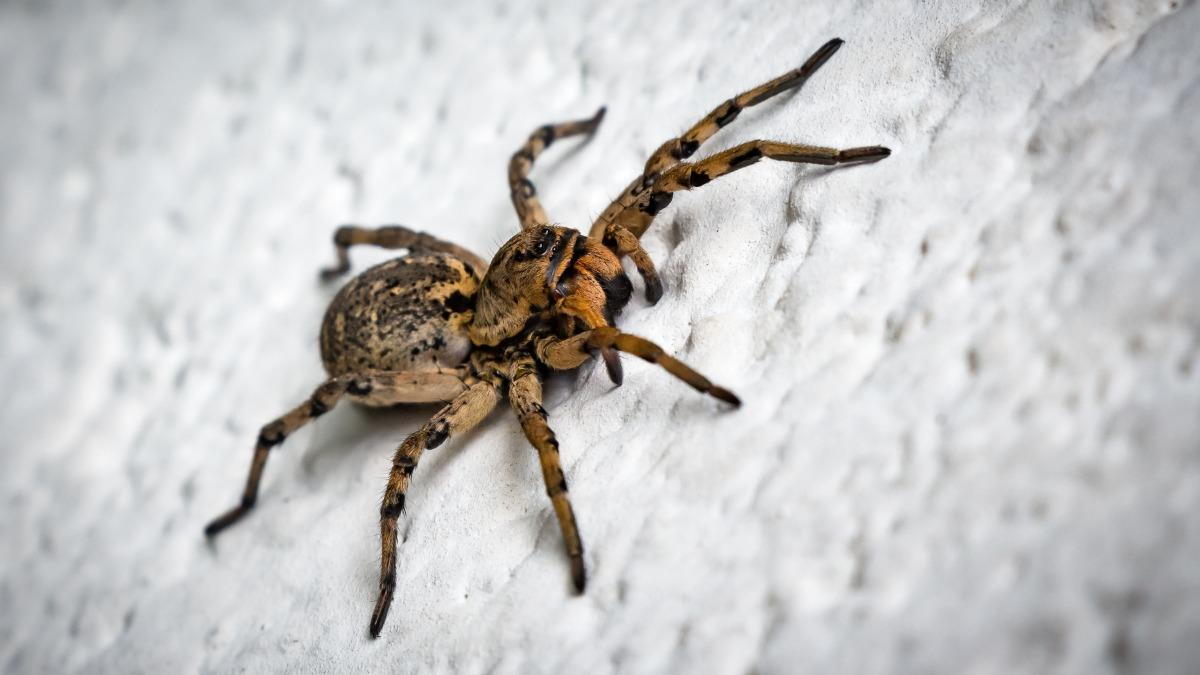
Every child is afraid of something at some point in their development. Whether it is a fear of the dark, eight-legged creatures, or monsters under your child’s bed, kids’ fears are a natural and expected part of growing up. But how can you tell when those fears go beyond normal and cross the line into something more serious? Truly seeing the difference between normal childhood fears and childhood phobias is crucial for parents, caregivers, as well as educators. It helps determine when to offer comfort, when to watch and wait, and when to seek professional support.
What Are Normal Childhood Fears?

Normal fears are short-term, age-appropriate, and generally don’t interfere significantly with a child’s daily life. For example, toddlers might become frightened by loud sounds or strangers. Preschoolers often fear imaginary creatures, darkness, or being separated from their parents.
School-age children may worry about natural disasters, animals, or school performance. These fears are often temporary, resolving as the child gains more experience and understanding of the world around them. If these fears begin to affect daily functioning, a psych NP can help assess whether further support is needed.
Normal fears can also be helpful. They can teach children caution and awareness. A mild fear of falling, for example, can encourage a child to be more careful when climbing. These developmental fears usually fade with reassurance, maturity, and positive experiences that help children feel safe.
What Are Childhood Phobias?
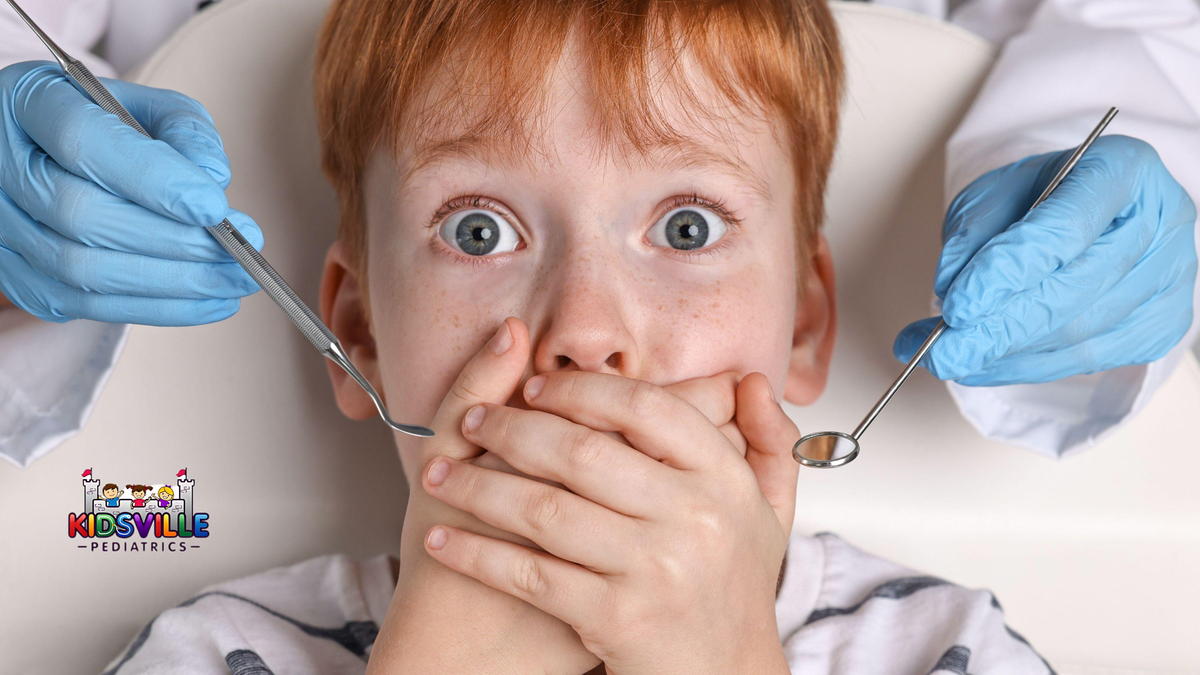
Childhood phobias are different. A phobia is an intense, persistent, and irrational fear of a specific object, situation, or activity. These fears are more than just uncomfortable or inconvenient; they can be paralyzing. Children with phobias often go to great lengths to avoid the source of their fear, even if it means missing out on important activities or experiences.
For example, a child with a dog phobia (cynophobia) may refuse to walk to school if there’s a chance they might see a dog on the way. A child with a phobia of needles (trypanophobia) might panic so severely during a vaccination appointment that the procedure becomes impossible.
These reactions are not a phase; they persist for months or even years and can interfere with a child’s physical, emotional, and social development. In such cases, support from NP psychiatry can be instrumental in helping the child manage and overcome these intense fears.
Key Differences Between Normal Fears and Phobias
Recognizing the distinction between age-appropriate fears and childhood phobias can help parents respond appropriately. Here are some key differences:
1. Duration: Normal fears are often temporary and fade with time. Phobias last for six months or more and don’t lessen with reassurance.
2. Intensity: Normal fears cause mild distress. Phobias trigger intense anxiety, panic attacks, or emotional meltdowns.
3. Avoidance: Children with normal fears may feel uneasy but will still face the situation with encouragement. Children with phobias go out of their way to avoid the trigger altogether.
4. Impact on Daily Life: Normal fears rarely interfere with daily activities. Phobias can cause avoidance of school, social situations, medical care, or even family outings.
5. Proportional Response: Normal fears match the situation—being scared of thunder during a storm is understandable. Phobic responses are exaggerated and disconnected from the actual threat.
Common Types of Childhood Phobias
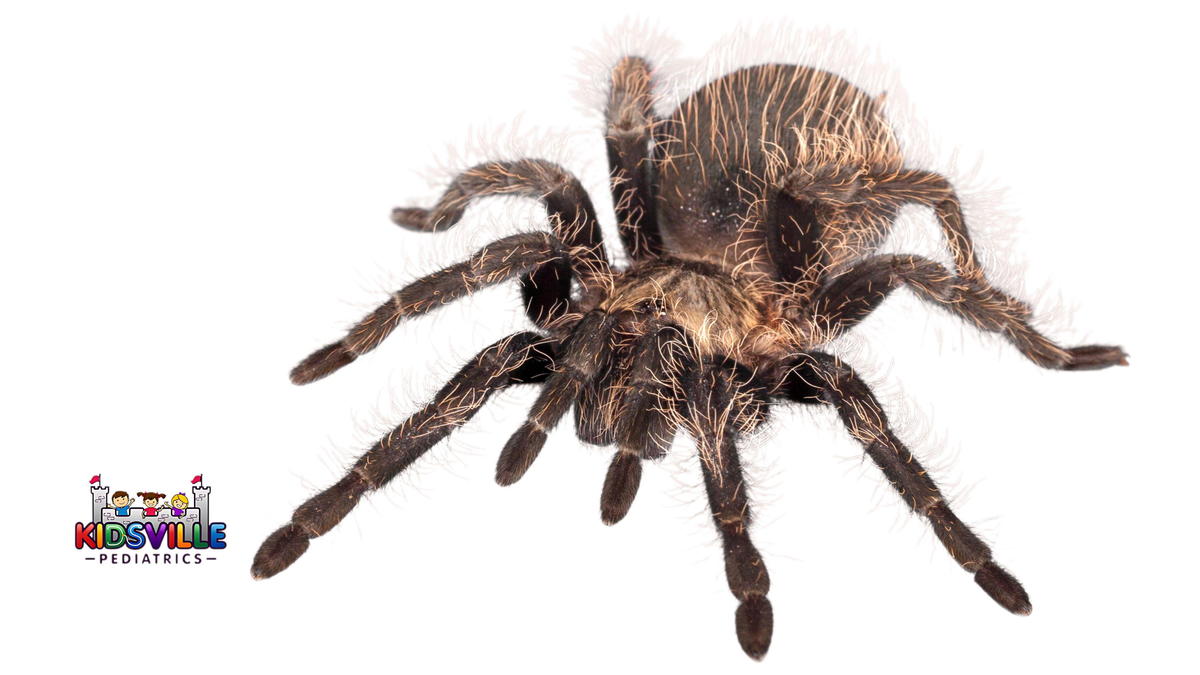
Some phobias are more common in children than others. These include:
Animal phobias: Fear of dogs, spiders, bees, or snakes
Natural environment phobias: Fear of height, thunderstorms, or water
Situational phobias: Fear of enclosed spaces, the dark, or even just riding in a car or plane
Medical phobias: Fear of needles, doctors, dentists, or blood
Social phobias: Fear of speaking in public, eating in front of others, or being judged
It’s important to note that social phobia in children (often called social anxiety disorder) can be particularly disruptive, as it affects school participation and peer relationships. Early intervention through pediatric psychiatry can help children build coping skills and improve their confidence in social settings.
What Causes Childhood Phobias?
Phobias can spring from a fusion of environmental, genetic, and psychological factors. A traumatic experience, such as being bitten by a dog or getting lost in a store, can lead to a specific phobia. Sometimes children pick up fears by observing others—if a parent reacts fearfully to spiders, the child might learn that spiders are something to fear.
A child’s temperament also plays a role. Sensitive children or those who are prone to anxiety are likelier to develop phobias. There may also be a genetic component; anxiety disorders tend to run in families. In such cases, a psych nurse practitioner can provide early assessment and personalized strategies to support the child’s mental health.
How Are Childhood Phobias Diagnosed?

Diagnosing a phobia in children usually involves a combination of interviews, questionnaires, and behavioral observations. Pediatricians or NP psychiatry experts will ask about the child’s symptoms, the situations that trigger anxiety, and how long the fear has been present.
The diagnosis is typically based on criteria from the DSM-5 (Diagnostic and Statistical Manual of Mental Disorders), which includes the presence of an excessive fear that is persistent (lasting six months or more), leads to significant distress, and could impair daily functioning.
Helping Children with Phobias

If your child has a phobia, it’s important to seek support rather than dismissing their fear. While it might be tempting to say, “Don’t be silly,” this response can make a child feel misunderstood or ashamed. Instead, validate their feelings and encourage them to talk about their fear.
Treatment options for childhood phobias include:
1. Cognitive Behavioral Therapy (CBT): This has been observed to be one of the most effective treatments. It aids children in challenging irrational thoughts and gradually face their fears by means of exposure.
2. Play Therapy: Especially effective with younger children, this allows kids to express fear through play, helping them process emotions in a non-threatening way.
3. Exposure Therapy: A form of CBT that involves gradually and safely exposing a child to the source of their fear to reduce sensitivity over time.
4. Parent Coaching: Parents learn strategies to support their child without reinforcing avoidance behaviors.
In some severe cases, medication might be prescribed, especially if the phobia is part of a broader anxiety disorder. However, therapy is typically the first line of treatment.
Pediatric Counseling
You should consider seeking help from a pediatrician or pediatric mental health nurse practitioner if:
The fear lasts more than six months
The fear interferes with school, friendships, or daily activities
Your child shows signs of panic (sweating, racing heart, shaking)
Your child talks about feeling overwhelmed, hopeless, or wanting to avoid life situations entirely
Early intervention can make a big difference. With support, most children can learn to manage and eventually overcome their phobias.
Supporting Your Child at Home
As a parent, your support plays a crucial role in your child’s progress. Here are a few tips:
Stay calm and patient; model brave behavior.
Offer praise for small steps toward facing fears.
Avoid reinforcing avoidance (e.g., don’t skip appointments because of fear).
Read books or watch shows that gently address similar fears.
Stay consistent and reassuring without pushing too hard.
Childhood fears are a normal part of development, but childhood phobias are more intense, persistent, and disruptive. Learning to spot the difference allows you to better support your child, get the right help when needed, and foster resilience. With the right tools, encouragement, and professional guidance, kids can conquer their phobias and gain confidence that will serve them for a lifetime.
