
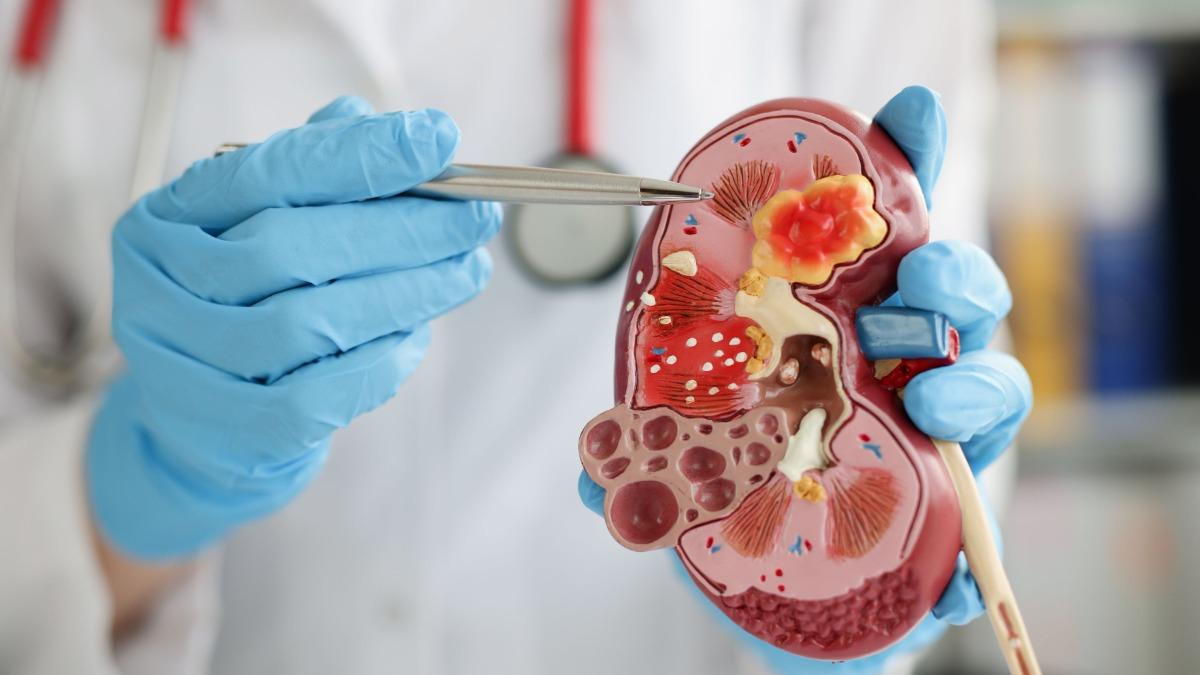
Kidney stone is commonly associated with adults, but in recent years, there has been a noticeable rise in the number of children diagnosed with this painful condition. Although pediatric kidney stones remain less common than in adults, the increase has sparked growing concern among parents and pediatricians alike.
Understanding the causes, recognizing the symptoms early, and knowing the available treatments can make a significant difference in a child’s recovery and long-term kidney health.
What Is a Kidney Stone?

Kidney stone is a hard mineral and salt deposits that form inside the kidneys. These stones can vary in size from a grain of sand to a golf ball. When they travel through the urinary tract, they can cause intense pain and complications if not treated promptly.
In children, kidney stones often develop due to an imbalance in the substances that make up urine. When substances like calcium, oxalate, and uric acid become too concentrated, they can form crystals. Over time, these crystals can cluster together and grow into stones.
Why Are Kidney Stones Increasing in Children?

The exact reason for the rise in pediatric kidney stones isn't fully understood, but several contributing factors have been identified by experts in pediatric urgent care:
Poor Hydration: Many children do not drink enough water daily. Concentrated urine increases the risk of crystal formation.
High-Sodium Diet: Processed and fast foods that are high in salt can increase calcium in the urine, contributing to stone development.
Obesity: Overweight children are at higher risk for various metabolic disturbances that can lead to stone formation.
Genetic Predisposition: A family history of kidney stones increases a child’s likelihood of developing them.
Medical Conditions: Certain conditions such as urinary tract infections (UTIs), inflammatory bowel disease (IBD), or cystic fibrosis can alter the body’s ability to process waste, raising the risk of stones.
Medications: Some medications, such as diuretics or anti-seizure drugs, may increase the likelihood of stones.
Common Symptoms of Kidney Stone in Children

Detecting kidney stones in children can be tricky, especially in very young ones who may not be able to clearly communicate their discomfort—but same day scheduling can help ensure they get prompt evaluation and relief. However, some signs and symptoms to watch for include:
Sharp pain in the back, side, or lower abdomen
Painful or frequent urination
Blood in the urine (hematuria)
Nausea and vomiting
Fever and chills, especially when infection is present
Cloudy or foul-smelling urine
Irritability and unexplained crying in infants or toddlers
If a child experiences these symptoms, particularly sharp abdominal or flank pain and blood in the urine, medical evaluation should be sought promptly.
Types of Kidney Stone in Children

There are several types of kidney stones, and the composition often provides clues about the underlying cause:
Calcium Oxalate Stones: These are the most common and can result from too much calcium or oxalate in the urine.
Calcium Phosphate Stones: Also linked to elevated urinary calcium or issues with acid-base balance in the body.
Uric Acid Stones: Form in more acidic urine and may be tied to high-protein diets or genetic disorders.
Struvite Stones: Often associated with urinary tract infections.
Cystine Stones: Rare and caused by a genetic condition known as cystinuria.
Diagnosis
Diagnosing kidney stones in children typically involves a combination of medical history, physical examination, and diagnostic tests—many of which can be initiated through a telehealth same day appointment for faster care:
Urinalysis: Checks for infection, blood, and crystal-forming substances detected in the urine.
Blood Tests: Assess kidney function and measure levels of calcium, phosphorus, and uric acid.
Imaging Studies: Ultrasound is usually the first imaging choice for children to detect stones. X-rays or CT scans may be used if further detail is needed.
Stone Analysis: If the child passes a stone, it may be collected and analyzed to determine its composition.
Kidney Stone Treatment Options

Kidney stone treatment in pediatrics depends on the size, type, as well as the location of the stone. The child’s overall health also greatly matters. In some cases, a developmental pediatrician may be involved to assess underlying conditions or contributing factors, and treatment options range from conservative management to more involved interventions.
1. Hydration and Observation
For small stones, especially those less than 5 mm, increasing fluid intake to help flush out the stone may be enough. Pain management with appropriate medications is often necessary during this process.
2. Medications
Pain Relievers: Acetaminophen or ibuprofen may be used to manage pain.
Alpha Blockers: These medications help relax the muscles in the urinary tract, making it easier to pass the stone.
Antibiotics: Prescribed if a urinary tract infection is present.
3. Extracorporeal Shock Wave Lithotripsy (ESWL)
A non-invasive procedure that utilizes sound waves to break the stones into smaller pieces so they can be passed through the urine—this is typically used for medium-sized stones and is often performed after evaluation at a pediatric clinic.
4. Ureteroscopy
A small scope is inserted through the urethra and bladder to locate and remove or break up the stone. This is good for stones located in the lower urinary tract.
5. Percutaneous Nephrolithotomy (PCNL)
For very large or complicated stones, a small incision is made in the back to access and remove the stone directly from the kidney. This is a more invasive option and usually reserved for severe cases.
Prevention Tips for Parents

Preventing kidney stones in children often involves simple lifestyle changes that support healthy kidneys and urinary function:
Encourage regular hydration: Aim for clear or light-yellow urine. Water should be the main beverage.
Limit salty foods: Reduce processed snacks and fast foods.
Balanced diet: Promote a diet rich in fruits and vegetables, and appropriate in calcium (not excessive or too low).
Monitor protein intake: In kids who are prone to uric acid stones.
Regular bathroom breaks: Teach kids to urinate regularly and not hold it in.
Follow-up care: If your child has had a kidney stone, regular follow-up with a pediatric nephrologist or urologist may be recommended.
When to See a Pediatrician
If your child has recurrent kidney stones, unusual urine findings, or an underlying medical condition, a referral to a pediatric nephrologist or urologist is usually needed. These specialists can conduct more in-depth evaluations, such as 24-hour urine tests or metabolic studies, to pinpoint the cause and tailor a long-term prevention plan.
Emotional Support and Communication
A kidney stone diagnosis can be stressful for both the child and the family. Children may feel scared or confused about the pain and treatment. Open communication, reassuring explanations, and involving them (as age-appropriate) in their care can help reduce anxiety. Let them know they’re not alone—and that with the right care, they’ll feel better soon.
Kidney stones in children are a growing pediatric health concern, but with awareness, early detection, and a proactive approach, they can be effectively managed and often prevented. Staying informed and working closely with your child’s healthcare provider—like the trusted teams at Kidsville Pediatrics—is key to ensuring your child’s kidneys remain strong and healthy for years to come.
If your child has experienced kidney stone symptoms or you’re concerned about their risk, don’t hesitate to speak with your Southlake pediatrician. Early action leads to better outcomes—and peace of mind for the whole family.
