
It starts with a little cough, maybe a mild fever, and suddenly your child is clutching their throat and refusing to eat. As a parent, it's hard not to worry when your child isn’t feeling well—especially when their symptoms seem to come out of nowhere. You’ve likely heard of pediatric strep throat, but when it’s your child, it’s no longer just a medical term—it’s a source of concern, questions, and the urgent need to help them feel better.
You might be wondering if it’s just a common cold or something more serious. You’ve probably Googled symptoms, asked other parents, and maybe even second-guessed your instincts. Pediatricians see this condition often—it’s more common than you think and can show up in children who otherwise seem perfectly healthy. And while it can look similar to other throat infections, it carries its own set of risks—and some unique telltale signs.
In this guide, you’ll get a clear, parent-friendly look at pediatric strep throat—what it means, how it affects your child, and how to navigate it like a pro. Whether this is your first encounter or you’ve been through it before, this is your chance to take a breath, gather what you need, and face it head-on with confidence.
Strep Throat: A little history…
Back in 1874, an Austrian surgeon named Theodor Billroth first described what we now know as streptococcal infections. He noticed tiny round bacteria—what he called Kettenkokken—either by themselves, in pairs, or linked in chains. That chain formation gave them their name: streptococcus (from Greek strepto, meaning twisted chain, and coccus, meaning berry).
But the real turning point came in 1879 when Louis Pasteur isolated the same type of bacteria from women suffering from puerperal fever, a serious infection following childbirth. This was huge—he showed that streptococcus was actually the cause behind this deadly illness that claimed the lives of many mothers and newborns.
A few years later, in 1884, Friedrich Julius Rosenbach helped refine the name. He studied bacteria from pus-filled wounds and introduced the term Streptococcus pyogenes—“pyogenes” meaning “pus-forming.” Others had tried naming these bacteria based on the diseases they were found in, like S. erysepalitis or S. scarlatinae, but eventually scientists realized these bacteria were all part of the same group. So, they agreed to stick with one name: Streptococcus pyogenes.
Today, this same bacteria is one of the main culprits behind pediatric strep throat, making history still relevant every time a sore throat strikes.
Diseases Associated with Strep Throat

Streptococcus pyogenes might sound like something you'd only hear about in a microbiology lab, but it's actually a big deal in the real world—especially when it comes to kids. This bacteria, also known as Group A Strep, is strictly a human pathogen, meaning it only affects humans, and it's behind more types of infections than almost any other bug out there.
As you’ve learned, when people talk about a "strep throat," they’re talking about streptococcal pharyngitis—the classic sore throat that strikes fast and hard. Add a rash to it, and now you’ve got what’s called scarlet fever. But Group A Strep doesn’t stop at the throat. It can cause skin infections like impetigo, cellulitis, and erysipelas. In rare and extreme cases, it can lead to necrotizing fasciitis—yes, the one often called “flesh-eating disease” in headlines. It’s rare, but when it happens, it’s serious and demands immediate medical and surgical attention.
Another life-threatening complication is streptococcal toxic shock syndrome (STSS), a condition that hits the whole body fast and was first recognized in the early 1990s. It’s similar in concept to toxic shock syndrome but is specifically caused by Strep bacteria.
Sometimes, even after the infection is gone, Strep doesn’t let go quietly. It can trigger autoimmune responses, leading to conditions like rheumatic fever and acute post-streptococcal glomerulonephritis (APSGN).
These are known as sequelae—delayed effects of an earlier infection—and can affect the heart and kidneys, especially in children. Southlake pediatricians closely monitor these potential complications to ensure your child’s long-term health.
Then there is also PANDAS—short for Pediatric Autoimmune Neuropsychiatric Disorders Associated with Streptococcal Infections. Described in the late '90s, it links strep infections to sudden-onset OCD or tic disorders in some children. While it’s still debated and not fully understood, it shares similarities with another post-strep condition, Sydenham’s chorea, which causes movement and behavioral issues.
Pediatric Strep Throat Symptoms

Strep throat usually happens quickly, catching your kid off guard with a sudden sore throat. One of the earliest signs is usually a rapid-onset fever, often peaking on the second day of the illness. It’s not uncommon to also feel chills, experience a headache, or lose one’s appetite. Some people may also deal with nausea, vomiting, or stomach pain.
Interestingly, a cough is not typically part of the picture. With coughing and other cold-like symptoms such as sneezing or a runny nose, it’s more likely your kid is dealing with a viral infection rather than pediatric strep throat or its adult counterpart.
Not everyone with strep throat shows obvious symptoms, but when they do, it’s usually clear something’s wrong. A peek at the throat might reveal red, swollen tonsils and painful inflammation. You might also see white spots or streaks of pus, and in some cases, tiny red dots (called petechiae) appear on the roof of the mouth. If you notice these signs in your kid, Kidsville Pediatrics Southlake can help diagnose and treat the condition promptly.
Some strains of the bacteria also cause a rough, red skin rash known as scarlet fever, which typically starts on the neck and chest before spreading.
Physically, strep throat can feel intense. The sore throat may be sharp and painful, especially when swallowing. The lymph nodes on the neck may swell and feel tender. If a rash is present, it often feels like sandpaper to the touch. If you're concerned, a pediatrician Southlake expert can help assess and provide the right treatment for your child.
How Does Strep Throat Spread?

The bacteria live in the nose and throat. When someone sneezes, coughs, or even talks, tiny droplets are released into the air. Others can get infected by:
Breathing in the droplets
Touching surfaces with droplets, then touching their nose or mouth
Sharing items like utensils or drinks
Through Direct Contact
Strep bacteria can also be present in skin infections. If someone touches infected skin or fluid from sores, they could contract the bacteria. If you suspect a strep-related skin infection, a pediatrician in Southlake can help with diagnosis and treatment.
How Long Is It Contagious?
Strep throat has a 2 to 5-day incubation period. During this time—and up till 24-48 hours after starting the round of antibiotics—your kid can spread it to others.
Strep Throat Treatments

Back in ancient times—think 5th century BC—treatments for infections that resembled what we now know as pediatric strep throat were surprisingly creative. People used emetics, purgatives, poultices, and even bloodletting to treat symptoms like swollen, painful skin and sores. Fast-forward to the Middle Ages, and you’ll find entire books, like Fasciculus Medicinae from 1491, filled with herbal and sometimes bizarre remedies for everything under the sun.
Real progress didn’t begin until the 20th century. In the 1930s, scientists discovered that bacteria like Streptococcus pyogenes could be treated using new sulfur-based drugs. A German scientist named Domagk developed Prontosil, one of the first antibacterial drugs, which paved the way for sulfonamides. These were sold as early as 1937 to treat pneumonia and other bacterial infections.
It wasn’t until 1939 that two other scientists—Florey and Chain—figured out how to produce penicillin in large quantities. By the 1940s, it was being used widely and effectively.
To this day, Streptococcus pyogenes remains sensitive to penicillin, which is pretty remarkable considering how resistant some other bacteria have become. If you're concerned about pediatric strep throat, a visit to the Southlake clinic can help ensure the right treatment.
What’s a Strep Test?
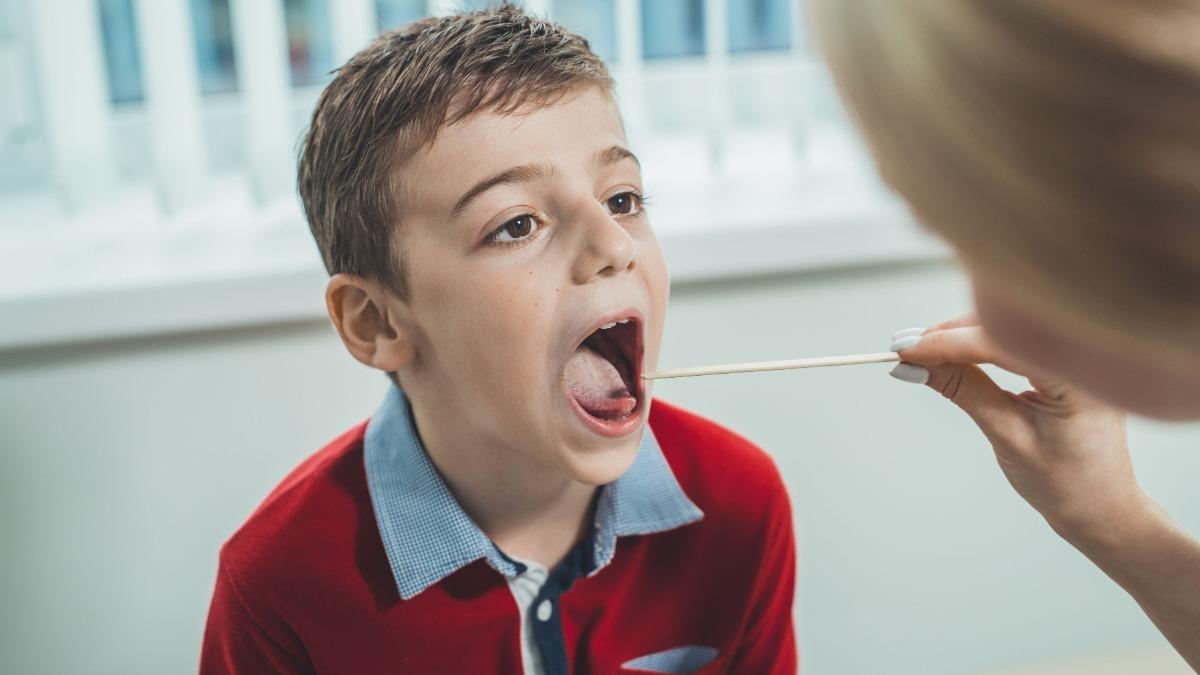
If your child has a sore throat and you suspect strep, a strep test is the quick way to find out. This is done to check for group A Streptococcus. The test itself is super fast and doesn’t hurt, though it might feel a little uncomfortable. A Southlake doctor will gently swab the back of your child’s throat using a long cotton swab.
Sometimes, your Southlake pediatrician will do a rapid strep test right away, which takes about 20 minutes. If it’s positive, that means strep is the culprit. If it’s negative but your child still seems sick, the sample might be sent to the lab for a throat culture, which can catch bacteria that the rapid test missed. That takes 1–2 days.
How Is Strep Treated?
Strep throat treatment is with antibiotics, usually penicillin or amoxicillin. These help clear the infection, reduce symptoms faster, and prevent complications like rheumatic fever. If your child is allergic to penicillin, no worries—there are other safe options.
Antibiotics may come as a shot, liquid, or pill, and most kids take them for about 10 days. Even if your child feels better after a couple of days, make sure they finish all the medicine to fully knock out the bacteria.
Can Strep Throat Go Away Overnight?
We wish! But no, strep throat doesn’t disappear overnight. Once your child starts antibiotics, they’ll usually feel better within 24–48 hours. In the meantime, you can help soothe their symptoms with warm drinks, soft foods, and over-the-counter pain relief (if your Southlake pediatrician approves).
Strep Throat FAQs
1. How can I tell if my child has strep throat or just a cold?
Strep throat usually comes on suddenly with a sore throat, fever, and no cough. If your child also has cold symptoms like a runny nose or sneezing, it’s more likely a virus than strep. Remember, a quick strep test at the pediatrician’s office can diagnose it.
2. Is strep throat contagious, and how long should my child stay home?
Yes, strep is very contagious. Your child should stay home until they’ve taken antibiotics for at least 24 hours and are already feeling better. That’s when they’re no longer contagious and safe to return to school or daycare.
3. Does my child really need antibiotics for strep?
Yes—antibiotics are the only way to treat strep throat, since it’s caused by bacteria (not a virus). Antibiotics also help your child feel better faster and prevent complications like rheumatic fever.
4. My child had strep—do I need to disinfect everything?
You don’t have to go overboard, but it’s smart to wash hands often, avoid sharing drinks or utensils, and clean commonly touched surfaces (like doorknobs and remotes) while your child is sick.
5. Can my child get strep throat more than once?
Unfortunately, yes. Pediatric strep throat can be contracted multiple times, especially if it’s going around at school or daycare. Good hygiene helps, but some kids are just more prone to it.
