
1. What exactly is shingles, and can children get it?

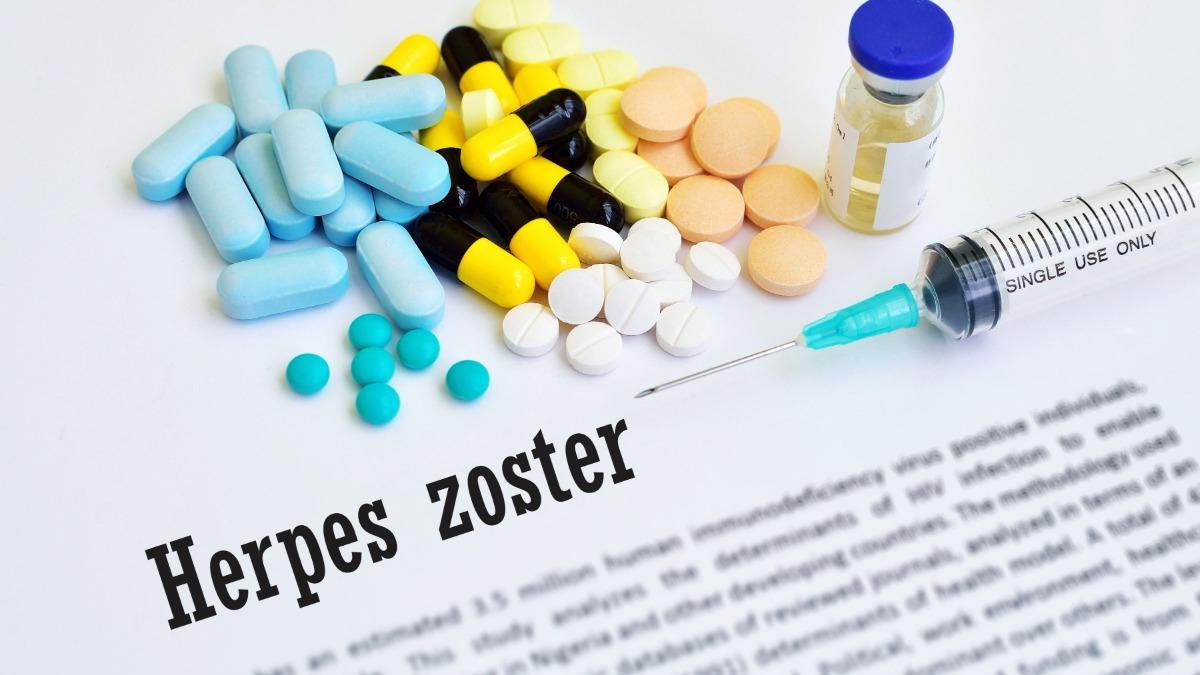
Shingles is a painful skin rash triggered by the reactivation of the varicella-zoster virus—the same virus that causes chickenpox. While it's more common in older adults, children and teenagers can also develop shingles if they’ve had chickenpox at some point in their lives. After a person recovers from chickenpox, the virus doesn’t leave the body, instead, it remains inactive in the nerves and could reactivate years later into a case of shingles.
2. How does a child end up with shingles if they’ve already had chickenpox?

The varicella-zoster virus doesn’t fully leave the body after chickenpox clears. It hides in the nervous system, staying dormant for years. In some people, including children, it can wake up again and travel along the nerves to the skin, causing a localized rash and nerve pain known as shingles. This reactivation can be triggered by stress, illness, or a weakened immune system—but sometimes, there’s no clear reason.
3. What does shingles look and feel like in children?

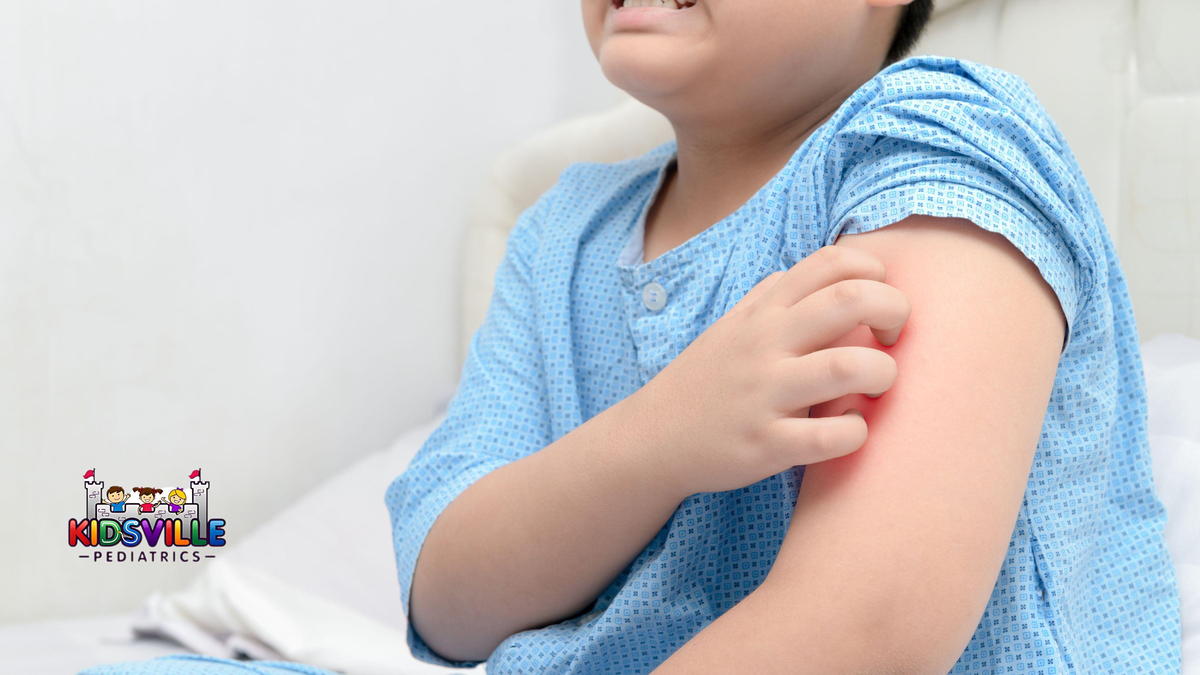
Before the rash even appears, children might feel a tingling, burning, or itchy sensation on one part of their body—usually the torso or face. When the rash arrives, it usually shows up on one side, following the path of nerves beneath the skin. The rash starts as red bumps that become small, fluid-filled blisters. These blisters often break open then dry out and scab over. Southlake doctors often recognize this pattern quickly, which helps with early diagnosis and effective care.
Along with the rash, a child might also experience headache, fever, or general fatigue. Some children may complain of pain in the affected area, even before the rash is visible.
4. Is shingles contagious? Can a child with shingles give it to someone else?

Shingles itself is not contagious, but the virus inside the fluid-filled blisters can be passed to someone who’s never had chickenpox or the chickenpox vaccine. In such cases, the exposed person wouldn’t get shingles—they’d develop chickenpox instead.
The virus spreads through direct contact with the rash, so it’s important to keep the area covered and avoid close contact with newborns, pregnant women, people with weakened immune systems, and anyone who hasn’t been vaccinated. Families can turn to Kidsville Pediatrics Southlake for guidance on how to manage exposure and protect vulnerable loved ones.
5. How is shingles diagnosed in children?

Most Southlake pediatricians can diagnose shingles just by examining the rash. Its telltale appearance—clustered blisters on one side of the body—is often enough. If the diagnosis is uncertain or complications are suspected, a small sample from a blister might be tested in a lab. In cases where the rash appears near the eyes, a doctor may refer your child to an eye specialist to prevent any vision-related complications.
6. How is shingles treated in kids?

Treatment varies based on the severity of the symptoms and how soon after the rash appears when the child sees a pediatrician Southlake expert. If started early (usually within 72 hours of the rash), antiviral medications like acyclovir or valacyclovir can help shorten the illness, reduce discomfort, and lower the risk of complications. Not all children will need medication, though—many recover with supportive care alone.
To ease discomfort at home, parents can:
Use cool compresses on the rash
Offer oatmeal baths to soothe itching
Keep the rash clean and dry
Give over-the-counter pain relievers like acetaminophen or ibuprofen
Dress children in loose, soft clothing
7. What problems can happen with shingles in children?
Most children get better from shingles without any lingering issues. However, a few complications are worth knowing:
- Postherpetic neuralgia, a type of nerve pain that lingers after the rash clears, is rare in kids but more common in adults
- Secondary skin infections can develop if the blisters are scratched or not kept clean
- Shingles near the eye can affect vision if not treated quickly
- Shingles affecting facial nerves may lead to temporary facial weakness or hearing problems (also very rare in children)
Call your pediatrician in Southlake if your child’s rash worsens, spreads, becomes more painful, or shows signs of infection like swelling, pus, or increasing redness.
8. Can shingles in children be prevented?

The best defense is vaccination. Children who receive the chickenpox vaccine are much less likely to get chickenpox and, later on, shingles. Even if a vaccinated child does develop shingles, it’s typically milder than in those who had natural chickenpox.
There is a shingles vaccine available, but it’s currently recommended only for older adults and not approved for children.
9. When can a child return to school or daycare?

Children can go back to school or daycare once the rash has completely dried out and scabbed over. This usually takes about a week to ten days. Until then, they should stay home to prevent spreading the virus, especially to vulnerable individuals.
If the rash can be fully covered and your child is feeling well, your pediatrician may allow an earlier return. Be sure to follow both your doctor’s advice and your child’s school policy.
10. What should a parent do if they think their child has shingles?
If your child shows signs of shingles—such as a one-sided rash with discomfort or unusual pain—contact your pediatrician. Early treatment can decrease symptoms and even prevent serious complications. In the meantime, you can keep the rash covered, avoid scratching, and use cool compresses or baths to offer comfort.
Though shingles may sound scary, it’s usually manageable in kids. With the right care and early medical support, most children recover quickly and completely.
